Physical Therapy Rehabilitation Exercises: How It Works, Results and What to Expect

Physical therapy programs are individualized rather than based on one standard exercise routine. Exercise can improve mobility, strength, balance, confidence and the ability to perform daily activities.
Key Takeaways
- Physical therapy programs are individualized rather than based on one standard exercise routine.
- Exercise can improve mobility, strength, balance, confidence and the ability to perform daily activities.
- The frequency and intensity of exercises depend on the condition, healing stage and response to activity.
- Progress often occurs gradually; consistency and correct technique matter more than pushing through pain.
- New severe pain, swelling, weakness, numbness or other concerning symptoms should be assessed by a clinician.
Physical therapy rehabilitation exercises are personalized movements and activity plans designed to help a person regain safe, comfortable function after an injury, operation, pain condition or illness. A physiotherapist adjusts the program to the person’s diagnosis, abilities, goals and progress, combining supervised sessions with appropriate home exercises.
Overview: How physical therapy rehabilitation exercises work
Physical therapy rehabilitation exercises are planned movements used to improve or restore physical function. They may be recommended after an injury, surgery, stroke, joint pain, neurological illness, prolonged hospitalization or a period of reduced activity. The overall purpose is not simply to exercise more, but to help the body move, work and adapt safely in ways that support everyday goals.
A physiotherapist begins by identifying what is limiting function. This may include pain, stiffness, swelling, weakness, reduced endurance, poor balance, altered walking, reduced coordination or fear of movement. Exercises are then selected and adjusted to address these factors while respecting healing tissues and a person’s medical needs.
Programs may include range-of-motion activities, muscle strengthening, balance and coordination drills, walking practice, posture training, breathing exercises, or task-specific training such as getting up from a chair or climbing stairs. Hands-on techniques, education and assistive devices may also be part of rehabilitation, but exercise is often central to building lasting functional capacity.
Who may benefit and what happens before rehabilitation begins
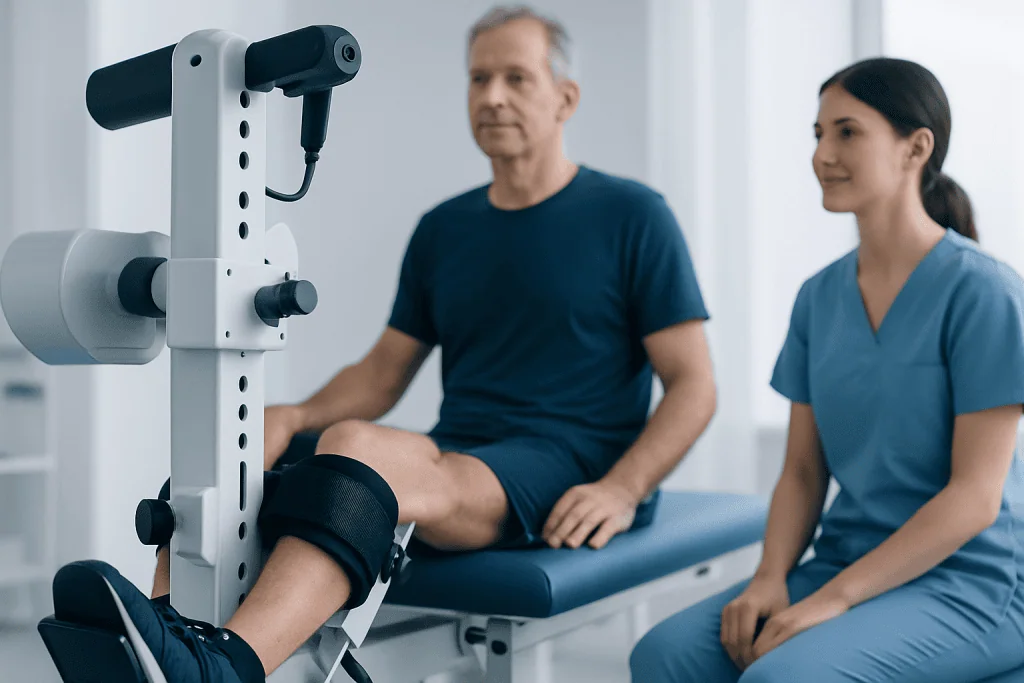
Physical therapy rehabilitation exercises may help people recovering from orthopedic injuries or surgery, including fractures, ligament injuries and joint replacement. They can also support people with persistent back or neck pain, arthritis, sports injuries, neurological conditions, heart or lung conditions, and reduced mobility related to aging or hospitalization. The right plan varies substantially between individuals.
Before starting, the physiotherapist usually reviews the medical history, current symptoms, medications, imaging or surgical information when available, and the person’s goals. Assessment may include observing movement, checking joint range of motion, measuring strength, testing balance, assessing walking, and discussing work, home and recreational activities.
Not everyone should begin the same exercises immediately. Recent surgery, unstable fractures, active infection, uncontrolled heart or lung symptoms, severe osteoporosis, certain neurological symptoms and wound-healing concerns may require specific precautions. The referring doctor, surgeon and physiotherapist work together when restrictions or specialist input are needed.
People with a related musculoskeletal problem may also benefit from understanding the underlying condition, such as osteoarthritis, which can affect joint comfort, movement and exercise selection.
What to expect: step-by-step physical therapy rehabilitation
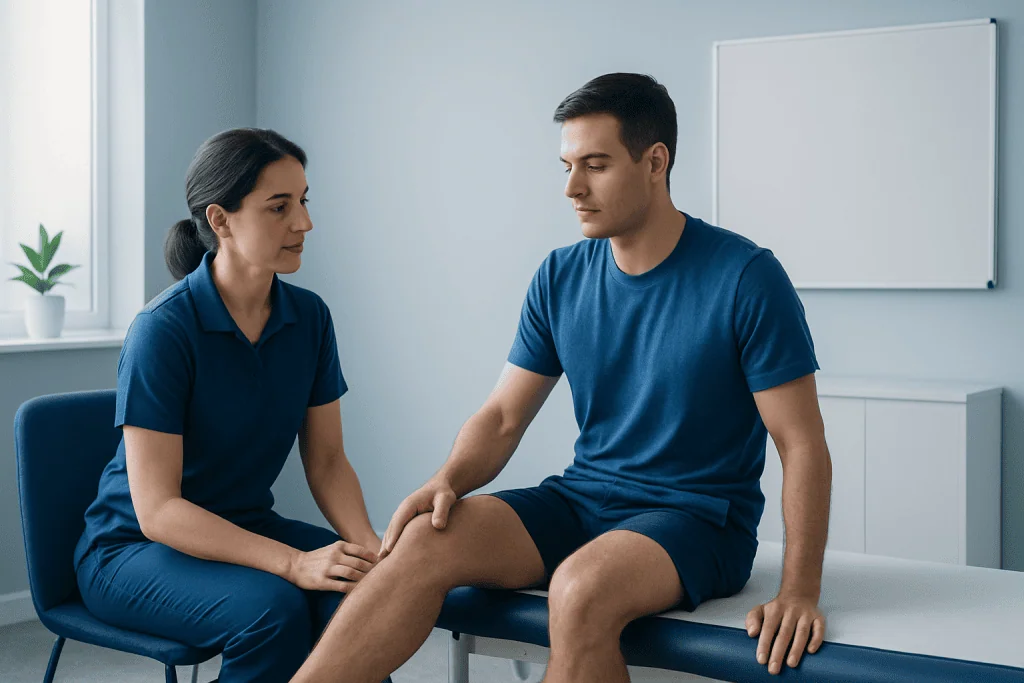
Rehabilitation usually starts with education and a manageable baseline plan. The physiotherapist explains the condition or recovery stage, demonstrates safe movement, and discusses which sensations are expected. Mild effort, muscle fatigue or temporary stiffness can be normal during exercise; sharp pain, worsening symptoms or symptoms that do not settle should be discussed promptly.
Early exercises often focus on protecting healing tissues, reducing stiffness and maintaining basic movement. Depending on the condition, this may involve gentle joint motion, circulation exercises, breathing control, supported standing or short walks. After surgery, the timing and allowed movements are guided by the procedure and surgeon’s instructions.
As symptoms and function improve, the plan can progress toward strengthening, endurance, balance, coordination and more demanding activities. Exercises become increasingly relevant to personal goals, such as returning to work tasks, sports, caregiving, driving or independent community mobility. A home program is commonly provided, with written, visual or digital instructions to support correct technique.
Progression should be based on individual response rather than comparison with another person. The goal is a challenge that promotes adaptation without causing a significant flare-up, injury or loss of confidence.
Benefits, limitations and possible risks
When appropriately prescribed, physical therapy rehabilitation exercises can improve movement, strength, flexibility, balance, endurance and confidence with daily activities. They may reduce disability and help a person return to valued activities. In many conditions, learning how to pace activity and move efficiently is as important as any single exercise.
Results are influenced by the diagnosis, severity of symptoms, time since injury or surgery, overall health, sleep, nutrition, stress, access to care and consistency with the plan. Exercise cannot always remove every symptom or reverse structural changes, but it can often improve function and help people manage symptoms more effectively.
Possible short-term effects include muscle soreness, temporary fatigue or a mild increase in symptoms after a new or more challenging activity. These effects should be monitored. Exercising through severe pain, substantial swelling, dizziness, chest discomfort, unusual shortness of breath, new numbness or sudden weakness is not appropriate and needs medical advice.
A physiotherapist can modify the exercise type, range, load, frequency or recovery period if symptoms are not settling as expected. Individualized rehabilitation is safer and more useful than copying online routines that may not fit the diagnosis or healing stage.
How many days a week should I do my physical therapy exercises?
The recommended schedule depends on the purpose of the exercise and the person’s condition. Some gentle mobility, circulation or posture exercises may be prescribed daily, while strengthening exercises for the same muscle groups may be scheduled on alternating days to allow recovery. Balance, walking or functional practice may also be performed frequently when safe and appropriate.
The physiotherapist’s plan should take priority over general fitness advice. A person recovering from surgery, an acute injury or a flare of pain may need shorter and more frequent sessions, or may need to limit certain movements temporarily. Conversely, a later-stage program may include planned rest days and gradually higher exercise loads.
Consistency is usually more valuable than doing a large amount of exercise in one session. If a program feels too difficult to complete, causes symptoms that continue to worsen, or cannot fit realistic daily routines, the person should tell the physiotherapist so it can be adjusted.
How long does it take to see results from physical therapy?
Some people notice early changes, such as less stiffness, better confidence with movement or improved ability to perform a task, within days to a few weeks. More substantial improvements in strength, endurance, balance and complex function commonly take longer because the body needs time to adapt and, in some cases, to heal.
The timeline depends on the diagnosis and recovery stage. A mild strain may improve relatively quickly, while recovery after major surgery, a fracture, stroke or long-standing pain condition can take months and may progress in phases. Symptoms do not always improve in a straight line; small fluctuations can occur as activity increases.
Regular reassessment helps show whether the plan is working. Progress can be measured through changes in walking distance, range of motion, strength, balance, pain during activities, sleep, or the ability to manage daily tasks. If improvement is limited, the clinician may reassess the diagnosis, technique, exercise dose or need for additional medical evaluation.
What are the five stages of physical rehabilitation?
There is no single universal five-stage model because rehabilitation differs by condition and specialty. However, many programs can be understood through five practical phases: assessment and goal setting; protection and symptom management; restoring mobility; rebuilding strength, balance and endurance; and return to usual activities with long-term self-management.
During assessment and goal setting, the team identifies limitations, safety issues and meaningful goals. Protection and symptom management may involve respecting surgical or injury precautions, managing swelling, learning pacing strategies and maintaining safe movement. Restoring mobility then addresses stiffness and movement quality where appropriate.
Rebuilding capacity focuses on progressive strengthening, balance, coordination and stamina. The final phase helps a person apply these gains to real-life tasks, work, recreation or sport while developing a sustainable maintenance plan. People may move back and forth between phases if symptoms flare, healing is delayed or goals change.
What is the 8 minute rule in physical therapy?
The 8 minute rule is a United States Medicare billing guideline that may be used for certain timed, one-to-one therapy services. In simple terms, it helps determine when a therapist can bill for a timed service unit based on the total number of minutes of direct treatment provided. It is an administrative rule, not a clinical recommendation about how long a person should exercise.
The rule should not be confused with an exercise prescription. A home program may involve a few minutes of gentle movement, a longer strengthening session, or several short activity periods depending on the individual plan. Outside the United States, billing systems and rules may differ.
Patients who have questions about session length, treatment documentation or insurance coverage can ask the clinic’s administrative team. Questions about exercise duration, effort and safe progression should be directed to the treating physiotherapist or doctor.
When to seek medical care
Medical advice is important before beginning rehabilitation exercises after a major injury, surgery, hospitalization or new neurological symptoms. A person should contact a clinician promptly if exercise causes severe or escalating pain, marked swelling, a hot or red joint, wound changes, fever, fainting, chest pain, new breathing difficulty, sudden weakness, new numbness, loss of bladder or bowel control, or a major change in walking or balance.
Persistent pain that interferes with sleep, work or ordinary activities also deserves assessment. Early review can help identify whether the program needs changing or whether another condition needs treatment. It is generally better to seek guidance than to stop all movement for a prolonged period without advice.
Acibadem International’s multidisciplinary specialists and JCI-accredited hospitals provide assessment and rehabilitation planning for international patients when coordinated care is needed.
Frequently asked questions
Are physical therapy rehabilitation exercises painful?
Exercises should be challenging enough to support improvement, but they should not cause severe or alarming pain. Mild muscle fatigue, stretching sensations or temporary stiffness may occur, especially when beginning or progressing a program. Any sharp, worsening or persistent pain should be reported to the treating physiotherapist or doctor.
Can physical therapy exercises be done at home?
Many rehabilitation programs include home exercises because regular practice supports progress between appointments. The exercises should be taught and individualized by a qualified clinician, particularly after surgery, injury or when there are balance or neurological concerns. Good technique and appropriate progression are important for safety.
Should I rest if I am sore after physical therapy?
Mild soreness may settle with relative rest, hydration, sleep and returning to the prescribed activity level. Complete inactivity is not always necessary or helpful, but the appropriate response depends on the cause and intensity of symptoms. If soreness is severe, lasts longer than expected or is accompanied by swelling, weakness or new symptoms, the clinician should be contacted.
What should I wear to a physical therapy appointment?
Comfortable clothing that allows the therapist to assess the relevant body area and permits movement is usually best. Supportive shoes may be helpful for walking, balance or lower-limb exercises. The clinic can advise if special clothing, braces or assistive devices should be brought to the appointment.
Can I continue normal exercise during physical rehabilitation?
Some people can continue selected activities, while others need temporary limits depending on the injury, surgery, symptoms and rehabilitation goals. A physiotherapist can advise which activities are safe and how to adjust intensity, duration or technique. Continuing an activity that clearly worsens symptoms should be discussed rather than ignored.
Do I need a referral for physical therapy?
Referral requirements vary by country, healthcare system, insurance plan and medical condition. Some people can see a physiotherapist directly, while others need a referral from a doctor or surgeon. Following post-operative instructions and local healthcare requirements is important.
References
- World Health Organization
- American Physical Therapy Association
- National Institute of Arthritis and Musculoskeletal and Skin Diseases
- National Institute of Neurological Disorders and Stroke
- MedlinePlus
This article is for general information only and is not a substitute for professional medical advice. Please consult a qualified doctor about your individual situation.
Joint and spine care in Turkey — expert assessment & treatment
JCI-accredited · board-certified surgeons · reply within 24h
Add us as a Preferred Source to see more of our trusted health content across Google Search, AI Overviews and Discover.