Male Mastectomy: Procedure, Recovery and Results

Male mastectomy is most commonly performed for breast cancer, but chest-contouring surgery may also remove glandular breast tissue in selected patients. The operation may remove the whole breast, preserve some skin or the nipple in carefully chosen cases, and may include lymph node assessment.
Key Takeaways
- Male mastectomy is most commonly performed for breast cancer, but chest-contouring surgery may also remove glandular breast tissue in selected patients.
- The operation may remove the whole breast, preserve some skin or the nipple in carefully chosen cases, and may include lymph node assessment.
- Most people go home the same day or after a short hospital stay, but drains, wound care and activity restrictions are common early in recovery.
- Possible risks include bleeding, infection, fluid collection, numbness, scarring and changes in chest contour.
- A new breast lump, nipple discharge, skin change or swelling in the armpit should be assessed promptly by a clinician.
Male mastectomy is surgery to remove some or all breast tissue in men, most often to treat male breast cancer and, in selected cases, to correct persistent breast enlargement. The type of operation, recovery period and expected result depend on the reason for surgery, the amount of tissue removed and whether reconstruction or lymph node surgery is needed.
Overview: What Is Male Mastectomy?
Male mastectomy is an operation that removes breast tissue from one or both sides of the chest. In cancer care, it is usually performed to remove a breast tumor and surrounding tissue while aiming to achieve clear surgical margins. It may also be used for some people with persistent gynecomastia, a non-cancerous enlargement of male breast tissue, when symptoms or chest contour concerns have not improved with treatment of the underlying cause.
The word “mastectomy” can describe several operations. A simple or total mastectomy removes the breast tissue and usually the nipple-areola complex. In appropriate cancer cases, surgeons may discuss skin-sparing or nipple-sparing techniques, although these are not suitable for everyone. Lymph nodes under the arm may be checked at the same operation to see whether cancer has spread.
It is important to distinguish cancer surgery from cosmetic chest-contouring surgery. Both may involve removal of glandular tissue, but their goals, planning, pathology assessment and follow-up differ. Persistent breast enlargement can have several causes, including gynecomastia, medication effects, hormonal conditions and weight changes, so an evaluation should come before choosing surgery.
Who May Be a Candidate?
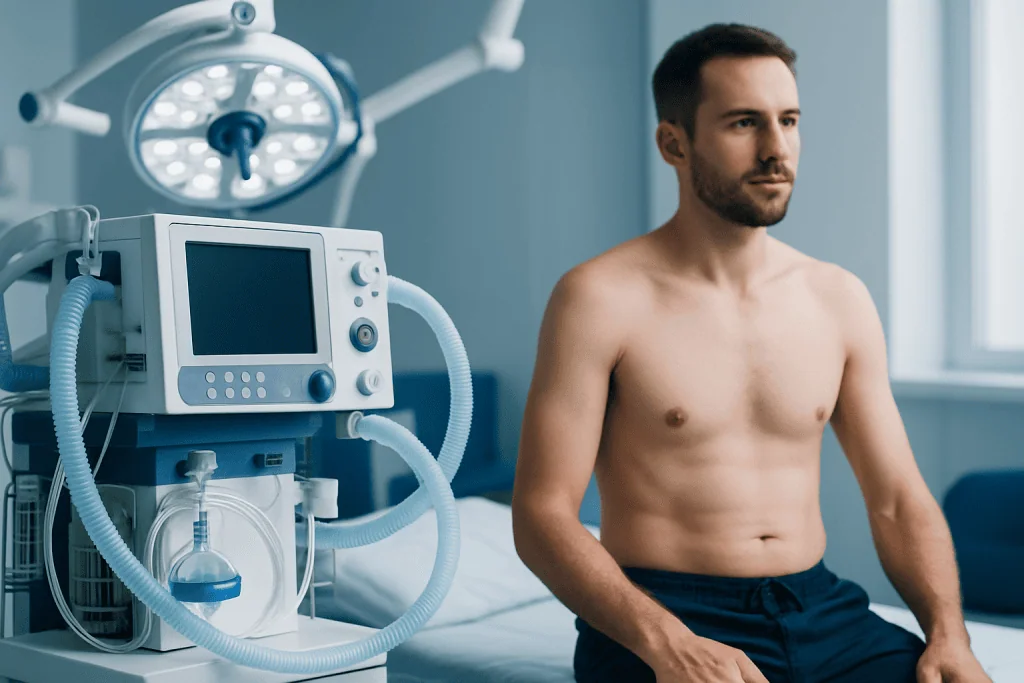
Men diagnosed with breast cancer may be advised to have a mastectomy because male breast tissue is generally limited and tumors can be close to the nipple or chest wall. The recommendation is individualized. It takes account of tumor size and location, cancer type, imaging findings, lymph node status, previous chest radiation, genetic factors and the person’s preferences.
For non-cancerous breast enlargement, surgery may be considered when glandular tissue has remained stable for a prolonged period, causes tenderness or distress, or does not respond after a clinician has addressed possible contributing factors. Weight loss can reduce chest fat in some people, but it does not always remove firm glandular tissue. Surgery is generally best planned when body weight is relatively stable and any relevant medical or hormonal condition is being managed.
Before an operation, the surgical team reviews medical history, medicines, allergies, smoking or nicotine use, bleeding risk and anesthesia safety. Imaging or a tissue biopsy may be needed when there is a suspicious lump. For suspected or confirmed cancer, a breast surgeon works with pathology, radiology, medical oncology and, when needed, radiation oncology to make a coordinated treatment plan.
How the Procedure Is Performed
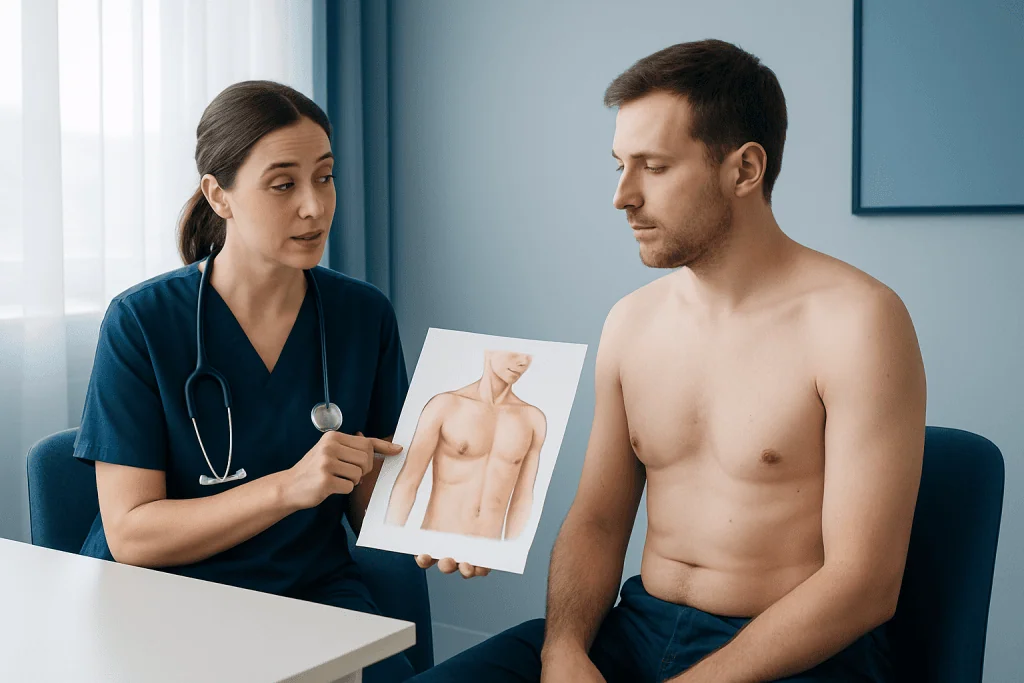
Male mastectomy is performed under general anesthesia, meaning the person is asleep and does not feel the operation. The surgical plan is discussed beforehand, including the incision location, whether one or both sides will be treated, and whether lymph node evaluation or reconstruction may be appropriate. The removed tissue is sent to a laboratory for detailed examination.
For cancer, the surgeon makes an incision across or around the breast area and removes the breast tissue. Depending on the cancer and anatomy, some skin may be preserved. If the lymph nodes need assessment, the team may perform a sentinel lymph node biopsy, which removes the first node or nodes most likely to receive drainage from the tumor. If cancer is found in nodes or there is known nodal disease, a more extensive axillary lymph node operation may sometimes be recommended.
For persistent gynecomastia, the operation may involve direct excision of glandular tissue, liposuction to remove fatty tissue, or a combination of both. The approach is selected according to the firmness and distribution of tissue, skin elasticity and desired chest contour. People considering this approach can learn more about gynecomastia surgery as part of an individualized consultation.
At the end of surgery, the incision is closed with sutures and covered with dressings. A thin drain may be placed to collect fluid beneath the skin for a short period. A compression garment may be recommended after chest-contouring surgery to reduce swelling and support healing.
Recovery Timeline and Results
Recovery varies with the extent of surgery, whether lymph nodes were treated, and overall health. Some people return home on the day of surgery, while others stay overnight, particularly after cancer surgery or when additional procedures are needed. Early discomfort, tightness, bruising and swelling are expected and are usually managed with the pain-relief plan provided by the clinical team.
During the first one to two weeks, people usually need to protect the incision, follow drain instructions if a drain is present, and avoid lifting, strenuous exercise and repetitive arm movements until cleared. The team will explain when showering is safe, how to care for dressings, and when sutures or drains may be removed. Gentle arm and shoulder movement is often encouraged at the appropriate stage to prevent stiffness, especially after lymph node surgery.
Many people can resume light daily activities within days to a few weeks, but heavy lifting, upper-body training and contact sports may need to wait several weeks. Swelling settles gradually, and scars continue to mature for months. After gynecomastia surgery, the final contour may not be apparent until swelling has resolved. After cancer surgery, the pathology report helps determine whether additional treatment, such as hormone therapy, chemotherapy or radiotherapy, is recommended.
Results should be viewed realistically. Mastectomy can remove visible breast tissue and, in cancer care, plays a central role in local tumor treatment. However, no operation can guarantee a perfectly symmetrical chest or eliminate every future cancer-related risk. Follow-up care remains important.
Benefits, Risks and Possible Complications
The principal benefit of male mastectomy for cancer is removal of the known breast cancer and a clear understanding of the disease through pathology testing. For selected people with gynecomastia, surgery can reduce breast prominence, discomfort and the burden of persistent glandular tissue. The potential benefits should always be balanced against the expected scar and the possibility of contour changes.
All surgery carries risks. These include bleeding, infection, delayed wound healing, blood or fluid collection beneath the skin, noticeable scarring, altered nipple or chest sensation, asymmetry and persistent swelling. A seroma, or fluid collection, may require monitoring, drainage or aspiration. With lymph node surgery, there can also be shoulder stiffness, numbness in the upper arm and a risk of lymphedema, which is swelling caused by impaired lymph drainage.
Smoking and nicotine products can increase the chance of healing problems. The surgical team may advise stopping these products well before and after surgery, if possible. Sharing all medicines and supplements is also important, since some can affect bleeding, anesthesia or recovery. A clinician can explain which individual risks apply and how they may be reduced.
Follow-Up, Self-Care and Ongoing Health
Follow-up appointments allow the team to inspect healing, review pathology results and discuss further treatment if needed. Patients should keep scheduled visits even if they feel well. After cancer surgery, follow-up may include regular clinical examinations and imaging of the remaining breast tissue when relevant to the individual treatment plan.
At home, people should take medicines only as directed, maintain wound and drain care instructions, eat regular nourishing meals and gradually return to activity. Wearing a recommended compression garment, avoiding smoking and protecting scars from sun exposure can support recovery. A scar can remain visible, but its color and texture often change over time.
Emotional adjustment is also part of recovery. A cancer diagnosis, a change in chest appearance or concerns about masculinity and body image can affect wellbeing. Support from trusted family members, counseling, cancer support services or a patient group may be helpful. For international patients, Acibadem International’s multidisciplinary specialists at JCI-accredited hospitals can assess and treat male breast conditions with coordinated surgical and oncology care.
When to Seek Medical Care
A doctor should assess a new breast lump, thickened area, nipple inversion, nipple discharge, skin dimpling, persistent breast pain or swelling in the armpit. Although many breast changes in men are benign, male breast cancer can occur and is best evaluated without delay. Early assessment may include examination, imaging and, if necessary, biopsy.
After male mastectomy, urgent medical advice is needed for fever, increasing redness or warmth around the incision, pus-like drainage, worsening pain, sudden one-sided swelling, heavy bleeding, shortness of breath or chest pain. These symptoms do not always mean a serious complication, but they should not be ignored.
People should also contact their surgical team if a drain stops working, becomes dislodged, suddenly produces much more fluid, or if there are concerns about wound healing. Clear postoperative instructions and direct contact details are usually provided before discharge.
Frequently asked questions
Is male mastectomy only used for breast cancer?
No. Male mastectomy is most often associated with treatment for male breast cancer, but removal of breast tissue may also be part of surgery for persistent gynecomastia. The goals and techniques differ, so a proper assessment is needed to determine the most suitable procedure.
Will lymph nodes be removed during a male mastectomy?
Not always. In breast cancer surgery, a sentinel lymph node biopsy may be performed to check whether cancer cells have reached the nearby lymph nodes. More extensive lymph node surgery is only considered when clinically indicated.
How painful is recovery after male mastectomy?
Discomfort, tightness and soreness are common in the first days after surgery, but pain is usually managed with a personalized plan. The level and duration of discomfort vary according to the operation, including whether lymph nodes were treated.
How long does it take to recover from male mastectomy?
Light daily activities may be possible within days to a few weeks, while strenuous upper-body activity often needs to wait several weeks. Full recovery and scar maturation take longer, and the exact timeline should follow the surgeon’s instructions.
Can male breast cancer return after mastectomy?
Mastectomy greatly reduces the amount of breast tissue at the surgical site, but it cannot remove all possibility of recurrence. Ongoing follow-up is important, and additional treatments may be recommended based on the cancer’s features and pathology results.
Will male mastectomy leave a scar?
Yes. The location and length of the scar depend on the surgical technique and whether skin or the nipple can be preserved. Scars commonly fade and soften over time, although they do not disappear completely.
References
- American Cancer Society
- National Cancer Institute
- American Society of Plastic Surgeons
- National Health Service
- Centers for Disease Control and Prevention
This article is for general information only and is not a substitute for professional medical advice. Please consult a qualified doctor about your individual situation.
Oncology care in Turkey — second opinion and treatment plan
JCI-accredited · board-certified surgeons · reply within 24h
Add us as a Preferred Source to see more of our trusted health content across Google Search, AI Overviews and Discover.