Ovarian Cysts: When They Are Harmless and When to Investigate

Most ovarian cysts in people who menstruate are functional cysts that often resolve on their own. Symptoms such as persistent pelvic pain, bloating, pressure, painful sex, or changes in periods should be discussed with a gynecologist.
Key Takeaways
- Most ovarian cysts in people who menstruate are functional cysts that often resolve on their own.
- Symptoms such as persistent pelvic pain, bloating, pressure, painful sex, or changes in periods should be discussed with a gynecologist.
- Sudden severe pelvic pain, fainting, fever, vomiting, or signs of internal bleeding require urgent medical care.
- Ultrasound is the main test used to evaluate an ovarian cyst and determine whether monitoring or treatment is needed.
- Treatment may include watchful waiting, pain relief, hormonal management, or surgery depending on cyst type, size, symptoms, and menopausal status.
- Postmenopausal ovarian cysts are not always dangerous, but they should be assessed carefully.
Ovarian cysts are fluid-filled sacs in or on the ovary, and many are a normal part of the menstrual cycle. Some cysts need closer assessment, especially if they are large, persistent, complex on ultrasound, or occur after menopause.
Overview
Ovarian cysts are fluid-filled sacs that develop in or on an ovary. They are common, especially during the reproductive years, and many are discovered incidentally during a pelvic ultrasound performed for another reason. In many cases, an ovarian cyst is not a disease but a temporary change related to ovulation.
The ovaries normally produce follicles, small fluid-filled structures that contain developing eggs. Each month, one follicle usually releases an egg and then changes into a structure called the corpus luteum. If a follicle does not release an egg, or if the corpus luteum fills with fluid, a functional cyst can form. These cysts are usually harmless and often disappear without treatment within a few menstrual cycles.
However, not every ovarian cyst is functional. Some cysts are related to endometriosis, benign growths, or less commonly cancer. The key question is not only whether a cyst is present, but what it looks like, how large it is, whether it causes symptoms, and whether the person is premenopausal or postmenopausal.
When Ovarian Cysts Are Usually Harmless
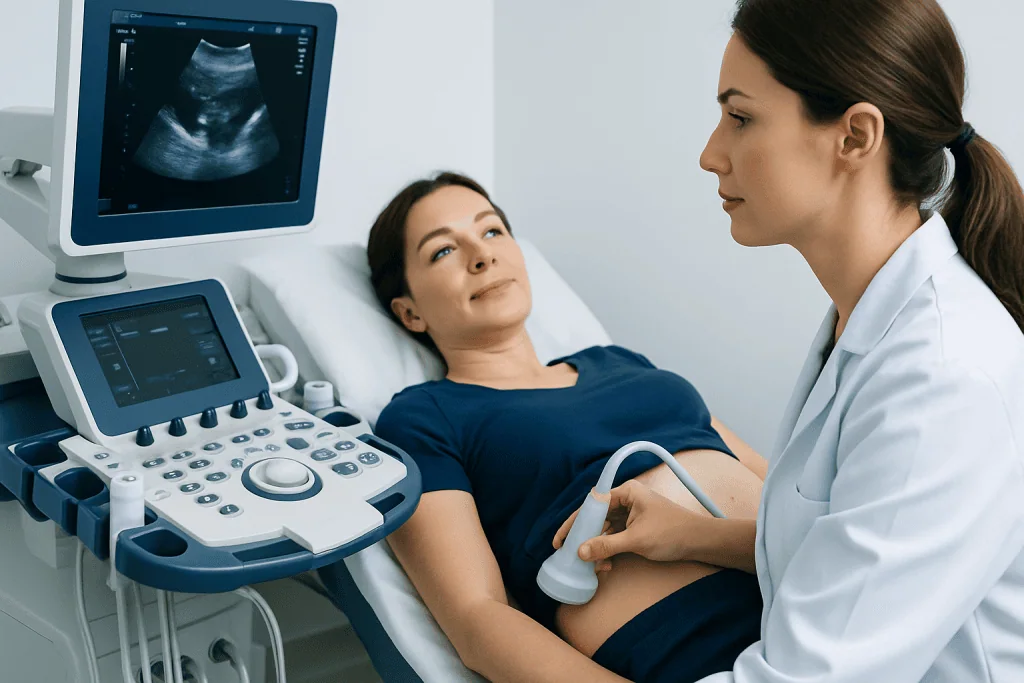
Many ovarian cysts are considered low risk when they are simple, thin-walled, filled only with clear fluid, and found in a person who is still having menstrual cycles. These are often functional cysts. They may cause mild discomfort or no symptoms at all, and doctors commonly recommend monitoring with a repeat ultrasound rather than immediate treatment.
A cyst is more likely to be managed conservatively if it is small, has a simple appearance on ultrasound, and the patient is otherwise well. In these situations, the doctor may advise watchful waiting, which means observing the cyst over time to confirm that it shrinks or disappears.
Harmless does not mean ignored. Even when a cyst appears benign, follow-up may be recommended to ensure it behaves as expected. This is particularly important if symptoms continue, the cyst grows, or the ultrasound report describes features that are not clearly simple.
Symptoms of Ovarian Cysts
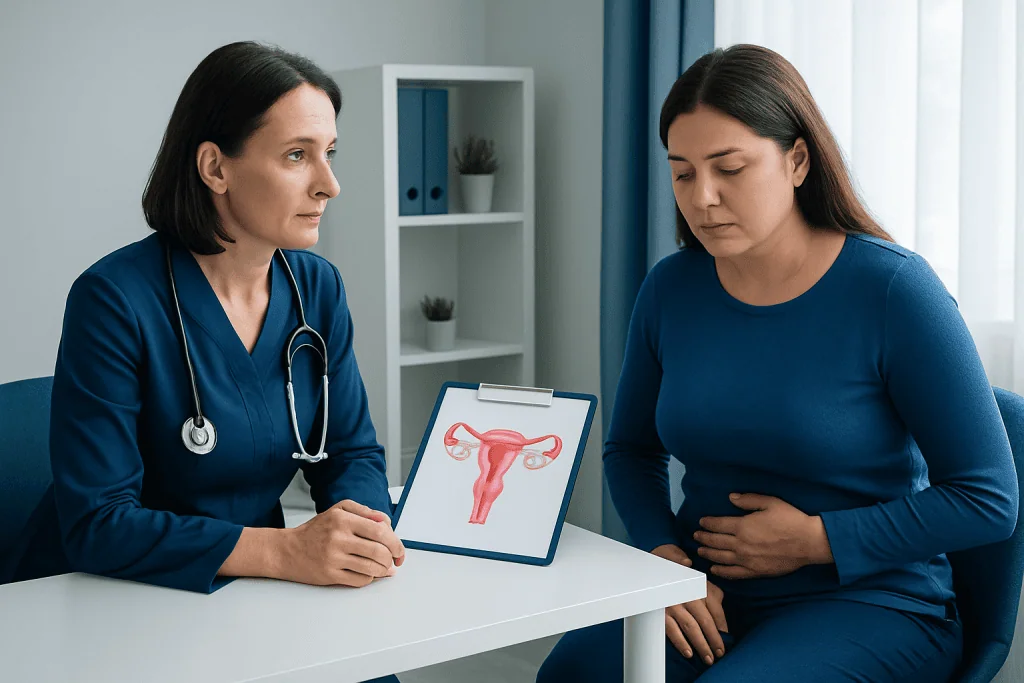
Many ovarian cysts cause no symptoms. When symptoms do occur, they can be vague and may overlap with digestive, urinary, or menstrual conditions. Common symptoms include pelvic pain or pressure, a feeling of fullness in the lower abdomen, bloating, pain during sex, or discomfort around the time of menstruation.
Some people notice changes in their menstrual cycle, such as heavier bleeding, spotting, or irregular periods. Others may experience frequent urination if a cyst presses on the bladder, or constipation if it presses on the bowel. These symptoms do not automatically mean a cyst is dangerous, but they are useful clues for the doctor.
Urgent symptoms can occur if a cyst ruptures, bleeds, or causes the ovary to twist, a condition called ovarian torsion. Warning signs include sudden severe pelvic pain, pain with nausea or vomiting, dizziness, fainting, fever, or rapid worsening of symptoms. These situations need prompt medical assessment.
Causes and Risk Factors
The most common cause of ovarian cysts is normal ovulation. Functional cysts include follicular cysts and corpus luteum cysts. Follicular cysts form when a follicle does not release an egg, while corpus luteum cysts form after ovulation when fluid collects in the corpus luteum.
Other types of cysts may have different causes. Endometriomas, sometimes called chocolate cysts, develop in people with endometriosis. Dermoid cysts, also called mature cystic teratomas, can contain tissue such as fat or hair and are usually benign. Cystadenomas arise from the surface of the ovary and may be filled with watery or mucous material.
Risk factors can include a history of ovarian cysts, endometriosis, hormonal stimulation during fertility treatment, pregnancy, and irregular ovulation. Polycystic ovary syndrome, or PCOS, is a different condition involving many small follicles and hormone imbalance; it should not be confused with a single ovarian cyst, although both may be seen on ultrasound.
Age and menopausal status matter. Ovarian cysts in reproductive years are often functional, while cysts after menopause need more careful evaluation because the pattern of risk is different. Even then, many postmenopausal cysts are benign, especially if they are small and simple, but medical follow-up is important.
Diagnosis: How Doctors Evaluate an Ovarian Cyst
Diagnosis usually begins with a medical history and pelvic examination. The doctor may ask about pain, menstrual patterns, pregnancy possibility, fertility plans, previous cysts, endometriosis, family history, and menopausal status. A pelvic exam can sometimes detect tenderness or an enlarged ovary, but imaging is usually needed to understand the cyst clearly.
Transvaginal ultrasound is the main test for evaluating ovarian cysts. It helps determine the size, location, and appearance of the cyst. Doctors look for features such as whether the cyst is simple or complex, whether it has solid areas, thick septations, blood flow patterns, or fluid around the pelvis. These details guide the next steps.
Additional tests may be used in selected cases. A pregnancy test is important when pelvic pain occurs in someone who could be pregnant, because ectopic pregnancy can cause similar symptoms. Blood tests such as CA-125 may be considered, particularly after menopause or when ultrasound findings are concerning, but CA-125 is not a screening test for everyone and can be elevated for many non-cancerous reasons.
If ultrasound findings are unclear, magnetic resonance imaging may help characterize the cyst. Computed tomography is less commonly used for routine cyst evaluation but may be helpful in emergency situations or when doctors need to assess the wider abdomen and pelvis.
Treatment Options
Treatment depends on the cyst type, size, symptoms, ultrasound appearance, age, and pregnancy or fertility goals. Many simple functional cysts are managed with watchful waiting and repeat ultrasound. Pain relief may be recommended if discomfort is mild, but medication choices should be discussed with a healthcare professional, especially during pregnancy or if there are other medical conditions.
Hormonal contraceptives may reduce the chance of developing new functional cysts in some people, but they do not reliably make an existing cyst disappear. They may be considered when cysts are recurrent and when contraception is also desired. The decision should be individualized based on health history, risks, and preferences.
Surgery may be advised if a cyst is large, persistent, painful, growing, suspicious on imaging, or associated with complications such as torsion. Whenever appropriate, surgeons may remove only the cyst and preserve the ovary, a procedure called cystectomy. In some cases, removal of the ovary may be necessary, especially if the tissue is severely damaged or if there is concern for malignancy.
Minimally invasive laparoscopy is commonly used for benign-appearing cysts, while open surgery may be needed for very large cysts or when cancer is suspected. If malignancy is a possibility, referral to a gynecologic oncologist is important so that surgery and staging are planned appropriately.
Prevention and Self-care
There is no guaranteed way to prevent all ovarian cysts, especially functional cysts related to normal ovulation. However, paying attention to menstrual patterns and pelvic symptoms can help people seek care at the right time. Keeping a symptom diary may be useful, especially for recurring pelvic pain, bloating, or cycle changes.
General gynecologic care is important. Regular check-ups, timely evaluation of persistent pelvic symptoms, and follow-up imaging when recommended can help distinguish harmless cysts from those that need treatment. People undergoing fertility treatment should report pelvic pain or swelling promptly because ovarian enlargement can occur with hormone stimulation.
Self-care for mild discomfort may include rest, gentle heat to the lower abdomen, hydration, and avoiding strenuous activity if movement worsens pain. These measures do not treat the cyst itself but may ease symptoms while waiting for medical review. Severe or rapidly worsening pain should not be managed at home.
When to See a Doctor
A medical appointment is recommended for persistent pelvic pain, new bloating or pressure that does not improve, painful sex, unusual bleeding, irregular periods, or urinary and bowel symptoms that may be related to pelvic pressure. People who have been told they have an ovarian cyst should follow the recommended ultrasound schedule, even if symptoms improve.
Urgent care is needed for sudden severe pelvic or abdominal pain, pain with vomiting, fainting, fever, shoulder-tip pain, heavy bleeding, or signs of weakness and dizziness. These symptoms may suggest rupture with bleeding, infection, torsion, or another condition that needs prompt treatment.
After menopause, any newly discovered ovarian cyst should be discussed with a gynecologist, even if it appears simple. Evaluation does not mean that cancer is likely; it means the cyst should be interpreted in the context of age, symptoms, ultrasound findings, and sometimes blood tests.
For international patients, Acibadem International offers evaluation and treatment of ovarian cysts through multidisciplinary specialists in JCI-accredited hospitals. As with any medical decision, patients should consult a qualified doctor to choose the safest and most appropriate plan for their individual situation.
Frequently asked questions
Are ovarian cysts always dangerous?
No. Most ovarian cysts in people who menstruate are functional cysts related to ovulation and often resolve without treatment. A cyst needs closer evaluation if it is large, persistent, complex on ultrasound, or occurs after menopause.
Can an ovarian cyst affect fertility?
Many cysts do not affect fertility, especially simple functional cysts. Conditions associated with cysts, such as endometriosis or PCOS, may influence fertility in some people. If pregnancy is planned, a gynecologist can explain whether monitoring or treatment is needed.
How is a ruptured ovarian cyst treated?
Treatment depends on symptoms and whether there is significant bleeding. Mild cases may be managed with observation and pain relief, while more serious cases may need hospital monitoring or surgery. Sudden severe pain, dizziness, fainting, or vomiting should be assessed urgently.
Do birth control pills make ovarian cysts go away?
Hormonal contraceptives generally do not shrink an existing ovarian cyst reliably. They may help reduce the chance of new functional cysts forming in some people. The choice should be discussed with a doctor because benefits and risks vary.
What does a complex ovarian cyst mean?
A complex ovarian cyst has features other than simple clear fluid, such as internal walls, solid areas, or mixed contents. Many complex cysts are still benign, including endometriomas or dermoid cysts. Further evaluation, follow-up imaging, or treatment may be recommended depending on the details.
Should ovarian cysts after menopause be removed?
Not always. Some small, simple postmenopausal cysts can be monitored with ultrasound and sometimes blood tests. Removal may be considered if the cyst is complex, enlarging, symptomatic, or has features that raise concern.
References
- American College of Obstetricians and Gynecologists
- Royal College of Obstetricians and Gynaecologists
- National Health Service
- Mayo Clinic
- European Society of Gynaecological Oncology
This article is for general information only and is not a substitute for professional medical advice. Please consult a qualified doctor about your individual situation.
Ovarian Cyst in Turkey — costs, top hospitals & a free quote
JCI-accredited · board-certified surgeons · reply within 24h
Add us as a Preferred Source to see more of our trusted health content across Google Search, AI Overviews and Discover.
Check your numbers in seconds
BMI, calories, due date, blood pressure and 30+ more clinical calculators — free, instant, doctor-reviewed ranges.

Gynecology & Obstetrics
Women’s health across pregnancy, gynecologic surgery and high-risk pregnancy care.
187 specialists in this unitMore from the Health Library



Related Specialists

Assoc. Prof. Dr. Aras Şenvar
Otorhinolaryngology
Dr. Nevra Gülhan Görgülü
Anesthesiology
Dr. Osman Bütün
Medical Oncology
Asst. Prof. Dr. Müjde Arapoğlu
Pediatrics