Diagnosis and Treatment: How It Works, Results and What to Expect

Diagnosis identifies or narrows down the cause of symptoms; treatment aims to manage, cure, control or relieve the condition. A diagnosis is often made in stages, using medical history, examination, tests and clinical interpretation.
Key Takeaways
- Diagnosis identifies or narrows down the cause of symptoms; treatment aims to manage, cure, control or relieve the condition.
- A diagnosis is often made in stages, using medical history, examination, tests and clinical interpretation.
- Treatment plans are individualized and may include observation, lifestyle measures, medicines, procedures, rehabilitation or supportive care.
- For suspected cancer, biopsy results often confirm the diagnosis and help guide the most appropriate treatment plan.
- People should ask their clinical team about the purpose, expected benefits, possible risks and alternatives of every recommended test or treatment.
Diagnosis and treatment are connected parts of medical care: clinicians first gather and interpret information to identify or clarify a health condition, then recommend care suited to the person’s needs. The process can involve discussion, examination, tests, specialist review and follow-up, and it may change as new results become available.
Overview: how diagnosis and treatment work together
Diagnosis and treatment are the two main parts of medical care. Diagnosis is the process clinicians use to understand symptoms, identify a condition or rule out important possibilities. Treatment is the plan used to prevent, manage, cure, control or relieve that condition once enough information is available.
The process is not always linear. Some conditions can be identified from a medical history and examination, while others need blood tests, imaging, monitoring or a tissue sample. A treatment plan may begin while tests are still underway when prompt symptom relief or urgent care is needed, then be adjusted as results clarify the diagnosis.
Good care combines test findings with the person’s symptoms, medical history, medicines, preferences and overall health. In many situations, especially complex conditions, clinicians from different specialties work together to interpret results and discuss the safest, most suitable next steps.
What is the difference between diagnosis and treatment?
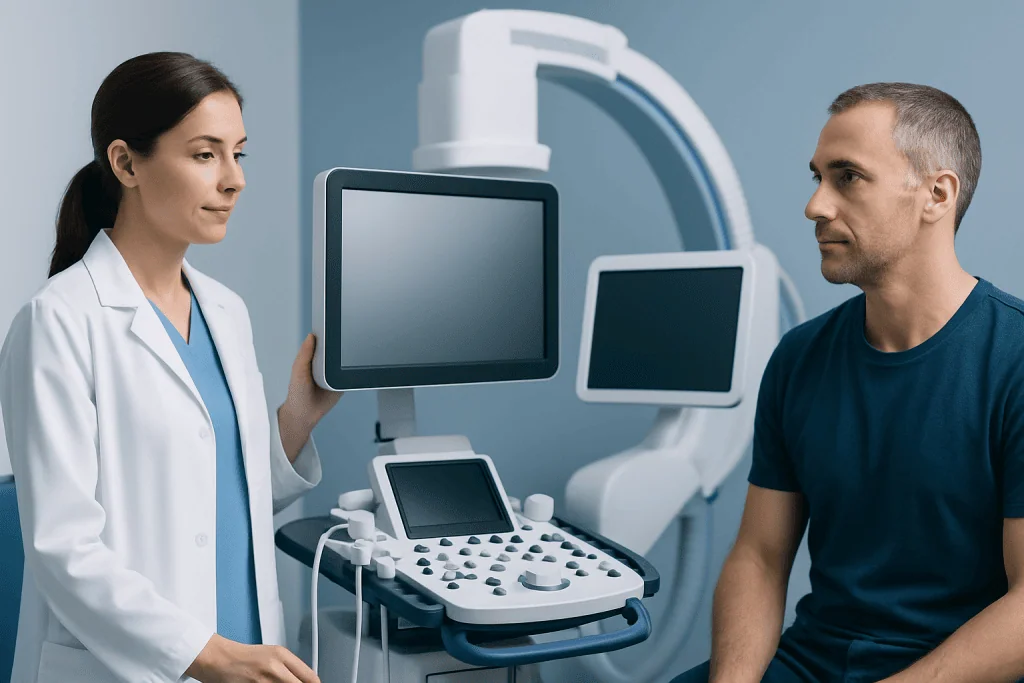
Diagnosis is the clinical conclusion, or working conclusion, about what is causing a person’s symptoms or abnormal test results. It may be a specific disease, such as pneumonia or diabetes, or a description that needs further clarification, such as unexplained anemia or a suspicious lump.
Treatment is what is done in response to the diagnosis or symptoms. Depending on the condition, it may include watchful waiting, lifestyle support, medication, surgery, radiation therapy, chemotherapy, rehabilitation, counseling or other forms of care. Treatment can also include supportive measures, such as pain relief, nutrition support or management of side effects.
A diagnosis does not always lead to immediate active treatment. Some findings are monitored safely over time, and some symptoms can be treated while the cause is being investigated. Conversely, a treatment plan may change if new test results show that a different approach is likely to be more beneficial.
What are the five steps of diagnosis?

Although real-world care may overlap, the diagnostic process is often understood in five practical steps. First, the clinician takes a history, asking about symptoms, timing, previous illnesses, family history, medicines and relevant lifestyle or exposure factors. Second, they perform a physical examination when appropriate.
Third, the clinician develops a differential diagnosis: a focused list of possible explanations for the findings. Fourth, targeted tests may be selected to support, exclude or distinguish among those possibilities. These can include laboratory tests, imaging studies, heart or lung tests, genetic tests, or a biopsy.
Fifth, the clinician interprets the combined information and explains the conclusion, level of certainty and next steps. This may include confirming a diagnosis, arranging further assessment, starting treatment, referring to a specialist or planning follow-up. A diagnosis can be revised when symptoms evolve or additional evidence becomes available.
- Medical history and symptom review
- Physical examination
- Possible causes considered
- Appropriate tests or specialist assessment
- Interpretation, discussion and care planning
How a treatment plan is developed
After a diagnosis is established or a likely cause is identified, the clinician considers the condition’s severity, expected course and effect on daily life. They also consider age, other health conditions, current medicines, pregnancy status where relevant, allergies, previous treatments and personal priorities.
The plan should explain the treatment goal. For some conditions, the goal is cure; for others, it is long-term control, prevention of complications, symptom improvement or preservation of function. Patients may be offered one approach or several reasonable options, each with different benefits, limitations and potential side effects.
Many treatment plans include monitoring. Follow-up appointments, repeat testing, symptom checks or imaging can show whether the treatment is working and whether it needs to be continued, stopped or changed. For complex care, a multidisciplinary review can help coordinate medical, surgical, rehabilitation and supportive services.
For conditions that require an intervention, diagnosis and treatment services can help organize testing, specialist consultation and a personalized care pathway. The most appropriate option should always be decided with a qualified clinician who understands the individual’s medical situation.
How long after a cancer diagnosis does treatment start?
The timing of cancer treatment varies. Some cancers need urgent assessment and treatment, while others allow time for detailed staging, pathology review, additional scans, fertility discussions, treatment planning or a second opinion. The right timeline depends on the cancer type, location, stage, biology, symptoms and the person’s general health.
After cancer is confirmed, clinicians commonly need to determine how far it has spread and which treatments are most likely to help. This can involve imaging, blood tests, review of the biopsy sample and discussion by a multidisciplinary cancer team. These steps are important because they help match treatment to the specific cancer rather than simply starting the fastest available option.
In some cases, treatment begins with surgery; in others, medicines such as chemotherapy, targeted therapy or immunotherapy, or radiation therapy may come first. Supportive treatments can be started at any stage to address pain, nausea, nutrition concerns, fatigue or emotional wellbeing. Information about cancer can help patients understand why cancer care is tailored rather than identical for every person.
People who have been diagnosed with cancer should ask their team which additional results are needed, what the treatment goal is, and when treatment is expected to begin. They should contact the care team promptly if symptoms worsen or if they are unsure how to manage a new concern while waiting for the next appointment.
Would a doctor say you have cancer before biopsy results?
A doctor may say that a finding is suspicious for cancer or that cancer is a strong possibility before biopsy results are available. This can happen when symptoms, examination findings or imaging have features that require urgent specialist assessment. However, imaging alone usually cannot confirm the exact type of cancer.
For many solid tumors, a biopsy is the usual way to confirm whether cells are cancerous and to identify their type and characteristics. The pathology report may provide information that affects treatment selection, including tumor subtype and biomarkers. There are exceptions: in certain clinical situations, doctors may make decisions based on imaging, laboratory findings or other evidence when biopsy is not safe, practical or necessary.
Clear communication is important during this period of uncertainty. Patients can ask whether the finding is confirmed or suspected, what the biopsy is intended to show, when results are expected and whether any additional tests are planned. A clinician should explain results in context and outline the next step, regardless of whether the result is benign, cancerous or inconclusive.
Benefits, risks and recovery expectations
The benefits of a structured diagnosis and treatment process include identifying serious conditions early, avoiding unnecessary treatment where possible, relieving symptoms and choosing care that fits the person’s clinical needs. Accurate diagnosis can also help patients understand what to expect and participate meaningfully in decisions about their health.
Tests and treatments can have downsides. Blood tests may cause brief discomfort or bruising; imaging may involve contrast agents or radiation depending on the test; biopsies and procedures can cause bleeding, infection, pain or other complications. Medicines can cause side effects or interact with other drugs. The healthcare team should explain meaningful risks and how they are reduced before a test or treatment is undertaken.
Recovery depends entirely on the type of care received. Some diagnostic tests require little or no recovery time, while a surgical procedure may involve days to weeks of healing and rehabilitation. Medication-based treatments may require regular monitoring. Patients should receive written or verbal instructions about activity, wound care if relevant, medicines, expected symptoms and warning signs.
It is useful to bring a current medication list, previous test reports and questions to appointments. Patients may also wish to ask about alternatives, expected recovery, effects on work or daily activities, follow-up needs and who to contact outside normal clinic hours.
When to seek medical care
Medical advice should be sought for symptoms that are new, persistent, worsening or affecting normal activities. Examples include an unexplained lump, unusual bleeding, lasting changes in bowel or bladder habits, persistent fever, unexplained weight change, ongoing pain, progressive shortness of breath, difficulty swallowing or a new neurological symptom such as weakness, speech difficulty or seizure.
Urgent or emergency assessment is needed for severe chest pain, trouble breathing, sudden weakness or facial drooping, fainting, severe allergic symptoms, major bleeding, confusion, or a severe and rapidly worsening illness. Local emergency services should be contacted rather than waiting for a routine appointment.
For non-urgent concerns, a primary care clinician can assess symptoms and arrange appropriate testing or referral. Acibadem International’s multidisciplinary specialists and JCI-accredited hospitals support diagnosis and treatment planning for international patients, including coordination with relevant medical and surgical teams.
Frequently asked questions
What does diagnosis and treatment mean?
Diagnosis and treatment describes the connected process of identifying a health condition and then managing it. Diagnosis may involve an examination and tests, while treatment may involve monitoring, lifestyle changes, medicines, procedures or rehabilitation.
Can treatment start before a final diagnosis?
Yes, sometimes clinicians begin treatment for symptoms or a likely condition before every result is available. This is common when symptoms need relief or when delaying care could be harmful. The plan may be adjusted once test results provide more certainty.
Why are more tests needed after an initial diagnosis?
Additional tests may confirm the diagnosis, determine its severity, identify the cause or guide treatment selection. In cancer care, for example, further testing may help establish the type, stage and biological features of a tumor. Not every person needs every test.
How should a patient prepare for a diagnostic appointment?
Patients can bring a list of symptoms, their timing, current medicines, allergies, medical history and prior reports or scans. It can also help to write down questions in advance and bring a trusted family member or friend if desired. Preparation instructions for specific tests should be followed carefully.
How long does it take to get biopsy results?
The timing depends on the type of tissue sample, laboratory processes and whether specialist tests are needed. Some results are available relatively quickly, while others require additional analysis. The clinical team can explain the expected timeframe and how the result will be communicated.
Can a diagnosis change over time?
Yes. A diagnosis may be refined or changed when new symptoms appear, treatment response is assessed or additional tests are completed. This does not necessarily mean that earlier care was incorrect; medicine often involves building a clearer picture over time.
References
- World Health Organization
- National Cancer Institute
- U.S. Food and Drug Administration
- National Health Service
- American Cancer Society
This article is for general information only and is not a substitute for professional medical advice. Please consult a qualified doctor about your individual situation.
Explore treatments in Turkey — costs, top hospitals & a free quote
JCI-accredited · board-certified surgeons · reply within 24h
Add us as a Preferred Source to see more of our trusted health content across Google Search, AI Overviews and Discover.