Nasogastric Tube Procedure: An Evidence-Based Patient Guide

Nasogastric tubes are usually short-term tools for feeding, medication delivery or stomach decompression. Initial placement should be confirmed using an evidence-based method, commonly X-ray when required by local policy and clinical circumstances.
Key Takeaways
- Nasogastric tubes are usually short-term tools for feeding, medication delivery or stomach decompression.
- Initial placement should be confirmed using an evidence-based method, commonly X-ray when required by local policy and clinical circumstances.
- A tube should not be used for feeding or medication until its position has been checked and documented.
- Discomfort, throat irritation and nasal soreness are common, while misplaced tubes and aspiration are important but preventable risks.
- The need for an NG tube is reviewed regularly, and longer-term feeding needs may require another approach.
A nasogastric tube procedure involves passing a thin, flexible tube through the nose, down the throat and into the stomach. It may provide temporary nutrition or medicines, or remove stomach contents, and trained clinicians use safety checks to confirm the tube is in the correct position before it is used.
Overview: What Is a Nasogastric Tube Procedure?
A nasogastric tube procedure, often called NG tube placement or NGT insertion, places a soft, narrow tube through a nostril, along the back of the throat and into the stomach. It is performed by trained healthcare professionals in hospitals and other clinical settings. The tube can be used temporarily to provide liquid nutrition, fluids or medicines when swallowing is not safe or possible.
An NG tube may also be used to drain air, fluid or stomach contents. This can help relieve vomiting, abdominal swelling or pressure when the stomach or bowel needs rest. The reason for insertion determines the type, size and handling of the tube.
Nasogastric tube evidence based practice focuses on preventing a tube from being accidentally placed in the airway and ensuring it remains in the stomach. Clinicians assess the person, insert the tube carefully, verify its position before use and reassess it throughout treatment. The procedure is usually brief, although it can feel uncomfortable while the tube passes through the nose and throat.
Why It May Be Recommended and Who May Need It
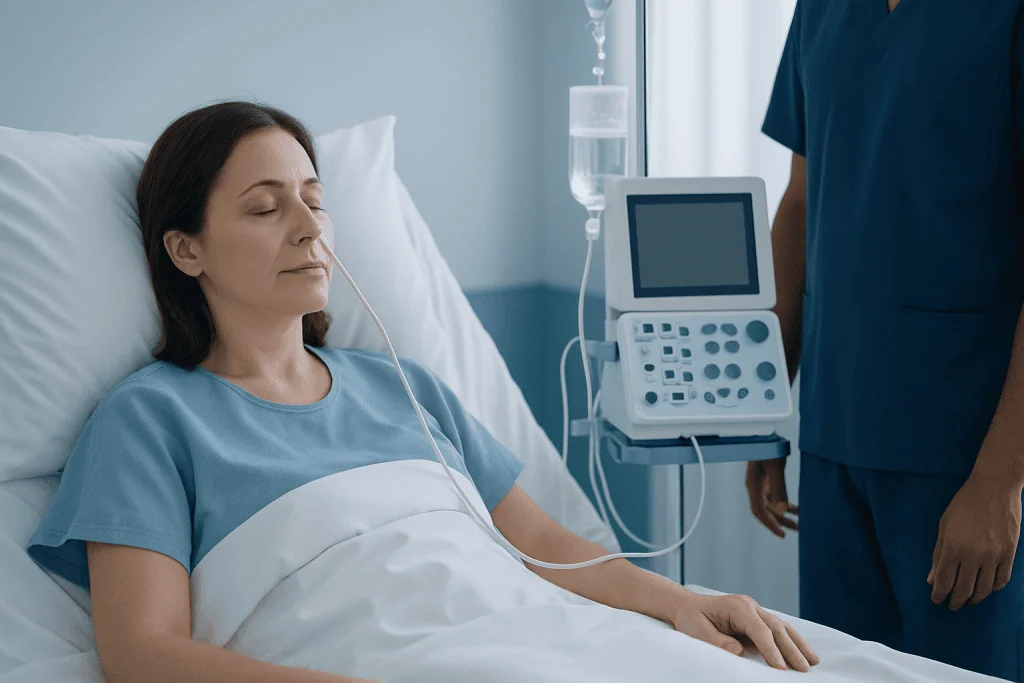
An NG tube may be considered when a person cannot safely eat or drink enough for a short period. Common reasons include swallowing difficulties after illness or surgery, reduced alertness, severe weakness, certain neurological conditions, or temporary recovery from injury. It may also support people who need nutritional treatment while the cause of poor intake is being assessed.
For drainage, an NG tube can be used during or after some operations, or in selected digestive conditions causing persistent vomiting, blockage symptoms or marked stomach distension. The clinical team determines whether drainage is appropriate based on the person’s diagnosis, examination and imaging results.
NG feeding is generally intended for short-term support. If tube feeding is expected to be needed for a longer period, clinicians may discuss other options, such as a feeding tube placed directly into the stomach. A dietitian, speech and language therapist, gastroenterologist, surgeon and nursing team may all contribute to an individualized care plan.
The decision is based on expected benefit, medical stability, swallowing safety, digestive function, preferences and goals of care. Consent is sought whenever possible, and the clinician should explain why the tube is needed, what the procedure involves and what alternatives may be available.
What Are Two Contraindications for Inserting a Nasogastric Tube?

Two important contraindications or major reasons to avoid routine blind nasogastric tube insertion are a suspected fracture at the base of the skull and significant facial trauma affecting the nose or midface. In these situations, passing a tube through the nose may carry a risk of entering an abnormal pathway or worsening injury. Specialist assessment and an alternative route may be needed.
Other circumstances require careful assessment rather than automatic placement. These include recent nasal, sinus, esophageal or upper gastrointestinal surgery; known narrowing or obstruction of the esophagus; esophageal varices; severe bleeding disorders; and major swallowing or airway problems. The urgency of treatment and the individual’s condition guide decision-making.
For some people, an oral gastric tube, placement under direct visualization, radiological guidance or another feeding method may be safer. A clinician should not attempt an NG tube procedure without considering the person’s history, examination findings and local safety protocols.
How the Nasogastric Tube Procedure Is Performed
Before insertion, the clinician confirms the indication, checks for relevant risks and explains what the person may feel. They usually ask the person to sit upright if their condition allows. The nose is examined to select the clearer nostril, and the required tube length is estimated using recognized measurement landmarks. Lubricant may be applied to help the tube pass more comfortably.
The tube is gently advanced through the nostril toward the throat. If the person can swallow safely, they may be asked to take small sips of water and swallow as the tube is advanced. Swallowing helps guide the tube into the esophagus and stomach. The person is encouraged to signal if they need a pause, feel severe distress or have difficulty breathing.
Once the tube reaches the estimated depth, it is secured to the nose or cheek. It is not used immediately for feeding, fluid, medicines or drainage until correct position has been verified. The process may be paused or stopped if there is persistent coughing, breathing difficulty, cyanosis, unusual resistance, bleeding or marked discomfort.
After confirmation, the care team records the tube type, insertion depth, verification method and external marking. Regular checks help detect movement. The tube should be handled only as instructed by the clinical team, especially in people at risk of pulling it out unintentionally.
What Are the Guidelines for Placing a Nasogastric Tube?
Guidelines for placing a nasogastric tube vary by country and healthcare organization, but their central principle is consistent: placement must be confirmed before the tube is used. Evidence based practice nasogastric tube placement includes assessment of contraindications, careful insertion by trained staff, measurement and documentation of external tube length, and prompt action if position is uncertain.
The best evidence nasogastric tube placement verification approaches do not rely on listening for injected air over the stomach. This “whoosh test” is not reliable enough to distinguish stomach placement from placement in the respiratory tract. Similarly, the absence of coughing or respiratory distress does not prove that the tube is safely in the stomach.
For initial confirmation, X-ray is widely regarded as the reference method when a tube is intended for feeding or when other checks are inconclusive, depending on local policy. Some protocols allow pH testing of aspirated tube fluid when an appropriate sample can be obtained and the result meets the organization’s approved safety threshold. A tube with an uncertain result should not be used until further assessment confirms its position.
NG tube evidence based practice also requires checking the tube before each use, after vomiting or coughing episodes, after movement or transfer, and whenever the external tube length appears different. Staff should follow their institution’s written policy, as verification procedures and responsibilities may differ between settings.
Benefits, Risks and Recovery Timeline
The main benefit of an NG tube is that it can provide a temporary route for nutrition, hydration and prescribed medicines when oral intake is unsafe or inadequate. For decompression, it can reduce nausea, vomiting and abdominal pressure by removing stomach contents. These effects can support recovery while the underlying health issue is treated.
Common short-term effects include watery eyes during insertion, gagging, throat irritation, a blocked-nose sensation, nasal soreness and mild discomfort when swallowing. These often improve after placement, although some people remain aware of the tube. Mouth care, lip moisturizer and regular nursing support can improve comfort.
More significant risks include nosebleeds, sinus irritation, reflux, vomiting, tube blockage, accidental removal and aspiration of stomach contents into the lungs. The most serious risk is a tube entering the airway and being used before this is recognized. This is why evidence based practice NG tube placement emphasizes formal position verification and repeated safety checks.
There is no single recovery timeline because the tube is removed when it is no longer clinically needed. Some people need it for a few days, while others require support for weeks. After removal, mild throat or nasal irritation generally settles quickly. The healthcare team reviews feeding, swallowing and hydration needs before returning to normal oral intake.
How Long Should an NG Tube Be Inserted?
An NG tube is usually used for short-term treatment, often days to several weeks, but the exact duration depends on the reason for placement and the person’s progress. There is no fixed number of days that is right for everyone. The tube should remain in place only while its benefits outweigh its discomforts and risks.
Clinicians review the need for the tube regularly. They assess whether the person can safely swallow, meet nutritional and fluid requirements by mouth, tolerate feeding, and manage any underlying illness. If nutrition support is expected to continue beyond the short term, the team may discuss a more suitable long-term enteral feeding option.
Tube materials and manufacturer instructions also matter. Some tubes are designed for a limited duration, and facilities have policies for monitoring, replacement and removal. People and caregivers should not remove, reinsert or reposition an NG tube at home unless they have received specific training and clear instructions from their care team.
How to Explain NGT Procedure to Patient?
A simple explanation can help reduce uncertainty: “A thin, soft tube will go through the nose, down the throat and into the stomach. It will help provide nutrition, fluid or medication, or it may drain the stomach while the body recovers. You may feel pressure, watering of the eyes or a gagging feeling for a short time, but the team will guide you and can pause if needed.”
The person should also be told that they will be positioned upright where possible and may be asked to swallow during insertion. They should let the clinician know immediately if they cannot breathe comfortably, have severe pain, feel faint or need the procedure to stop. Good communication is particularly important for people with hearing, language, cognitive or anxiety-related needs.
Before the tube is used, the clinician should explain that its position will be checked using an approved method. This safety step may include testing fluid from the tube or obtaining an X-ray, according to the clinical situation and local policy. Asking questions is encouraged, and a family member or support person may be included when appropriate.
When to Seek Medical Care
A person with an NG tube should notify the healthcare team promptly about new or worsening breathing difficulty, choking, persistent coughing, chest discomfort, severe throat or abdominal pain, repeated vomiting, significant nosebleeds, fever, or an unusual change in alertness. These symptoms do not always indicate a serious problem, but they require assessment before the tube is used again.
Medical advice is also needed if the tube appears to have moved, the external marking changes, the tube falls out, feeding will not flow, or there is leakage around the tube. Feeding or medication should be stopped if tube position is uncertain until a qualified clinician has checked it.
For people receiving care at home, emergency services should be contacted for severe breathing difficulty, blue or gray lips, collapse, severe chest pain or signs of a severe allergic reaction. Acibadem International’s multidisciplinary specialists and JCI-accredited hospitals can assess nutrition, swallowing and digestive needs for international patients when NG tube care is part of a broader treatment plan.
Frequently asked questions
Is a nasogastric tube procedure painful?
Insertion is usually uncomfortable rather than painful. A person may experience watering eyes, gagging, pressure in the nose and throat irritation as the tube passes. The clinician can pause, offer reassurance and use comfort measures where appropriate.
How is NG tube placement confirmed?
The tube must be checked before it is used for feeding, medicines or fluid. Depending on the setting and clinical circumstances, confirmation may involve an approved pH test of aspirated tube fluid or an X-ray. Listening for air injected through the tube is not considered a reliable confirmation method.
Can a person talk with an NG tube in place?
Most people can speak after the tube is in place, although the throat may initially feel irritated and the voice may sound slightly different. Talking may be uncomfortable for a short time but should not cause severe pain. New breathing problems, persistent coughing or marked discomfort should be reported promptly.
Can a person eat or drink with an NG tube?
This depends on why the tube was inserted and whether swallowing is safe. Some people may be allowed to eat or drink normally or in modified ways, while others may need to avoid oral intake temporarily. The treating team, often including a swallowing specialist or dietitian, provides individualized guidance.
What happens if an NG tube comes out?
The tube should not be pushed back in or used if it has moved or come out. The person should notify their healthcare team, who will decide whether it needs replacement and will verify placement before any use. If the tube is essential for nutrition, medication or drainage, prompt contact with the care provider is important.
Why might an NG tube be used for drainage instead of feeding?
An NG tube can remove stomach fluid and air when the stomach or bowel needs decompression. This may help reduce vomiting, nausea and abdominal swelling in selected medical or surgical situations. The team monitors drainage, hydration and electrolyte balance while treating the underlying cause.
References
- National Institute for Health and Care Excellence
- NHS England
- American Society for Parenteral and Enteral Nutrition
- European Society for Clinical Nutrition and Metabolism
- Royal College of Nursing
This article is for general information only and is not a substitute for professional medical advice. Please consult a qualified doctor about your individual situation.
Persistent digestive symptoms? Get evaluated in Turkey
JCI-accredited · board-certified surgeons · reply within 24h
Add us as a Preferred Source to see more of our trusted health content across Google Search, AI Overviews and Discover.