Estrogen Replacement and Weight Loss: Procedure, Recovery and Results

Estrogen therapy is not prescribed as a weight-loss treatment. Menopause can shift fat storage toward the abdomen, but it does not make weight loss impossible.
Key Takeaways
- Estrogen therapy is not prescribed as a weight-loss treatment.
- Menopause can shift fat storage toward the abdomen, but it does not make weight loss impossible.
- The best hormone therapy plan depends on symptoms, medical history, uterus status and individual risks.
- Weight-loss surgery is a separate treatment pathway for selected people with obesity and related health conditions.
- New, unexpected or rapid weight change should be assessed by a qualified clinician.
Estrogen replacement is used primarily to treat bothersome menopausal symptoms and protect bone health in selected patients; it is not a weight-loss procedure. Weight changes around menopause are common and are influenced by aging, body composition, sleep, activity, diet, medicines and health conditions as well as hormonal changes.
Overview: estrogen replacement and weight loss
Estrogen replacement and weight loss are often discussed together because many people notice body-weight or body-shape changes during perimenopause and menopause. Estrogen therapy, also called menopausal hormone therapy, can effectively relieve symptoms such as hot flashes, night sweats and vaginal dryness for appropriate patients, but it is not designed or approved as a weight-loss treatment.
Research does not show that properly prescribed estrogen replacement consistently causes major weight loss or major weight gain. However, falling estrogen levels may contribute to a shift in fat distribution toward the abdomen. At the same time, age-related loss of muscle, reduced activity, sleep disruption, stress, dietary changes and some medical conditions can make weight management more challenging.
A useful approach is to separate two goals: treating menopause symptoms safely and creating an individualized plan for weight and metabolic health. A clinician can review whether hormone therapy is suitable while also checking for contributors to weight change, including thyroid disease, diabetes, medication effects and sleep problems.
How estrogen therapy works and who may be a candidate
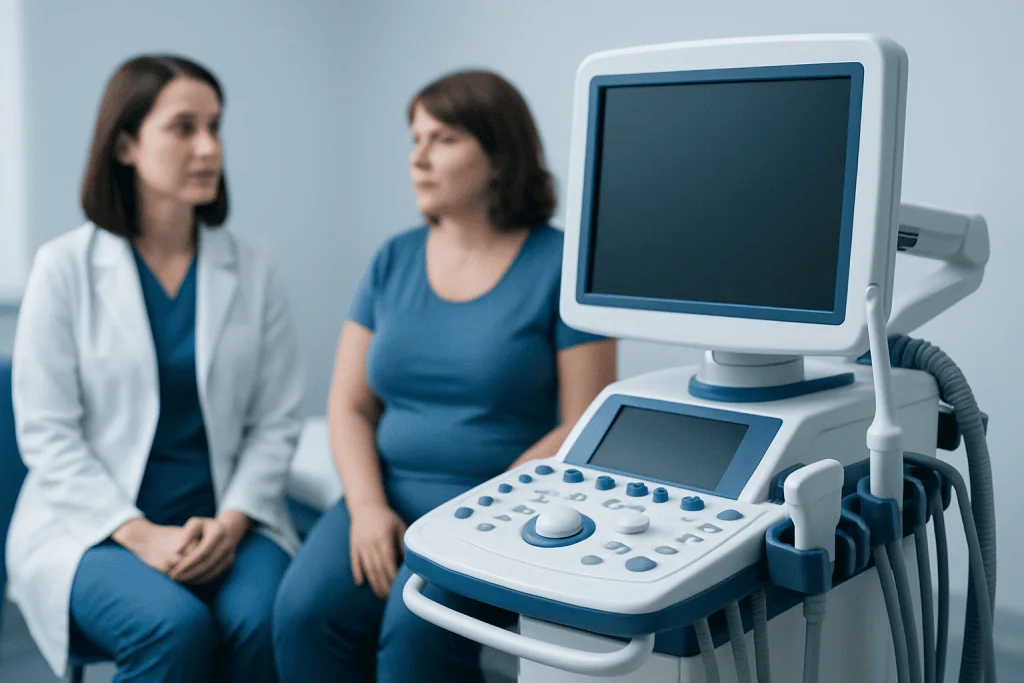
During the menopausal transition, the ovaries produce less estrogen. Systemic estrogen therapy raises estrogen levels enough to reduce moderate to severe vasomotor symptoms, including hot flashes and night sweats. It can be given as tablets, skin patches, gels, sprays or other formulations. Local vaginal estrogen works mainly in vaginal and urinary tissues and is not intended to manage whole-body menopausal symptoms or weight.
For people who still have a uterus, systemic estrogen is generally combined with a progestogen to protect the uterine lining. Estrogen alone may be an option after hysterectomy. The most suitable preparation, route and duration depend on symptoms, age, time since menopause, personal preferences and medical history.
Hormone therapy may be considered for people with troublesome menopausal symptoms after an individual risk assessment. It may not be appropriate for everyone, particularly those with certain estrogen-sensitive cancers, unexplained vaginal bleeding, active or prior blood clots, stroke, serious liver disease or particular cardiovascular risks. A menopause specialist, gynecologist or primary-care clinician can help make an informed decision.
Is it hard to lose weight on estrogen?

It is not inherently hard to lose weight on estrogen. Estrogen therapy does not prevent weight loss when energy intake, physical activity, sleep and underlying health factors are addressed. Some people may experience temporary fluid retention, breast tenderness or bloating when beginning or changing treatment, which can affect the scale without representing a meaningful increase in body fat.
After menopause, weight management may feel different because muscle mass naturally declines with age unless it is maintained. Less muscle can lower daily energy use, while reduced estrogen can influence where fat is stored. Resistance exercise, regular aerobic activity, protein-rich balanced meals, adequate fiber and consistent sleep can help preserve muscle and support long-term health.
Weight change should not be attributed to hormones alone. A clinician may consider thyroid function, blood glucose, lipid levels, sleep apnea, mood symptoms and medicines that can affect appetite or weight. For people concerned about central weight gain and metabolic health, gradual, sustainable change is usually safer and more effective than restrictive dieting.
The estrogen replacement procedure: steps, recovery, benefits and risks
Starting estrogen therapy is usually an outpatient clinical process rather than a surgical procedure. The first step is a consultation covering menopausal symptoms, menstrual history, past illnesses, family history, current medicines and individual goals. The clinician may measure blood pressure and weight, review routine preventive screening and arrange tests when symptoms or history suggest another condition needs evaluation.
If hormone therapy is appropriate, the clinician selects a formulation and dose designed to control symptoms using the lowest effective amount for the individual. A patch, gel or spray is applied as directed to the skin; oral medication is taken by mouth. People with a uterus are usually prescribed endometrial protection with a progestogen. Follow-up commonly reviews symptom relief, side effects, bleeding patterns and whether the treatment plan remains appropriate.
There is no conventional recovery period, and many people continue usual activities immediately. Symptom improvement may begin within weeks, although treatment adjustments can take time. Possible side effects include breast tenderness, headache, nausea, bloating, mood changes or irregular bleeding, particularly early in treatment. Systemic therapy also has important but uncommon risks that vary by formulation and individual history, including blood clots, stroke and effects on breast cancer risk; these should be discussed clearly before treatment begins.
The expected benefit is relief of menopause symptoms, not a predictable amount of weight loss. If weight management is a central concern, care may include nutritional counseling, activity planning, treatment of related medical conditions and, for selected patients, referral to a specialist obesity service.
Weight-loss surgery: candidacy, revision and expected timing
Metabolic and bariatric surgery is different from estrogen replacement. It may be considered for selected adults with obesity when comprehensive lifestyle treatment has not provided sufficient benefit, especially when obesity-related conditions such as type 2 diabetes, high blood pressure, sleep apnea or fatty liver disease are present. Assessment involves a multidisciplinary team and considers medical history, eating patterns, mental wellbeing, nutritional readiness and commitment to lifelong follow-up.
Common procedures include sleeve gastrectomy and gastric bypass. Each changes the digestive system in a different way, and each requires permanent nutrition, supplement and monitoring plans. A revision procedure may be considered when there is substantial weight regain, inadequate response, severe reflux after sleeve gastrectomy or another procedure-related concern, but it requires careful investigation and is not suitable for every person.
People exploring surgical options benefit from a detailed consultation about weight loss surgery, including expected benefits, limitations, nutritional requirements and possible complications. Hormone status can be part of overall health assessment, but estrogen replacement does not replace the nutritional and behavioral follow-up needed after bariatric treatment.
How much weight do you lose with revision from sleeve to bypass?
Weight loss after revision from sleeve gastrectomy to gastric bypass varies widely, so no single amount can be predicted accurately. Results depend on the reason for revision, the person’s starting weight, anatomy, metabolic health, eating patterns, physical activity, medicines and quality of long-term follow-up. Revision surgery is generally more complex than a first bariatric procedure.
A conversion to gastric bypass may help some people achieve additional weight loss and may be particularly useful when significant reflux is present after sleeve gastrectomy. However, it should not be viewed as an automatic solution for weight regain. The bariatric team first evaluates possible anatomical, nutritional, behavioral and medical contributors, then discusses whether surgical, endoscopic, medication-based or non-surgical support is most appropriate.
Before and after revision, regular laboratory monitoring and lifelong vitamin and mineral supplementation are essential. A registered dietitian and bariatric clinician can help patients set realistic, health-focused goals rather than relying on a predicted number on the scale.
What can you never eat again after gastric bypass?
After gastric bypass, there is usually no universal list of foods that every person must permanently avoid. Instead, patients learn to avoid or strictly limit foods and drinks that are poorly tolerated, low in nutritional value or likely to trigger symptoms. Tolerance differs between individuals and can change over time.
Many teams advise avoiding carbonated drinks, frequent alcohol use, sugary drinks and large amounts of foods high in added sugar or fat. These can cause discomfort, undermine nutrition goals or trigger dumping syndrome, which may cause sweating, cramping, diarrhea, dizziness or palpitations after eating. Very dry, fibrous or tough foods may need to be introduced cautiously and chewed thoroughly.
The long-term eating plan prioritizes small meals, adequate protein, hydration between meals and prescribed supplements. Patients should follow their own bariatric team’s stages for advancing food texture after surgery, as early recovery recommendations are more restrictive than the long-term diet. Regular follow-up is important to identify nutrient deficiencies and address foods that cause persistent symptoms.
How long after weight loss surgery do you lose weight?
Most weight loss after bariatric surgery occurs during the first 12 to 18 months, though the pace is usually fastest in the early months. Weight loss commonly slows over time and may level off as the body reaches a new stable range. Some fluctuation is normal, and long-term success is measured by health, function and sustained habits as well as weight.
Follow-up continues long after the period of rapid loss. It supports protein intake, hydration, vitamin and mineral replacement, physical activity, emotional adjustment and early treatment of problems such as vomiting, reflux, low blood sugar symptoms or weight regain. Pregnancy planning should also be discussed with the bariatric team because timing and nutritional monitoring are important.
Whether a person uses hormone therapy, weight-management medication or bariatric surgery, a coordinated plan can improve safety. Acibadem International’s multidisciplinary specialists and JCI-accredited hospitals support international patients requiring assessment and treatment for menopause-related concerns and obesity care.
When to seek medical care
Medical advice is appropriate for new or troubling menopausal symptoms, persistent unexplained weight gain or loss, or concerns about whether hormone therapy is safe. People taking estrogen should contact a clinician promptly for unexpected vaginal bleeding, particularly after menopause, as this requires assessment. Any treatment change should be discussed with the prescribing clinician rather than stopped or started solely for weight control.
Urgent medical attention is needed for symptoms that could indicate a serious complication, such as chest pain, sudden shortness of breath, coughing blood, fainting, one-sided leg swelling or pain, sudden severe headache, weakness on one side of the body, or new trouble speaking or seeing. These symptoms need immediate evaluation regardless of whether hormone therapy is being used.
After bariatric surgery, patients should seek timely care for ongoing vomiting, inability to drink fluids, severe or worsening abdominal pain, fever, black stools, signs of dehydration or symptoms of nutritional deficiency. Scheduled lifelong follow-up remains an essential part of safe bariatric care.
Frequently asked questions
Can estrogen replacement help with weight loss?
Estrogen replacement is not a weight-loss medication and should not be prescribed solely to reduce body weight. It may improve hot flashes and sleep disruption for suitable patients, which can indirectly support healthy routines. Weight management usually requires an individualized approach to food intake, activity, sleep, stress and medical contributors.
Does hormone replacement therapy cause weight gain?
Hormone therapy is not consistently shown to cause major fat gain. Some people notice temporary bloating or fluid retention when treatment starts, while menopause itself and aging can change body composition. Persistent or rapid weight change should be reviewed with a clinician.
Which estrogen therapy is best for menopausal symptoms?
There is no single best option for everyone. The choice between a patch, gel, spray, tablet or local treatment depends on symptoms, medical history, uterus status, preferences and individual risks. A qualified clinician can explain the expected benefits and safety considerations of each option.
Can people take estrogen after gastric bypass surgery?
Some people can use estrogen after gastric bypass, but the best route and formulation should be decided with their clinician. Bariatric surgery can affect absorption of certain oral medicines, and individual clotting and cardiovascular risks also matter. The bariatric and menopause care teams should know about all medicines and supplements.
Will gastric bypass cure obesity permanently?
Gastric bypass can produce substantial, durable weight loss and improve obesity-related conditions for many people, but it is not a cure that removes the need for lifelong care. Nutrition, supplements, activity, regular monitoring and behavioral support remain important. Weight regain can occur and should be addressed early and without blame.
Should menopausal weight gain be checked by a doctor?
Yes, particularly if weight gain is sudden, substantial or accompanied by fatigue, palpitations, changes in bowel habits, swelling, mood changes or menstrual abnormalities. A clinician can assess menopause-related changes and rule out other possible causes, such as thyroid disease, medication effects or metabolic conditions.
References
- The North American Menopause Society
- American College of Obstetricians and Gynecologists
- National Institute of Diabetes and Digestive and Kidney Diseases
- American Society for Metabolic and Bariatric Surgery
- World Health Organization
This article is for general information only and is not a substitute for professional medical advice. Please consult a qualified doctor about your individual situation.
Medical weight-loss options in Turkey — costs & eligibility
JCI-accredited · board-certified surgeons · reply within 24h
Add us as a Preferred Source to see more of our trusted health content across Google Search, AI Overviews and Discover.
Check your numbers in seconds
BMI, calories, due date, blood pressure and 30+ more clinical calculators — free, instant, doctor-reviewed ranges.