Can You Do Sentinel Lymph Node Biopsy after Radiation: Procedure, Recovery and Results

Sentinel lymph node biopsy after radiation is possible for selected patients, but success depends on the body area treated, the radiation field and previous surgery. Special dye and/or radioactive tracer mapping helps identify the first lymph node or nodes most likely to receive cancer cells.
Key Takeaways
- Sentinel lymph node biopsy after radiation is possible for selected patients, but success depends on the body area treated, the radiation field and previous surgery.
- Special dye and/or radioactive tracer mapping helps identify the first lymph node or nodes most likely to receive cancer cells.
- A negative sentinel node result can help avoid more extensive lymph node surgery in appropriate situations.
- Recovery is usually faster than with a full lymph node dissection, although swelling, numbness and infection are possible.
- If cancer is found in a sentinel node, further treatment is individualized and may include surgery, radiation and/or systemic therapy.
Sentinel lymph node biopsy may still be possible after radiation therapy, although prior treatment can change lymphatic drainage and make mapping less reliable in some people. A cancer surgeon and multidisciplinary team use imaging, previous treatment records and the current cancer situation to decide whether it is appropriate.
Can You Do Sentinel Lymph Node Biopsy After Radiation?
Yes, sentinel lymph node biopsy can often be done after radiation therapy, but it is not suitable or equally reliable for every person. Radiation can cause scarring and alter the normal pathways through which lymph fluid travels, so the sentinel node may be harder to identify or may be located in an unexpected area.
The decision is made individually by a cancer surgeon, radiation oncologist, radiologist and pathologist. They consider the type and location of cancer, whether lymph nodes were previously removed, the area and dose of prior radiation, imaging findings and whether the biopsy result would change treatment.
Sentinel lymph node biopsy is most commonly discussed in breast cancer and melanoma, but may be used for other cancers in selected circumstances. When it is being considered after previous cancer treatment, the procedure may be described as repeat or reoperative sentinel lymph node biopsy.
How Sentinel Lymph Node Biopsy Works
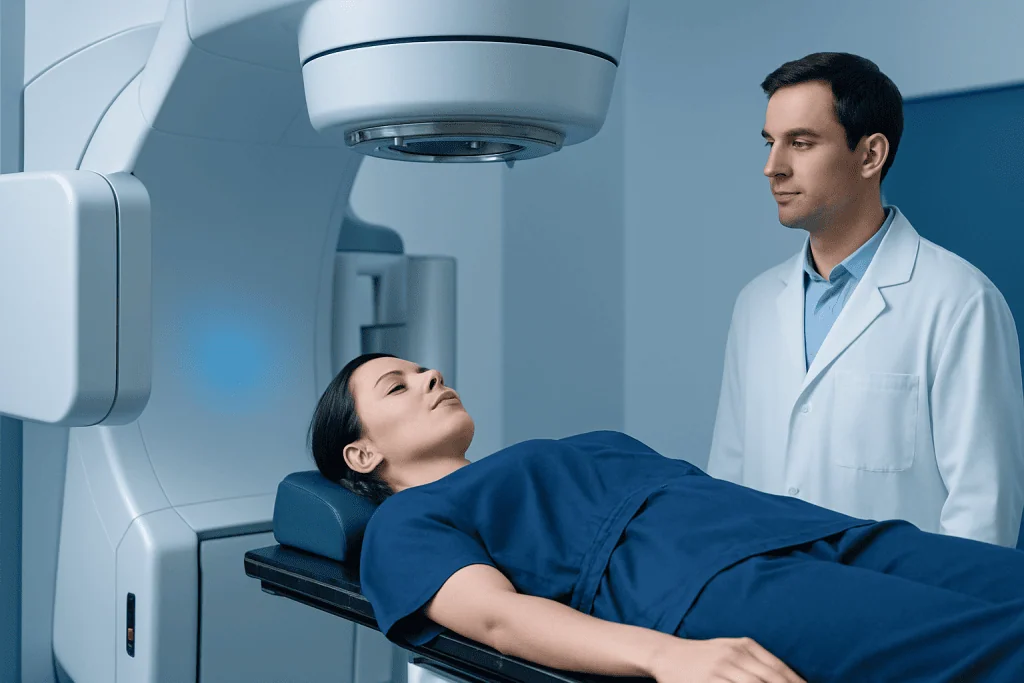
The lymphatic system is a network of vessels and lymph nodes that helps manage fluid and supports immune function. Cancer cells can sometimes travel through lymphatic channels. A sentinel lymph node is the first node, or first small group of nodes, that receives drainage from a tumor area.
During a sentinel lymph node biopsy, the surgical team injects a tracer near the tumor, scar or relevant tissue. The tracer may be a radioactive substance, a blue dye, a fluorescent dye, or a combination. It travels through lymphatic channels and helps the surgeon locate the sentinel node during surgery.
The identified node or nodes are removed through a small incision and examined by a pathologist. If no cancer is found, this result may indicate that more extensive lymph node surgery is unlikely to be needed. After radiation, preoperative lymphatic mapping is particularly valuable because drainage may no longer follow its usual route.
In appropriate cases, sentinel lymph node biopsy can provide important staging information while removing fewer nodes than a full lymph node dissection.
Candidacy After Radiation and Procedure Steps

Prior radiation does not automatically rule out sentinel node biopsy. It may be considered when there is a new cancer, a local recurrence or a need to assess regional lymph nodes after earlier treatment. However, prior removal of nodes, extensive surgery, severe tissue scarring, active infection or a known high burden of nodal disease may make another approach more appropriate.
Before surgery, the team reviews pathology reports, prior operation notes and radiation treatment records. Ultrasound, mammography, MRI, PET/CT or other imaging may be used when clinically appropriate. If a lymph node looks suspicious, a needle biopsy may be recommended first because it can directly confirm whether cancer is present.
On the day of surgery, tracer injection and imaging may occur a few hours beforehand or the day before. Under local anesthesia with sedation or general anesthesia, depending on the setting, the surgeon makes a small incision and uses a probe and/or visual dye guidance to locate and remove the mapped node or nodes. The procedure is commonly outpatient, though the overall plan depends on whether other surgery is performed at the same time.
Sometimes no sentinel node can be reliably identified after prior radiation or surgery. This is called mapping failure. The surgeon will discuss in advance how this possibility would be handled, which may include observation, targeted removal of an abnormal node, further imaging or a more extensive node procedure when justified.
Recovery Timeline, Benefits and Possible Risks
Recovery from sentinel node biopsy is generally shorter and less disruptive than recovery from removal of many lymph nodes. Most people return home the same day. Mild soreness, bruising, tightness and fatigue are common for several days, and the incision often becomes more comfortable over one to two weeks.
Healing time can be longer when biopsy is combined with breast, skin or other cancer surgery, or when the same area has previously received radiation. Radiation-related skin changes and scar tissue can affect comfort and wound healing, so postoperative instructions should be followed closely.
The main benefit is more precise cancer staging with less tissue removal than a full lymph node dissection. Potential risks include bleeding, infection, fluid collection, numbness, temporary skin discoloration from dye, allergic reaction to tracer, limited shoulder or limb movement, and lymphedema. Lymphedema is less common after sentinel biopsy than after extensive node removal, but prior radiation can increase the overall risk.
- Keep the incision clean and follow the surgeon’s wound-care advice.
- Use prescribed or recommended pain relief as directed.
- Gradually resume normal activity, avoiding heavy lifting until cleared.
- Report increasing swelling, redness, drainage, fever or worsening pain.
What Happens if Cancer Is Found in the Sentinel Lymph Node?
If cancer is found in a sentinel lymph node, the result helps the team determine the stage and plan further care. The next step is not always removal of all nearby lymph nodes. Management depends on the cancer type, number and size of involved nodes, tumor biology, imaging, planned surgery and whether radiation has already been given.
Possible options include additional surgery, regional radiation in selected situations, chemotherapy, hormone therapy, targeted therapy, immunotherapy or a combination of treatments. For some people, close monitoring or treatment directed at the original tumor and known nodes may be appropriate. The purpose is to manage cancer effectively while limiting avoidable side effects.
Pathology may show isolated tumor cells, micrometastases or larger deposits of cancer, and these findings do not all carry the same implications. A medical oncologist and radiation oncologist can explain what the report means in the context of the individual diagnosis. Related discussions may include breast cancer staging and treatment planning when the biopsy is performed for breast cancer.
Do Lymph Nodes Recover After Radiation?
Lymph nodes and lymphatic vessels may partly adapt after radiation, but they do not always return to their previous structure or function. Radiation can lead to inflammation and fibrosis, which means stiffening or scarring of tissue. These changes can reduce lymph drainage and can also redirect fluid toward different lymph node groups.
The body may develop alternate lymphatic pathways over time, which is one reason a sentinel node may still be identified after radiation. However, the location of drainage can be less predictable, and mapping success varies from person to person. This is why specialized tracer mapping and careful interpretation are important.
People who have had radiation should watch for persistent limb, breast, chest wall, groin or genital swelling; heaviness; tightness; or reduced movement, depending on the treated area. These symptoms may suggest lymphedema or another complication and should be assessed early. A clinician may recommend rehabilitation, skin care guidance, compression or referral to a lymphedema specialist when needed.
How Long Does It Take for a Sentinel Node Biopsy to Heal?
For an uncomplicated sentinel node biopsy, the skin incision commonly heals within about one to two weeks. Tenderness, pulling sensations, numbness or mild swelling can last longer, sometimes several weeks. The exact pace varies with the biopsy site, the number of nodes removed, overall health and whether additional surgery or prior radiation affects the tissues.
Many people can do light daily activities within a few days, but the surgeon may advise avoiding strenuous exercise, swimming or lifting until the wound has adequately healed. Gentle range-of-motion exercises may be recommended, particularly after an underarm biopsy, to prevent stiffness.
Follow-up is usually arranged to check wound healing and discuss the pathology result. Contact the care team sooner if the incision opens, produces pus, becomes increasingly red or painful, or if there is a fever, rapidly growing swelling or shortness of breath. These symptoms need prompt medical assessment, even though serious complications are uncommon.
Is a Lymph Node Biopsy a Big Deal? When to Seek Medical Care
A lymph node biopsy is a meaningful medical procedure because its findings can affect cancer staging and treatment decisions, but sentinel node biopsy is usually less extensive than a full lymph node dissection. It is commonly performed as a planned, same-day operation and is well tolerated by many people. The care team should explain the purpose of the biopsy, anesthesia plan, alternatives and possible risks before consent is given.
Medical advice should be sought promptly for a new or enlarging lump, unexplained persistent swelling near a previously treated cancer area, changes in the skin, or symptoms that raise concern for recurrence. After biopsy, urgent assessment is appropriate for fever, spreading redness, severe pain, persistent bleeding, drainage from the incision, sudden arm or leg swelling, chest pain or breathing difficulty.
People considering a repeat procedure after radiation benefit from assessment at a center experienced in surgical oncology, pathology, radiology and radiation oncology. Acibadem International’s multidisciplinary specialists and JCI-accredited hospitals assess and treat cancer-related lymph node concerns for international patients, with care plans based on the individual diagnosis and prior treatment history.
Frequently asked questions
Can you do sentinel lymph node biopsy after radiation?
Yes, it may be possible after radiation, especially when the result will help guide treatment for a new cancer or recurrence. Prior radiation can change lymphatic drainage and reduce the chance of successful mapping in some cases, so suitability should be assessed by an experienced cancer team.
What happens if cancer is found in the sentinel lymph node?
The pathology result is used to guide staging and further treatment planning. Depending on the cancer type and extent of nodal involvement, options may include additional surgery, radiation, systemic therapy or careful surveillance; not everyone needs a complete lymph node dissection.
Do lymph nodes recover after radiation?
Radiated lymph nodes and vessels may partly adapt, but they may not return completely to their previous function. Scar tissue can alter lymph flow and increase the risk of swelling, although new or alternate drainage pathways can sometimes develop over time.
How long does it take for a sentinel node biopsy to heal?
The incision usually heals in around one to two weeks, while mild soreness, tightness or numbness can continue for several weeks. Healing may take longer if the area has been irradiated or if the biopsy is combined with another operation.
Is a lymph node biopsy a big deal?
It is an important procedure because it can influence diagnosis, staging and treatment, but a sentinel node biopsy is usually a relatively limited operation. It generally removes only one or a few nodes and often has a shorter recovery than a full lymph node dissection.
Does prior radiation increase lymphedema risk after sentinel node biopsy?
Prior radiation can contribute to lymphatic scarring and may increase the overall risk of lymphedema. Sentinel biopsy usually carries a lower risk than extensive node removal, but new or persistent swelling should be discussed with the healthcare team.
References
- National Cancer Institute
- American Cancer Society
- National Comprehensive Cancer Network
- American Society of Clinical Oncology
- Society of Surgical Oncology
This article is for general information only and is not a substitute for professional medical advice. Please consult a qualified doctor about your individual situation.
Oncology care in Turkey — second opinion and treatment plan
JCI-accredited · board-certified surgeons · reply within 24h
Add us as a Preferred Source to see more of our trusted health content across Google Search, AI Overviews and Discover.

More from the Health Library



Related Specialists

Assoc. Prof. Dr. Seher Tanrıkulu
Endocrinology
Dr. Oya Uğurlubilek
Inpatient Clinic Physicians
Dr. Caner Ünlüer
Neurosurgery
Assoc. Prof. Dr. Talat Cem Ovalıoğlu
Neurosurgery