External Beam Radiation Therapy for Prostate Cancer: How It Works, Results and What to Expect
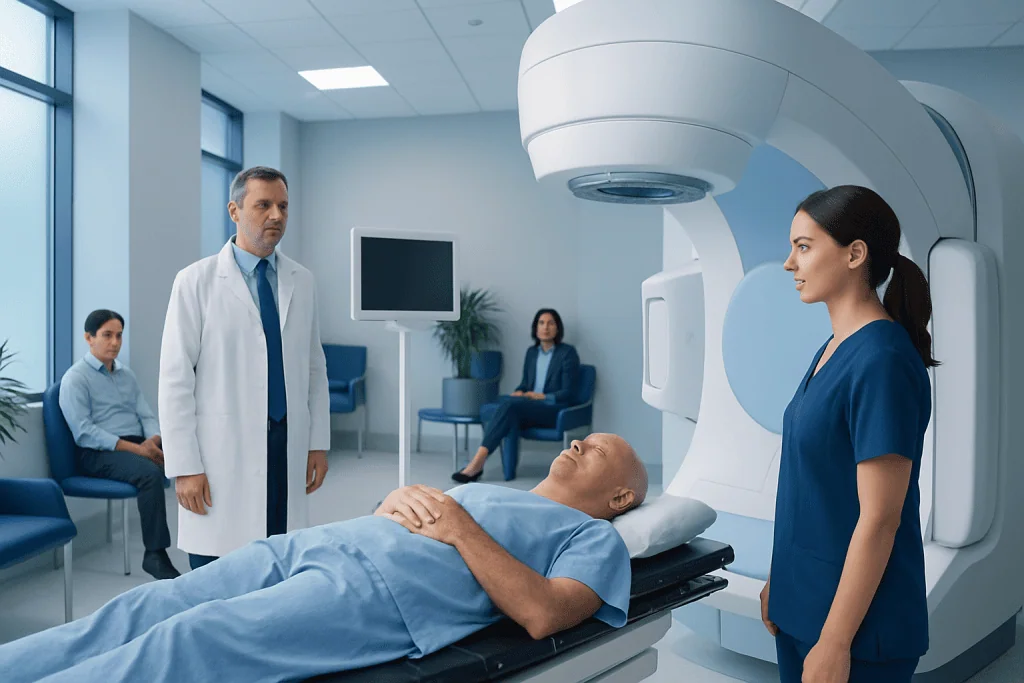
External beam radiation therapy is a common non-surgical treatment for prostate cancer. Treatment is painless during delivery and is usually given as outpatient care over several sessions.
Key Takeaways
- External beam radiation therapy is a common non-surgical treatment for prostate cancer.
- Treatment is painless during delivery and is usually given as outpatient care over several sessions.
- Modern image-guided techniques help focus radiation on the prostate and reduce exposure to the bladder and rectum.
- PSA blood tests are the main way clinicians monitor response after radiation treatment.
- Side effects commonly affect urination, bowel habits and sexual function, but many improve after treatment ends.
External beam radiation therapy for prostate cancer delivers carefully planned radiation from outside the body to destroy cancer cells while limiting exposure to nearby healthy tissues. It may be used as a curative treatment for localized disease, combined with hormone therapy for higher-risk cancer, or used to control symptoms when cancer has spread.
Overview: how external beam radiation therapy treats prostate cancer
External beam radiation therapy for prostate cancer is a treatment that directs high-energy radiation beams at the prostate from a machine outside the body. The radiation damages the DNA of cancer cells, making it difficult for them to continue dividing. Cancer cells then gradually die over time, while nearby healthy cells are better able to repair themselves.
It is a well-established option for many people with localized or locally advanced prostate cancer. Depending on the cancer stage, grade, prostate-specific antigen (PSA) level, general health and personal preferences, it may be used alone or alongside hormone therapy. It can also be used after surgery in selected circumstances or to relieve symptoms caused by cancer that has spread.
Radiation therapy is planned by a multidisciplinary team that may include a radiation oncologist, urologist, medical oncologist, radiologist, medical physicist and specialist radiotherapy staff. For a broader discussion of the disease, patients may find prostate cancer information helpful.
Who may be a candidate for treatment
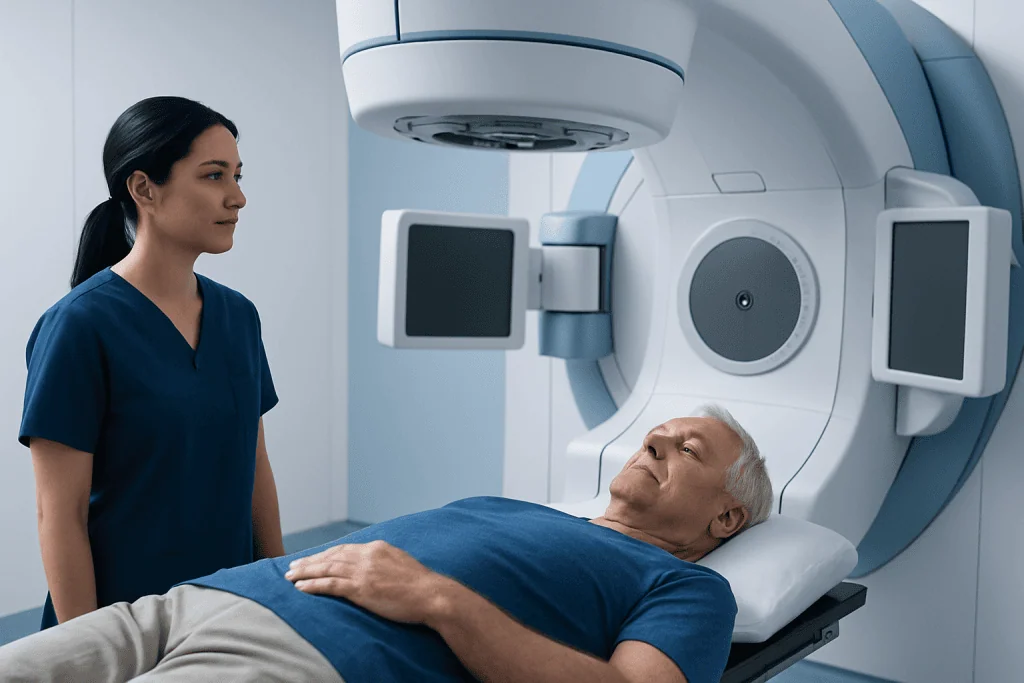
External beam radiation may be suitable for people with prostate cancer that is confined to the prostate, has grown just beyond it, or involves nearby lymph nodes. It can offer cancer control comparable to surgery for many people with localized disease, although the most appropriate choice depends on individual clinical details.
Before recommending treatment, the care team considers the biopsy grade group, PSA level, imaging results, cancer stage, prostate size, urinary symptoms, bowel health, previous pelvic treatment, life expectancy and other medical conditions. Personal priorities also matter, including views about surgery, daily treatment visits, possible urinary or sexual side effects, and recovery time.
Some people with low-risk prostate cancer may be advised to consider active surveillance rather than immediate treatment. Others with intermediate- or high-risk disease may benefit from external beam radiation combined with androgen-deprivation therapy, often called hormone therapy. The duration and role of hormone therapy vary according to cancer risk and should be discussed with the oncology team.
How external beam radiation therapy is planned and delivered
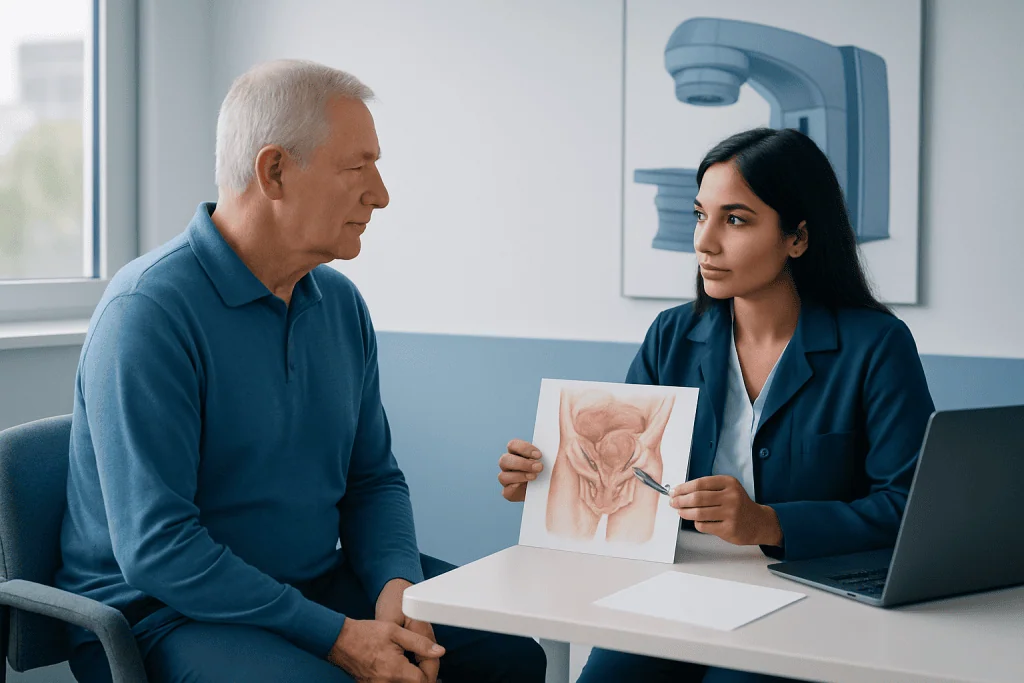
The process begins with a planning appointment, often called simulation. The patient lies in the treatment position for a planning CT scan, and sometimes MRI images are also used. Small permanent skin marks or tiny tattoo dots may be placed to help reproduce the same position accurately for each session.
The team may recommend preparation instructions for the bladder and bowel. For example, having a comfortably full bladder and an empty rectum can help keep the prostate in a consistent position and reduce radiation reaching nearby organs. In some cases, a small gel spacer may be placed between the prostate and rectum before treatment to lower rectal radiation exposure.
Specialist software creates a personalized radiation plan. Modern approaches such as intensity-modulated radiation therapy, volumetric-modulated arc therapy and image-guided radiation therapy shape and verify the radiation dose with precision. During each session, imaging may be performed to confirm the prostate position immediately before or during treatment.
Appointments are usually outpatient visits. The patient changes into a gown, lies on the treatment table and remains still while the machine moves around the body. Staff leave the room during beam delivery but monitor and communicate through cameras and intercoms. The actual radiation delivery often takes only minutes, although the full appointment may take longer because of positioning and imaging.
What is the success rate of external beam radiation for prostate cancer?
There is no single success rate for external beam radiation therapy because outcomes depend strongly on the cancer’s risk group and whether it is limited to the prostate, extends locally, or has spread elsewhere. In appropriately selected people with localized prostate cancer, external beam radiation can provide long-term cancer control and may be curative.
Lower-risk cancers generally have more favorable outcomes than higher-risk cancers. For intermediate- and high-risk disease, combining radiation with hormone therapy may improve the chance of long-term control. The treatment field may also include pelvic lymph nodes in selected cases.
Clinicians discuss prognosis using several measures rather than one figure, including PSA control, absence of recurrence, need for additional treatment, development of metastases and overall health outcomes. A patient’s own estimate is best provided after review of pathology, PSA trends, scans and planned treatment details.
Is external beam radiation painful?
External beam radiation itself is not painful. The patient does not see, feel or hear the radiation beam, and no radiation remains in the body after a session. The machine may make sounds as it moves, but it does not touch the patient during treatment.
Some people find it uncomfortable to lie still in one position, particularly if they have back, hip or joint pain. The radiotherapy team can help with positioning supports and can explain what to expect before treatment begins.
Side effects may develop gradually during treatment or in the weeks afterward. These are not usually felt during the radiation delivery itself. Common short-term effects include tiredness, more frequent urination, urgency, a weaker urine stream, bowel looseness, rectal irritation or increased gas.
Recovery timeline, benefits and possible risks
Most people continue many usual activities during external beam radiation, although fatigue can build up over the treatment course. Urinary and bowel changes often begin after several sessions, may peak near the end of therapy or shortly afterward, and commonly improve over the following weeks to months. The care team can suggest practical measures and prescribe treatment when needed.
A key benefit is that radiation treats the prostate without removing it surgically. It avoids surgical incisions and anesthesia for prostate removal, and it may be suitable for people who are not good candidates for surgery. It can also be combined with other treatments when clinically appropriate.
Possible longer-term effects include persistent urinary symptoms, rectal bleeding or irritation, erectile dysfunction, urinary narrowing, and rarely more serious bladder or bowel injury. Fertility can be affected, and ejaculation commonly changes after treatment. The likelihood of each effect varies with baseline health, prostate anatomy, radiation dose and technique, and whether hormone therapy is used.
Patients should report side effects early rather than waiting for a scheduled visit. Supportive care, lifestyle adjustments and medication can often make symptoms more manageable. A discussion of radiation therapy options can help patients understand the techniques used in an individualized treatment plan.
How do you know if radiation therapy is working for prostate cancer?
PSA testing is the main method used to monitor response after prostate radiation. Unlike after prostate removal, PSA does not usually become undetectable immediately because the prostate gland remains in place. Instead, PSA generally falls gradually over months and may take two years or longer to reach its lowest level, called the PSA nadir.
A temporary small rise in PSA, sometimes called a PSA bounce, can occur after radiation and does not always mean the cancer has returned. The oncology team interprets PSA results over time rather than relying on one test. Follow-up visits may also include symptom review, examination and imaging when there is a clinical reason to do so.
Doctors are particularly attentive to a sustained PSA rise. After radiation, biochemical recurrence is commonly assessed using an increase of 2 ng/mL or more above the lowest PSA level reached. Further testing is individualized and may include advanced imaging to clarify whether recurrence is present and where it may be located.
Can external beam radiation cure prostate cancer?
Yes. External beam radiation can be used with curative intent when prostate cancer is localized or locally advanced and can be treated within an appropriate radiation plan. For some people, radiation alone is suitable; for others, adding hormone therapy improves the chance of controlling the disease.
When prostate cancer has spread to distant organs, radiation is less often used as the sole curative treatment. However, it may still play an important role in controlling cancer in particular areas, treating symptoms such as pain, or treating the prostate in carefully selected situations as part of a broader care plan.
Follow-up remains important even after curative treatment because prostate cancer can recur years later. Regular PSA monitoring allows the team to identify changes early and discuss further evaluation or treatment if necessary. Acibadem International’s multidisciplinary specialists and JCI-accredited hospitals provide diagnostic assessment and treatment planning for international patients with prostate cancer.
When to seek medical care
Patients receiving radiation should contact their treatment team if urinary, bowel or fatigue symptoms become difficult to manage. The team should also be informed about new pain, fever, blood in urine or stool, inability to pass urine, severe diarrhea, dehydration, or any symptom that is rapidly worsening.
Urgent medical assessment is important for severe bleeding, chest pain, shortness of breath, confusion, severe abdominal pain, or an inability to urinate. These symptoms may not always be caused by radiation, but they should not be ignored.
People with new urinary symptoms, blood in urine or semen, persistent bone pain, unexplained weight loss or other concerns about prostate health should arrange a medical evaluation. Early assessment helps ensure symptoms are investigated appropriately and treatment decisions are based on accurate information.
Frequently asked questions
How long does external beam radiation therapy for prostate cancer take?
The overall schedule varies by radiation technique, cancer risk group and treatment plan. Some courses are delivered over several weeks, while selected patients may receive a shorter course with fewer, larger daily treatments. Each visit is usually an outpatient appointment, and the radiation delivery itself typically takes only a few minutes.
Will I be radioactive after external beam radiation therapy?
No. External beam radiation does not leave radioactive material inside the body. It is safe to be around family members, children and pregnant people after each treatment session.
Do all patients need hormone therapy with prostate radiation?
No. Hormone therapy is not necessary for every person receiving radiation. It is more often recommended for unfavorable intermediate-risk, high-risk or locally advanced prostate cancer, where it may improve treatment outcomes. The decision depends on cancer features and the patient’s overall health.
Can I work during prostate radiation treatment?
Many people can continue working, particularly early in the treatment course. However, fatigue, frequent appointments and urinary or bowel symptoms may make schedule adjustments helpful. The care team can provide guidance based on the individual’s work demands and symptoms.
How soon do side effects start after external beam radiation?
Side effects often develop gradually after treatment has started rather than immediately after the first session. Urinary and bowel symptoms may increase toward the end of treatment and in the following weeks. Many short-term effects improve over subsequent weeks or months, although some late effects can occur later.
What follow-up is needed after prostate radiation therapy?
Follow-up usually includes regular PSA blood tests and consultations with the treating clinician. PSA falls slowly after radiation, so results are assessed as a trend over time. Additional imaging or tests are considered if PSA patterns, symptoms or examination findings suggest a possible recurrence.
References
- National Cancer Institute
- American Cancer Society
- European Association of Urology
- American Society for Radiation Oncology
- NCCN Clinical Practice Guidelines in Oncology
This article is for general information only and is not a substitute for professional medical advice. Please consult a qualified doctor about your individual situation.
Radiation Therapy in Turkey — costs, top hospitals & a free quote
JCI-accredited · board-certified surgeons · reply within 24h
Add us as a Preferred Source to see more of our trusted health content across Google Search, AI Overviews and Discover.

Radiation Oncology
Precision radiotherapy and radiosurgery using advanced linear accelerators and image-guided techniques.
26 specialists in this unit