Infusion Therapy Side Effects: What to Expect and How to Manage

Common infusion therapy side effects include tiredness, headache, nausea, flushing and temporary discomfort around the IV site. The medication being infused—not the infusion process alone—largely determines the type, timing and duration of side effects.
Key Takeaways
- Common infusion therapy side effects include tiredness, headache, nausea, flushing and temporary discomfort around the IV site.
- The medication being infused—not the infusion process alone—largely determines the type, timing and duration of side effects.
- Care teams monitor patients during infusions because reactions can occur during treatment or shortly afterward.
- Hydration, rest and following the treatment team’s instructions can help manage many mild symptoms.
- New breathing difficulty, swelling, chest pain, fainting or rapidly spreading rash needs urgent medical evaluation.
Infusion therapy side effects vary with the medicine, dose, treatment schedule and individual health factors. Many people have mild, short-lived symptoms, while serious reactions are uncommon but require immediate assessment by the care team.
Overview: What Are Infusion Therapy Side Effects?
Infusion therapy side effects are unwanted symptoms that may occur when fluids, medicines, blood products or nutritional support are delivered into a vein through an intravenous (IV) line. Most are mild and temporary, including fatigue, headache, nausea, a metallic taste, flushing or tenderness near the IV site. The exact experience depends mainly on the substance being infused, why it is needed and the person’s overall health.
An infusion is often used when a treatment needs to enter the bloodstream slowly, when it is not available as a tablet, or when close observation is helpful. It may be given in a hospital, infusion center or selected outpatient setting. Infusions can support treatment for infections, inflammatory conditions, anemia, cancer, immune disorders, dehydration and other health needs.
Clinicians use screening questions, vital-sign checks and monitoring during treatment to reduce risks and respond quickly if symptoms arise. A person should tell the nurse or doctor about previous medicine reactions, allergies, pregnancy, kidney or liver problems, and all medicines or supplements they use before an infusion begins.
How Infusion Therapy Works and Who May Need It
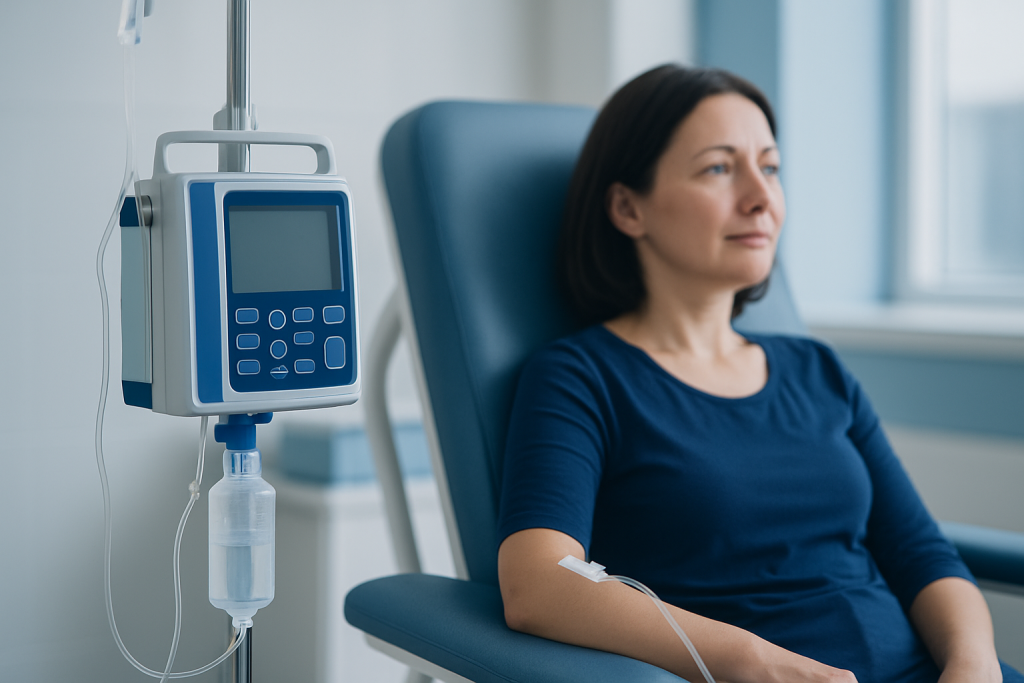
During infusion therapy, a trained clinician places a small cannula into a vein, usually in the hand or arm. The IV line connects to tubing and an infusion pump or gravity-controlled bag, allowing the fluid or medicine to enter at a planned rate. Some people receiving repeated therapy may use a longer-term access device, such as a port or central line, when clinically appropriate.
Infusion therapy may be considered for people who need treatment that cannot be taken by mouth, is absorbed poorly through the digestive system, needs a precise administration rate or requires observation for reactions. Examples include intravenous antibiotics, iron, biologic medicines, chemotherapy, immunoglobulin, fluids and some osteoporosis treatments. Candidacy is determined by the treating clinician after considering the diagnosis, treatment goals, medical history and test results.
The possible benefits are treatment delivery that is reliable and supervised, with the ability to adjust or stop an infusion if symptoms occur. However, an infusion is not automatically suitable for everyone. The treating team weighs expected benefit against potential medication effects, vein-related risks and any alternatives.
What Happens During an Infusion and in the First Days Afterward

Before treatment, the care team confirms the prescribed medicine, reviews symptoms and allergies, and may check blood pressure, pulse, temperature or laboratory results. Depending on the treatment, preventive medicines may be offered to lower the chance of nausea, itching or an allergic-type reaction. The skin is cleaned, the IV is inserted and the infusion begins slowly or at a set rate.
During the infusion, patients should report any new symptom promptly, even if it seems minor. A nurse may check vital signs periodically and inspect the IV site for pain, swelling, redness, leaking or burning. If a reaction is suspected, the team may slow or pause the infusion and provide assessment and treatment when needed.
Afterward, many people can go home the same day. Mild effects may begin during treatment or within the following day, while some medication-related effects appear later. The recovery timeline is individual: brief effects from fluids or some medications may settle within hours, whereas fatigue, gastrointestinal symptoms or flu-like symptoms from certain therapies may last for a few days. The treatment team should provide medicine-specific aftercare guidance before discharge.
Common Side Effects, Benefits and Potential Risks
Common infusion therapy side effects can include temporary tiredness, headache, dizziness, nausea, vomiting, chills, feverish feelings, muscle aches, changes in taste, itching or mild rash. There may also be bruising, soreness or irritation where the IV was placed. These symptoms do not necessarily mean the treatment is unsafe, but they should be discussed with the healthcare team, especially if they are persistent or worsening.
Some reactions are linked to the infusion rate and improve when the rate is reduced. Others are specific to the medicine. For example, certain immune therapies, antibiotics, iron preparations and cancer drugs have different expected adverse-effect patterns. A clinician can explain which symptoms are common for a particular treatment and which ones need urgent attention.
Less common but more serious risks include severe allergic reactions, significant blood pressure changes, infection or inflammation at an IV or line site, vein injury, blood clots and medication-specific complications. These risks are why infusions should be prescribed and administered by qualified professionals with appropriate monitoring. People receiving complex therapies may also benefit from coordinated follow-up across the relevant specialty teams.
- Tell the team about symptoms during and after every infusion.
- Keep any planned blood tests and follow-up appointments.
- Ask for written information specific to the infused medicine.
What Not to Do After an Infusion?
After an infusion, a person should not ignore new or escalating symptoms, remove a dressing early without instruction, or take an unapproved medicine or supplement to manage side effects. It is also sensible to avoid alcohol, strenuous exercise and driving if feeling dizzy, drowsy or unwell. The appropriate restrictions can differ substantially by medication, so the treating team’s advice takes priority.
People should avoid rubbing or repeatedly pressing on the IV site if it is sore. The area should be kept clean and observed for increasing pain, warmth, redness, swelling, drainage or a red streak along the vein. These changes should be reported promptly because they may indicate local irritation, infection or another complication.
It is generally helpful to arrange a quiet day after a first infusion or a treatment known to cause fatigue. Unless fluid intake is restricted for a medical reason, drinking fluids and having light, regular meals may support comfort. Patients should not skip prescribed follow-up or assume that a delayed symptom is unrelated to treatment; a call to the care team can clarify the next step.
Are Infusions Hard on Your Body?
Infusions are not inherently hard on the body, but the effect depends on what is being infused and why. Intravenous fluids may help correct dehydration, while medications can cause expected side effects because they act on the body’s immune system, infection, blood cells, bones or other targets. For many people, the benefits of an indicated infusion outweigh the manageable risks.
Some therapies are more physically demanding than others. Treatments used for cancer, serious inflammatory disease or complex infections may cause fatigue, nausea, blood-count changes or increased infection risk, depending on the specific medicine. Other infusions may cause only brief discomfort at the IV site or a temporary headache.
Careful preparation can reduce strain. This may include checking laboratory results, reviewing medicines, using premedication when indicated and adjusting the infusion rate. Patients should ask their clinician how the planned treatment may affect work, exercise, travel, fertility, vaccinations or other aspects of daily life.
How Long Do Side Effects Last After an Infusion?
How long side effects last after an infusion varies widely. Minor IV-site soreness, mild headache or light nausea may improve within several hours to one or two days. Flu-like feelings and fatigue associated with some medicines may last a few days, while medication-specific effects can persist longer and may require monitoring through blood tests or follow-up visits.
The duration is affected by the medicine, dose, infusion speed, treatment frequency, kidney and liver function, other medicines and a person’s individual response. A symptom that lasts longer than expected is not always dangerous, but it deserves discussion with the care team. This is particularly important when symptoms interfere with drinking, eating, sleeping, walking or usual activities.
Keeping a short record of symptoms can be useful. Patients can note when a symptom started, how severe it feels, what improves or worsens it, body temperature if fever is suspected, and any changes at the IV site. This information helps clinicians decide whether simple supportive care, a treatment adjustment or further assessment is needed.
How Long Does an Infusion Stay in Your Body?
The infusion itself does not remain in the body as a separate substance. Once delivered, the fluid or medicine circulates and is processed according to its own properties. Some IV fluids are used or excreted relatively quickly, while medicines may remain active for hours, days, weeks or longer depending on how they are distributed, broken down and eliminated.
A medicine’s half-life—how long it takes for the amount in the body to decrease by about half—helps clinicians estimate how long it may be present. This is different from how long its benefits or side effects last. Some treatments continue to influence the immune system or other body processes after the medicine level has fallen.
Only the prescribing team can give a useful estimate for a specific infusion. Patients should provide a complete medication list and ask whether any medicines, vaccines, pregnancy plans, procedures or laboratory tests need to be timed around their infusion treatment.
When to Seek Medical Care
Urgent medical care is needed for trouble breathing, wheezing, swelling of the lips, tongue or face, chest pain, fainting, severe dizziness, confusion, a widespread or blistering rash, or a rapidly worsening reaction. These symptoms may signal a serious allergic or treatment-related problem. If they occur during an infusion, patients should alert staff immediately; if they occur after leaving, they should seek emergency help.
A same-day call to the treatment team is appropriate for fever, persistent vomiting, inability to keep fluids down, severe or worsening headache, unusual bleeding or bruising, marked weakness, new symptoms of infection, or increasing redness, pain, warmth, swelling or drainage at the IV site. People with weakened immune systems should follow the individualized fever instructions provided by their clinical team.
For international patients, Acibadem International’s multidisciplinary specialists and JCI-accredited hospitals can assess infusion-related concerns and coordinate treatment plans across relevant specialties. A patient should always contact the clinician who prescribed the infusion for personalized advice, as the recommended response depends on the treatment received and the individual’s medical history.
Frequently asked questions
What are the most common infusion therapy side effects?
Common effects include tiredness, headache, nausea, flushing, chills, dizziness and mild soreness or bruising at the IV site. The likely symptoms depend on the medication or fluid being infused. The care team can explain the expected effects for the specific treatment.
Can side effects start after leaving the infusion center?
Yes. Some reactions occur during treatment, while others begin hours or days later. Patients should follow the discharge instructions and report delayed symptoms that are severe, unusual, persistent or getting worse.
Should a patient drink water after an infusion?
For many people, normal hydration after treatment is helpful, particularly if they have mild headache or fatigue. However, people with heart, kidney or fluid-balance conditions may have fluid limits. Their own clinician’s guidance should be followed.
Is fatigue normal after an infusion?
Fatigue can be a common short-term effect of some infusions and may also reflect the underlying condition being treated. Rest, regular food and fluids may help if permitted. Severe fatigue, new shortness of breath, dizziness or weakness should be reported.
Can an infusion cause an allergic reaction?
Some infused medicines can trigger allergic or infusion-related reactions, although serious reactions are uncommon. Symptoms can include itching, rash, flushing, wheezing, swelling, dizziness or changes in blood pressure. Staff monitor patients so treatment can be paused and assessed quickly if needed.
When can a patient return to normal activities after an infusion?
Many people return to usual activities the same day or the next day, depending on how they feel and the medicine received. It is best to avoid driving, heavy exercise or safety-sensitive tasks if dizziness, sleepiness or weakness occurs. The care team may give more specific activity advice for certain therapies.
References
- World Health Organization
- U.S. Food and Drug Administration
- National Cancer Institute
- MedlinePlus, U.S. National Library of Medicine
- Centers for Disease Control and Prevention
This article is for general information only and is not a substitute for professional medical advice. Please consult a qualified doctor about your individual situation.
Persistent digestive symptoms? Get evaluated in Turkey
JCI-accredited · board-certified surgeons · reply within 24h
Add us as a Preferred Source to see more of our trusted health content across Google Search, AI Overviews and Discover.
Check your numbers in seconds
BMI, calories, due date, blood pressure and 30+ more clinical calculators — free, instant, doctor-reviewed ranges.