

Emergency Contacts for Medical Travelers in Turkey

Emergency contacts for medical travelers in Turkey include the national emergency ambulance line, local hospital emergency departments, your insurer or assistance company, and your embassy or consulate for non-medical support. At Acibadem in Turkey, international patients can use emergency care for urgent medical needs and receive guidance on hospital access, coordination of care, and communication support during emergencies.
When you travel to Turkey for medical care, a simple emergency contact plan can make stressful moments easier to manage. This guide helps you prepare the right phone numbers, documents, and support channels before you arrive.
At a glance
- Main emergency number: Call 112 in Turkey for ambulance, police, fire, and urgent emergencies.
- Best preparation: Save hospital, embassy, insurance, hotel, airline, and companion contacts offline.
- Language support: Ask your hospital or international patient team about interpreter access in advance.
- Key documents: Keep passport, visa, insurance, medication list, and hospital appointment details accessible.
- If you are with Acibadem: Keep your International Patient Services contact and hospital address saved on your phone.
Why an emergency contact plan matters
Most medical trips go as planned, but being prepared gives you confidence from the moment you leave home. In an unfamiliar country, even a small problem such as a lost phone, delayed transfer, new symptom, or misplaced passport can feel more difficult if you do not know who to call first.
Your emergency contact plan should be simple, visible, and shared with the people traveling with you. It should include public emergency numbers in Turkey, your hospital contact, your international patient coordinator, your doctor or clinic at home, your insurance assistance line, your embassy or consulate, your hotel, and a trusted family member.
If you are receiving care at Acibadem International, ask your patient representative which number to use for arrival issues, appointment changes, interpreter support, and urgent hospital coordination. This is separate from national emergency services: in a life-threatening situation, you should call 112 first or go to the nearest emergency department.
The essential emergency numbers in Turkey
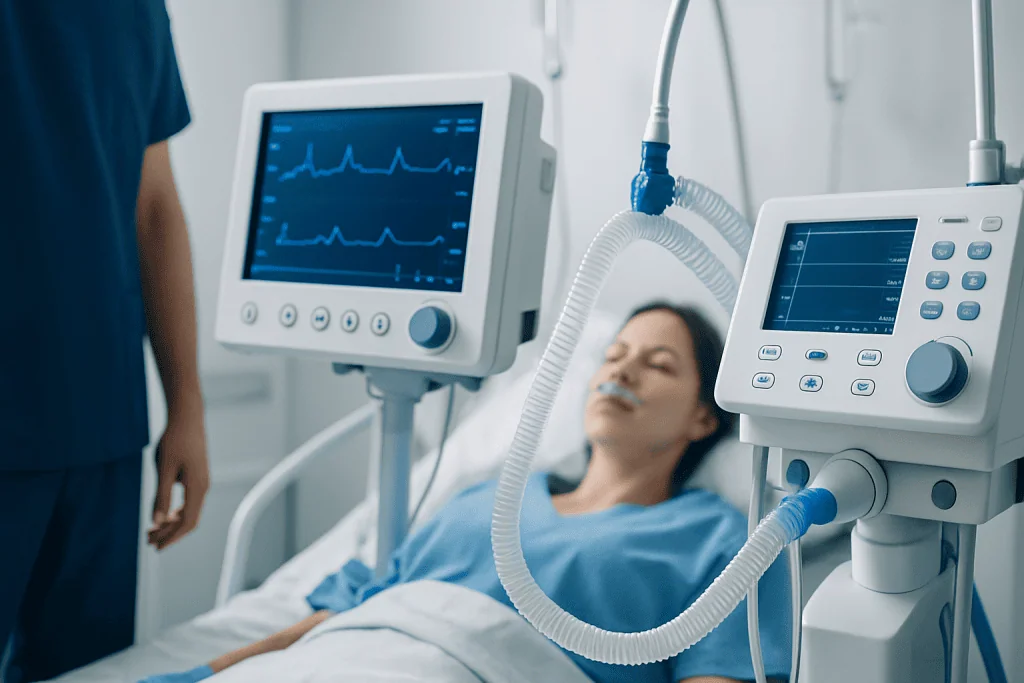
The most important number to know in Turkey is 112. It is the national emergency call number and can be used for urgent medical assistance, ambulance, police, fire, and other emergency services. If you are unsure which service you need but the situation is urgent, call 112.
When calling, speak slowly and give your location first. Share the city, district, hotel or hospital name, street address, room number if relevant, and a nearby landmark. If you do not speak Turkish, say “English” clearly and repeat your location; you may also ask a hotel receptionist, hospital staff member, driver, or local contact to help communicate.
Useful contacts to save before travel may include:
- 112: National emergency number for ambulance, police, fire, and urgent response.
- Your hospital’s main switchboard and international patient line.
- Your hotel reception and 24-hour front desk.
- Your airport transfer provider or driver contact.
- Your travel insurance emergency assistance number.
- Your embassy or consulate in Turkey.
- A trusted family member at home and one travel companion, if applicable.
Hospital contacts: what to save before you travel

Before departure, ask your hospital for a written contact list that is specific to your trip. This should include the hospital name, full address, department or clinic, appointment date and time, the name or role of your coordinator, and any 24-hour or after-hours instructions that apply to international patients.
For Acibadem International patients, your International Patient Services team can help you understand where to go on arrival, which entrance to use, how interpretation is arranged, and whom to contact if your flight is delayed. Save the hospital address in your map app and keep a screenshot available in case you do not have internet access.
It is also helpful to save the contact under a clear name in your phone, such as “Turkey Hospital Emergency Contact” or “Acibadem Patient Coordinator.” If you have several contacts, label them by purpose: appointments, transfer, interpreter, billing, and urgent hospital support. In a stressful moment, clear labels prevent confusion.
Embassy, insurance, and personal contacts
Your embassy or consulate is not a substitute for emergency medical care, but it can help with practical problems such as a lost passport, serious legal difficulty, family notification, or guidance during a crisis. Before you travel, find the official website for your country’s diplomatic mission in Turkey and save the emergency phone number, address, and email.
Your travel or international health insurance provider is another key contact. Many insurers require you to call their assistance line as soon as reasonably possible after an emergency, especially if hospital admission, evacuation, or guarantee of payment may be involved. Keep your policy number, membership ID, and claims instructions with you.
You should also choose two personal emergency contacts. One should be traveling with you or reachable in Turkey, and one should be at home. Share your itinerary, hospital name, accommodation address, procedure date if applicable, allergies, regular medications, and how to contact your patient coordinator.
What to keep on your phone and on paper
Your phone is useful, but do not rely on it completely. Batteries run out, phones are misplaced, and mobile data can fail. Keep your emergency contacts in at least three places: your phone contacts, a screenshot or PDF saved offline, and a small printed card in your wallet or passport holder.
Your printed card should be short and easy to read. Include your full name as shown on your passport, date of birth, nationality, passport number, allergies, key diagnoses if relevant, regular medicines, blood thinner or insulin use if applicable, your hospital name, accommodation address, and your emergency contacts.
If you wear a medical alert bracelet or carry a medical ID card at home, bring it to Turkey as well. If you have complex conditions, implanted devices, severe allergies, or special mobility needs, ask your care team what information would be most useful for local medical staff to see quickly.
Language, transport, and practical support
Language support can make a major difference in urgent situations. If you are an international patient, ask your hospital in advance how interpreter services work during appointments, admission, discharge, and unexpected concerns. Acibadem International supports patients with international patient services and interpreter coordination, but in public emergencies the first priority is still to call 112 or reach the nearest emergency department.
Transport planning is also part of emergency preparation. Save your hotel address in Turkish, keep the hospital address in Turkish and English, and know the estimated driving time between them. If you use a hospital-arranged transfer, ask what number to call for changes or delays; if you use taxis, ask your hotel to help provide the destination in writing.
For patients with limited mobility, oxygen needs, wheelchair use, or special assistance at the airport, emergency planning should begin before the flight. Confirm airline assistance, hotel accessibility, transfer vehicle suitability, and hospital entrance details. A small amount of planning can prevent last-minute pressure on arrival day.
When to call 112, the hospital, or your coordinator
Use 112 for urgent or potentially life-threatening situations, including severe chest pain, difficulty breathing, stroke-like symptoms, major bleeding, loss of consciousness, serious injury, severe allergic reaction, or any situation where you feel immediate emergency help is needed. Do not wait for a coordinator to reply if the situation is urgent.
Contact your hospital or international patient coordinator for non-emergency but important issues, such as late arrival, appointment uncertainty, new but mild symptoms, questions after discharge, medication clarification, mobility arrangements, interpreter timing, or transport coordination. They can guide you to the correct department or advise whether you should come to the hospital.
If you are unsure, choose safety. Call 112 for immediate danger, or go to the nearest emergency department. For less urgent concerns, contact the hospital team and explain your symptoms, your recent treatment, where you are staying, and how quickly you can reach the hospital.
Step by step
- Build your contact list before departure. Create one list with public emergency numbers, hospital contacts, insurance assistance, embassy details, hotel reception, airline, transfer provider, and family contacts. Save it on your phone and print at least two copies.
- Confirm your hospital communication channel. Ask which number or messaging channel you should use for appointment updates, arrival delays, and non-emergency concerns. If you are an Acibadem International patient, clarify how to reach your patient coordinator and when to contact the hospital directly.
- Prepare a medical information card. Write your allergies, regular medications, important diagnoses, previous surgeries if relevant, and emergency contacts in clear language. Keep this card with your passport or wallet so it can be found quickly.
- Save locations offline. Download offline maps for your destination city and save your hospital, hotel, embassy, and airport. Take screenshots of addresses in both English and Turkish if available.
- Share your plan with your companion. Make sure your companion knows where your documents are, which number to call first, and how to contact the hospital team. If you travel alone, share the same plan with a family member at home.
- Check your insurance emergency rules. Read the emergency assistance instructions before you travel, especially for hospital admission, payment guarantees, and claims. Keep your policy number and assistance line available offline.
- Know what to do in the first minute. For serious symptoms or immediate danger, call 112 and give your location first. For non-urgent problems related to your medical trip, contact your hospital or patient coordinator with your name, date of birth, and location.
Your checklist
- 112 saved as Turkey national emergency number
- Hospital name, address, switchboard, and international patient contact saved
- Hotel address and 24-hour reception number saved
- Embassy or consulate emergency contact saved
- Insurance assistance line, policy number, and claims instructions saved
- Medication list, allergies, and key medical history printed
- Passport, visa, appointment details, and travel documents copied
- Offline maps and screenshots of key addresses prepared
- Companion or family member briefed on your emergency plan
- Portable charger packed and roaming or local connectivity checked
Key takeaways
- Save 112 as the first number for urgent emergencies in Turkey.
- Keep hospital, insurance, embassy, hotel, transfer, and family contacts both online and offline.
- Ask your international patient team how to reach them for non-emergency support during your stay.
- Carry a printed medical information card with allergies, medications, and key health details.
- Share your emergency plan with your companion or a trusted person at home before you travel.
Frequently asked questions
What is the main emergency number in Turkey?
The main emergency number in Turkey is 112. You can call it for urgent medical help, ambulance, police, fire, and other emergency response needs. If the situation feels serious or time-sensitive, call 112 first.
Should I call my hospital or 112 if I feel unwell?
If you have severe symptoms such as chest pain, difficulty breathing, loss of consciousness, major bleeding, signs of stroke, or a serious allergic reaction, call 112 immediately. For non-urgent concerns, appointment questions, mild symptoms, or post-discharge clarification, contact your hospital or patient coordinator. If you are unsure, choose the safer option and seek urgent help.
Can I get help in English during an emergency in Turkey?
English support may be available in some settings, especially private hospitals and international patient departments, but it should not be assumed everywhere. When calling 112, state your location clearly and say “English” if needed. If possible, ask a hotel receptionist, hospital staff member, driver, or Turkish-speaking contact to help communicate.
What emergency contacts should I save if I am traveling alone?
Save 112, your hospital and international patient contact, your hotel reception, your insurance assistance line, your embassy or consulate, and at least two family or friend contacts. Share your itinerary and hospital details with someone at home. Keep printed copies because you may not always have access to your phone.
How can Acibadem International support me if something changes during my trip?
Acibadem International’s patient services can help international patients with practical coordination such as appointment communication, interpreter arrangements, hospital directions, and travel-related updates. For urgent or life-threatening situations, you should still call 112 first. For non-emergency concerns connected to your care plan, your patient coordinator can guide you to the right hospital contact.
Should my companion have a copy of my medical information?
Yes, your companion should know your allergies, regular medications, important medical conditions, hospital contact, insurance details, and where your documents are kept. This is especially important if you are tired, sedated, anxious, or unable to speak clearly. If you prefer privacy, share only the essentials needed for safety.
What should I do if I lose my passport in Turkey?
Contact your embassy or consulate as soon as possible and follow their instructions for replacement or emergency travel documents. You may also need to report the loss to local authorities, depending on your embassy’s guidance. Keep a digital and printed copy of your passport separate from the original to make the process easier.
Add us as a Preferred Source to see more of our trusted health content across Google Search, AI Overviews and Discover.
More Patient Guides
Preparing for Your Return Flight After Treatment in Turkey: Timing, Clearance, and Comfort
Preparing for your return flight after treatment in Turkey means getting medical clearance, timing your trip safely, and planning comfort and support.
9 min read
Arriving in Turkey for Surgery: Your First 48 Hours Explained
Arriving in Turkey for surgery is easiest when you know what happens at the airport, hotel, and hospital in your first 48…
9 min read
How to Plan a Low-Stress Arrival Day Before Treatment Starts
Arrival day before treatment in Turkey is easiest with a simple plan for airport pickup, hotel check-in, documents, rest, and your first…
9 min read