

Gastric Sleeve Recovery Time: Week-by-Week Timeline

Gastric sleeve recovery time is usually 2–6 weeks for daily routines, while internal healing and diet progression take several months. Plan follow-up carefully…
Most people can manage light daily activities within 1–2 weeks after gastric sleeve surgery, while returning to more physical work, exercise, travel routines and a broader diet often takes 4–8 weeks. Your recovery is individual, so your own bariatric surgeon’s instructions, diet plan and follow-up schedule should always guide you.
At a glance
- Hospital stay: Often 1–3 nights, depending on your recovery plan
- Light activity: Short walks begin soon after surgery, as advised
- Desk work: Commonly around 1–2 weeks, if recovery is uncomplicated
- Physical work: Often 4–6 weeks or longer, with surgeon clearance
- Diet progression: Usually liquids to soft foods, then regular textured foods over several weeks
- Internal healing: Continues for months, even after you feel more comfortable
Gastric Sleeve Recovery Time: The Short Answer
Gastric sleeve recovery time is commonly around 2–6 weeks for a return to many everyday activities, but healing does not end when you feel well enough to move around or travel home. Your stomach, small incision sites, energy levels, eating habits and emotional adjustment all recover on different timelines.
In the first days, the focus is walking safely, managing discomfort, sipping fluids and watching for warning signs. Over the following weeks, you gradually progress through the diet prescribed by your bariatric team and rebuild activity. Always follow your own surgeon’s instructions, particularly if your operation, health history or recovery differs from the usual pathway.
For international patients, it is wise to arrange a recovery stay in Turkey that allows for your hospital discharge assessment and early surgical review before flying. Acibadem International patient services can help coordinate appointments, interpreter support and practical travel arrangements around the clinical plan set by your care team.
Gastric Sleeve Recovery Timeline: Day by Day and Week by Week

Your team may adapt this schedule based on your health, surgical approach and how well you tolerate fluids. The table is a general planning guide rather than a substitute for your discharge instructions.
| Time after surgery | What you may experience | Typical priorities |
|---|---|---|
| Days 0–2 | Tiredness, abdominal soreness, gas discomfort and frequent short walks. | Hydration, breathing exercises, pain control, walking and leak-prevention monitoring. |
| Days 3–7 | Fatigue may continue; incision discomfort usually starts to settle. | Continue prescribed fluids, protein goals and gentle movement; avoid lifting. |
| Week 2 | Many people feel more mobile but tire easily. | Follow the next diet stage only when cleared; consider desk-work readiness individually. |
| Weeks 3–4 | Energy often improves, though food tolerance can still vary. | Increase walking gradually, attend follow-up and continue careful nutrition. |
| Weeks 5–6 | Daily routines often feel easier; incisions are usually more comfortable. | Ask before resuming gym exercise, swimming, driving long distances or heavy work. |
| Months 2–3 | Diet texture and activity may broaden under guidance. | Build sustainable protein, hydration, vitamin and movement habits. |
| Months 3–12+ | Weight loss and adaptation continue; plateaus can occur. | Maintain follow-up, blood tests, supplements and long-term nutrition support. |
Contact your surgeon promptly if you develop severe or worsening pain, persistent vomiting, fever, chest pain, shortness of breath, rapid heartbeat, inability to drink, redness or drainage from incisions, or swelling and pain in one leg. Do not wait for a planned follow-up if you are worried.
Eating, Drinking and Energy During Recovery
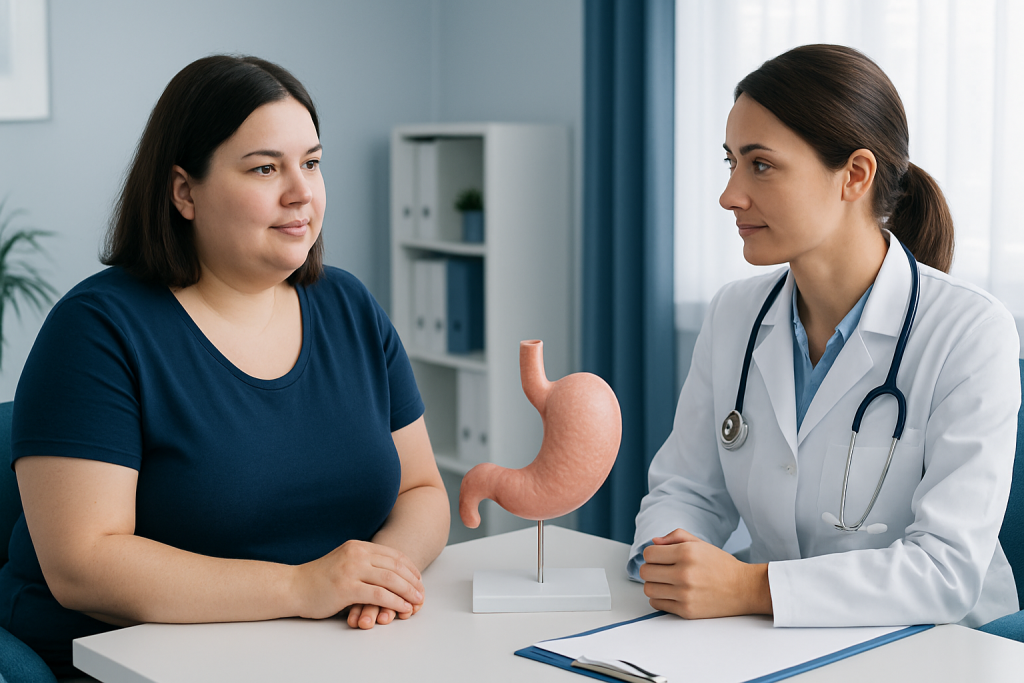
After a gastric sleeve, the diet is advanced in stages to protect the healing stomach and help you meet fluid and protein needs. Exact stages vary by programme, but often move from clear fluids to full liquids, puréed foods, soft foods and then carefully chosen regular-texture foods over several weeks.
Take small sips and small bites, eat slowly, and stop when you feel comfortably satisfied. Your bariatric dietitian or surgical team will tell you your fluid, protein and supplement targets. Dehydration can develop quickly after surgery, especially if nausea, vomiting or diarrhoea makes drinking difficult.
- Keep a drink bottle, medication schedule and food record during the early weeks.
- Prioritise the protein foods and supplements recommended by your team.
- Avoid carbonated drinks, alcohol and foods your programme tells you to avoid.
- Do not use straws, caffeine or anti-inflammatory medicines unless your team has specifically approved them.
Low energy is common early on because intake is limited and your body is healing. Rest regularly, but avoid staying in bed for long periods; short, frequent walks are generally encouraged to support circulation, lung function and recovery.
How Long Does It Take to Lose 100 lbs After Gastric Sleeve?
There is no reliable fixed timeline for losing 100 lbs after gastric sleeve surgery. For some people, this amount of weight loss may occur over roughly 6–18 months; for others, it may take longer or may not be an appropriate or achievable goal based on their starting weight, body composition, medical conditions, age, activity level and nutrition plan.
Weight loss is often faster in the first months and then slows. It is normal to have weeks when the scale changes very little, particularly as your body adapts. Your clinician will usually focus on your overall health, nutritional status, mobility, metabolic conditions and sustainable progress rather than a single number on the scale.
Keep all planned follow-up appointments, including blood tests and dietitian reviews. If you are returning home after surgery in Turkey, ask before departure how your local clinician and the original bariatric team will share follow-up information. Acibadem International can help international patients understand their scheduled reviews and communication pathways.
Can I Go Back to Work 1 Week After Gastric Sleeve?
You may be able to return to a quiet, remote or desk-based role after one week if your recovery is uncomplicated and your surgeon agrees, but many people need closer to 1–2 weeks or more. At one week, fatigue, reduced calorie intake, medication effects, discomfort and frequent fluid breaks can still make a full working day difficult.
Jobs involving lifting, prolonged standing, driving, caring for others, manual labour or safety-sensitive tasks usually require more time away. Your surgeon may advise avoiding heavy lifting for several weeks to protect healing tissues and reduce strain on the abdominal area.
If you are planning treatment abroad, build flexibility into your work leave and travel schedule. Do not schedule your return flight or work commitments around the earliest possible recovery date; plan around the clinical review and clearance advice you actually receive.
When Can I Have a Slice of Pizza After Gastric Sleeve?
A slice of pizza is generally not suitable during the early liquid, purée and soft-food phases after gastric sleeve surgery. Many programmes advise waiting until regular textures are approved, which may be around 6–8 weeks or longer, but timing and food choices should be confirmed with your own bariatric dietitian or surgeon.
Even after regular foods are introduced, pizza can be difficult to tolerate and is often high in refined carbohydrates, fat and salt while offering limited protein. Crust may feel heavy, cheese can be rich, and eating too quickly or too much can cause pain, nausea, vomiting or discomfort.
If your team says it is appropriate later in recovery, discuss a realistic approach: start with a very small amount, eat slowly, chew thoroughly and prioritise protein and nutrient-dense meals most of the time. A food that is technically allowed is not necessarily comfortable or helpful for your individual goals.
How Long Does It Take for Your Insides to Heal After Gastric Sleeve Surgery?
The stomach and internal tissues begin healing immediately, but meaningful internal healing continues for weeks to months after gastric sleeve surgery. You may feel much better externally before the surgical area has fully adapted, which is why diet progression, lifting restrictions and activity limits should not be rushed.
Most people have early follow-up in the first days or weeks and then ongoing reviews over the coming months. Your team may assess symptoms, fluid intake, food tolerance, wound healing, weight trend, medication needs and vitamin or mineral supplementation.
Internal healing can be affected by smoking or nicotine use, dehydration, poor protein intake, uncontrolled medical conditions, infection and returning to strenuous activity too soon. Tell your team honestly about symptoms and any difficulties following the plan so they can support you safely.
Step by step
- Confirm your discharge and travel plan. Before leaving hospital, make sure you understand your medication schedule, diet stage, wound-care instructions and emergency contact route. If you are travelling internationally, ask your surgeon when it is safe for you to fly and whether you need compression stockings, injections or other clot-prevention measures.
- Make hydration your first daily priority. Sip fluids throughout the day according to your prescribed plan rather than trying to drink large amounts at once. Contact your clinical team if you cannot keep fluids down, feel faint, have very dark urine or are urinating much less than usual.
- Follow each diet stage exactly. Do not advance from liquids to purées, soft foods or regular textures just because you feel hungry or well. Your programme’s progression is designed to support healing and nutrition, and it may differ from advice shared online.
- Walk little and often. Short walks usually begin soon after surgery and can be increased gradually as your energy allows. Avoid strenuous exercise, heavy lifting and abdominal strain until your surgeon clears you.
- Use your medicines safely. Take pain relief, acid-reducing medication, anti-nausea treatment, injections and supplements exactly as prescribed. Check before taking over-the-counter medicines, herbal products or vitamins, especially anti-inflammatory pain medicines.
- Attend your follow-up appointments. Early reviews help your team identify dehydration, wound concerns, dietary problems or medication adjustments. International patients should leave Turkey with clear written aftercare information and a plan for follow-up at home.
- Prepare for emotional and routine changes. Recovery can include mood changes, tiredness, altered appetite and adjustment to new eating habits. Ask for dietitian, psychological or support-group guidance if eating feels stressful or you are struggling to adapt.
Your checklist
- Written discharge instructions and emergency contact details
- Your surgeon-approved flight and travel timing
- Prescribed medicines, supplements and enough supply for your journey
- A staged diet plan with fluid and protein targets
- A follow-up appointment before departure or a confirmed remote follow-up plan
- Comfortable loose clothing and easy access to water during travel
- A copy of your operation summary and relevant test results
- A local doctor or bariatric follow-up contact after you return home
- A flexible work and activity plan that allows extra recovery time
Key takeaways
- Most people return to light routines within 2–6 weeks, but internal recovery continues for months.
- Your diet stages, hydration and protein intake are central to safe gastric sleeve recovery.
- Returning to desk work after one week may be possible for some people, but it is not right for everyone.
- A 100-lb weight-loss timeline varies substantially and should not be treated as a guarantee.
- Pizza and other rich regular-texture foods should wait until your bariatric team approves them.
- International travel should be planned around clinical clearance and follow-up, not only convenience.
Frequently asked questions
How long should I stay in Turkey after gastric sleeve surgery?
The right length of stay depends on your surgeon’s clinical plan, your early recovery and your fitness to fly. You will usually need to remain available for discharge assessment and an early follow-up review. Ask your team for personalised travel clearance rather than booking solely around a standard itinerary.
When can I fly after gastric sleeve surgery?
Your surgeon should decide when flying is appropriate, based on your recovery and risk factors such as blood clots, dehydration or complications. Long journeys may require specific movement, hydration and clot-prevention advice. Follow the instructions you receive at discharge and tell your team about all planned flights.
How much pain is normal after gastric sleeve surgery?
Some abdominal soreness, incision tenderness and gas-related shoulder or upper abdominal discomfort can occur in the early days. Pain should generally improve rather than steadily worsen. Severe, new or escalating pain should be assessed promptly, especially if it occurs with fever, vomiting, breathlessness or a fast heartbeat.
When can I drive after gastric sleeve surgery?
You should not drive while taking sedating pain medication or if you cannot comfortably perform an emergency stop or turn safely. Many people need at least several days to a couple of weeks, but your surgeon’s advice is the key decision point. Check insurance and local driving requirements as well.
When can I exercise after gastric sleeve surgery?
Gentle walking is commonly encouraged early, but strenuous activity, core training, swimming and heavy lifting should wait for surgical clearance. Your team may allow gradual increases over several weeks depending on incision healing and your overall recovery. Start slowly and stop if you develop pain, dizziness or unusual shortness of breath.
Will I need vitamins after gastric sleeve surgery?
Most patients need long-term vitamin and mineral supplementation after gastric sleeve surgery, alongside regular blood monitoring. The exact supplements and doses depend on your diet, test results and clinical history. Use products recommended by your bariatric team rather than choosing supplements independently.
What should I do if I cannot tolerate food or fluids?
Do not force food, but take this seriously because dehydration can develop quickly after bariatric surgery. Try only the approach your team has recommended and contact them promptly if you cannot meet fluid goals, vomit repeatedly or feel weak, dizzy or unwell. Urgent assessment may be needed if symptoms are severe or persistent.
Add us as a Preferred Source to see more of our trusted health content across Google Search, AI Overviews and Discover.
More Patient Guides

Rhinoplasty Recovery Time: Day-by-Day Timeline
Rhinoplasty recovery time usually allows 1–2 weeks for initial healing, while swelling refines over months. Plan your recovery in Turkey with this…
8 min read
Gastric Bypass vs Gastric Sleeve Recovery: What to Expect
Gastric bypass vs gastric sleeve recovery usually involves 2–6 weeks of gradual healing, with bypass often needing closer nutrition follow-up in Turkey.
8 min read
Compression Socks for Flying After Surgery: Why Surgeons Recommend Them
Compression socks for flying after surgery may lower leg swelling and clot risk during travel; use them only as your surgeon advises…
8 min read