

Bladder Biopsy: Procedure, Recovery and Results

A bladder biopsy is usually performed through a cystoscope passed through the urethra, without external incisions. Most people have temporary burning with urination, mild bleeding or urinary urgency for a short time afterward.
Key Takeaways
- A bladder biopsy is usually performed through a cystoscope passed through the urethra, without external incisions.
- Most people have temporary burning with urination, mild bleeding or urinary urgency for a short time afterward.
- Results may identify cancer, inflammation, infection-related changes or other noncancerous bladder conditions.
- Healing after a small biopsy commonly takes days to a few weeks, depending on the size and number of samples removed.
- Urgent medical advice is needed for fever, inability to pass urine, heavy bleeding, worsening pain or blood clots in the urine.
A bladder biopsy is a procedure in which a urologist removes a small sample of bladder tissue for examination under a microscope. It is commonly performed during cystoscopy to investigate abnormal urine tests, bleeding, suspicious bladder changes or possible cancer.
Overview: what is a bladder biopsy?
A bladder biopsy is a diagnostic procedure that removes one or more tiny pieces of tissue from the bladder lining. A laboratory specialist, called a pathologist, examines the tissue under a microscope. This can help identify cancer cells, inflammation, infection-related changes, abnormal tissue growth or other bladder disorders.
The biopsy is often done during a cystoscopy. In this examination, a urologist passes a thin viewing instrument called a cystoscope through the urethra and into the bladder. The procedure allows the clinician to inspect the bladder lining directly and take a sample from an area that appears unusual.
A biopsy recommendation does not mean that cancer is certain. Bladder symptoms and abnormal test findings can have many possible explanations. Tissue testing is one of the most reliable ways to clarify what an abnormal area represents and guide appropriate next steps.
Why a bladder biopsy may be recommended
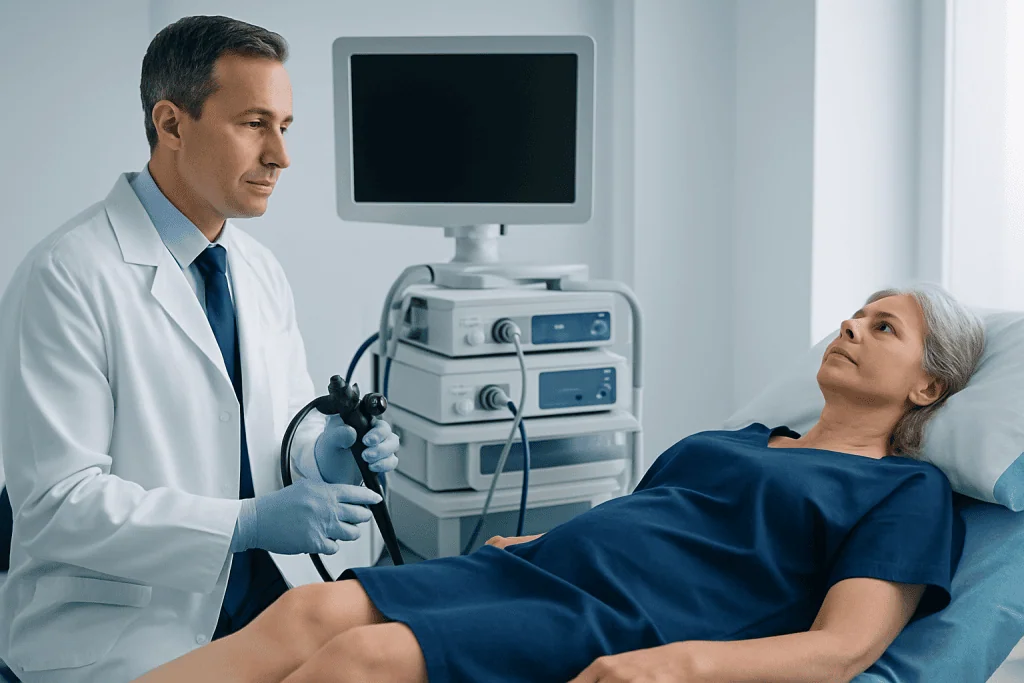
A urologist may recommend a bladder biopsy when cystoscopy, imaging or urine testing suggests an area needing closer assessment. Visible blood in the urine, blood detected only by testing, an abnormal urine cytology result, a bladder lesion on imaging or ongoing urinary symptoms may all lead to further evaluation.
The procedure can also help assess people who have previously been treated for bladder cancer. In this setting, a biopsy may help determine whether an abnormal-looking area is a recurrence, treatment-related change, inflammation or another noncancerous finding. For broader information on evaluation and management, see bladder cancer.
Before the procedure, the care team reviews current medicines, allergies, bleeding history and relevant health conditions. Blood-thinning medication may need individual planning; it should never be stopped without instructions from the clinician who prescribed it. A urine test may also be used to check for infection before instrumentation of the bladder.
How a bladder biopsy is performed step by step
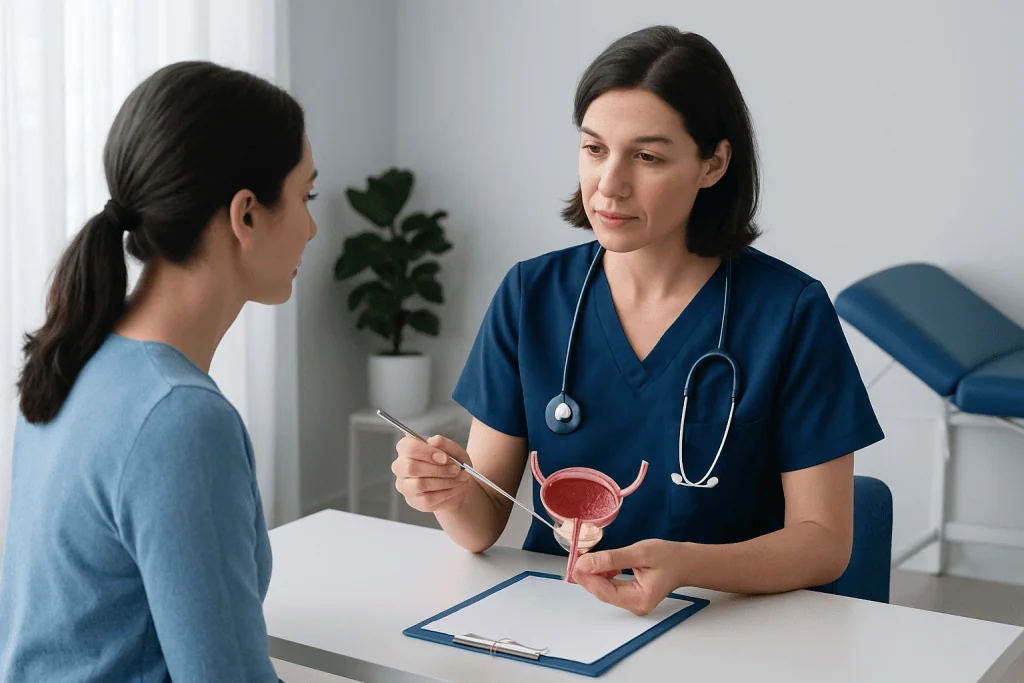
The details vary according to the reason for the biopsy, the number of samples needed and whether a visible lesion requires removal. Some small biopsies can be performed with local numbing medicine in an outpatient setting. Others are done in an operating room with sedation, regional anesthesia or general anesthesia so the patient is comfortable and the urologist can work safely.
First, the patient is positioned and the urethral area is cleaned. The cystoscope is gently passed through the urethra into the bladder. Sterile fluid is used to fill the bladder enough for the urologist to view its lining clearly. The clinician examines the bladder and may take photographs or document areas of interest.
Small instruments can be passed through the cystoscope to remove tissue samples. If a suspicious growth is present, the urologist may remove more tissue using a procedure called transurethral resection of bladder tumor (TURBT), which can both provide diagnosis and treat visible abnormal tissue. This is different from a simple small biopsy and may involve a longer recovery. Relevant care may include transurethral resection of bladder tumor.
After the samples are collected, the cystoscope is removed. A urinary catheter is not always needed after a small biopsy, but it may be used temporarily if there is more extensive tissue removal, bleeding, difficulty emptying the bladder or a need to monitor urine output.
How painful is a bladder biopsy?
Comfort during a bladder biopsy depends largely on the type of anesthesia used and the extent of tissue sampling. With local anesthetic, people may feel pressure, fullness in the bladder, an urge to urinate or brief discomfort as the cystoscope is inserted. Sedation or general anesthesia can make a more extensive procedure more comfortable.
Afterward, mild burning while urinating, pelvic soreness, urinary frequency and a small amount of blood in the urine are common. These symptoms usually improve over a short period. The clinician may recommend hydration and may discuss suitable pain relief based on the person’s medical history.
Severe or increasing pain is not expected and should be reported. People should follow their discharge instructions carefully, especially if they have had anesthesia, a catheter or removal of a larger bladder lesion.
Recovery timeline and bladder healing
Recovery after a small bladder biopsy is often brief. Many people return home the same day and can resume light daily activities within one to two days, depending on how they feel and whether sedation or anesthesia was used. Driving, operating machinery and making important decisions should be avoided for the period advised after sedating medicines.
Drinking fluids as advised can help dilute the urine and reduce irritation. Temporary pink or light-red urine, mild stinging and increased urgency may occur. Clinicians commonly advise avoiding strenuous exercise, heavy lifting and sexual activity for a short time if these trigger bleeding or discomfort, but the exact instructions depend on the procedure performed.
How long does it take for the bladder to heal after a biopsy? A very small biopsy site often settles within several days, while complete healing of the bladder lining may take roughly one to two weeks. Healing can take longer after multiple biopsies or removal of a larger lesion. The treating urologist can provide the most accurate timeline because it depends on what was done during the procedure.
How long does it take for the bladder to heal after a bladder biopsy? For an uncomplicated small bladder biopsy, most urinary irritation improves within a few days and many people feel close to normal within one to two weeks. More extensive resection can require a longer recovery. Persistent bleeding, worsening symptoms or difficulty passing urine should be discussed with the care team rather than assumed to be normal healing.
Results, benefits and possible risks
Biopsy samples are sent to a pathology laboratory, and results are usually available after the tissue has been processed and reviewed. Timing varies by laboratory and whether specialist testing is required. The urologist explains what the findings mean, including whether there are cancer cells, the type and grade of any cancer, inflammation, infection-related changes or benign abnormalities.
What percentage of bladder biopsies are cancer? There is no single reliable percentage because the likelihood depends strongly on why the biopsy was performed. Risk is influenced by the appearance of the bladder area, urine test findings, age, smoking history, prior bladder cancer and other clinical details. A biopsy is performed to establish a diagnosis, not because cancer has already been confirmed.
The main benefit is diagnostic clarity, which supports more appropriate monitoring or treatment. Possible complications include urinary burning, temporary bleeding, urinary tract infection, inability to urinate, injury to the bladder wall and reactions to anesthesia. Serious complications are uncommon, but every procedure has individual risks that should be reviewed during informed consent.
If cancer is found, treatment planning may involve urology, pathology, medical oncology, radiation oncology and imaging specialists, depending on the stage and grade. Acibadem International’s multidisciplinary specialists and JCI-accredited hospitals diagnose and treat bladder conditions for international patients.
When to seek medical care
Patients should contact the urology team promptly if they develop a fever, chills, worsening lower abdominal pain, persistent vomiting, increasing burning with urination or urine that becomes increasingly bloody. Passing large blood clots, being unable to pass urine or feeling faint requires urgent medical assessment.
It is also important to seek medical care for urinary symptoms that occur before a planned biopsy, such as visible blood in the urine, painful urination, recurrent urinary infections, unexplained urgency or new difficulty emptying the bladder. These symptoms are common and often have noncancerous causes, but evaluation helps identify the cause and determine whether testing is needed.
Follow-up is essential even when symptoms improve. The urologist will review pathology results, discuss whether additional tests are needed and recommend an individualized surveillance or treatment plan when appropriate.
Frequently asked questions
What is the difference between a cystoscopy and a bladder biopsy?
A cystoscopy is a visual examination of the urethra and bladder using a thin camera instrument. A bladder biopsy may be performed during cystoscopy when the urologist needs a tissue sample from an abnormal-looking area. Not every cystoscopy requires a biopsy.
Will there be blood in the urine after a bladder biopsy?
A small amount of pink or lightly blood-tinged urine can occur after a biopsy, particularly during the first few days. It should gradually improve. Heavy bleeding, large clots or worsening blood in the urine should be reported promptly.
How long do bladder biopsy results take?
Results often take several days because tissue must be processed, stained and reviewed by a pathologist. Additional specialized testing can extend the timeframe. The urology team will explain when and how results will be discussed.
Can a bladder biopsy spread cancer?
Bladder biopsy is a standard diagnostic procedure, and there is no evidence that routine biopsy causes bladder cancer to spread. When a suspicious lesion is present, obtaining tissue is important for accurate diagnosis and treatment planning. The urologist uses techniques designed to remove tissue safely.
Can a person go home on the day of a bladder biopsy?
Many people go home on the same day after a simple biopsy or cystoscopy-based procedure. Someone who receives sedation or general anesthesia needs a responsible adult to assist with transport and may need short-term activity restrictions. More extensive resections may require different observation or discharge plans.
What should be avoided after a bladder biopsy?
The care team may advise avoiding strenuous exercise, heavy lifting, alcohol and sexual activity for a short period, especially if bleeding or discomfort continues. People should follow their specific written instructions because recommendations vary with the amount of tissue removed and the type of anesthesia used. Adequate fluids are commonly encouraged unless another medical condition limits intake.
References
- American Urological Association
- National Cancer Institute
- National Health Service
- Urology Care Foundation
- Mayo Clinic
This article is for general information only and is not a substitute for professional medical advice. Please consult a qualified doctor about your individual situation.
Oncology care in Turkey — second opinion and treatment plan
JCI-accredited · board-certified surgeons · reply within 24h
Add us as a Preferred Source to see more of our trusted health content across Google Search, AI Overviews and Discover.

More from the Health Library


Related Specialists

Fzt. Necla Aleyna Yiğit
Physical Medicine & Rehabilitation
Prof. Dr. Başak Oyan Uluç
Medical Oncology
Dr. Mehmet Hancıoğlu
Psychiatry
Assoc. Prof. Dr. Gökşen Gökşenoğlu
Physical Medicine & Rehabilitation