Treatment of Overuse Injuries: How It Works, Results and What to Expect
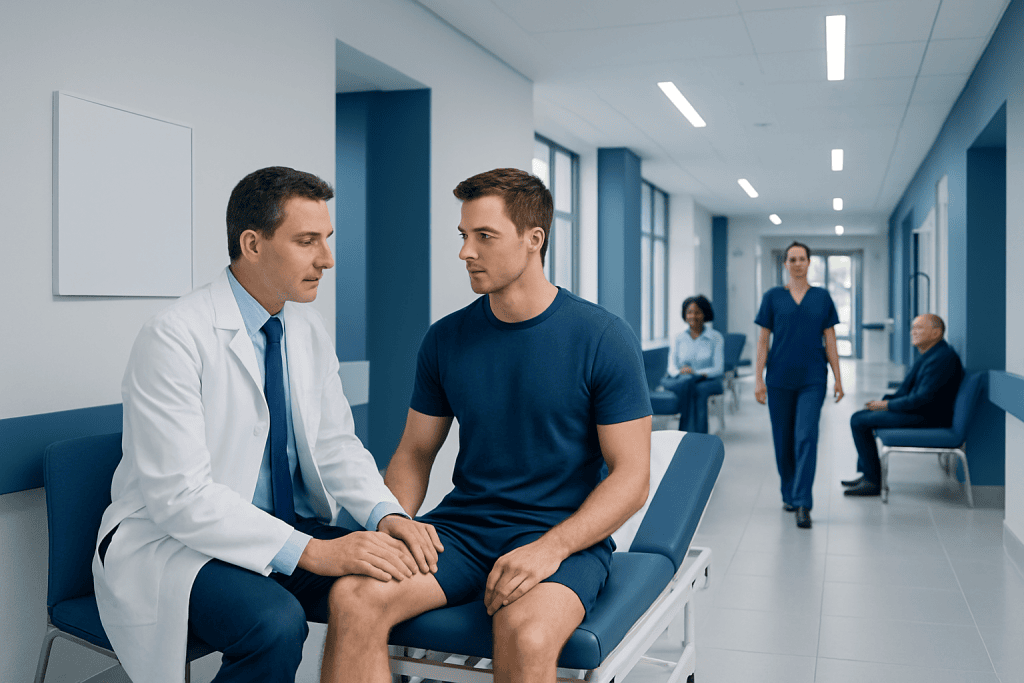
Overuse injuries develop when repeated loading exceeds the body’s ability to recover and adapt. Treatment commonly includes relative rest, activity changes, pain management and progressive rehabilitation.
Key Takeaways
- Overuse injuries develop when repeated loading exceeds the body’s ability to recover and adapt.
- Treatment commonly includes relative rest, activity changes, pain management and progressive rehabilitation.
- Complete inactivity is not always necessary; safe, lower-impact activity may support recovery.
- Recovery time varies with the tissue involved, symptom severity, training load and adherence to rehabilitation.
- Persistent pain, swelling, weakness or pain at rest should be assessed by a qualified clinician.
Treatment of overuse injuries usually starts by reducing the activity that caused tissue overload, then gradually rebuilding strength, mobility and tolerance through a personalized rehabilitation plan. Early assessment can help identify the affected structure and rule out injuries that need more urgent treatment.
Overview: How Treatment of Overuse Injuries Works
Treatment of overuse injuries aims to reduce excessive stress on an irritated tissue while helping the person return safely to daily activities, work or sport. These injuries develop gradually when repeated movement or loading outpaces the recovery of muscles, tendons, bones, joints or other tissues. Common examples include tendinopathy, shin pain, stress injuries of bone, runner’s knee and repetitive strain problems in the wrist or shoulder.
A successful plan is usually more than simply resting until pain improves. Clinicians identify the likely source of symptoms, review movement patterns and training or work demands, and create a stepwise plan to restore strength and load tolerance. The goal is to address both current symptoms and the factors that made the injury more likely to develop.
Most overuse injuries improve without surgery. However, earlier medical assessment is important when symptoms are severe, do not settle with initial self-care, or suggest a possible stress fracture, significant tendon injury or another condition requiring targeted treatment.
What Does an Overuse Injury Feel Like?
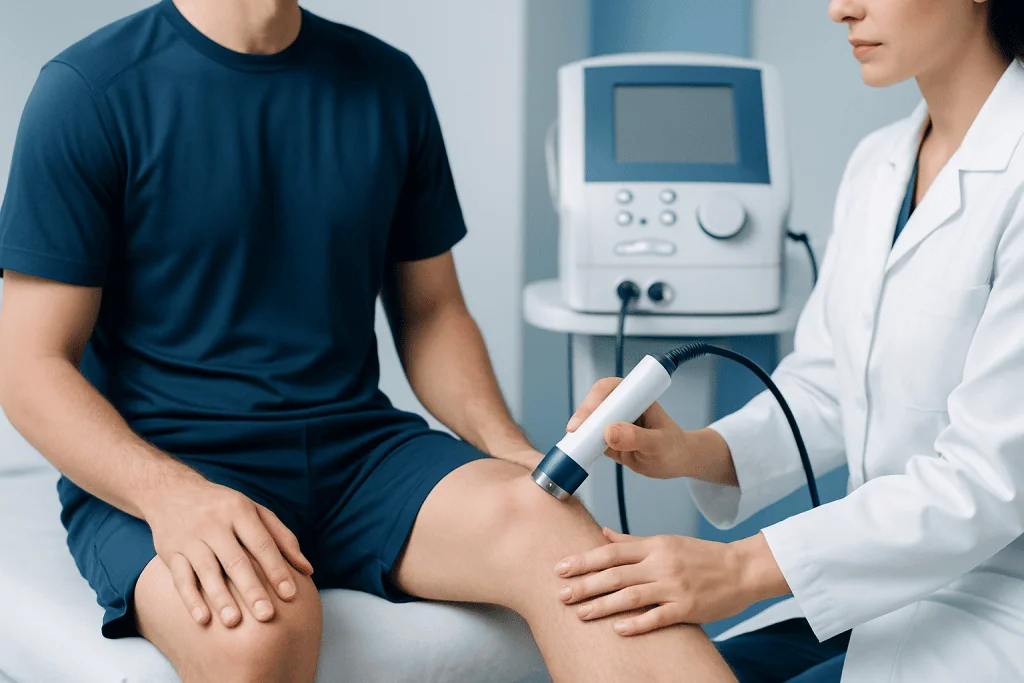
An overuse injury often begins as a mild, localized ache, stiffness or tenderness that occurs during or after a repeated activity. A runner may notice pain in the shin, knee, heel or hip; a tennis player may develop elbow pain; and a person who performs repetitive computer work may experience discomfort in the hand, wrist, forearm, neck or shoulder.
Symptoms may initially ease after warming up, only to return later in the activity or afterward. As the problem progresses, pain may start earlier, last longer, reduce performance or interfere with everyday movements. There may also be swelling, reduced range of motion, weakness, a sensation of tightness or pain when pressing on a specific area.
Not all persistent exercise-related pain is an overuse injury. Sudden severe pain, a popping sensation, marked swelling, deformity, inability to bear weight, numbness or pain that occurs at rest warrants prompt clinical assessment. Bone stress injuries, for example, can become more serious if loading continues despite focal pain.
How Are Overuse Injuries Treated?
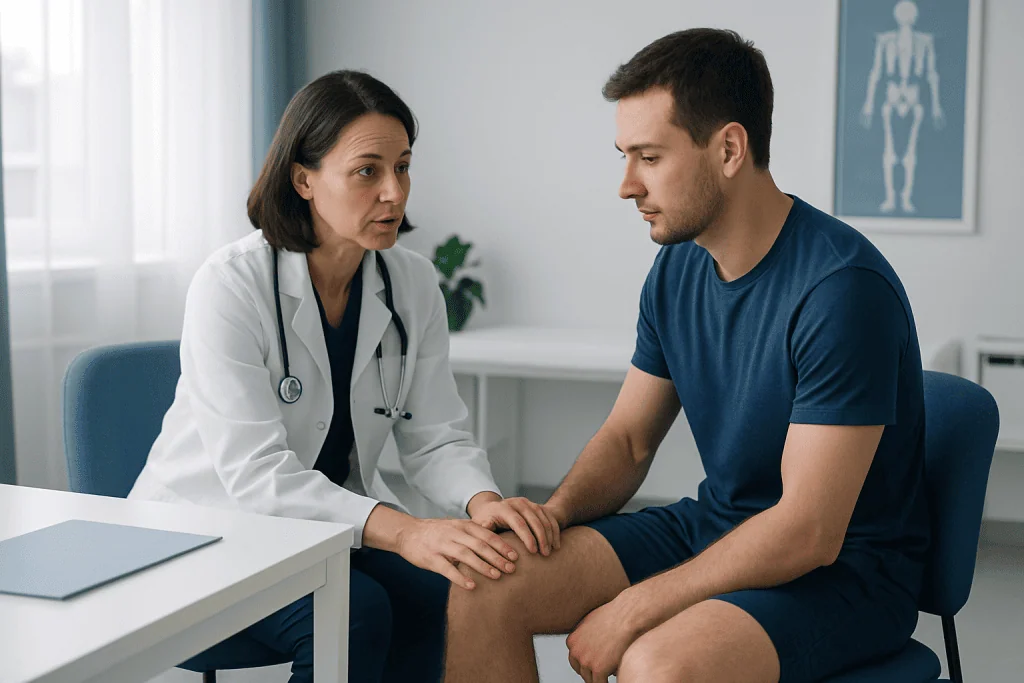
Care is individualized because treatment depends on the body part involved, the affected tissue and the person’s activity goals. The first step is commonly relative rest: reducing or temporarily stopping movements that provoke symptoms while maintaining comfortable, lower-impact activity when appropriate. For example, some people may switch temporarily from running to cycling, swimming or pool-based exercise.
Short-term symptom relief may include ice or heat when helpful, supportive footwear or equipment, taping, bracing or a temporary splint in selected cases. A doctor or pharmacist can advise whether pain-relieving medicines are appropriate, taking into account medical history and other medicines. Pain relief should not be used to continue an activity that is clearly worsening the injury.
Rehabilitation is central to treatment. A physiotherapist may prescribe exercises to improve mobility, strengthen the affected area and related muscle groups, and gradually reintroduce impact, resistance or sport-specific movements. Physical therapy and rehabilitation can also address posture, technique, flexibility, balance and movement control that may contribute to repeated overload.
When symptoms are persistent or a structural injury is suspected, treatment may include targeted imaging, temporary immobilization, specialist-guided injections for selected diagnoses or, rarely, surgery. The appropriate option should be based on a clear diagnosis rather than on pain alone.
Assessment, Candidacy and the Step-by-Step Treatment Plan
Most people with symptoms linked to repetitive exercise, work tasks or hobbies are candidates for conservative treatment. A clinician will ask when symptoms began, which activities make them worse, whether there was a recent increase in training or workload, and what has already been tried. Medical history, nutrition, sleep, footwear, equipment and previous injuries can also be relevant.
The physical examination usually looks at tenderness, swelling, joint movement, muscle strength, balance and functional tasks such as walking, squatting, lifting or sport-specific movements. X-rays may be used when bone injury is suspected, although early stress injuries may not appear on an X-ray. Ultrasound or MRI may be considered when the diagnosis remains unclear or when results would change management.
A typical care pathway includes: confirming the likely diagnosis; reducing aggravating load; choosing safe alternative activity; introducing symptom-guided mobility and strengthening exercises; then progressing to work, training or sport in measured stages. Progression is based on symptoms and function, not just the number of days since pain began.
People who have recurrent injuries, very high training demands, biomechanical concerns or health conditions that affect healing may benefit from coordinated care involving sports medicine, orthopedics, physiotherapy and, where appropriate, nutrition or other specialties. Acibadem International’s multidisciplinary specialists and JCI-accredited hospitals support diagnosis and treatment for international patients.
How Long Does It Take to Recover From an Overuse Injury?
Recovery can range from days to weeks for mild soft-tissue irritation, while more established tendon problems or bone stress injuries may take several weeks to months. The timeline depends on the diagnosis, severity, whether the aggravating activity has been modified, overall health, sleep, nutrition and the ability to follow a gradual rehabilitation plan.
Improvement is rarely perfectly linear. It is common to have mild fluctuations as activity is reintroduced. In general, pain should become less frequent, less intense and quicker to settle, while strength and confidence improve. A noticeable flare after increasing activity may mean that progression was too rapid and should be adjusted with a clinician or physiotherapist.
Returning too early can prolong recovery. For this reason, return-to-sport or return-to-work decisions commonly consider pain during and after activity, range of motion, strength, functional testing and the ability to complete relevant movements without a significant symptom increase. A bone stress injury or serious tendon injury needs particularly careful medical guidance.
How Do I Recover From an Overuse Injury?
Recovery begins by identifying and reducing the activity, movement or workload that caused symptoms to build up. This does not necessarily mean complete bed rest. Depending on the diagnosis, a clinician may encourage comfortable movement and alternative forms of exercise that do not aggravate the painful area. The right balance protects healing tissue while limiting unnecessary loss of fitness and strength.
A structured rehabilitation program should progress from basic movement and strength work to higher-load and activity-specific exercises. For example, someone recovering from a running-related injury may later add walking, controlled jogging, changes of direction and eventually faster running. The pace should be individualized, with symptoms monitored during activity and afterward.
Recovery is also supported by adequate sleep, regular meals that meet energy and protein needs, hydration and planned rest days. Reviewing training changes is important: rapid increases in distance, intensity, repetitions, weight or frequency are common contributors. Appropriate footwear, work ergonomics and technique can also reduce repeated stress.
It is helpful to keep a simple record of symptoms, activity and recovery. This can show patterns and help guide adjustments. If pain is worsening, becoming more focal, occurring at night or at rest, or not improving with a reasonable period of activity modification, medical review is advisable.
Benefits, Risks and Preventing Recurrence
The main benefits of a well-planned treatment program are reduced pain, improved function and a safer return to valued activities. Rehabilitation also helps build the capacity needed for future demands, which is important because pain may improve before the tissue is fully ready for previous training or work levels.
The principal risk is doing too much too soon or relying on symptom relief while continuing excessive loading. This can delay recovery and, in some situations, allow a stress injury or tendon problem to worsen. On the other hand, prolonged complete inactivity without guidance can contribute to stiffness, weakness and reduced conditioning.
Prevention usually focuses on gradual changes in activity, regular strengthening, adequate recovery and attention to early warning symptoms. People should increase one training variable at a time where possible, such as distance, intensity or frequency. Alternating activities and including rest or lower-load days can help avoid repeated stress on the same tissues.
- Warm up and build intensity progressively.
- Use suitable equipment, footwear and work setup.
- Include strength and mobility exercises relevant to the activity.
- Respond early to persistent pain rather than training through it.
- Seek professional advice for recurring symptoms or repeated injuries.
When to Seek Medical Care
Medical care is recommended when pain persists despite reducing the triggering activity, repeatedly returns with attempted exercise, limits normal walking or daily tasks, or is associated with weakness, swelling or loss of movement. Assessment is especially important for pinpoint bone pain, as this can be a feature of a bone stress injury.
Urgent evaluation is appropriate for inability to bear weight or use a limb, a visible deformity, severe swelling, a sudden tear or popping sensation, fever with a red and hot joint, or numbness and loss of circulation symptoms. These features may indicate a problem other than a routine overuse injury.
A sports medicine physician, orthopedic specialist or physiotherapist can help establish the diagnosis and develop a safe return plan. Timely care can clarify whether conservative rehabilitation is sufficient or whether additional testing and treatment are needed.
Frequently asked questions
How are overuse injuries treated?
Overuse injuries are typically treated by reducing the activity that triggers pain, managing symptoms and gradually rebuilding strength and tolerance through rehabilitation. The treatment plan may also include changes to training, technique, footwear, equipment or workplace ergonomics. Persistent or severe symptoms should be evaluated to identify the specific condition and rule out injuries such as stress fractures.
How long does it take to recover from an overuse injury?
Recovery time varies widely. A mild injury may improve within a few weeks, while longstanding tendon problems or bone stress injuries can require weeks to months of structured recovery. Return should be guided by symptom improvement and functional readiness rather than a fixed timeline.
What does an overuse injury feel like?
It often feels like an ache, stiffness, tenderness or localized pain that builds during or after repeated activity. Symptoms may initially improve with warming up and then return later. As the injury worsens, pain can interfere with normal movement or occur even with less activity.
How do I recover from an overuse injury?
Recovery involves modifying painful activities, maintaining safe movement where appropriate and following a gradual strengthening and return-to-activity program. Adequate sleep, nutrition, recovery days and avoiding sudden increases in workload are also important. A clinician or physiotherapist can tailor the plan to the injury and the person’s goals.
Should I rest completely with an overuse injury?
Complete rest is not always necessary and may not be ideal for every injury. Many people benefit from relative rest, which means avoiding painful loading while continuing comfortable, low-impact activity if advised. The correct approach depends on the affected tissue and the possibility of a more serious injury.
Can I exercise while recovering from an overuse injury?
In many cases, exercise can continue in a modified form that does not significantly worsen symptoms. Lower-impact alternatives may help preserve fitness while the affected area recovers. A healthcare professional can advise which activities and progression are safe for the individual diagnosis.
References
- American Academy of Orthopaedic Surgeons
- American College of Sports Medicine
- National Institute of Arthritis and Musculoskeletal and Skin Diseases
- Mayo Clinic
- National Health Service
This article is for general information only and is not a substitute for professional medical advice. Please consult a qualified doctor about your individual situation.
Joint and spine care in Turkey — expert assessment & treatment
JCI-accredited · board-certified surgeons · reply within 24h
Add us as a Preferred Source to see more of our trusted health content across Google Search, AI Overviews and Discover.