

Mismatch Repair Deficiency: Procedure, Recovery and Results

Mismatch repair deficiency is a tumor biomarker, not a symptom or diagnosis by itself. Testing usually uses a tissue sample already collected during a biopsy or surgery.
Key Takeaways
- Mismatch repair deficiency is a tumor biomarker, not a symptom or diagnosis by itself.
- Testing usually uses a tissue sample already collected during a biopsy or surgery.
- dMMR results can influence immunotherapy eligibility and prompt assessment for Lynch syndrome.
- An abnormal tumor result does not automatically mean a person has an inherited genetic condition.
- Recovery is generally related to the biopsy or surgery used to obtain tissue, not to the laboratory test itself.
Mismatch repair deficiency (dMMR) is a finding in tumor cells showing that a DNA-repair system is not working normally. It is identified through pathology tests rather than a procedure a patient can feel, and the result may help guide cancer treatment and evaluation for inherited conditions such as Lynch syndrome.
Overview: What mismatch repair deficiency means
Mismatch repair deficiency, often shortened to dMMR, means that cancer cells have lost normal function in one or more proteins responsible for correcting small errors that occur when DNA is copied. The mismatch repair system helps maintain genetic stability. When it does not work, DNA errors can build up over time, which may contribute to cancer development and can create features that are important for treatment planning.
A simple mis repair definition is a failure of the body’s cellular “proofreading” system. dMMR is most often assessed in colorectal and endometrial cancers, but testing may also be appropriate in several other tumor types. It is a laboratory finding from tumor tissue, not a condition that causes a distinct set of symptoms.
In many cancers, dMMR is associated with microsatellite instability, particularly high microsatellite instability (MSI-H). These terms are related but are measured with different tests. A pathology and oncology team interprets the result together with the cancer type, stage, personal history and family history.
How mismatch repair testing works
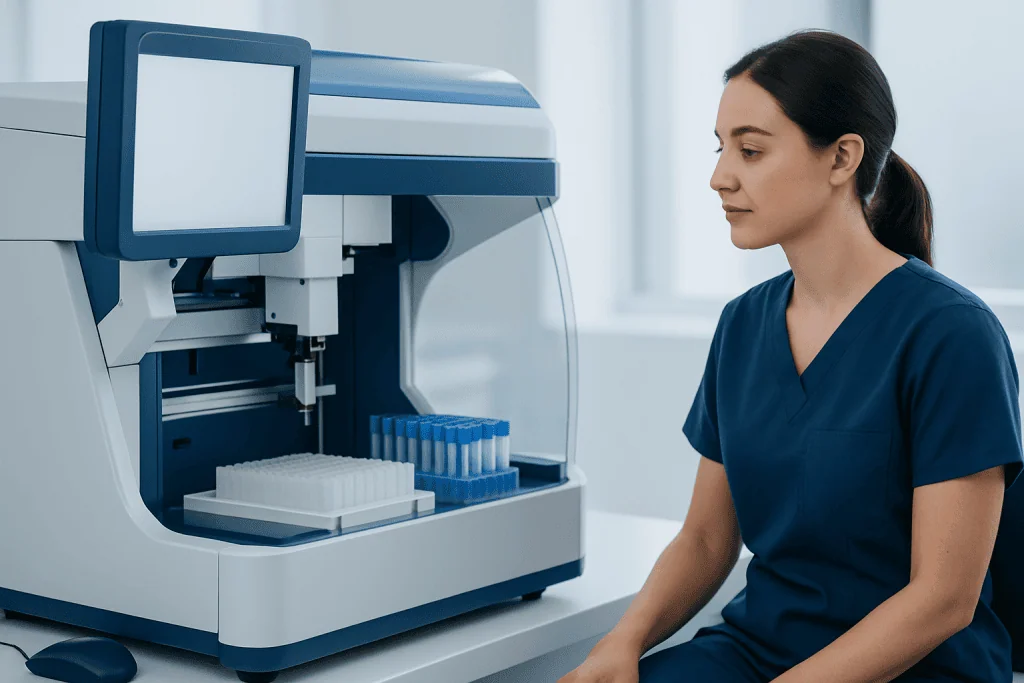
Mismatch repair testing is usually performed on a tumor sample that has already been removed during a biopsy, endoscopy or cancer surgery. No additional procedure may be needed if there is enough preserved tissue. A pathologist examines the sample using immunohistochemistry (IHC), a stain that checks for the presence of four key mismatch repair proteins: MLH1, PMS2, MSH2 and MSH6.
If one or more proteins are absent in tumor cells, the result is described as deficient mismatch repair. IHC can sometimes suggest which gene pathway needs further investigation. Another method, microsatellite instability testing, analyzes repeated DNA sequences to look for accumulated copying errors. Some centers use both methods or add tumor sequencing when results need clarification.
Patients may see several entries on pathology paperwork, laboratory bills or insurance documents. A mismatch repair CPT code refers to a billing classification for a particular laboratory service and can vary according to the technique and local coding practices. Likewise, mismatch repair deficiency ICD 10 terminology may be used for documentation, but coding does not replace the pathologist’s written interpretation.
Sometimes patients ask about “mismatch reports” or a “mismatch deformity.” In cancer care, a mismatch report usually means a pathology or molecular test report. A mismatch deformity is not a standard term for dMMR and may refer to an unrelated issue; it is sensible to ask the clinical team what wording applies in an individual record.
Who may be offered testing

Many guidelines support routine tumor screening for dMMR in newly diagnosed colorectal and endometrial cancers. Testing may also be considered for cancers of the stomach, small intestine, pancreas, ovaries, urinary tract, brain or certain skin glands, especially when there is a personal or family history that raises concern for Lynch syndrome.
Testing can be particularly useful when cancer develops at a younger-than-expected age, when a person has had more than one cancer associated with Lynch syndrome, or when close relatives have had colorectal, uterine or related cancers. However, dMMR can occur without a known family history. It may result from changes that developed only in the tumor rather than from an inherited gene variant.
People with a dMMR tumor are often offered genetic counseling. A genetics professional can review the result, explain whether germline genetic testing is appropriate and discuss what the findings could mean for relatives. Genetic testing is voluntary and should be based on informed discussion of benefits, limitations and possible family implications.
The procedure: steps, preparation and recovery
Mismatch repair testing itself is performed in a pathology laboratory and does not involve an operation, anesthesia or a recovery period. The patient’s role is usually to provide consent for a biopsy, surgery or genetic evaluation when required, and to ensure the care team has an accurate personal and family cancer history.
The typical process begins when tissue is collected during a diagnostic biopsy or cancer operation. The specimen is preserved and reviewed by a pathologist, who selects suitable tumor tissue for IHC, MSI testing or other molecular analysis. The laboratory issues a report describing whether mismatch repair protein expression is retained or lost, and the treating clinician discusses what that result means in context.
Recovery depends on how tissue was obtained. A simple needle biopsy or endoscopic biopsy may cause brief soreness, fatigue or minor bleeding, while recovery after surgery varies with the operation. The laboratory analysis does not add physical recovery time. Results may take days to a few weeks, depending on the test and whether additional studies are needed.
Benefits of testing include more individualized treatment planning and identification of patients who may benefit from genetic assessment. The main limitations are that tissue may be insufficient, results can occasionally be unclear, and an abnormal tumor result does not by itself establish an inherited diagnosis. Repeat testing or additional molecular tests may be recommended in selected cases.
Understanding results and treatment implications
A result may show intact expression of all mismatch repair proteins, loss of one or more proteins, an indeterminate result or an inadequate specimen. Loss of MLH1 and PMS2, for example, may lead to additional tumor testing to help distinguish a sporadic tumor change from a pattern that could be associated with Lynch syndrome. The final interpretation should be made by the oncology, pathology and genetics teams together.
For some advanced or recurrent cancers, dMMR or MSI-H status can help determine whether immunotherapy is an appropriate option. Immunotherapy supports the immune system’s ability to recognize and respond to cancer cells, but suitability depends on the cancer type, extent of disease, previous treatments, general health and potential side effects. It is not automatically the first treatment for every dMMR cancer.
Standard cancer care may still include surgery, chemotherapy, radiotherapy, hormone treatment, targeted medicines or close surveillance. The treatment plan is individualized. A dMMR result can also affect decisions about the extent of surgery or screening for future cancers when an inherited syndrome is confirmed.
Acibadem International’s multidisciplinary specialists and JCI-accredited hospitals support diagnosis, pathology review, genetic assessment and treatment planning for international patients with cancers requiring molecular evaluation.
Risks, benefits and self-care while waiting for results
There are no direct physical risks from testing a stored tumor sample. Risks from obtaining a new biopsy are generally small but can include pain, bruising, bleeding, infection or, depending on the biopsy location, organ-specific complications. The clinician performing the biopsy explains the expected benefits and possible risks before the procedure.
The emotional impact of waiting for pathology or genetic information can be significant. It may help to write down questions before appointments, bring a trusted support person and ask for a copy of the pathology report. A genetic counselor, oncology nurse, social worker or mental health professional may provide additional support when cancer or inherited-risk concerns feel overwhelming.
Patients should continue recommended cancer care and follow-up while results are pending. They should not assume that relatives need genetic testing based only on a preliminary tumor report. If germline testing confirms an inherited variant, a genetics team can explain which family members may benefit from counseling and targeted testing.
When to seek medical care
A person should arrange medical review for persistent rectal bleeding, blood in the stool, unexplained weight loss, a lasting change in bowel habits, persistent abdominal or pelvic pain, unusual vaginal bleeding or unexplained fatigue. These symptoms have many possible causes, but timely assessment is important, particularly for people with a personal or family history of cancer.
Anyone who has received a pathology report showing dMMR, MSI-H or loss of a mismatch repair protein should discuss the finding with the treating cancer specialist. A referral to genetic counseling may be appropriate, especially if the report suggests possible Lynch syndrome or there is a notable family cancer history.
After a biopsy or surgery, urgent medical advice is appropriate for severe or increasing pain, heavy bleeding, fever, worsening redness or swelling at a wound, shortness of breath, chest pain, fainting or any symptom the surgical team has identified as urgent. Patients should follow their own discharge instructions, as warning signs vary by procedure.
Frequently asked questions
Is mismatch repair deficiency the same as Lynch syndrome?
No. dMMR is a finding in tumor tissue showing that mismatch repair activity is reduced or absent. Lynch syndrome is an inherited condition caused by a germline variant in a mismatch repair-related gene. Some dMMR tumors are linked to Lynch syndrome, while others result from changes that occurred only in the tumor.
Does a dMMR result mean immunotherapy will work?
A dMMR result may make immunotherapy an important treatment option in certain cancers, particularly when cancer is advanced, recurrent or cannot be removed surgically. It does not guarantee a response. An oncologist considers the full clinical situation, available treatments and possible side effects.
Do patients need another biopsy for mismatch repair testing?
Often, no. The pathology laboratory can frequently test tissue already collected during a diagnostic biopsy or surgery. A new sample may be requested if the original tissue is limited, damaged or not representative enough for reliable analysis.
How long do mismatch repair test results take?
Timing varies by laboratory and the type of test performed. Basic immunohistochemistry results may be available relatively quickly, while additional MSI testing, sequencing or confirmatory studies can take longer. The care team can provide the most accurate estimate for the individual case.
Can a dMMR result affect family members?
It can, but only after careful evaluation. A dMMR tumor result may lead to genetic counseling and germline testing to determine whether an inherited condition such as Lynch syndrome is present. If an inherited variant is identified, relatives may be offered counseling and appropriate testing.
Can mismatch repair deficiency be prevented?
The tumor biomarker itself cannot usually be prevented. However, people with confirmed Lynch syndrome can reduce cancer risk through personalized surveillance, recommended screening and, in some situations, risk-reducing interventions. A genetics and oncology team can create an individual plan.
References
- National Cancer Institute
- National Comprehensive Cancer Network
- American Society of Clinical Oncology
- Centers for Disease Control and Prevention
- College of American Pathologists
This article is for general information only and is not a substitute for professional medical advice. Please consult a qualified doctor about your individual situation.
Oncology care in Turkey — second opinion and treatment plan
JCI-accredited · board-certified surgeons · reply within 24h
Add us as a Preferred Source to see more of our trusted health content across Google Search, AI Overviews and Discover.

More from the Health Library



Related Specialists

Dr. Elif Avşaroğlu
Gynecology & Obstetrics
Dr. Süreyya Işık Coşkun
Psychiatry
Dt. Ceren Güney Güleç
Oral & Dental Health
Dt. Hakan Karagözoğlu
Oral Dental & Maxillofacial Surgery