What Is the Natural Pacemaker of the Heart: An Evidence-Based Patient Guide

The sinoatrial node is the heart’s natural pacemaker and normally initiates each heartbeat. A healthy resting heart rate for many adults is commonly 60 to 100 beats per minute, although individual rates vary.
Key Takeaways
- The sinoatrial node is the heart’s natural pacemaker and normally initiates each heartbeat.
- A healthy resting heart rate for many adults is commonly 60 to 100 beats per minute, although individual rates vary.
- When the SA node or electrical pathways malfunction, the heart may beat too slowly, too quickly, or irregularly.
- Symptoms such as fainting, chest pain, severe shortness of breath, or a persistently very slow pulse need prompt medical assessment.
- An implanted pacemaker may be recommended when clinically significant slow heart rhythms cause symptoms or pose a health risk.
The natural pacemaker of the heart is the sinoatrial (SA) node, a small cluster of specialized cells in the right upper chamber of the heart. It produces electrical impulses that normally set the heart’s rhythm and help the heart beat at an appropriate rate for rest, activity, and sleep.
Overview: the heart’s electrical timing system
The heart pumps blood by contracting in a coordinated sequence. This coordination depends on an internal electrical system rather than on conscious control. Specialized cells create and conduct tiny electrical signals that tell the upper chambers, called atria, and lower chambers, called ventricles, when to contract.
The usual electrical pathway begins in the sinoatrial node, travels through the atria, pauses briefly at the atrioventricular node, and then continues through conduction fibers to the ventricles. This carefully timed sequence allows the atria to help fill the ventricles before the ventricles pump blood to the lungs and the rest of the body.
Changes in heart rate are normal. During exercise, stress, fever, or excitement, the nervous system can signal the heart to beat faster. During sleep and deep relaxation, the rate often slows. Problems may arise when the electrical system cannot produce or transmit signals reliably enough to meet the body’s needs.
What is the natural pacemaker of the heart?
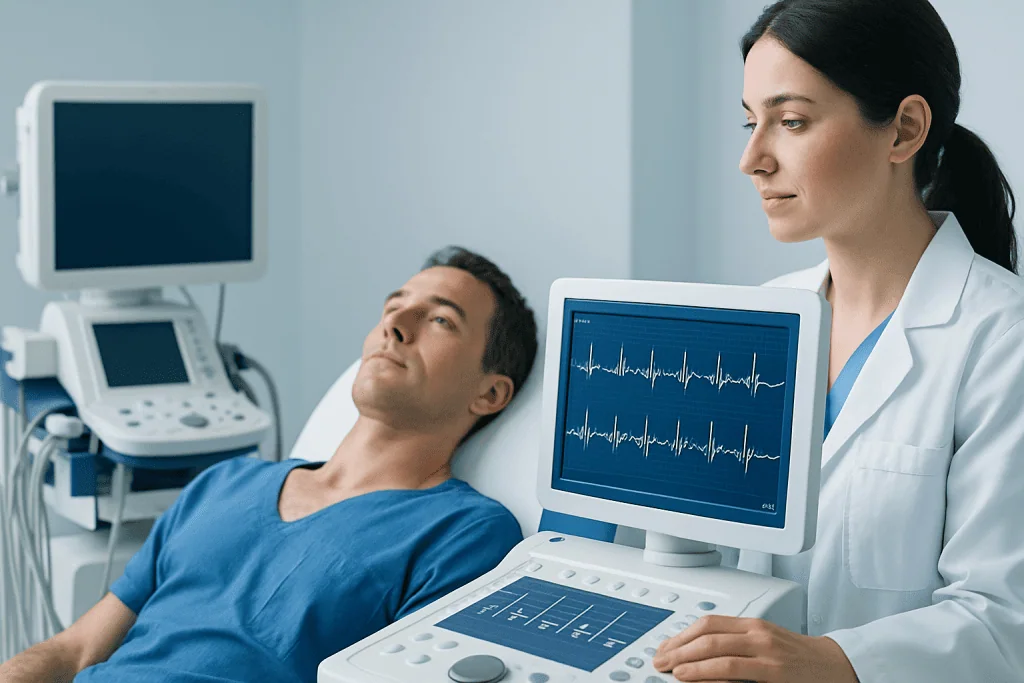
The natural pacemaker of the heart is the sinoatrial node, usually shortened to the SA node or sinus node. It is a small area of specialized electrical cells located in the right atrium, near where a large vein called the superior vena cava enters the heart. The SA node normally starts the electrical impulse for every heartbeat.
Because these cells can generate electrical impulses automatically, the SA node sets the basic rhythm of the heart. This normal rhythm is called sinus rhythm. In most adults at rest, sinus rhythm produces a heart rate of about 60 to 100 beats per minute, but lower rates can be normal in some healthy people, especially trained athletes or people who are asleep.
The SA node does not work in isolation. Nerves, hormones, body temperature, medications, and the body’s oxygen needs all influence how frequently it fires. The result is a flexible system that can increase the heart rate during activity and reduce it when less circulation is required.
How the natural pacemaker works
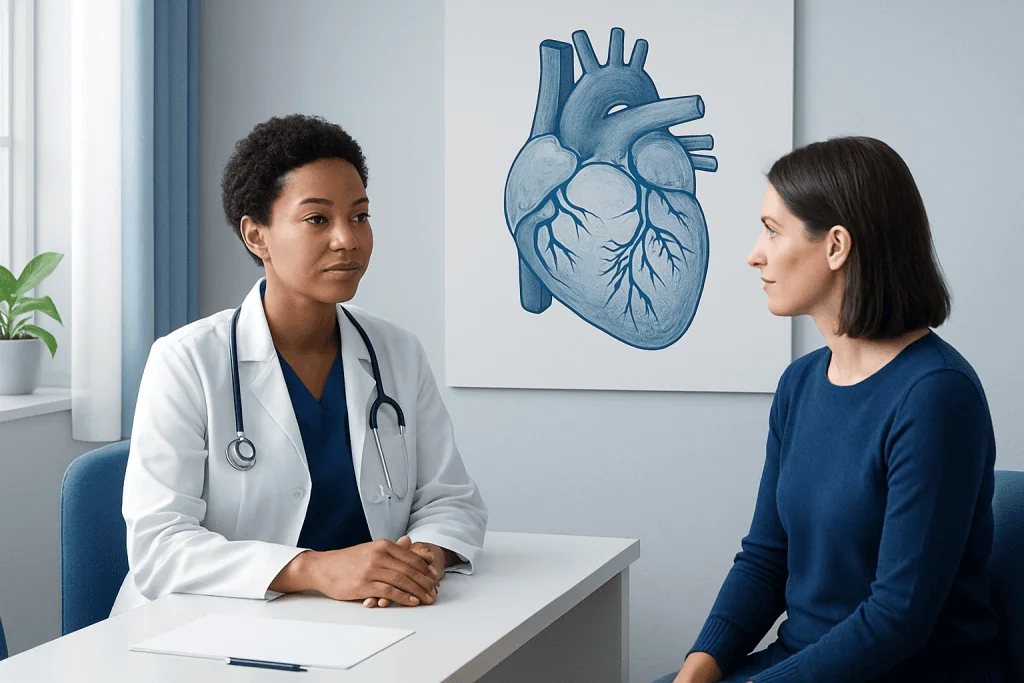
Each impulse created by the SA node spreads across the right and left atria, causing them to contract. The impulse then reaches the atrioventricular, or AV, node. This node provides a very brief delay, which gives the ventricles time to fill with blood before they contract.
From the AV node, the signal travels through the bundle of His, bundle branches, and Purkinje fibers. These pathways distribute the impulse through the ventricles so they squeeze in a coordinated way. The right ventricle sends blood to the lungs, while the left ventricle sends oxygen-rich blood to the body.
If the SA node slows or pauses, other parts of the electrical system may sometimes take over as backup pacemakers. However, these backup rhythms are typically slower and may not provide an adequate heart rate. An electrocardiogram, or ECG, records the heart’s electrical activity and can help clinicians identify where a rhythm problem begins.
What happens if the heart's natural pacemaker fails?
If the SA node does not generate impulses consistently, the heart may beat too slowly, pause, or alternate between slow and fast rhythms. This is often described as sinus node dysfunction or sick sinus syndrome. It may occur because of age-related changes in the heart’s electrical tissue, heart disease, inflammation, thyroid disorders, sleep apnea, or the effects of certain medications.
Some people have no symptoms, particularly if slow heart rates occur only during sleep. Others may experience fatigue, reduced exercise tolerance, dizziness, lightheadedness, palpitations, confusion, or fainting because the brain and other organs temporarily receive less blood flow. Symptoms should always be assessed in the context of the person’s health, medicines, activity level, and ECG findings.
Doctors first look for reversible contributors, such as a medication effect or an untreated medical condition. When slow rhythms are persistent, clearly linked to symptoms, or associated with dangerous pauses, an implanted cardiac pacemaker may be advised. The device monitors the heart rhythm and delivers a small electrical impulse when the heart is too slow or misses a beat.
Not all rhythm problems require a pacemaker. Fast or irregular rhythms may need a different approach, such as medication, treatment of an underlying condition, catheter-based treatment, or monitoring. An individualized evaluation by a cardiologist is important.
What is a pacemaker natural?
“Pacemaker natural” is commonly used to mean the heart’s natural pacemaker: the SA node. It is not a medical name for an implanted device. The natural pacemaker is living heart tissue that produces electrical signals on its own and adjusts its pace in response to the body’s changing needs.
An implanted pacemaker is different. It is a small medical device placed under the skin, commonly below the collarbone, with one or more leads positioned in the heart or, in selected cases, a leadless device placed directly in the heart. It does not usually replace every heartbeat; instead, it provides support when the heart’s own rhythm is too slow or unreliable.
Modern devices can be programmed to a person’s clinical needs and may adjust pacing during activity. They are used for certain forms of bradycardia, conduction block, and selected heart failure situations. The recommendation depends on symptoms, ECG results, rhythm-monitoring findings, and the cause of the electrical problem.
Pacemaker treatment: candidacy and what the procedure involves
A person may be considered for a permanent pacemaker when testing shows clinically important bradycardia or conduction disease and there is a reasonable expectation that pacing will improve symptoms or reduce risk. Typical reasons include symptomatic sinus node dysfunction, certain types of AV block, or recurrent pauses that are not due to a reversible cause. A cardiology team may use an ECG, ambulatory rhythm monitor, echocardiogram, blood tests, and medication review before making a recommendation.
Pacemaker implantation is generally performed in a hospital procedure room using local anesthetic and sedation when appropriate. After the skin is cleaned and numbed, the clinician makes a small incision, usually near the collarbone. Leads may be guided through a vein into the heart with imaging guidance and connected to a pulse generator placed beneath the skin. In suitable patients, a leadless pacemaker can be delivered through a vein in the groin and attached inside the heart.
The device is tested during the procedure to confirm appropriate sensing and pacing. The incision is then closed and covered. The team programs the pacemaker and provides a device identification card, follow-up plan, and clear instructions about wound care, activity, medicines, and device checks.
Benefits can include fewer symptoms from slow heart rhythms, improved ability to be active, and protection against clinically significant pauses. Risks are uncommon but can include bleeding, infection, bruising, blood vessel injury, lead movement, collapsed lung, or a need for another procedure. The treating team explains the expected benefits and individual risks before consent.
Recovery, daily life, and what is a good heart rate if you have a pacemaker?
After implantation, many people return home the same day or after an overnight stay, depending on the device, medical history, and local care plan. Mild soreness or bruising at the incision is common initially. The wound should be kept clean and dry as instructed, and patients should contact their care team if they notice increasing redness, swelling, drainage, fever, or worsening pain.
For the first several weeks, clinicians commonly advise avoiding heavy lifting and repetitive overhead movement on the side of the implant, particularly when leads have been placed. This helps the area heal and reduces the chance of lead displacement. The exact recovery timeline varies, so individual instructions from the implanting team should take priority.
A good heart rate if a person has a pacemaker is not one fixed number. The device may be set with a lower rate limit, often tailored to the individual, while allowing the heart rate to rise with activity when appropriate. A clinician considers symptoms, exercise capacity, heart function, medications, age, and other conditions rather than relying on a single pulse target.
Routine device checks may occur in clinic and remotely. Most household electronics are safe when used normally, but patients should keep strong magnets and certain industrial equipment away from the device and tell healthcare professionals about the pacemaker before procedures. Acibadem International’s multidisciplinary specialists and JCI-accredited hospitals provide assessment and treatment for heart rhythm conditions for international patients.
When to seek medical care
Medical review is appropriate for repeated dizziness, unexplained fatigue, fainting, new palpitations, reduced ability to exercise, or a pulse that seems persistently slow or irregular. These symptoms can have many possible causes, but a healthcare professional can determine whether a heart rhythm problem is involved.
Emergency medical care is needed for chest pain or pressure, severe shortness of breath, fainting with injury, severe weakness, new confusion, or symptoms suggesting a heart attack or stroke. A person should not drive themselves if they feel faint or severely unwell.
People with an implanted pacemaker should seek prompt advice for signs of wound infection, a new fever soon after implantation, repeated hiccups or muscle twitching near the device, a device alert, or a return of symptoms that had improved. Regular follow-up helps ensure the pacemaker settings, leads, and battery remain appropriate over time.
Frequently asked questions
Can the natural pacemaker of the heart be strengthened naturally?
The SA node is specialized heart tissue, and there is no proven home method that directly strengthens it. Healthy habits such as avoiding tobacco, managing blood pressure, getting adequate sleep, and taking medicines as prescribed support overall cardiovascular health. Persistent slow pulse or symptoms should be evaluated rather than managed with supplements or self-treatment.
Is a slow heart rate always a sign that the SA node is failing?
No. A slow heart rate can be normal during sleep and in physically fit people, and it may also occur with some medicines. It becomes more concerning when it causes symptoms, is very slow while awake, includes long pauses, or occurs with certain ECG abnormalities. A clinician can assess the pattern with an ECG or rhythm monitor.
Does an implanted pacemaker cure the underlying heart condition?
A pacemaker treats slow or unreliable electrical signaling by supporting the heart rate. It does not necessarily cure the cause of the rhythm problem or treat every type of heart disease. Ongoing follow-up may still be needed for other cardiac conditions and medicines.
Can a person exercise with a pacemaker?
Most people can return to regular physical activity after healing and after receiving clearance from their cardiology team. Activity recommendations depend on the reason for pacing, other heart conditions, and the type of exercise. Contact sports may require additional discussion to protect the device area.
Can a pacemaker stop a fast heartbeat?
A standard pacemaker is mainly used to prevent the heart from beating too slowly. Some devices have features that help manage selected rhythm patterns, but a pacemaker is not the main treatment for most fast heart rhythms. The right treatment depends on the specific arrhythmia.
How long does recovery take after pacemaker implantation?
The incision commonly begins to heal over one to two weeks, while activity restrictions may continue for several weeks, particularly for arm movement and lifting on the implant side. Recovery varies based on the type of device and the person’s health. The implanting team provides the safest timeline for returning to work, exercise, and driving.
References
- American Heart Association
- National Heart, Lung, and Blood Institute
- Mayo Clinic
- European Society of Cardiology
- Heart Rhythm Society
This article is for general information only and is not a substitute for professional medical advice. Please consult a qualified doctor about your individual situation.
Heart care in Turkey — expert evaluation and treatment
JCI-accredited · board-certified surgeons · reply within 24h
Add us as a Preferred Source to see more of our trusted health content across Google Search, AI Overviews and Discover.
Check your numbers in seconds
BMI, calories, due date, blood pressure and 30+ more clinical calculators — free, instant, doctor-reviewed ranges.