Womens Colonoscopy: Preparation, Procedure and Results
Colonoscopy can identify and often remove polyps before they develop into cancer. Women generally undergo the same procedure as men, although anatomy and prior pelvic surgery may sometimes make the examination more technically complex.
Key Takeaways
- Colonoscopy can identify and often remove polyps before they develop into cancer.
- Women generally undergo the same procedure as men, although anatomy and prior pelvic surgery may sometimes make the examination more technically complex.
- A clear-liquid diet and prescribed bowel-cleansing medicine are essential because a clean colon improves visibility.
- Most people are sedated and remember little or none of the procedure itself.
- Temporary bloating, gas and mild cramping can occur afterward; serious complications are uncommon but require prompt medical attention.
Womens colonoscopy is an examination of the large bowel that helps detect polyps, colorectal cancer and causes of symptoms such as rectal bleeding or ongoing bowel changes. The test is usually performed with sedation, and careful bowel preparation is the most important step for an accurate result.
Womens Colonoscopy: What It Is and Why It Matters
A womens colonoscopy is a procedure that lets a gastroenterologist examine the lining of the rectum and colon using a flexible tube with a small camera. It is used for colorectal cancer screening and to investigate concerns such as blood in the stool, unexplained iron-deficiency anemia, persistent changes in bowel habits, chronic diarrhea, abdominal discomfort, or unexplained weight loss.
Although the procedure is fundamentally the same for all adults, women may have individual considerations. These can include pregnancy, menstrual bleeding, pelvic floor symptoms, endometriosis, a history of cesarean birth or gynecologic surgery, and medications used for contraception, hormone therapy, diabetes, or blood thinning. Sharing this information with the clinical team helps them plan care safely.
Colonoscopy is especially valuable because it can be both diagnostic and preventive. If the doctor finds many types of polyps, they can often remove them during the same examination. The removed tissue may be sent to a laboratory so the care team can explain what it means and whether follow-up is needed.
Who May Need a Colonoscopy and How It Works
Average-risk adults are commonly offered colorectal cancer screening beginning in midlife, but the appropriate age and screening method depend on local guidance, family history, personal health and previous test results. People with a parent, sibling or child affected by colorectal cancer or advanced polyps may need screening earlier or more often. Those with inflammatory bowel disease or inherited cancer syndromes may also follow a specialist surveillance plan.
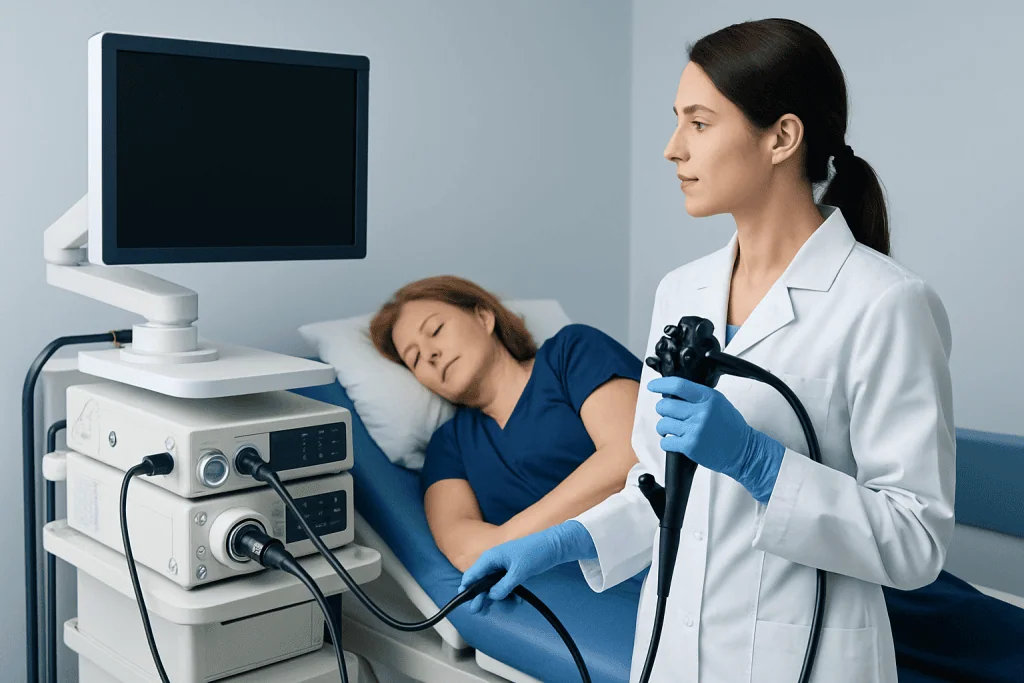
During colonoscopy, the doctor gently advances a colonoscope through the rectum and around the large bowel. Air or carbon dioxide is introduced to open the colon slightly and allow a clear view. The camera transmits images to a monitor, allowing the doctor to look for inflammation, bleeding sources, diverticula, polyps and suspicious areas.
A colonoscopy may not be suitable at a particular time for everyone. Acute severe illness, certain bowel conditions, pregnancy, significant heart or lung problems, and use of particular medicines may require an individualized plan. A clinician will review medical history, allergies, previous anesthesia experiences and medicines before scheduling the examination.
Preparing for a Womens Colonoscopy
The quality of bowel preparation strongly affects the quality of the examination. The colon must be as empty and clean as possible so that small polyps and subtle abnormalities are not hidden by stool. The endoscopy team provides detailed instructions, which should take priority over general advice because preparation products and schedules vary.
Preparation commonly involves changing to a low-fiber diet for a short period, followed by clear liquids the day before the test and a prescribed laxative solution. Many services recommend split-dose preparation, meaning that part is taken the evening before and the remaining part is taken closer to the procedure. This approach often improves bowel cleansing, but timing must follow the instructions given by the clinical team.
Women should tell the team if there is any chance of pregnancy, if they are breastfeeding, or if they use blood thinners, iron supplements, diabetes medication, injectable weight-management medicines, or medicines for constipation. These medicines may need temporary adjustment, but they should never be stopped without specific medical advice.
- Choose clear liquids permitted by the care team, such as water, clear broth, tea or coffee without milk, and clear electrolyte drinks.
- Stay near a toilet after starting the bowel-cleansing medicine, and use soft toilet paper or protective skin cream if needed.
- Arrange for a responsible adult to take the patient home if sedation is planned.
- Contact the endoscopy service early if vomiting, inability to complete the preparation, or confusion about instructions occurs.
Will I Be Up All Night Pooping With Colonoscopy Prep?
Frequent, urgent bowel movements are expected once the bowel-cleansing medicine begins to work. For many people, this is most active for several hours after each dose, and the timing depends on the preparation product, the dose schedule and individual bowel habits. A split-dose plan can mean bowel movements occur both in the evening and early on the procedure day.
Not everyone will be awake all night, but sleep may be interrupted. Preparing a comfortable bathroom setup, keeping permitted clear fluids nearby, and starting at the instructed time can make the process more manageable. The aim is for bowel movements to become watery and pale yellow or nearly clear by the end of preparation.
If there is no bowel movement after taking the preparation, if vomiting prevents the person from keeping fluids down, or if severe abdominal pain or marked dizziness develops, the endoscopy team should be contacted promptly. They can advise whether the preparation needs adjustment or whether the examination should be rescheduled.
What Is the Hardest Part of Colonoscopy Prep?
For many patients, the hardest part is drinking the prescribed cleansing solution and managing the repeated trips to the bathroom. Some people dislike the taste or volume of the drink, while others find hunger, fatigue, headache or disrupted sleep challenging during the clear-liquid phase.
Chilling the solution, drinking it through a straw if permitted, and alternating it with approved clear liquids may improve tolerability. It is important not to add unapproved flavorings or substitute a different product, because some liquids can interfere with the examination or do not provide adequate cleansing.
Preparation can also feel emotionally difficult, particularly for people who have anxiety, a history of pelvic pain, bowel urgency, or concerns about privacy. Discussing these concerns in advance can help the team offer practical support, explain sedation options and make reasonable accommodations where possible.
What Happens During the Procedure and Recovery
On arrival, the patient usually meets the endoscopy team, reviews consent, changes into a gown and has basic checks such as blood pressure and pulse. An intravenous line may be placed for sedation. The team may ask about the last food and drink intake, medication use, allergies and whether the bowel preparation produced clear output.
Most colonoscopies are performed with sedation or anesthesia so the patient is relaxed and comfortable. The examination itself often takes less than an hour, though timing can be longer if polyps are removed or biopsies are taken. The patient is positioned on the left side, and the doctor advances the scope while carefully examining the bowel lining.
Afterward, patients rest in a recovery area while the sedative wears off. Mild gas, bloating or cramping is common for several hours because air was used during the test. Most people can resume eating as advised and return to usual light activities the following day, but should not drive, operate machinery, drink alcohol, sign important documents or make major decisions until the effects of sedation have fully passed.
Results may be discussed before discharge, although biopsy or polyp pathology results usually take longer. If a polyp is removed, the doctor will explain any activity restrictions and when future screening should occur. Acibadem International’s multidisciplinary specialists and JCI-accredited hospitals can assess digestive symptoms and provide colonoscopy care for international patients.
Is a Colonoscopy Harder for a Woman?
A colonoscopy is not inherently harder for a woman, and most women complete the procedure safely and successfully. However, the female pelvis is often shorter and may have sharper turns in the lower colon. This can occasionally make scope passage more uncomfortable or technically challenging, particularly in people with a smaller body frame or a naturally more mobile colon.
Prior pelvic or abdominal surgery, including cesarean delivery, hysterectomy or surgery for endometriosis, can sometimes lead to internal scar tissue that changes how the bowel lies in the pelvis. This does not mean colonoscopy cannot be performed, but it is helpful to tell the doctor about previous operations and any history of pelvic pain.
Appropriate sedation, careful technique and clear communication help support comfort. Patients should feel able to mention pain concerns, prior difficult procedures, trauma history, or preferences about privacy and support. The clinical team can explain what options are available and tailor the approach to the individual where possible.
Benefits, Risks and When to Seek Medical Care
The principal benefit of colonoscopy is that it can find abnormalities throughout the colon and allow many polyps to be removed during the same visit. It can also help diagnose inflammation, bleeding and other conditions that may need further treatment. No screening test is perfect, but high-quality bowel preparation and complete examination improve the usefulness of colonoscopy.
Complications are uncommon, but can include reactions to sedatives, bleeding after removal of a polyp, and a tear in the bowel wall. The risk may be higher when more complex polyps are removed or when a person has certain medical conditions. The endoscopy team explains individual risks before the procedure and provides written aftercare instructions.
Medical care should be sought urgently after colonoscopy for severe or worsening abdominal pain, a hard or swollen abdomen, fever, fainting, repeated vomiting, shortness of breath, black stools, or heavy or persistent rectal bleeding. A small amount of blood can occur after some polyp removals, but patients should follow the specific instructions provided by their doctor.
What Do I Wish I Knew Before My Colonoscopy?
Many patients later say they wish they had known that preparation is usually more demanding than the procedure itself. Sedation means that most people have little awareness of the examination, while the bowel-cleansing process requires planning, hydration and easy access to a bathroom. Taking the instructions seriously is one of the most useful ways to avoid a repeat test.
It is also helpful to know that an escort home is generally required after sedation, even if the person feels alert. Planning simple meals, comfortable clothing and a quiet recovery day can reduce stress. People should ask in advance how and when results will be shared, especially if biopsies are taken.
Finally, no question is too small to raise before the appointment. Patients can ask about menstruation, bowel preparation taste, medication timing, breastfeeding, anxiety, pain control and expected return to work. Clear communication allows the endoscopy team to provide care that is safe, respectful and appropriate for the individual.
Frequently asked questions
Can a woman have a colonoscopy while on her period?
In most cases, menstruation does not prevent a colonoscopy. The patient can use a pad or period underwear during the visit if preferred, and should tell the endoscopy team if bleeding is unusually heavy or if there are other concerns. It is best to contact the clinic beforehand if there is any uncertainty.
How long does a colonoscopy take for a woman?
The examination itself commonly takes less than an hour, although removing polyps or taking biopsies can extend the procedure. The overall visit is longer because it includes check-in, preparation, sedation and recovery. Patients should usually plan to spend several hours at the facility.
Should women stop taking iron before a colonoscopy?
Iron supplements can darken stool and make bowel cleansing more difficult, so clinicians often advise stopping them for a period before colonoscopy. The correct timing depends on the person’s health needs and the reason iron was prescribed. Iron should only be paused after instructions from the prescribing clinician or endoscopy team.
Can I work the day after a colonoscopy?
Many people can return to normal activities, including work, the day after an uncomplicated colonoscopy. However, recovery may take longer after a difficult procedure, extensive polyp removal or anesthesia-related side effects. The doctor’s discharge guidance should be followed.
What if the bowel preparation does not make my stool clear?
The endoscopy service should be contacted before the appointment if stool remains brown, solid or cloudy near the end of preparation. They may recommend additional steps or decide that the procedure should be rescheduled. Attending with an inadequately prepared bowel can make it harder to detect important findings.
How often should a woman have a colonoscopy?
The interval depends on age, personal and family history, previous colonoscopy findings and the reason for testing. A normal screening colonoscopy may allow a long interval before the next test, while polyps, inflammatory bowel disease or inherited risk can require closer follow-up. A gastroenterologist can recommend an individualized schedule.
References
- World Health Organization
- American Cancer Society
- U.S. National Institute of Diabetes and Digestive and Kidney Diseases
- American Society for Gastrointestinal Endoscopy
- National Health Service
This article is for general information only and is not a substitute for professional medical advice. Please consult a qualified doctor about your individual situation.
Persistent digestive symptoms? Get evaluated in Turkey
JCI-accredited · board-certified surgeons · reply within 24h
Add us as a Preferred Source to see more of our trusted health content across Google Search, AI Overviews and Discover.