Hirschsprung Disease Treatment: How It Works, Results and What to Expect

Hirschsprung disease is treated primarily with surgery, most often a pull-through procedure. A temporary stoma may be needed first if a child is very unwell, has severe bowel enlargement or develops enterocolitis.
Key Takeaways
- Hirschsprung disease is treated primarily with surgery, most often a pull-through procedure.
- A temporary stoma may be needed first if a child is very unwell, has severe bowel enlargement or develops enterocolitis.
- Recovery varies, but hospital recovery commonly takes days to weeks and bowel patterns may continue to settle over months.
- Constipation, loose stools, skin irritation and enterocolitis can occur after surgery and need prompt medical guidance.
- Infants should be fed according to advice from their pediatric and surgical teams, especially before and after an operation.
Hirschsprung disease treatment is usually surgery to remove the section of large intestine that lacks the nerve cells needed to move stool forward. Most children can achieve improved bowel function after treatment, although follow-up is important for bowel habits, nutrition and possible complications.
Overview: How Hirschsprung Disease Treatment Works
Hirschsprung disease treatment works by removing the part of the intestine that does not contain the nerve cells needed to relax and move stool through the bowel. The healthy, normally innervated bowel is then connected to the anus so stool can pass more naturally. This operation is called a pull-through procedure and is the main treatment for most children.
Hirschsprung disease is present from birth. It most often affects the lower part of the large intestine, although the length involved differs from child to child. Without treatment, stool and gas can build up behind the affected segment, causing constipation, abdominal swelling, feeding problems and, in some cases, a serious intestinal infection called Hirschsprung-associated enterocolitis.
Treatment is planned by a pediatric surgical team after confirming the diagnosis and assessing the child’s overall condition. The goals are to relieve blockage, protect the bowel, support feeding and growth, and help the child develop the best possible long-term bowel function.
Who May Need Surgery and How Treatment Is Planned

Nearly all children with confirmed Hirschsprung disease need surgical treatment. The timing depends on the child’s age, symptoms, nutritional status, the length of bowel affected and whether complications are present. Some newborns are ready for a single definitive operation soon after diagnosis, while others need stabilization before surgery.
Before an operation, clinicians may use rectal irrigations to decompress the bowel and reduce stool buildup. Intravenous fluids, nutrition support and antibiotics may be required if dehydration, infection or enterocolitis is suspected. If the bowel is severely dilated, inflamed or perforated, a temporary stoma may be safer before the pull-through procedure is performed later.
Assessment commonly includes a clinical examination, contrast enema imaging and a rectal biopsy. A biopsy is the definitive test because it shows whether ganglion cells are absent in the sampled tissue. The surgical plan is individualized according to the location of normal bowel identified during evaluation and surgery.
- Children with short-segment disease often have one-stage pull-through surgery.
- Children with long-segment disease or total colonic involvement may need more complex planning.
- Children who are unwell or have enterocolitis may require urgent treatment before definitive surgery.
How Is Hirschsprung's Disease Treated Surgically?
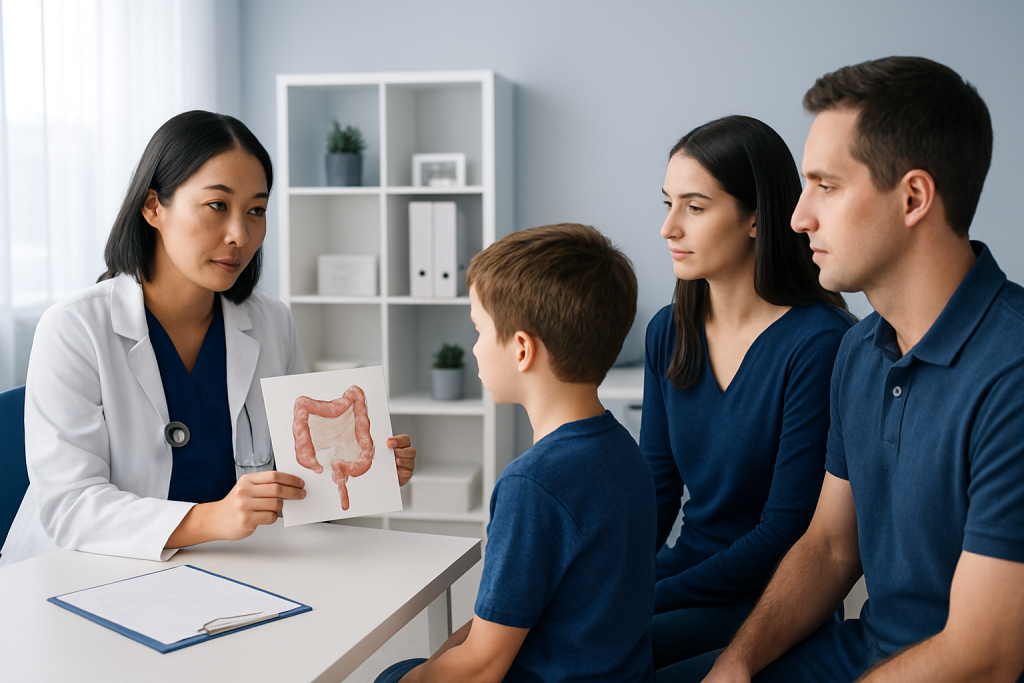
Hirschsprung’s disease is treated surgically by removing or bypassing the aganglionic bowel segment and bringing healthy bowel down to the anus. This is known as a pull-through operation. Several established surgical techniques are available, including Soave, Swenson and Duhamel approaches; the best approach depends on anatomy, disease extent and the surgeon’s assessment.
Many pull-through procedures can be performed through the anus, sometimes with laparoscopic assistance through small abdominal incisions. During surgery, the team takes tissue samples to confirm that the bowel selected for connection has normal nerve cells. The surgeon then removes the diseased bowel and creates a connection between healthy bowel and the anal canal.
In a staged approach, the first operation creates a stoma, an opening on the abdomen that allows stool to leave the body into a pouch. Once the child is stable and the bowel is healthier, the pull-through operation is performed and the stoma can usually be closed in a later procedure. This pathway is not needed for every child, but it can be important in more complex or urgent situations.
Pediatric surgeons, gastroenterologists, anesthesiologists, radiologists, pathologists, dietitians and specialist nurses may all contribute to care. For international patients, Acibadem International’s multidisciplinary specialists and JCI-accredited hospitals provide evaluation and treatment planning for Hirschsprung disease.
What to Expect Before, During and After the Procedure
Before surgery, parents or caregivers receive instructions about feeding, bowel preparation if needed, medications and admission timing. The child is assessed for hydration, infection and nutritional needs. The surgical and anesthesia teams explain the planned operation, expected hospital stay, pain control and reasons a plan may need to change during surgery.
During the procedure, the child is under general anesthesia and does not feel pain. The operation length varies based on the extent of affected bowel and whether the surgery is performed in one stage or several stages. Afterward, the child is monitored for breathing, pain, hydration, urine output, abdominal swelling and the return of bowel function.
Feeds are usually restarted gradually once the care team considers it safe. Initially, bowel movements may be frequent and loose, particularly after a pull-through procedure. Gentle, regular skin care is important because repeated stooling can irritate the diaper area. Families are taught how to recognize concerning symptoms and whom to contact after discharge.
How Long Does It Take to Recover From Hirschsprung Disease Surgery?
Recovery from Hirschsprung disease surgery varies, but many children remain in hospital for several days to one or two weeks after an uncomplicated pull-through procedure. The team usually waits for bowel function to return and for the child to tolerate sufficient feeding before discharge. A longer stay may be needed after a staged operation, complications or treatment for enterocolitis.
At home, activity and feeding are increased gradually according to the surgical team’s advice. The incision or anal area may be sore initially, and bowel movements can be frequent, loose or irregular for weeks. Diaper-area skin protection, hydration and follow-up appointments are important parts of early recovery.
Longer-term adjustment can take several months. Some children have constipation, stool withholding, soiling or diarrhea while the bowel and pelvic muscles adapt. These symptoms do not necessarily mean surgery has failed, but persistent or worsening symptoms should be reviewed by the child’s specialist so that constipation, narrowing, inflammation or other causes can be assessed.
Benefits, Risks and Long-Term Outlook
The main benefit of surgery is relief of the obstruction caused by the affected bowel. Successful treatment can improve feeding, abdominal distension, comfort and growth, while reducing the risk of severe bowel complications. Many children lead active lives after surgery, although their bowel habits may not become immediately regular.
All operations carry risks, including bleeding, infection, anesthetic complications and problems with wound healing. Specific risks of pull-through surgery include leakage or narrowing at the bowel connection, obstruction from scar tissue, constipation, diarrhea, fecal soiling and persistent bowel symptoms. The surgeon discusses the risks that are most relevant to the individual child.
Hirschsprung-associated enterocolitis can occur before or after surgery and requires urgent medical assessment. Warning signs can include a swollen abdomen, fever, vomiting, unusually foul-smelling or explosive diarrhea, lethargy, poor feeding, or a sudden change in bowel habits. Early recognition and treatment are important.
Ongoing follow-up may include bowel-management advice, dietetic support and, when appropriate, treatments for constipation or diarrhea. Children with continuing difficulties may benefit from review by a pediatric gastroenterology and colorectal care team.
What Is the Recommended Diet for an Infant With Hirschsprung Disease?
There is no single diet that is appropriate for every infant with Hirschsprung disease. Before surgery, feeding recommendations depend on whether the infant has obstruction, vomiting, abdominal distension or enterocolitis. Breast milk is generally suitable for infants who are feeding safely, but the medical team may adjust feeding temporarily if the bowel needs rest or if the child requires hospital treatment.
After surgery, feeds are usually restarted gradually under clinical guidance. Breast milk or standard infant formula is commonly used unless the child has another medical reason for a different feed. Parents should not dilute formula, introduce special diets or use laxatives, probiotics or supplements without discussing them with the pediatric team.
As a child starts solid foods, a balanced age-appropriate diet and enough fluids support overall health. Some children benefit from individualized advice on fiber, stool consistency and foods that worsen diarrhea or constipation. A pediatric dietitian can help when feeding is difficult, weight gain is slow or bowel symptoms affect food choices.
Can Hirschsprung Disease Be Cured and When to Seek Medical Care
Hirschsprung disease can usually be corrected surgically by removing the bowel segment without nerve cells. Surgery does not change the fact that the condition was present from birth, but it can resolve the blockage and allow the remaining healthy bowel to function. Some children continue to need bowel-management support, especially if they have long-segment disease, associated conditions or persistent symptoms.
Parents and caregivers should seek urgent medical care if a child with known or suspected Hirschsprung disease develops a swollen abdomen, green vomit, fever, poor feeding, marked sleepiness, dehydration, worsening constipation, or sudden diarrhea with a child who appears unwell. These symptoms can indicate obstruction or enterocolitis and should not be managed at home alone.
Medical assessment is also appropriate for ongoing stool accidents, pain with bowel movements, poor weight gain, recurrent vomiting or constipation that does not improve with the agreed plan. Regular follow-up helps the team monitor growth, bowel function and emotional well-being as the child develops.
Frequently asked questions
How is Hirschsprung disease treatment different from treating ordinary constipation?
Hirschsprung disease is caused by missing nerve cells in part of the bowel, so it cannot be resolved with diet changes or constipation medicines alone. Surgery is usually needed to remove the affected segment. Medicines and bowel-management strategies may still be used after surgery for ongoing symptoms.
Is a stoma always required for Hirschsprung disease surgery?
No. Many children can have a one-stage pull-through operation without a stoma. A temporary stoma may be recommended when a child is very unwell, has severe bowel dilation, enterocolitis, perforation, or a more complex form of the condition.
How long does it take to recover from Hirschsprung disease surgery?
Many children stay in hospital for several days to one or two weeks after an uncomplicated pull-through procedure. Feeding and bowel movements often improve gradually, while bowel patterns may take months to settle. Recovery can take longer when surgery is staged or complications occur.
What is the recommended diet for an infant with Hirschsprung disease?
The safest diet depends on the infant’s symptoms and stage of treatment. Breast milk or standard formula is often appropriate when an infant is feeding safely, but the care team may modify feeds during bowel obstruction or after surgery. Parents should follow individualized advice from the pediatric surgical and nutrition teams.
Can Hirschsprung disease be cured?
Surgery can correct the bowel blockage by removing the segment that lacks nerve cells. Most children have improved bowel function after treatment, although some continue to experience constipation, diarrhea or soiling and may need follow-up care. Long-term outcomes depend partly on the length of bowel affected and any associated conditions.
What symptoms after surgery need urgent medical attention?
Urgent assessment is needed for fever, a swollen abdomen, vomiting, poor feeding, unusual sleepiness, dehydration, or sudden foul-smelling diarrhea, especially if the child looks unwell. These can be signs of enterocolitis or bowel obstruction. Families should use the contact plan provided by their child’s surgical team or seek emergency care when needed.
References
- National Institute of Diabetes and Digestive and Kidney Diseases
- National Health Service
- American Pediatric Surgical Association
- Mayo Clinic
- MedlinePlus
This article is for general information only and is not a substitute for professional medical advice. Please consult a qualified doctor about your individual situation.
Persistent digestive symptoms? Get evaluated in Turkey
JCI-accredited · board-certified surgeons · reply within 24h
Add us as a Preferred Source to see more of our trusted health content across Google Search, AI Overviews and Discover.

More from the Health Library



Related Specialists

Assoc. Prof. Dr. Aras Şenvar
Otorhinolaryngology
Prof. Dr. Sevgi Şahin
Nephrology
Dr. Seval Eren
Inpatient Clinic Physicians
Prof. Dr. Tolga Ergin
Gynecology & Obstetrics