Sarcoma Surgery: Procedure, Recovery and Results
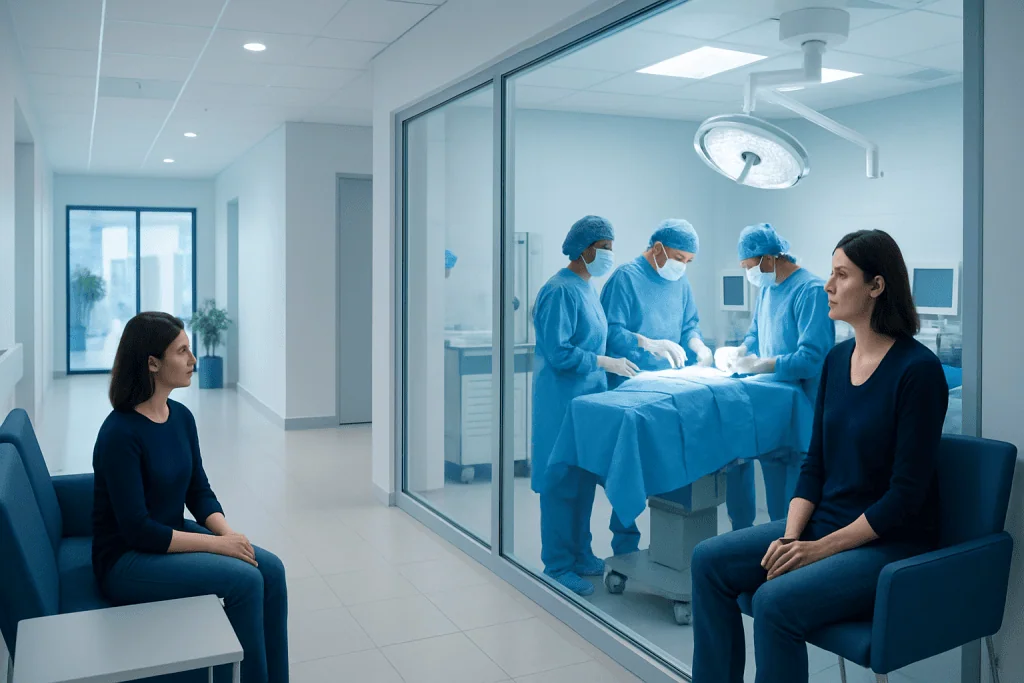
Sarcoma surgery is planned by a specialist multidisciplinary team because tumor type, location and grade strongly affect treatment. Wide surgical resection aims to remove the tumor and a surrounding margin of normal tissue to reduce the chance of local recurrence.
Key Takeaways
- Sarcoma surgery is planned by a specialist multidisciplinary team because tumor type, location and grade strongly affect treatment.
- Wide surgical resection aims to remove the tumor and a surrounding margin of normal tissue to reduce the chance of local recurrence.
- Recovery varies widely, from several weeks after smaller procedures to months of rehabilitation after complex limb, bone or reconstructive surgery.
- Radiation therapy, chemotherapy or targeted treatment may be used before or after surgery in selected cases.
- Follow-up imaging and examinations are important because sarcoma can recur locally or spread, most often to the lungs in some sarcoma types.
Sarcoma surgery is the main treatment for many localized bone and soft-tissue sarcomas. The goal is to remove the entire tumor with an adequate margin while preserving limb function and nearby organs whenever this can be done safely.
Overview: What Is Sarcoma Surgery?
Sarcoma surgery is an operation to remove a cancer that starts in connective tissues, such as muscle, fat, nerves, blood vessels, bone or cartilage. It is often the central treatment for sarcoma that has not spread to distant organs. The surgeon aims to remove the tumor in one piece together with a rim of surrounding healthy-looking tissue, called a surgical margin.
This approach is known as sarcoma surgical resection or wide excision. It helps reduce the risk that microscopic cancer cells are left behind at the operation site. Surgery may involve soft tissue, bone, joints, nerves, blood vessels or internal organs depending on where the sarcoma began.
Care is usually coordinated through a sarcoma multidisciplinary team, which may include surgical oncologists, orthopedic oncologists, medical oncologists, radiation oncologists, radiologists, pathologists, plastic and reconstructive surgeons, and rehabilitation specialists. Treatment decisions are individualized because sarcoma is a broad group of rare cancers rather than one single disease.
How Sarcoma Surgery Works and Who May Be a Candidate
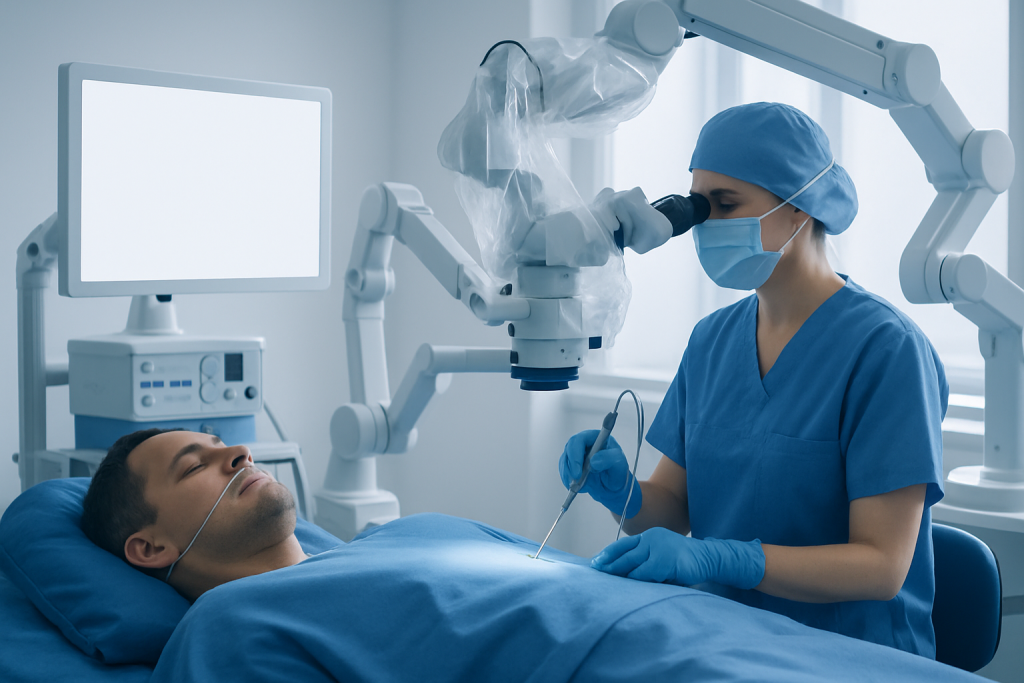
The main goal of sarcoma surgery removal is complete tumor removal with negative margins, meaning no cancer cells are found at the outer edge of the tissue removed. A negative margin is desirable, but the planned margin must also account for essential structures such as major nerves, blood vessels and organs. Modern limb-sparing techniques often allow surgeons to preserve an arm or leg while still treating the cancer effectively.
A person may be a candidate when imaging and staging indicate that the tumor can be removed safely and that surgery is likely to offer meaningful local control. Surgery may also be considered for selected tumors that have spread, particularly when limited metastatic disease can be treated as part of an overall plan. Whether surgery is appropriate depends on the sarcoma subtype, grade, size, depth, location, prior treatment and general health.
Before surgery, the team confirms the diagnosis with a carefully planned biopsy. MRI is commonly used for sarcomas in an arm, leg or pelvis, while CT scans may help assess tumors in the chest, abdomen or retroperitoneum and check for spread. A biopsy track is planned so it can be removed during definitive surgery, reducing the chance of contaminating surrounding tissue.
Some people receive radiation therapy before surgery to help shrink or control the tumor, or after surgery when there is a substantial risk of local recurrence. Chemotherapy, immunotherapy or targeted medicines may have a role for particular sarcoma subtypes, but they are not needed for every person.
What Happens During the Procedure?
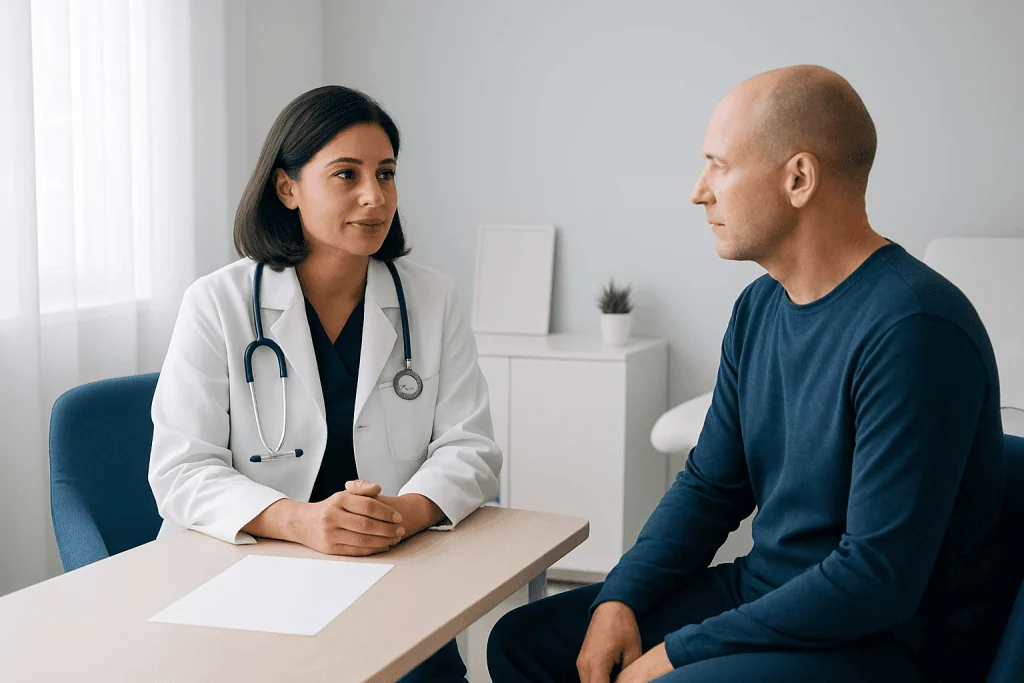
The exact sarcoma surgery time depends on the tumor site and complexity. A smaller soft-tissue tumor may be removed in a relatively short operation, while surgery involving bone reconstruction, blood-vessel repair, nerve reconstruction or removal of an abdominal organ can take many hours. The procedure is performed under general anesthesia in most cases.
First, the surgeon uses preoperative imaging and, when needed, image guidance to identify the planned resection area. The tumor and an intended margin of tissue are removed without cutting through the mass whenever possible. The specimen is sent to pathology, where specialists assess the sarcoma type, grade and surgical margins.
When a tumor affects an extremity, reconstruction may be needed to restore coverage, stability or function. This can include skin grafts, tissue flaps, tendon repair, vascular reconstruction, bone grafting, metal implants or joint reconstruction. Amputation is now uncommon for many limb sarcomas, but may still be the safest option in selected situations where limb-sparing surgery cannot adequately control the cancer or preserve a functional limb.
Following surgery, the care team reviews the pathology report and discusses whether further treatment is recommended. A planned program of sarcoma treatment may include surgery alone or a combination of surgery, radiation and systemic therapy based on the individual diagnosis.
How Long Does It Take to Recover From Sarcoma Surgery?
Sarcoma surgery recovery time varies considerably. Recovery after a small, uncomplicated soft-tissue resection may take several weeks, while recovery after extensive limb, pelvic, abdominal or bone surgery can take several months or longer. The location of the operation, reconstructive procedures, wound healing, pain control, physical condition and any additional cancer treatment all influence the timeline.
In the first days after surgery, the team monitors pain, bleeding, wound healing, circulation and movement. Some patients go home within a few days; others need a longer hospital stay, especially after complex reconstruction or surgery involving the abdomen, chest or pelvis. Drains may be used temporarily to remove fluid from the surgical area.
Rehabilitation is an important part of sarcoma surgery recovery. Physical and occupational therapists can help restore strength, mobility, balance and independence with daily activities. A brace, crutches, walker or other mobility aid may be required for a period of time. It is important to follow instructions on wound care, activity limits and exercises, and to attend follow-up appointments.
People should contact their surgical team promptly for increasing redness, warmth, drainage, fever, worsening pain, new swelling, shortness of breath or other concerning symptoms. These symptoms do not always mean there is a serious problem, but they need timely assessment after an operation.
Benefits, Risks and Results of Sarcoma Surgery
The potential benefit of sarcoma surgery is local control: removing the known cancer from its original site. For localized sarcoma, complete resection with appropriate margins can be curative for some people. Surgery can also relieve symptoms such as pain, pressure, bleeding or reduced mobility when a tumor is causing local problems.
Risks depend on the procedure and tumor location. They can include bleeding, infection, blood clots, fluid collection, delayed wound healing, scarring, numbness, weakness, stiffness, reduced function and complications related to anesthesia. Radiation before or after surgery can affect wound healing, and reconstructive operations carry their own specific risks.
What is the success rate of sarcoma surgery? There is no single success rate that applies to everyone. Outcomes depend on whether the sarcoma is localized or metastatic, the subtype and grade, tumor size and site, margin status, response to other treatments and a person’s overall health. The treating team can explain the likely goals and outlook using the individual pathology and staging information.
Follow-up remains essential even after a complete operation. Visits commonly include a physical examination and imaging of the surgical area and chest at intervals determined by sarcoma type and risk. Monitoring can identify recurrence or treatment-related concerns early, when additional care may be most helpful.
How Fast Does Sarcoma Cancer Spread?
Sarcoma does not spread at one predictable speed. Some low-grade sarcomas grow slowly and are less likely to spread, while high-grade sarcomas can grow and spread more quickly. Different subtypes also behave differently, which is why expert pathology review is important before treatment decisions are made.
Many soft-tissue sarcomas can spread through the bloodstream, with the lungs being a common distant site. Some sarcomas are more likely to spread to lymph nodes, bone, liver or other areas. Bone sarcomas also have distinct patterns of spread. Staging scans help the team understand whether the disease appears limited to its original site or has traveled elsewhere.
A new or enlarging lump should not be assumed to be sarcoma, because most lumps are not cancer. However, a mass that is growing, larger than about 5 centimeters, deep beneath the fascia, firm, painful or recurring after removal should be assessed by a qualified clinician. Avoiding an unplanned removal of a suspicious mass is important, as specialized imaging and biopsy planning can improve subsequent surgical management.
What Is the 2 Week Rule for Sarcoma?
The “2 week rule for sarcoma” is not a universal medical rule or a way to diagnose sarcoma. In some healthcare systems, a suspected cancer referral pathway may aim for prompt specialist assessment, often within approximately two weeks, when a person has warning features such as an enlarging, deep or large soft-tissue lump.
The practical message is to arrange medical evaluation without unnecessary delay if a lump is changing or has concerning features. A clinician can assess the mass and organize appropriate imaging or referral. Urgent assessment is also appropriate for persistent bone pain, unexplained swelling near a bone, pain that wakes a person at night, or a lump associated with reduced function.
Early expert evaluation does not mean that cancer is likely. It allows benign conditions to be identified and ensures that a possible sarcoma is investigated and treated in a coordinated manner if needed.
When to Seek Medical Care
A person should arrange a medical appointment for a new lump that continues to grow, is larger than a golf ball, feels deep or fixed, becomes painful, or returns after a previous removal. Persistent unexplained bone pain, especially pain at night or pain with swelling, also deserves assessment. Many of these symptoms have non-cancer causes, but a clinician can determine the next appropriate step.
People with a confirmed sarcoma should seek urgent advice from their care team for sudden shortness of breath, chest pain, severe uncontrolled pain, heavy bleeding, signs of infection after surgery, or a rapidly worsening wound. These symptoms require timely evaluation, particularly during recovery.
Specialist assessment is valuable because diagnosis, biopsy placement, surgery and reconstruction need careful coordination. Acibadem International’s multidisciplinary specialists and JCI-accredited hospitals diagnose and treat sarcoma for international patients, with treatment planning guided by tumor type, location and individual needs.
Frequently asked questions
Is surgery always needed for sarcoma?
Surgery is often the main treatment for sarcoma that is localized and can be removed safely. However, the treatment plan may also include radiation therapy or medicines, and some advanced sarcomas are managed primarily with systemic treatment. The best approach depends on the subtype, stage and location of the tumor.
What does a clear margin mean after sarcoma surgery?
A clear, or negative, margin means that the pathologist does not see cancer cells at the outer edge of the removed specimen. It suggests that the tumor was removed with a surrounding rim of tissue. A close or positive margin does not automatically mean further surgery is required, but the team may discuss additional treatment options.
Can sarcoma come back after surgery?
Yes, sarcoma can recur at the original site or elsewhere in the body after treatment. The likelihood varies with factors such as sarcoma type, grade, size, location and surgical margins. Regular follow-up is designed to monitor for recurrence and address any concerns promptly.
Will a person need rehabilitation after sarcoma surgery?
Many people benefit from rehabilitation, particularly after surgery involving an arm, leg, bone, joint, pelvis or major muscle group. Physical and occupational therapy can support mobility, strength and daily function. The rehabilitation plan is tailored to the operation and the person’s recovery goals.
Can a biopsy spread sarcoma?
When a biopsy is planned and performed by an experienced team, the risk of tumor spread from the procedure is considered low. The biopsy path is placed so it can usually be removed along with the tumor during definitive surgery. For this reason, suspicious masses should be evaluated before they are removed or biopsied elsewhere.
How soon can someone return to work after sarcoma surgery?
Return-to-work timing depends on the operation, job demands, wound healing, rehabilitation needs and whether additional treatment is planned. Some people return to lighter activities within weeks, while others need several months after complex surgery. The surgical and rehabilitation teams can provide guidance based on recovery progress.
References
- National Cancer Institute
- American Cancer Society
- National Comprehensive Cancer Network
- European Society for Medical Oncology
- Sarcoma Foundation of America
This article is for general information only and is not a substitute for professional medical advice. Please consult a qualified doctor about your individual situation.
Oncology care in Turkey — second opinion and treatment plan
JCI-accredited · board-certified surgeons · reply within 24h
Add us as a Preferred Source to see more of our trusted health content across Google Search, AI Overviews and Discover.

More from the Health Library
Related Specialists

Dr. Uğur Kaya
Cardiovascular Surgery
Asst. Prof. Dr. Mahmut Ozan Fındık
Otorhinolaryngology
Dr. Yasemin Ballıca Özen
Gynecology & Obstetrics
Dr. Berhan Bayram
Orthopedic Surgery & Traumatology