Bile Duct Surgery: Procedure, Recovery and Results

Bile duct surgery is tailored to the cause of obstruction, narrowing, injury or cancer. Some bile duct problems can be managed endoscopically or with image-guided procedures instead of open surgery.
Key Takeaways
- Bile duct surgery is tailored to the cause of obstruction, narrowing, injury or cancer.
- Some bile duct problems can be managed endoscopically or with image-guided procedures instead of open surgery.
- Recovery ranges from days after minimally invasive treatment to several weeks or months after major reconstruction.
- Jaundice, fever, worsening abdominal pain, vomiting or chills need prompt medical assessment.
- Long-term outlook depends mainly on the underlying condition, the success of bile drainage and overall health.
Bile duct surgery is used to restore the flow of bile when a duct is blocked, narrowed, injured or affected by a tumor. The operation may involve removing a blockage, repairing an injury, reconstructing the duct, placing a bypass, or removing diseased tissue, and the expected recovery depends on the reason for surgery and its complexity.
Overview: what bile duct surgery does
Bile duct surgery is a group of procedures that treats problems affecting the tubes that carry bile from the liver to the small intestine. Bile helps the body digest fats and remove certain waste products. When bile cannot flow normally, it may build up in the liver and bloodstream, causing symptoms such as jaundice, itching, dark urine, pale stools or abdominal discomfort.
The goal of surgery is to establish reliable bile drainage and address the condition causing the problem. Depending on the diagnosis, surgeons may remove stones or scarred tissue, repair an injured duct, remove a section affected by disease, join the bile duct to the intestine, or create an alternative drainage route. For some people, endoscopic or radiology-guided treatment is appropriate before, instead of, or alongside an operation.
Bile duct conditions are often assessed by gastroenterologists, hepatobiliary surgeons, radiologists, oncologists and anesthesiologists. This team-based approach is particularly important when obstruction may be related to a pancreatic, liver, gallbladder or bile duct tumor.
Why it may be recommended and who is a candidate
A clinician may recommend bile duct surgery when a blockage or injury cannot be safely or effectively managed with less invasive methods. Common reasons include bile duct injury after gallbladder surgery, persistent narrowing from scar tissue, recurrent stones, congenital abnormalities, chronic inflammation, and tumors affecting the bile ducts or nearby organs.
Before recommending bile duct reconstruction surgery, the care team considers the location and cause of the problem, liver function, infection risk, previous operations, general fitness for anesthesia and the person’s treatment goals. Blood tests and imaging help determine whether bile drainage can be restored with an endoscope, a stent, a radiology-guided drain, or an operation.
For a benign narrowing or an injury, reconstruction may offer a durable solution. For cancer, surgery may be considered if the disease appears removable and the person is fit enough for a major procedure. When a cancer cannot be removed, stenting or bypass surgery may still help relieve jaundice and improve bile drainage.
- Endoscopic treatment may remove stones, widen a narrowing or place a stent.
- Image-guided drainage may be used when endoscopic access is not possible.
- Surgery may repair, reconstruct, remove or bypass the affected bile duct.
How bile duct surgery is performed
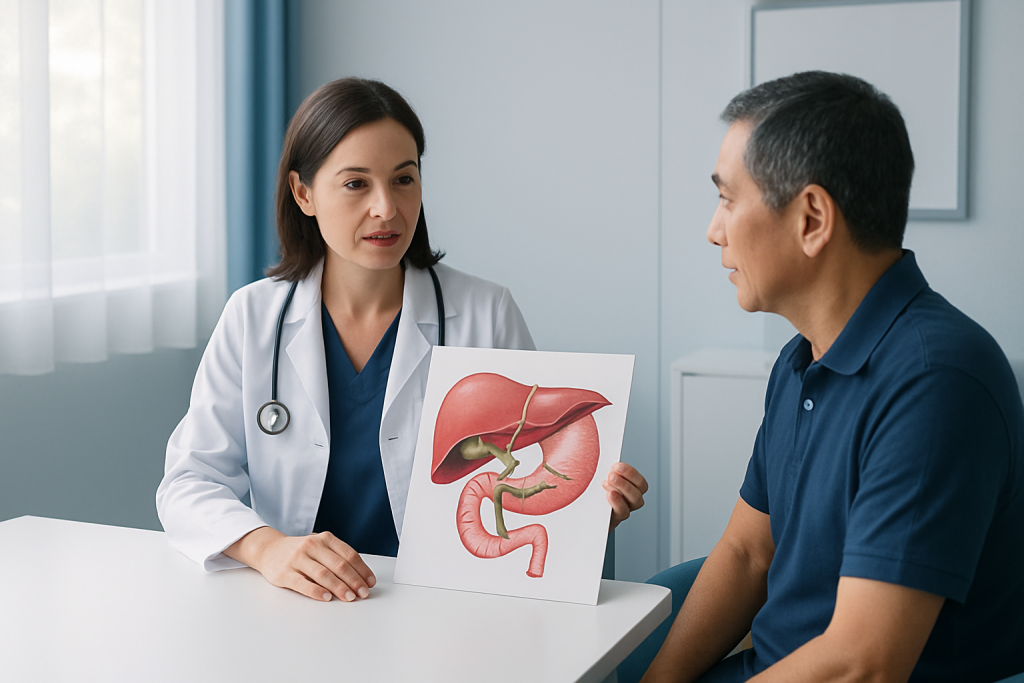
The exact operation depends on the underlying condition. In a straightforward injury or narrowing, a surgeon may remove damaged tissue and create a new connection between the healthy bile duct and the small intestine. This reconstruction is commonly called a hepaticojejunostomy. It allows bile to drain directly into a loop of small bowel.
When obstruction is caused by a stone or localized scar, the procedure may focus on clearing the blockage and repairing the duct. If a tumor is involved, surgery can be more extensive. It may include removal of part of the bile duct and, in selected cases, part of the liver, gallbladder, pancreas or nearby lymph nodes. The surgical plan is individualized after detailed imaging and multidisciplinary review.
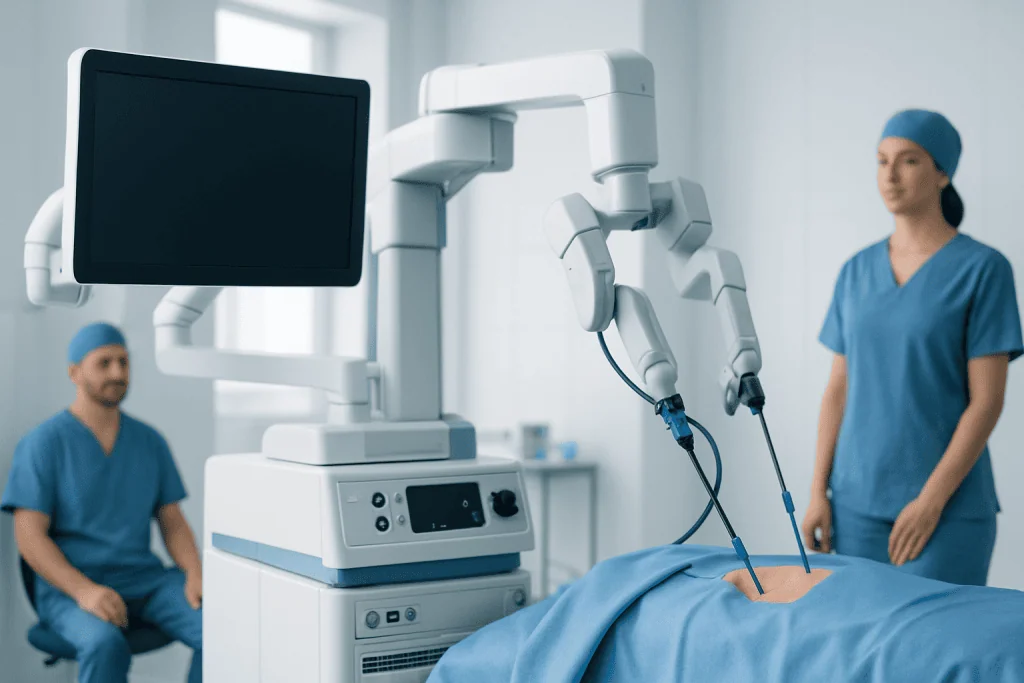
Operations are performed under general anesthesia. Some procedures can be carried out using minimally invasive laparoscopic or robotic techniques, but open surgery remains necessary for many complex reconstructions and cancer operations. During surgery, the team may place temporary internal or external drains to monitor healing and support bile flow.
What happens step by step
Preparation usually includes blood tests, liver-function testing, imaging such as ultrasound, CT, MRI or MRCP, and review of medications. If there is infection or significant jaundice, treatment may begin with antibiotics, fluids and bile drainage before definitive surgery. The anesthesiology team also assesses heart, lung and nutritional health.
On the day of surgery, the person receives general anesthesia and the surgeon reaches the bile duct through an abdominal incision or, where suitable, minimally invasive ports. The affected area is carefully identified. The surgeon then removes the obstruction or damaged section, repairs the injury, or forms a new bile-to-intestine connection. Tissue may be sent to pathology when cancer or another disease needs confirmation.
After the repair or reconstruction, the surgeon checks that bile can drain appropriately and controls bleeding before closing the incision. The operation may include a drain near the surgical site. Afterward, the person is monitored in the recovery area or a higher-observation unit, depending on the scale of surgery and their health needs.
How long is bile duct surgery? Less complex procedures may take a few hours, while major bile duct reconstruction or cancer surgery can take considerably longer. The final duration depends on the location of the condition, scar tissue from prior surgery, whether other organs require treatment and whether reconstruction is needed.
Bile duct surgery recovery time and expected results
Bile duct surgery recovery varies widely. After a minimally invasive procedure or a short surgical repair, discharge may be possible within several days if pain is controlled, bowel function has returned and blood tests are stable. After a major open operation or bile duct reconstruction, a hospital stay of about one to two weeks may be needed, although individual recovery can be shorter or longer.
At home, fatigue, reduced appetite and mild discomfort are common during early healing. People are usually encouraged to walk regularly, gradually increase activity, follow wound-care instructions and attend scheduled blood tests or imaging. Heavy lifting and strenuous activity are often limited for several weeks. The surgical team provides individualized advice about diet, driving, work and medication use.
How long does it take for a bile duct to heal after surgery? Initial tissue healing begins in the first weeks, but recovery of strength and adjustment to a reconstruction can take several months. Follow-up is important because a repaired or reconstructed bile duct can occasionally narrow over time. The care team may monitor liver blood tests and arrange imaging if symptoms or test results suggest impaired drainage.
Bile duct obstruction surgery recovery time may be affected by the original cause of obstruction, the presence of infection, nutritional status, liver health and whether treatment included major cancer surgery. Successful treatment can relieve jaundice, itching and infection risk, but long-term results are primarily determined by the underlying disease.
Benefits, risks and possible complications
The principal benefit of bile duct surgery is restoration of bile flow. This may reduce jaundice, itching, infection and liver damage caused by prolonged obstruction. When surgery removes a localized tumor or corrects a significant injury, it may also offer the best chance of long-term disease control or durable repair.
All abdominal operations carry risks, including bleeding, infection, blood clots, pneumonia, reactions to anesthesia and delayed bowel function. Specific risks of bile duct procedures include a bile leak, collection of infected fluid, cholangitis (infection in the bile ducts), narrowing at the reconstruction site, pancreatitis in certain settings and the need for further endoscopic, radiological or surgical treatment.
Major surgery for cancer has additional considerations because it may involve removal of liver or pancreatic tissue. The team discusses expected benefits, alternatives and individualized risks before treatment. Seeking care promptly for new fever, increasing pain or jaundice after surgery can help complications be identified early.
How serious is bile duct surgery? Bile duct surgery can range from a relatively focused repair to a complex major abdominal operation. It is serious because bile ducts are close to important blood vessels, the liver and pancreas, and because the underlying causes can be significant. However, careful planning, specialist surgical expertise and close postoperative monitoring are designed to support safe treatment and recovery.
Bile duct stents and long-term outlook
A bile duct stent is a small tube placed endoscopically or through the skin to keep a narrowed duct open. It may be used temporarily before surgery, after a procedure, or as longer-term symptom relief when surgery is not suitable. Plastic stents generally require planned replacement, while metal stents may remain open longer in appropriate clinical situations.
What is the average life expectancy after having a bile duct stent? A stent itself does not determine life expectancy. Prognosis depends on why the stent was needed, such as a treatable stone, benign scar narrowing, inflammation or an advanced cancer, as well as liver function, infections and response to other treatment. The treating clinician can provide the most meaningful outlook based on the individual diagnosis.
Follow-up after stent placement is essential because stents can become blocked or move. Recurrent jaundice, fever, chills, itching, dark urine or pale stools may indicate reduced drainage and should be assessed without delay. Some people need stent exchange or additional procedures to maintain bile flow.
Acibadem International’s multidisciplinary specialists and JCI-accredited hospitals evaluate bile duct disorders and coordinate surgical, endoscopic, radiological and oncology care for international patients when appropriate.
When to seek medical care
Medical assessment is important for jaundice, persistent upper abdominal pain, unexplained itching, dark urine, pale stools, nausea or unintentional weight loss. These symptoms can have several causes, but they may indicate impaired bile flow and should not be self-treated without clinical guidance.
Urgent medical care is needed for fever or chills with jaundice or abdominal pain, especially if there is vomiting, confusion, faintness or marked weakness. This combination can indicate a bile duct infection, which may require prompt antibiotics and drainage.
After bile duct surgery, contact the surgical team for increasing redness or discharge from the wound, worsening pain, persistent vomiting, fever, new jaundice, swelling, shortness of breath or inability to keep fluids down. Attending planned follow-up appointments helps the team identify healing concerns and review pathology, imaging or blood-test results.
Frequently asked questions
Is bile duct surgery always needed for a blocked bile duct?
No. Many blockages can be treated first with endoscopic procedures, such as ERCP, or with image-guided drainage. Surgery is considered when these approaches are unsuitable, unsuccessful, or when a durable repair or removal of diseased tissue is needed.
Can a bile duct grow back after surgery?
A removed section of bile duct does not simply grow back. Instead, surgeons may repair the remaining duct or create a new drainage connection between the bile ducts and the intestine. This reconstruction allows bile to continue flowing into the digestive system.
What should a person eat after bile duct surgery?
The care team may recommend starting with small, easily tolerated meals and gradually returning to a balanced diet. Some people temporarily find high-fat meals harder to tolerate. Nutrition advice should be individualized, particularly after major surgery or if weight loss, liver disease or cancer treatment is involved.
Can bile duct narrowing return after reconstruction?
Yes, scar-related narrowing can occasionally recur months or years after reconstruction. Follow-up blood tests and imaging can help identify reduced bile drainage early. New jaundice, fever, itching or abdominal pain should be reported to a clinician.
How painful is recovery from bile duct surgery?
Pain is expected after abdominal surgery, but it is managed with a tailored pain-control plan that may include several approaches. Pain usually improves as healing progresses. Severe, worsening or sudden pain should be assessed, especially if it occurs with fever, vomiting or jaundice.
Will a person need long-term follow-up after bile duct surgery?
Most people need follow-up appointments to assess symptoms, incision healing and liver blood tests. The length and intensity of monitoring depend on the procedure and original diagnosis. People treated for cancer generally need more structured surveillance and ongoing oncology care.
References
- National Institute of Diabetes and Digestive and Kidney Diseases
- American College of Gastroenterology
- American Society for Gastrointestinal Endoscopy
- European Association for the Study of the Liver
- National Cancer Institute
This article is for general information only and is not a substitute for professional medical advice. Please consult a qualified doctor about your individual situation.
Persistent digestive symptoms? Get evaluated in Turkey
JCI-accredited · board-certified surgeons · reply within 24h
Add us as a Preferred Source to see more of our trusted health content across Google Search, AI Overviews and Discover.