Congenital Heart Disease Surgery: Procedure, Recovery and Results

Congenital heart disease surgery may be performed in infancy, childhood or adulthood, depending on the type and severity of the heart defect. Some defects can be treated with catheter-based procedures, while others require open-heart surgery or staged operations.
Key Takeaways
- Congenital heart disease surgery may be performed in infancy, childhood or adulthood, depending on the type and severity of the heart defect.
- Some defects can be treated with catheter-based procedures, while others require open-heart surgery or staged operations.
- Recovery varies by procedure, but pain is actively managed and activity returns gradually under the care team's guidance.
- Surgery can improve circulation, symptoms, growth and heart function, but it may not eliminate the need for long-term monitoring.
- Adults and children with repaired congenital heart defects should usually remain under follow-up with congenital heart specialists.
Congenital heart disease surgery is used to repair or improve structural heart defects present from birth. The right procedure, timing and expected recovery depend on the specific defect, age, symptoms and overall heart function, and many people continue to need lifelong specialist follow-up.
Overview: What Is Congenital Heart Disease Surgery?
Congenital heart disease surgery repairs or reduces the effects of a structural heart problem that developed before birth. It may close an abnormal opening between heart chambers, widen a narrowed blood vessel or valve, redirect blood flow, or reconstruct part of the heart. The aim is to support effective circulation, reduce strain on the heart and help a person live as actively and comfortably as possible.
The approach is highly individual. Some heart defects are mild and only need observation, while others require treatment soon after birth. Surgery may take place once, in stages over several years, or later in adult life if a repaired defect changes over time. A congenital heart team considers the person’s anatomy, symptoms, oxygen levels, heart function and general health before recommending treatment.
Not every repair requires an operation through the chest. In selected cases, doctors can use a thin tube called a catheter, usually inserted through a blood vessel in the groin, to close certain openings or widen narrowed areas. More complex defects often need open-heart surgery, which is planned and performed by specialist cardiac surgeons.
How Surgery Works and Who May Be a Candidate
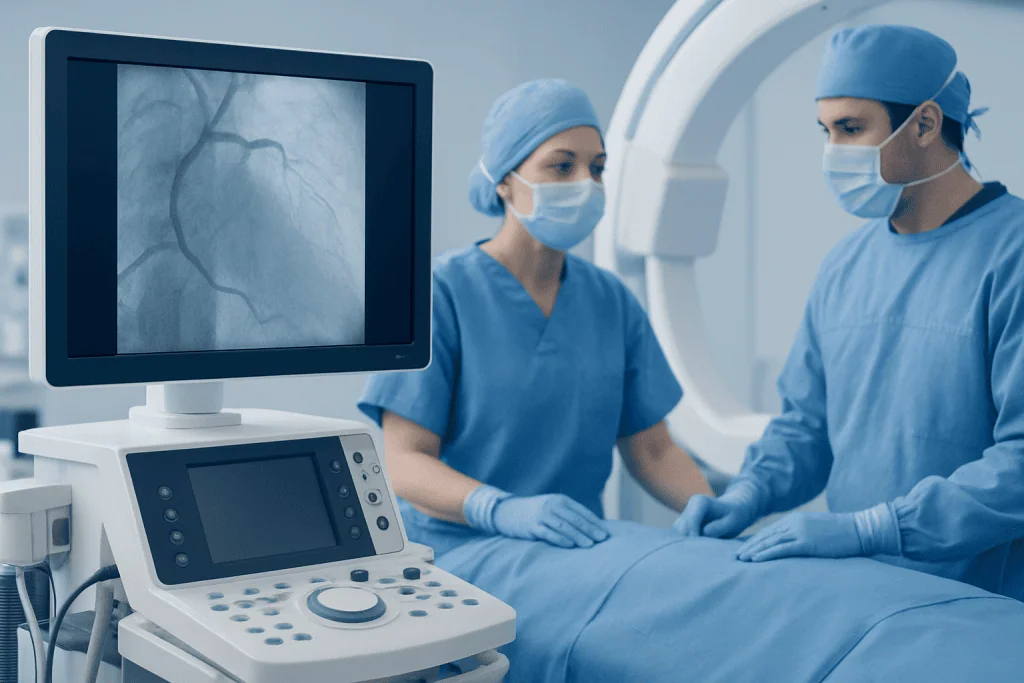
Congenital heart disease surgery is considered when a defect affects blood flow, causes symptoms, places excessive workload on the heart, lowers oxygen levels, interferes with growth, or is likely to cause complications without repair. Common examples include significant septal defects, narrowing of the aorta or pulmonary valve, tetralogy of Fallot, transposition of the great arteries and single-ventricle conditions.
Before treatment, the care team builds a detailed picture of the heart. Tests may include echocardiography, electrocardiography, chest imaging, cardiac MRI or CT, blood tests and sometimes cardiac catheterization. These tests help determine whether a catheter procedure, surgical repair, medical monitoring or a combination of treatments is most appropriate.
Age alone does not determine candidacy. Newborns may need urgent surgery for severe defects, while adults may be evaluated because of new symptoms, pregnancy planning, abnormal rhythm findings, valve problems or changes found during routine surveillance. People with complex defects benefit from assessment in a specialist service for congenital heart disease.
Congenital Heart Disease Surgery: Step by Step

Preparation begins with a preoperative assessment, including medication review, anesthesia planning and instructions about eating and drinking before surgery. For children, parents or caregivers are supported in understanding what will happen and how they can help after the procedure. The surgical team explains the intended repair, possible alternatives and the reasons additional procedures may occasionally be needed.
For open-heart surgery, the patient receives general anesthesia and is asleep throughout. The surgeon usually reaches the heart through an incision in the center of the chest. Many operations use a heart-lung machine, also called cardiopulmonary bypass, which temporarily circulates and oxygenates blood while the surgeon repairs the heart. Depending on the defect, the repair may involve sutures, a patch, valve reconstruction or replacement, widening a narrowed vessel, or rerouting blood flow.
After the repair, the heart is restarted if bypass was used, and the team checks blood flow and heart function. Temporary drains, monitoring lines and pacing wires may be placed. The patient then moves to a cardiac intensive care unit for close observation. In suitable cases, congenital heart surgery may be complemented or followed by catheter-based care rather than another open operation.
Some complex conditions require staged procedures. These operations are deliberately planned over time so the circulation can adapt as a child grows. The cardiologist and surgeon review each stage carefully and discuss the expected pathway with the family or adult patient.
Recovery Timeline, Benefits and Possible Risks
Recovery begins in the intensive care unit, where breathing, heart rhythm, blood pressure, oxygen levels and fluid balance are monitored. The length of intensive care and hospital stay varies widely. A straightforward repair may involve a shorter admission, while newborns and people having complex surgery may need more time for recovery and monitoring.
During the first days, the care team gradually reduces breathing support, manages pain, encourages movement when safe and monitors feeding or nutrition. After discharge, tiredness is common. Most people return to everyday activities gradually over weeks, but the timeline depends on the operation, age, healing progress and any complications. Follow-up visits, imaging and medication adjustments are an important part of recovery.
Potential benefits include improved oxygen delivery, easier breathing, better feeding and growth in children, greater exercise tolerance, fewer symptoms and protection of heart function. Surgery is recommended when these expected benefits outweigh the risks of leaving the defect untreated.
Like all major heart procedures, surgery carries risks. These can include bleeding, infection, blood clots, irregular heart rhythms, fluid around the heart or lungs, stroke, kidney problems, residual narrowing or leakage, and the possible need for future procedures. The individual risk is influenced by the defect, the type of repair, age, other health conditions and previous operations. The surgical team discusses these considerations in personal terms before treatment.
How Painful Is Heart Surgery Recovery?
Heart surgery recovery can be uncomfortable, particularly around the chest incision and muscles used for breathing and movement. However, pain is expected and treated proactively. In hospital, clinicians use a tailored plan that may combine several types of pain relief, while regularly checking comfort, alertness and breathing.
After discharge, soreness, tightness, tiredness and disturbed sleep may continue for a period of time. Pain should generally become more manageable as healing progresses. Following the team’s instructions about wound care, gentle walking, lifting limits and prescribed medicines can support a safer recovery.
New or worsening chest pain, severe shortness of breath, fainting, a rapidly worsening wound, fever, drainage from the incision or palpitations should be reported promptly. A person should not simply assume that all symptoms are normal after surgery; the treating team can advise what is expected for that individual recovery.
Can You Live a Normal Life With a Congenital Heart Defect?
Many people with a congenital heart defect can attend school, work, exercise, form relationships and have fulfilling lives. Some have mild defects that never require intervention, while others do very well after repair. What “normal” looks like differs between individuals and depends on the heart condition, any treatment received and whether there are lasting effects on heart rhythm, valves or heart function.
Regular follow-up remains important even after a successful repair. Certain defects can be associated with later rhythm disturbances, valve changes, reduced exercise capacity or the need for another procedure. A congenital cardiology team can give individualized advice about activity, sports, travel, employment, pregnancy and other life plans.
Healthy daily habits are useful for everyone with congenital heart disease. These include not smoking, maintaining a heart-supporting diet, taking prescribed medicines as directed, staying physically active within medical guidance and attending planned reviews. Emotional support can also be valuable, especially during transitions from pediatric to adult care.
What Is the Life Expectancy for Someone With a Congenital Heart Defect?
Life expectancy varies substantially because congenital heart disease includes many different conditions, from small defects with little effect on health to complex heart differences requiring lifelong care. Advances in diagnosis, surgery, anesthesia, intensive care and follow-up mean that many people with congenital heart defects now live well into adulthood, including many with conditions that were once difficult to treat.
It is not possible to give one life-expectancy figure that applies to everyone. Prognosis is shaped by the exact anatomy, the success and timing of repair, heart function, oxygen levels, rhythm problems, pulmonary pressure, other medical conditions and access to ongoing specialist care.
For this reason, people should ask their congenital heart specialist about their own outlook rather than relying on broad estimates. Regular surveillance helps identify issues early and supports decisions about medications, procedures, exercise, pregnancy care and other aspects of long-term health.
What Is the Average Survival Rate for Adults With Congenital Heart Disease?
There is no single average survival rate that accurately describes all adults with congenital heart disease. Adult congenital heart disease includes a wide spectrum of repaired and unrepaired defects, and outcomes differ greatly between a small repaired septal defect and a complex single-ventricle circulation, for example.
Overall, survival into adulthood has improved markedly as treatment has advanced. Many adults have good long-term outcomes, particularly when they receive appropriate repair and continue follow-up in adult congenital heart disease services. Even when a person feels well, scheduled review can identify silent changes in heart rhythm, valve function or circulation.
Individual prognosis should be discussed with a specialist who has access to operative records, imaging results and current health information. For people who travel for care, Acibadem International’s multidisciplinary specialists and JCI-accredited hospitals provide assessment and treatment for international patients with congenital heart conditions.
When to Seek Medical Care
Urgent medical assessment is needed for severe chest pain, fainting, severe breathing difficulty, blue or gray lips or skin, sudden weakness, or a fast or irregular heartbeat accompanied by dizziness or breathlessness. In infants, urgent signs can include marked breathing difficulty, bluish color, poor feeding, unusual sleepiness or poor weight gain. Emergency services should be contacted when symptoms are severe or rapidly worsening.
A person with known congenital heart disease should arrange medical review for new fatigue, declining exercise tolerance, swelling of the legs or abdomen, frequent palpitations, unexplained fever, or a change in symptoms after a previous repair. Women with congenital heart disease should seek specialist advice before pregnancy or as soon as pregnancy is recognized.
Routine care should not be delayed because symptoms are absent. Follow-up intervals are tailored to the defect and repair. Keeping records of previous surgeries, catheter procedures, medications and imaging can help a new care team provide safe, coordinated care.
Frequently asked questions
Is congenital heart disease surgery always open-heart surgery?
No. Some defects can be treated with catheter-based procedures that use a thin tube inserted through a blood vessel. Complex repairs, valve reconstruction and certain vessel or chamber abnormalities may require open-heart surgery, sometimes using a heart-lung machine.
How long does recovery take after congenital heart surgery?
Recovery varies according to the person’s age, the heart defect and the complexity of the procedure. Hospital recovery may last days to weeks, and full return to usual activities often takes several weeks or longer. The treating team provides individualized guidance about school, work, exercise and lifting.
Will a person need another operation after congenital heart disease surgery?
Some people need only one repair, while others need later catheter procedures or additional surgery. This is more common with complex defects, growing children, valve conditions or residual changes after an earlier repair. Lifelong follow-up helps determine whether further treatment is needed.
Can adults have surgery for a congenital heart defect?
Yes. Some congenital heart defects are first diagnosed in adulthood, and others require additional treatment after childhood repair. Adults should ideally be assessed by clinicians experienced in adult congenital heart disease because their anatomy and prior procedures may affect treatment planning.
Can a person exercise after congenital heart disease surgery?
Many people can return to regular physical activity after healing, and exercise can support overall cardiovascular health. The safe type and intensity depend on the defect, repair, heart rhythm and heart function. A congenital heart specialist should provide individualized clearance, especially for competitive sports or strenuous activity.
What follow-up is needed after congenital heart surgery?
Follow-up commonly includes clinical examinations, echocardiograms, electrocardiograms and other imaging or rhythm tests when needed. The schedule depends on the heart condition and repair. Ongoing specialist review remains important even when the person feels well.
References
- American Heart Association
- Adult Congenital Heart Association
- Centers for Disease Control and Prevention
- European Society of Cardiology
- World Health Organization
This article is for general information only and is not a substitute for professional medical advice. Please consult a qualified doctor about your individual situation.
Heart care in Turkey — expert evaluation and treatment
JCI-accredited · board-certified surgeons · reply within 24h
Add us as a Preferred Source to see more of our trusted health content across Google Search, AI Overviews and Discover.
Check your numbers in seconds
BMI, calories, due date, blood pressure and 30+ more clinical calculators — free, instant, doctor-reviewed ranges.

More from the Health Library



Related Specialists
Prof. Dr. Burak Çıtamak
Urology
Dr. Fatih Gürler
Thoracic Surgery
Dr. Ruhan Özer Güzeldere
Pediatrics
Dr. Sedef Başgönül
Infectious Diseases & Clinical Microbiology