Lymphedema Surgery Cost: What Patients Really Pay

The cost of lymphedema surgery depends on the procedure, clinical needs, location, hospital services and coverage arrangements. Microsurgical procedures and tissue-reduction surgery have different preparation, operating-room and recovery requirements.
Key Takeaways
- The cost of lymphedema surgery depends on the procedure, clinical needs, location, hospital services and coverage arrangements.
- Microsurgical procedures and tissue-reduction surgery have different preparation, operating-room and recovery requirements.
- Surgery may reduce swelling, infections, discomfort or reliance on compression for selected patients, but it does not replace long-term care for everyone.
- Insurance and public-health coverage vary widely, and preauthorization may be required.
- A specialist assessment helps determine candidacy, expected benefits, risks and the full treatment plan.
Lymphedema surgery cost cannot be quoted reliably without knowing the type of operation, severity of swelling, required imaging, hospital stay and insurance arrangements. Patients should request an individualized treatment and financial plan after assessment by a specialist lymphedema team.
Overview: Understanding Lymphedema Surgery Cost
Lymphedema surgery cost varies substantially because there is no single operation or standard care pathway. The final amount can be influenced by the type of lymphedema, the limb affected, disease stage, imaging studies, surgeon and anesthesia fees, operating-room time, hospital admission, compression garments, rehabilitation and follow-up care. Insurance benefits, public coverage rules and the country where treatment is received also affect what a patient may pay personally.
Lymphedema is swelling caused by reduced transport of lymph fluid. It may occur after cancer treatment, infection, trauma or surgery, or as a primary condition related to lymphatic development. Conservative care, including compression, skin care, exercise and specialist lymphatic therapy, remains important. Surgery may be considered when symptoms continue despite appropriate nonsurgical treatment or when imaging suggests a procedure may be beneficial.
Rather than comparing a single lymphedema surgery price, patients can ask for a written, itemized estimate. This should clarify what is included and whether there may be separate charges for consultations, diagnostic imaging, pathology, implants or equipment, medicines, garments, inpatient care and follow-up appointments.
What Determines the Total Cost of Treatment?
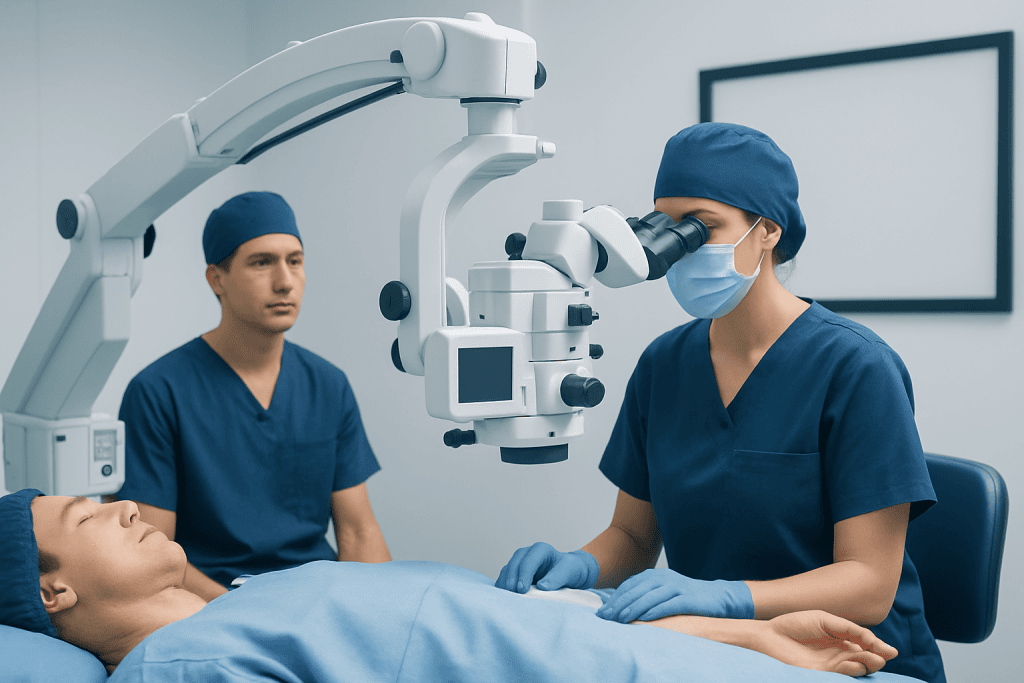
The type of operation is one of the largest contributors to lymphatic surgery cost. Physiologic microsurgery, such as lymphovenous bypass or lymphaticovenular anastomosis, connects small lymphatic channels to nearby veins to help fluid move into the circulation. Vascularized lymph node transfer moves lymph-node-containing tissue from one part of the body to another. In more advanced disease with substantial fatty or fibrotic tissue, liposuction or other tissue-reduction procedures may be considered.
Each approach requires different resources. Microsurgery often involves specialized imaging, highly trained surgical teams and fine instruments. Tissue-transfer surgery may involve reconstruction of both the affected area and the donor site. Liposuction for lymphedema requires careful selection and ongoing compression afterward. Some people need staged care rather than one procedure, which can change the overall lymphedema treatment surgery cost.
Before making decisions, patients can ask whether the estimate includes preoperative testing, lymphatic imaging, anesthesia, surgical supplies, an overnight stay if needed, postoperative monitoring, compression garments, physiotherapy and management of possible complications. If traveling for care, transport, accommodation, interpreters and time away from work may also be relevant personal expenses.
Cost should be considered alongside clinical suitability. A lower initial quote may not reflect the services needed before and after surgery, while a more complete care plan may include assessments and follow-up that support safe recovery.
How Lymphedema Surgery Works and Who May Be a Candidate

Surgical treatment aims either to improve lymphatic drainage or reduce excess tissue that has built up over time. The most suitable method depends on the person’s symptoms, skin and tissue changes, limb volume, infection history, prior treatments and lymphatic imaging findings. No procedure can promise a cure, and many patients continue some form of compression and self-management after surgery.
People may be considered for surgery when lymphedema remains troublesome despite consistent conservative treatment supervised by experienced clinicians. A specialist may assess whether swelling is mostly fluid, fatty tissue or fibrosis; whether lymphatic vessels are still usable; and whether there are medical factors that could affect healing. Weight management, smoking cessation where applicable, stable skin health and control of other conditions can be important parts of preparation.
Assessment may include limb measurements, photographs, review of prior cancer or vascular treatment, ultrasound and specialized lymphatic imaging. The care team also considers whether another cause of swelling, such as venous disease, heart problems, kidney disease or infection, needs evaluation. Related conditions, including lipedema, may have different treatment goals and should be accurately diagnosed.
A plastic and reconstructive surgeon, vascular specialist, rehabilitation clinician, lymphedema therapist and oncology team may work together when appropriate. At Acibadem International, multidisciplinary specialists and JCI-accredited hospitals assess and treat lymphedema for international patients.
What Happens Before, During and After the Procedure?
Before surgery, the team confirms the diagnosis, reviews current compression and therapy routines, discusses medicines and plans imaging where needed. Patients are given individualized instructions about eating and drinking before anesthesia, stopping or adjusting medicines only when advised, arranging support at home and bringing suitable compression garments if requested.
During lymphovenous bypass, the surgeon uses a microscope to identify very small lymphatic vessels and connect them to small veins. In vascularized lymph node transfer, lymph-node-containing tissue and its blood supply are transferred to the affected area and connected to local blood vessels. During lymphedema liposuction, excess fatty tissue is removed through small incisions; compression is particularly important afterward. The operation type determines anesthesia, length of surgery and whether hospital observation is required.
Recovery varies. Early healing involves wound care, movement guidance, monitoring for infection or fluid changes and follow-up visits. Some patients return to light activities relatively soon, while others require a longer recovery, especially after tissue transfer or extensive surgery. The surgeon and therapist provide a personalized plan for work, travel, exercise, lifting, compression and lymphatic therapy.
Patients should avoid changing compression routines on their own after surgery. Continued follow-up helps the team measure limb changes, monitor skin health and adjust rehabilitation. For patients considering microsurgical options, lymphedema surgery evaluation and treatment can clarify the expected pathway.
Benefits, Limitations and Possible Risks
For appropriately selected patients, surgery may reduce limb heaviness, swelling, recurrent skin infections or the intensity of daily management. Some people may experience improved mobility, comfort and quality of life. Outcomes differ according to the procedure, stage of lymphedema, anatomy, adherence to aftercare and other health factors, so expected results should be discussed in individual terms.
It is important to understand the limitations. Surgery may not restore lymphatic function completely, and results can develop gradually rather than immediately. Compression, skin care, exercise and monitoring may remain necessary. If lymphedema has caused pronounced tissue fibrosis or fat accumulation, a drainage-focused operation may have less effect on limb size than in earlier-stage fluid-predominant disease.
Risks vary by procedure but can include bleeding, infection, scarring, wound-healing problems, fluid collection, numbness, blood clots, anesthesia complications and persistent or recurrent swelling. Tissue-transfer procedures also have donor-site risks, and microsurgical connections may not remain open. A qualified surgeon explains the specific risks, alternatives and expected recovery before consent.
Careful skin care remains essential because damaged skin can allow infection to develop. Patients should seek timely advice about new redness, warmth, pain or fever rather than trying to manage possible infection alone.
How Do People Afford Lipedema Surgery?
People may use a combination of insurance benefits, public funding where available, personal savings, payment plans offered by providers or financial support arranged through family and community resources. Eligibility and reimbursement rules vary considerably by country, policy and the purpose of surgery. A diagnosis of lipedema does not automatically mean that a procedure will be covered.
When requesting coverage, patients may need clinical records documenting symptoms, functional limitations, conservative treatments already tried and the specialist’s recommendation. It can be helpful to ask the insurer or payer in writing whether assessment, imaging, anesthesia, hospital services, compression garments, therapy and follow-up are covered separately.
Lipedema and lymphedema are distinct, although they can coexist. The likely benefits, technique and funding criteria may therefore differ. An accurate diagnosis and a clear treatment plan are more useful than relying on broad online cost comparisons.
How Successful Is Surgery for Lymphedema?
Surgery for lymphedema can be successful in reducing symptoms and improving daily function for selected patients, but success is measured in more than one way. Limb volume, frequency of infections, comfort, mobility, garment use and quality of life may all be considered. The degree of improvement varies, and the same procedure may not produce the same result for every person.
Generally, physiologic procedures tend to work best when there are functioning lymphatic channels available for reconstruction and before extensive tissue fibrosis develops. Tissue-reduction surgery may help people with chronic, solid-predominant enlargement, but it usually requires long-term compression afterward. The specialist should explain which outcome is realistic for the individual’s stage and surgical option.
Long-term success also depends on follow-up care. Continuing prescribed compression, protecting the skin, maintaining activity within medical guidance and attending reviews can help support results. Patients should ask how the team defines success, what results are typical for people with similar disease features and what ongoing treatment may still be needed.
How Do You Qualify for Lymphedema Surgery?
Qualification begins with confirmation that swelling is due to lymphedema and that nonsurgical management has been appropriately used. Specialists consider the cause, duration and stage of lymphedema; the limb or body region involved; skin and tissue changes; infection history; current health conditions; and personal treatment goals. Specialized lymphatic imaging may help identify which operation, if any, is appropriate.
A candidate should be able to understand the likely benefits and limits of surgery and participate in postoperative care. This can include compression, wound care, gradual return to activity and follow-up appointments. Smoking, uncontrolled diabetes, active infection, poor circulation and certain medical conditions may require treatment or further evaluation before surgery can be considered safely.
Not qualifying for surgery does not mean there are no treatment options. Specialist compression fitting, decongestive therapy, exercise plans, weight-management support where appropriate and skin-care education can still make a meaningful difference. The best plan is individualized and may change as symptoms and health needs change.
Will Medicare Pay for Lymphedema Surgery?
Medicare coverage for lymphedema surgery depends on the country, the specific Medicare program, the procedure, medical necessity requirements and the treating provider. In the United States, coverage decisions can differ between Original Medicare and Medicare Advantage plans, and prior authorization or supporting documentation may be required. Patients should not assume that coverage for compression supplies or therapy automatically includes surgery.
Before scheduling treatment, patients can contact their plan and ask whether the proposed procedure is covered, whether the surgeon and hospital are in network, whether prior authorization is needed and what deductible, coinsurance or out-of-pocket limits may apply. The surgical office may be able to supply procedure descriptions, diagnosis codes and clinical documentation, but the insurer makes the final coverage determination.
For international patients or people using another national health system, equivalent questions apply. A written response from the payer and a complete hospital estimate can reduce uncertainty about what the patient may be responsible for paying.
When to Seek Medical Care
Anyone with new or worsening swelling of an arm, leg, breast, genital area or other body region should arrange medical assessment, particularly after cancer treatment, lymph-node surgery, radiation therapy, infection or injury. Early evaluation can help identify the cause and begin management before swelling becomes more difficult to control.
Urgent medical care is important for sudden one-sided swelling, chest pain, shortness of breath, a painful swollen limb, fever, rapidly spreading redness or warmth, or feeling unwell. These symptoms can have causes other than lymphedema, including conditions that need prompt treatment.
People already diagnosed with lymphedema should seek advice if compression no longer fits, swelling changes quickly, the skin cracks or leaks fluid, or infections occur repeatedly. A lymphedema specialist can review conservative care and discuss whether referral for surgical assessment is appropriate.
Frequently asked questions
What is included in lymphedema surgery cost?
Costs may include consultations, imaging, surgeon and anesthesia services, operating-room time, hospital care, medicines, compression garments and follow-up therapy. The exact inclusions vary by hospital and procedure. Patients should ask for a written estimate that identifies possible additional charges.
Is lymphedema surgery covered by insurance?
Insurance coverage depends on the policy, country, procedure and evidence of medical necessity. Some plans may cover parts of assessment or treatment while excluding other services. Prior authorization and documentation of conservative treatment may be required.
Can surgery cure lymphedema permanently?
Surgery may improve lymph drainage, reduce tissue volume or lessen symptoms, but it does not guarantee a permanent cure. Many people continue compression, skin care and follow-up after surgery. Results depend on disease stage, procedure type and individual healing.
How long is recovery after lymphedema surgery?
Recovery depends on the operation and the area treated. Some patients resume light daily activities within a relatively short period, while tissue-transfer or more extensive surgery can require longer healing and monitoring. The surgical team provides individualized instructions about activity, wounds and compression.
Do patients need compression garments after surgery?
Many patients need compression garments after surgery, although the duration and intensity depend on the procedure and clinical response. Compression is especially important after tissue-reduction procedures. Patients should follow their surgeon's and lymphedema therapist's instructions.
What should patients ask before choosing a lymphedema surgeon?
Patients can ask about the surgeon's experience with their proposed procedure, why that option fits their condition, expected benefits, alternatives, risks and required aftercare. It is also reasonable to ask how outcomes are assessed and what services are included in the financial estimate. A multidisciplinary team can help coordinate surgery with rehabilitation and ongoing lymphedema care.
References
- International Society of Lymphology
- National Cancer Institute
- American Society of Plastic Surgeons
- Centers for Medicare & Medicaid Services
- World Health Organization
This article is for general information only and is not a substitute for professional medical advice. Please consult a qualified doctor about your individual situation.
Lymphedema Surgery in Turkey — costs, top hospitals & a free quote
JCI-accredited · board-certified surgeons · reply within 24h
Add us as a Preferred Source to see more of our trusted health content across Google Search, AI Overviews and Discover.