Can Cancer Patients Drink Alcohol after Treatment: How It Works, Results and What to Expect

Alcohol can interfere with recovery, worsen certain treatment effects, and interact with medicines used after cancer treatment. There is no completely risk-free level of alcohol use for cancer prevention, and alcohol can raise the risk of several cancers.
Key Takeaways
- Alcohol can interfere with recovery, worsen certain treatment effects, and interact with medicines used after cancer treatment.
- There is no completely risk-free level of alcohol use for cancer prevention, and alcohol can raise the risk of several cancers.
- People with liver disease, mouth or throat cancers, alcohol-related cancers, or ongoing treatment are often advised to avoid alcohol.
- Cancer survivors who choose to drink should first ask their oncology team and consider limiting or avoiding alcohol.
- Daily drinking can affect sleep, mood, blood pressure, liver health, nutrition, and dependence risk.
Can cancer patients drink alcohol after treatment? In many cases, avoiding alcohol is the safest choice, particularly while the body is healing or if medicines are still being taken. Whether alcohol can be used later depends on the cancer type, treatment received, ongoing health concerns, and an individual discussion with the oncology team.
Can Cancer Patients Drink Alcohol After Treatment?
Can cancer patients drink alcohol after treatment? Often, the safest approach is to avoid alcohol during treatment and early recovery, then discuss any future drinking with the cancer care team. There is no single answer for every survivor because the decision depends on the cancer diagnosis, treatments received, current medicines, liver and nutritional health, and whether treatment-related symptoms are still present.
Alcohol is a known carcinogen, meaning it can contribute to cancer development. It is linked with cancers of the mouth, throat, voice box, esophagus, liver, breast, and colorectum. For this reason, many cancer organizations advise that avoiding alcohol is the lowest-risk option for people who have had cancer.
For some people who have completed treatment, have no ongoing contraindications, and do not have alcohol use disorder, an oncology clinician may discuss a cautious, individualized approach. This should not be viewed as a recommendation to start drinking. Follow-up care is an opportunity to ask about alcohol alongside diet, exercise, sleep, emotional wellbeing, and surveillance for recurrence.
How Alcohol Affects the Body During and After Cancer Care
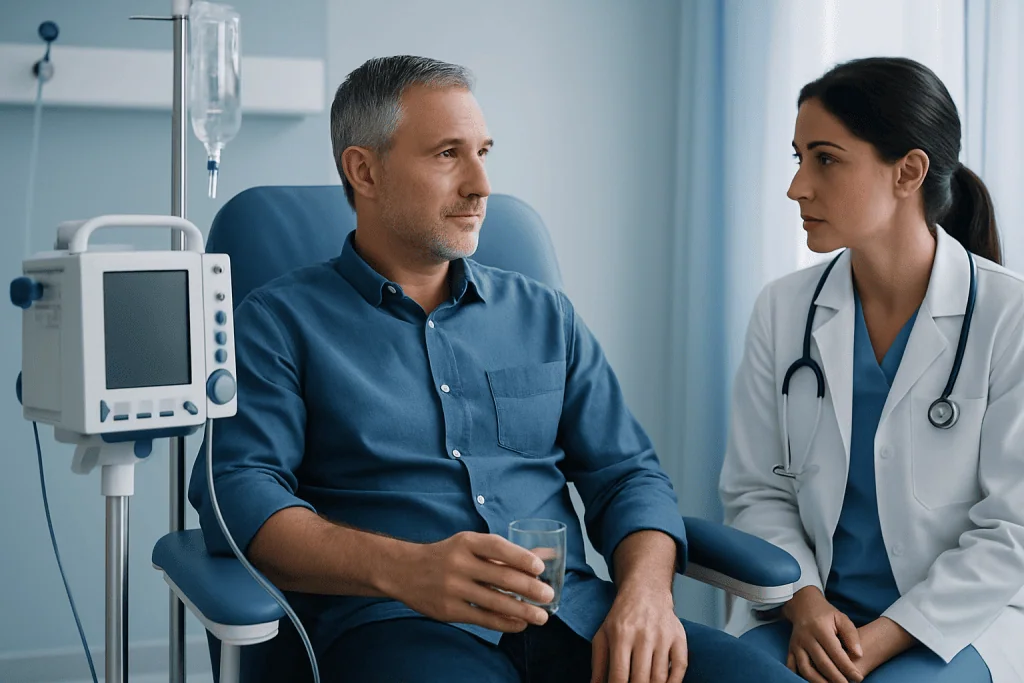
Alcohol is processed mainly by the liver. During this process, it is converted into acetaldehyde, a harmful substance that can damage cells and DNA. Alcohol can also increase inflammation, affect hormone levels, reduce absorption of some nutrients, and make the tissues of the mouth and digestive tract more vulnerable to cancer-causing substances.
After cancer treatment, the body may still be repairing tissue, restoring blood counts, rebuilding strength, or managing lasting effects such as fatigue, nausea, nerve symptoms, swallowing difficulty, bowel changes, or dry mouth. Alcohol can aggravate several of these problems. It may also contribute to dehydration, poor sleep, falls, anxiety, and low mood.
Alcohol can interact with prescription medicines, including some pain medicines, sleep medicines, anti-nausea medicines, antidepressants, blood thinners, and certain anticancer therapies. It can increase drowsiness, impair coordination, irritate the stomach, or place extra strain on the liver. A pharmacist or oncology clinician can check individual medication interactions.
What Happens When a Cancer Patient Drinks Alcohol?
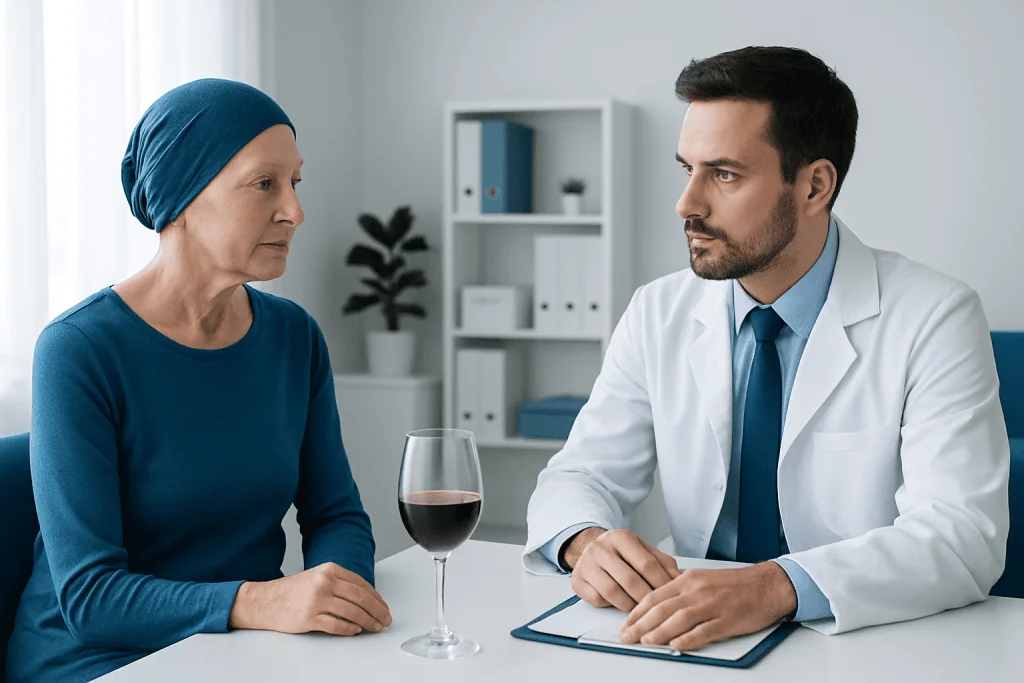
What happens when a cancer patient drinks alcohol depends on their current health and treatment plan. A person may notice short-term effects such as nausea, reflux, diarrhea, mouth soreness, poor sleep, tiredness, dizziness, dehydration, or worse anxiety. These effects can be more pronounced after chemotherapy, radiation therapy, surgery, immunotherapy, or targeted treatment.
Alcohol can be particularly difficult for people recovering from cancers of the mouth, throat, esophagus, stomach, liver, pancreas, or bowel. It may irritate healing tissues, worsen swallowing or digestive symptoms, and make it harder to maintain adequate nutrition. People who have had liver surgery or who have liver inflammation, cirrhosis, or abnormal liver blood tests should seek specific medical advice before drinking.
Drinking may also make it harder to recognize whether a new symptom is related to alcohol, medication, infection, or cancer treatment. If alcohol use is frequent, it can affect attendance at follow-up visits and adherence to prescribed medication. Honest, nonjudgmental discussion with the care team helps clinicians provide safe support.
Who Should Avoid Alcohol Completely?
Alcohol is generally best avoided during active cancer treatment, including chemotherapy, radiotherapy, immunotherapy, targeted therapy, and recovery from major surgery, unless the treating clinician has clearly said otherwise. It should also be avoided when a person is taking a medicine that interacts with alcohol or has ongoing nausea, vomiting, dehydration, mouth sores, poor appetite, or significant fatigue.
Complete avoidance is especially important for people with alcohol-related liver disease, pancreatitis, a past or current alcohol use disorder, or a history of cancers strongly associated with alcohol. Those treated for head and neck cancer may be advised not to drink because alcohol can irritate the area and can increase the risk of another cancer, particularly when combined with tobacco.
People receiving care for liver cancer or those recovering from chemotherapy should ask their treating specialist before consuming alcohol. Their recommendation may change over time as treatment ends, laboratory results recover, and medications are adjusted.
Can You Drink Alcohol After You Beat Cancer?
Can you drink alcohol after you beat cancer? Some people may be able to drink after treatment has ended, but “can” does not necessarily mean it is the healthiest option. Cancer survivors should first confirm with their oncology team that alcohol will not interfere with recovery, medications, liver function, nutrition, or their individual follow-up plan.
From a cancer-risk perspective, less alcohol is better, and not drinking is the lowest-risk choice. This is especially relevant for people with a previous alcohol-associated cancer, breast cancer, colorectal cancer, liver disease, or a strong family and personal risk profile. Alcohol also has potential effects on weight, sleep, mood, and cardiovascular health that may matter during survivorship.
If a clinician agrees that occasional alcohol use is reasonable, the person should avoid binge drinking and remain aware of any symptoms that occur. Non-alcoholic alternatives can make social occasions easier without adding alcohol-related health risks. A survivorship appointment is a suitable setting to create a realistic, personalized plan.
What Are the Symptoms of Drinking Alcohol Every Day?
What are the symptoms of drinking alcohol every day? Effects vary widely, but regular drinking may lead to poor sleep, daytime tiredness, headaches, heartburn, nausea, diarrhea, appetite changes, weight changes, impaired concentration, irritability, anxiety, or low mood. Some people develop tolerance, meaning they need more alcohol to feel the same effects.
Possible warning signs of unhealthy alcohol use include finding it difficult to cut down, drinking more or for longer than intended, craving alcohol, continuing to drink despite health or relationship problems, or needing alcohol to relax or cope. Morning shakiness, sweating, nausea, anxiety, or trouble sleeping after stopping alcohol can be signs of withdrawal and require medical advice.
Long-term daily use can harm the liver, pancreas, nerves, heart, brain, and immune system. It can also worsen nutritional deficiencies and increase the risk of falls and injuries. A clinician can provide confidential screening and support; help is available, and discussing alcohol use is part of routine healthcare rather than a cause for shame.
Which Type of Cancer Is Most Commonly Caused by Alcohol?
Which type of cancer is most commonly caused by alcohol? Alcohol contributes to several cancer types rather than one single cancer. At a population level, breast cancer accounts for a large number of alcohol-attributable cancer cases because breast cancer is common and alcohol can increase risk even at relatively low levels of intake.
Alcohol is also clearly linked to cancers of the oral cavity, pharynx, larynx, esophagus, liver, and colorectum. For cancers of the mouth, throat, and esophagus, drinking alcohol together with smoking substantially increases risk. The combined exposure is more harmful than either habit alone.
Individual risk is influenced by the amount and pattern of alcohol use, biological sex, smoking status, body weight, viral hepatitis, diet, genetics, and other health factors. Reducing or stopping alcohol can be a meaningful part of a broader prevention and survivorship plan. People concerned about cancer risk can discuss prevention and screening with an oncology or primary care clinician.
Practical Recovery Steps and When to Seek Medical Care
After cancer treatment, recovery is supported by regular fluids, nourishing foods that are tolerated, gradual physical activity when approved, sleep routines, and attendance at follow-up appointments. Alcohol-free drinks can help maintain hydration and may be gentler if there is nausea, diarrhea, mouth soreness, or swallowing discomfort. A dietitian can help when appetite, weight, or digestion has changed.
Medical care should be sought promptly for confusion, fainting, severe or persistent vomiting, vomiting blood, black stools, yellowing of the skin or eyes, severe abdominal pain, new shortness of breath, chest pain, or signs of alcohol withdrawal such as shaking, sweating, agitation, hallucinations, or seizures. These symptoms require timely assessment and should not be managed alone.
It is also appropriate to contact the cancer team for new or worsening treatment-related symptoms, difficulty eating or drinking, concerns about medication interactions, or trouble reducing alcohol use. Acibadem International’s multidisciplinary specialists and JCI-accredited hospitals support international patients with cancer diagnosis, treatment, and follow-up care.
Frequently asked questions
How long after chemotherapy should someone wait before drinking alcohol?
There is no universal waiting period. Alcohol should generally be avoided while chemotherapy is being given and until the oncology team confirms that blood tests, liver function, symptoms, and medication use make it safe to discuss alcohol. The answer can differ according to the chemotherapy drugs used and the person’s recovery.
Can alcohol make cancer come back?
Alcohol is linked to a higher risk of several cancers, but it is not possible to predict recurrence for one individual based on alcohol use alone. Because alcohol can add cancer-related risk and affect general health, many survivors choose to avoid it or reduce it substantially. The oncology team can explain the factors most relevant to a person’s specific cancer.
Is wine safer than beer or spirits after cancer treatment?
The cancer-related concern is ethanol, the alcohol contained in wine, beer, and spirits, rather than the type of drink. A standard serving of different beverages may contain a similar amount of alcohol. Choosing wine instead of another alcoholic drink does not remove alcohol-related risks.
Can alcohol be used for stress after cancer treatment?
Alcohol may feel calming briefly, but it can disrupt sleep, worsen anxiety or low mood, and lead to reliance over time. Supportive counseling, relaxation techniques, physical activity when appropriate, peer support, and treatment for anxiety or depression are safer long-term options. A healthcare professional can help identify suitable support.
Should cancer survivors who do not drink start drinking for heart health?
No. People who do not drink alcohol should not start for possible health benefits. Any potential cardiovascular effects do not outweigh alcohol’s known risks for cancer and other health conditions. Other approaches, such as not smoking, regular activity, balanced eating, sleep, and management of blood pressure and cholesterol, support heart health.
What should a person do if they cannot stop drinking after cancer treatment?
They should speak with a doctor, oncology nurse, primary care clinician, or addiction specialist as soon as possible. Effective support can include counseling, medically supervised withdrawal when needed, and medicines for alcohol use disorder. A person who may be physically dependent should not suddenly stop drinking without medical guidance, because withdrawal can be dangerous.
References
- World Health Organization
- International Agency for Research on Cancer
- American Cancer Society
- National Cancer Institute
- American Society of Clinical Oncology
This article is for general information only and is not a substitute for professional medical advice. Please consult a qualified doctor about your individual situation.
Oncology care in Turkey — second opinion and treatment plan
JCI-accredited · board-certified surgeons · reply within 24h
Add us as a Preferred Source to see more of our trusted health content across Google Search, AI Overviews and Discover.