Natural Treatment for Enlarged Prostate: How It Works, Results and What to Expect

An enlarged prostate, also called benign prostatic hyperplasia (BPH), is common with aging and is not the same as prostate cancer. Fluid timing, physical activity and reducing bladder irritants may improve mild urinary symptoms.
Key Takeaways
- An enlarged prostate, also called benign prostatic hyperplasia (BPH), is common with aging and is not the same as prostate cancer.
- Fluid timing, physical activity and reducing bladder irritants may improve mild urinary symptoms.
- Herbal supplements have mixed evidence and can interact with medicines; they should be discussed with a clinician.
- Medicines and minimally invasive procedures are available when symptoms affect daily life or cause complications.
- Inability to pass urine, fever with urinary symptoms, visible blood in urine or severe pain needs prompt medical attention.
Natural treatment for enlarged prostate can support bladder comfort and reduce symptom triggers, particularly when symptoms are mild. However, lifestyle measures and supplements do not reliably shrink an enlarged prostate, so persistent urinary changes should be assessed by a clinician.
Overview: What Natural Treatment Can and Cannot Do
Natural treatment for enlarged prostate usually refers to lifestyle changes, dietary adjustments and herbal supplements intended to ease urinary symptoms. These approaches may help some people with mild symptoms of benign prostatic hyperplasia (BPH), such as waking at night to urinate, urgency or a weaker stream. They are best viewed as supportive measures rather than a proven way to reverse prostate enlargement.
BPH occurs when the prostate gland gradually increases in size and presses on the urethra, the tube that carries urine out of the body. It is a non-cancerous condition, but urinary symptoms can also arise from infection, bladder problems, medicines or, less commonly, prostate cancer. An evaluation helps identify the cause and guide appropriate care for benign prostatic hyperplasia.
The most suitable approach depends on symptom severity, prostate size, overall health, current medicines and whether complications are present. Monitoring plus self-care may be reasonable for mild, non-bothersome symptoms, while medication or a procedure may be more appropriate when urine flow is substantially affected.
How Lifestyle Approaches Work
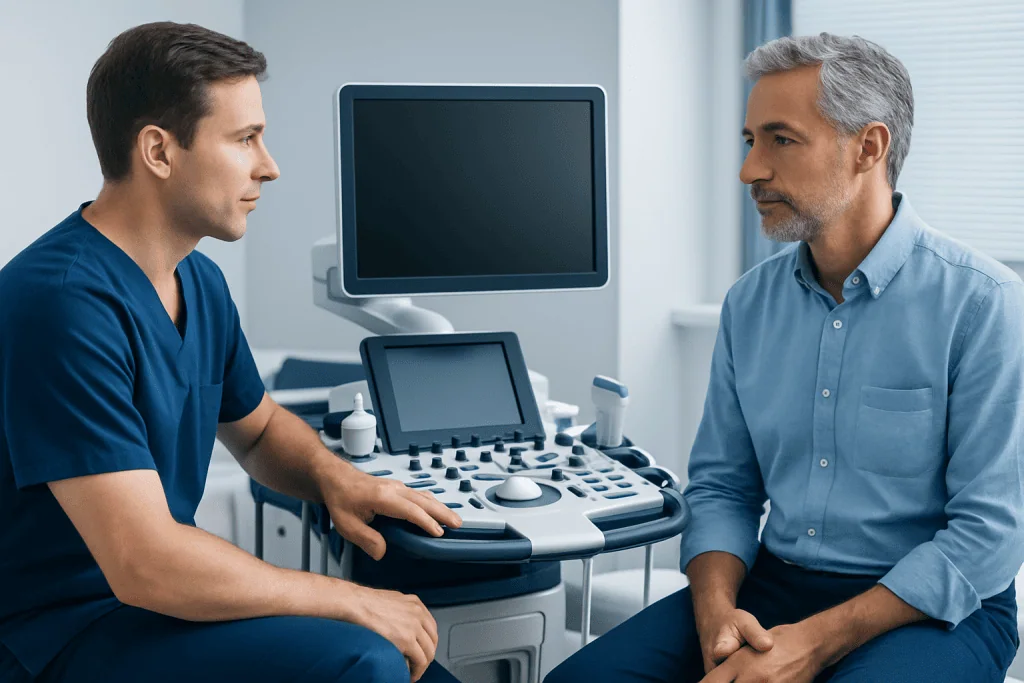
Lifestyle measures do not remove excess prostate tissue. Instead, they reduce factors that can worsen bladder irritation, increase urine production at inconvenient times or make it harder for the bladder to empty. Small changes can be meaningful when symptoms are early or fluctuate from day to day.
Useful measures may include spreading fluid intake throughout the day, limiting drinks for a few hours before sleep, and reducing alcohol and caffeinated beverages if they trigger urgency or nighttime urination. Avoiding constipation, maintaining a healthy weight and staying physically active can also support urinary and general health. It is important not to restrict fluids excessively, particularly in hot weather or when a clinician has advised regular hydration.
Some cold, allergy and sleep medicines may worsen urinary retention because of their effects on bladder and prostate muscle function. Decongestants and certain antihistamines are examples. A pharmacist or doctor can review all prescription medicines, over-the-counter products and supplements before changes are made.
- Allow enough time to empty the bladder rather than rushing.
- Try urinating again after a short pause if the bladder still feels full.
- Keep a symptom and fluid diary to identify patterns and triggers.
- Seek professional advice before changing prescribed medication.
Can an Enlarged Prostate Go Back to Normal Naturally?
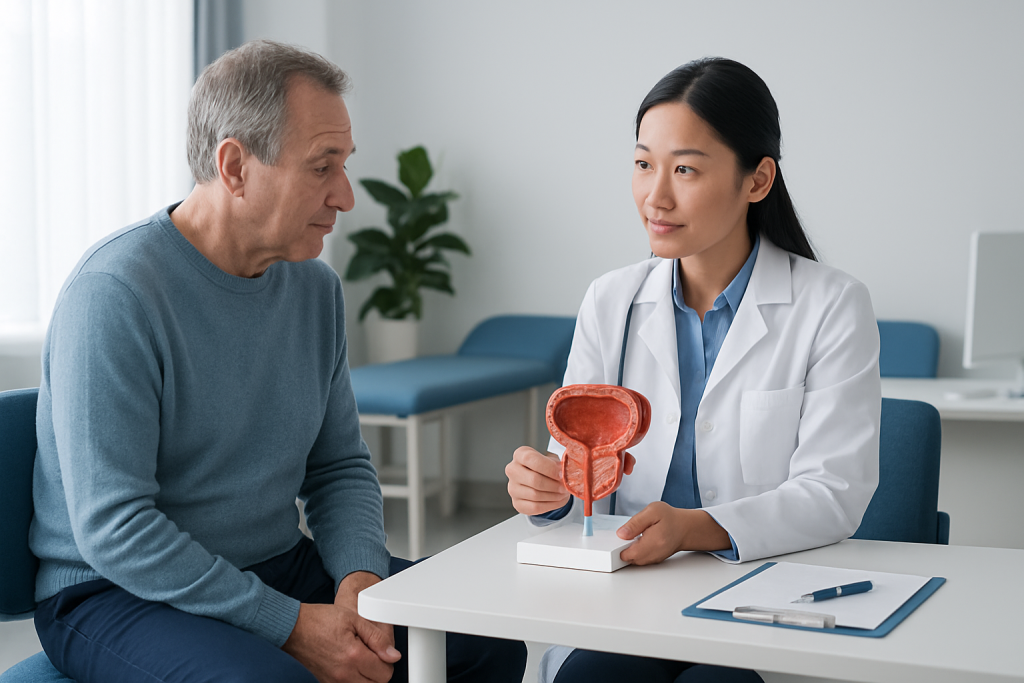
An enlarged prostate does not usually return to its previous size naturally. BPH is generally a progressive age-related change, although symptoms may remain stable for years, improve temporarily or vary with fluid intake, stress, constipation and medication use. Healthy habits can reduce symptom burden, but they are not reliably proven to shrink the prostate.
Some medical treatments can reduce prostate size over time, while procedures can remove, destroy or relieve obstruction from prostate tissue. The choice is based on symptoms, test results and a person’s preferences. It is not necessary to treat every enlarged prostate; treatment is typically considered when urinary symptoms are bothersome or when there is evidence of obstruction or complications.
A clinician may recommend watchful waiting with regular review for mild symptoms. During this period, changes in urine flow, repeated urinary infections, bladder stones, kidney function or the ability to empty the bladder should be monitored as appropriate.
What Do the Chinese Use for an Enlarged Prostate?
Traditional Chinese medicine may use herbal formulas, acupuncture, dietary practices and other approaches for urinary symptoms attributed to prostate enlargement. Individual herbs and combinations vary widely, and some people use them alongside conventional BPH care. However, high-quality evidence that these treatments safely shrink the prostate or prevent BPH complications remains limited.
Herbal products are not automatically safe because their ingredients, concentrations and quality can differ between brands and countries. They may affect blood clotting, blood pressure, blood sugar or liver function, and they can interact with prescription medicines. Products should not be used as a substitute for assessment when there are significant urinary symptoms.
Anyone considering traditional remedies should tell their urologist and pharmacist exactly what they are taking, including teas, powders and imported products. This is especially important before surgery or if taking anticoagulants, medicines for blood pressure, diabetes treatment or BPH medication.
Supplements, Candidacy and Evidence
Saw palmetto, beta-sitosterol, pygeum and pumpkin seed products are among the supplements commonly marketed for enlarged prostate symptoms. Research findings are inconsistent, and well-designed studies have not shown saw palmetto to provide meaningful benefit over placebo for most men with BPH symptoms. Other supplements may have limited evidence, but they are not considered reliable first-line treatments.
A person may be a candidate for a period of lifestyle-led management when symptoms are mild, there is no urinary retention or recurrent infection, kidney function is not affected, and an assessment has excluded other causes. Monitoring is important because symptom severity alone does not always show how much obstruction is present.
Natural approaches are less suitable as the only plan when there are repeated urinary tract infections, bladder stones, ongoing visible blood in urine, high residual urine after voiding, kidney problems or complete inability to urinate. In these circumstances, medical and urological care is needed to protect bladder and kidney health.
Does Ejaculating Help an Enlarged Prostate?
There is no strong evidence that ejaculation shrinks an enlarged prostate or treats BPH. Regular sexual activity and ejaculation are generally safe for most people with BPH if they are comfortable, but they should not be expected to improve urinary obstruction.
Some people notice temporary changes in pelvic sensations or urinary symptoms after sex, but experiences differ. BPH itself can coexist with erectile dysfunction, reduced ejaculation volume or changes in orgasm, and certain BPH medicines can also affect ejaculation. These concerns can be discussed openly with a clinician because treatment can often be tailored to sexual-health priorities.
Painful ejaculation, blood in semen, new erectile problems or pelvic pain should be evaluated, particularly if symptoms persist. These concerns may have causes other than BPH, including inflammation or infection.
What Is the Fastest Way to Shrink an Enlarged Prostate?
There is no fast natural method proven to shrink an enlarged prostate. When reducing prostate size is clinically necessary, doctors may prescribe medicines that act on hormonal pathways; these typically work gradually over months rather than days. Other medicines can relax prostate and bladder-neck muscles more quickly to improve urine flow, but they do not shrink the prostate.
For significant obstruction or symptoms that do not respond to medication, minimally invasive or surgical options may provide more rapid and durable relief of blockage. The appropriate procedure depends on prostate anatomy and size, medical history, use of blood-thinning medicines and personal priorities such as preserving ejaculation. A urologist can explain the potential role of prostate surgery and minimally invasive treatment options.
A typical care pathway begins with a medical history, symptom questionnaire, physical examination and urine testing. Depending on the situation, testing may also include prostate-specific antigen (PSA) assessment, kidney-function blood tests, ultrasound, urine-flow measurement, measurement of urine remaining after voiding or cystoscopy. These steps help determine whether a procedure is needed and which option is safest.
Recovery varies by treatment. Medication may be started and reviewed over several weeks or months. After a minimally invasive procedure, temporary burning with urination, urgency, blood-tinged urine or a catheter may occur; recovery and return to usual activities depend on the technique and individual health. The treating team provides individualized instructions for activity, hydration, catheter care and follow-up.
Benefits, Risks and When to Seek Medical Care
The potential benefit of natural strategies is that they are generally low risk when sensible and can improve overall health as well as urinary comfort. Their main limitation is that they may not adequately address prostate obstruction, and unregulated supplements can cause side effects or medicine interactions. A clinician can help balance observation, lifestyle measures, medication and procedures based on the likely benefits and risks.
Medical care should be sought promptly for inability to pass urine, fever or chills with urinary symptoms, severe lower abdominal pain, confusion, severe weakness, or visible blood in urine. A non-urgent medical appointment is also appropriate for a new weak stream, straining, repeated nighttime urination, recurrent urinary infections, leakage or symptoms that interfere with sleep and quality of life.
Acibadem International’s multidisciplinary specialists and JCI-accredited hospitals diagnose and treat BPH and related urinary conditions for international patients. A urology consultation can clarify whether symptoms are suitable for monitoring, medication or a tailored procedure.
Frequently asked questions
What is the best natural treatment for enlarged prostate?
There is no single natural treatment proven to shrink an enlarged prostate. For mild symptoms, fluid timing, reducing caffeine and alcohol when they trigger symptoms, regular activity, constipation management and reviewing medicines that may worsen urination can be helpful. A clinician should assess ongoing or worsening symptoms.
Can diet shrink an enlarged prostate?
No specific diet has been proven to reliably shrink an enlarged prostate. A balanced eating pattern that supports healthy weight, bowel regularity and cardiovascular health may help overall wellbeing and may reduce some symptom triggers. Dietary supplements should not replace medical evaluation or prescribed treatment.
Is saw palmetto effective for an enlarged prostate?
High-quality studies have not shown saw palmetto to provide consistent, meaningful improvement in BPH urinary symptoms compared with placebo. It can still cause side effects and interact with other treatments. A doctor or pharmacist should be consulted before using it.
Can BPH cause prostate cancer?
BPH does not turn into prostate cancer. However, the two conditions can occur at the same time, and some urinary symptoms overlap with other prostate or bladder conditions. Appropriate assessment is important when symptoms are new or changing.
How long should someone try lifestyle changes for BPH symptoms?
For mild symptoms without warning signs, a clinician may suggest lifestyle changes and follow-up over several weeks to months. The timeline depends on symptom severity and test results. Earlier review is needed if symptoms worsen, urinary infections occur or the person cannot empty the bladder.
When is enlarged prostate an emergency?
Complete inability to urinate requires urgent medical assessment. Fever or chills with urinary symptoms, severe pain, heavy bleeding in urine, or feeling very unwell also need prompt care. These symptoms can indicate urinary retention, infection or another condition requiring treatment.
References
- National Institute of Diabetes and Digestive and Kidney Diseases
- American Urological Association
- European Association of Urology
- National Center for Complementary and Integrative Health
This article is for general information only and is not a substitute for professional medical advice. Please consult a qualified doctor about your individual situation.
Explore treatments in Turkey — costs, top hospitals & a free quote
JCI-accredited · board-certified surgeons · reply within 24h
Add us as a Preferred Source to see more of our trusted health content across Google Search, AI Overviews and Discover.
Check your numbers in seconds
BMI, calories, due date, blood pressure and 30+ more clinical calculators — free, instant, doctor-reviewed ranges.

More from the Health Library



Related Specialists

Dr. Nilgün Çavdar
Physical Medicine & Rehabilitation
Assoc. Prof. Dr. Sevgi Topal
Pediatric Intensive Care Unit
Prof. Dr. Mustafa Sofikerim
Urology
Prof. Dr. Alper Özkan
Cardiology