Pancreas Biopsy Procedure: Procedure, Recovery and Results

Most pancreatic biopsies are performed using endoscopic ultrasound guidance or, less commonly, through the skin with CT or ultrasound guidance. The procedure is usually an outpatient test, and many people resume light daily activities within 24 to 48 hours.
Key Takeaways
- Most pancreatic biopsies are performed using endoscopic ultrasound guidance or, less commonly, through the skin with CT or ultrasound guidance.
- The procedure is usually an outpatient test, and many people resume light daily activities within 24 to 48 hours.
- Pathology results may identify cancer, inflammation, infection, benign tissue, or changes that require further assessment.
- Complications are uncommon but can include bleeding, infection, pancreatitis, medication reactions, and rarely injury to nearby structures.
- A biopsy result is interpreted alongside symptoms, blood tests, imaging findings, and the person’s overall health.
A pancreas biopsy procedure removes a small sample of pancreatic tissue for laboratory testing. It is commonly performed when imaging shows a pancreatic mass, cyst, or other change that needs clarification before treatment decisions are made.
Overview: What Is a Pancreas Biopsy Procedure?
A pancreas biopsy procedure is a diagnostic test in which a doctor collects a very small tissue or cell sample from the pancreas or a nearby abnormal area. A specialist in pathology examines the sample under a microscope and may perform additional laboratory tests. The purpose is to help determine whether a finding seen on imaging is cancerous, benign, inflammatory, infectious, or due to another condition.
The pancreas sits deep in the upper abdomen behind the stomach. Because of its location, biopsies are commonly performed with an endoscope and ultrasound guidance. This method, called endoscopic ultrasound-guided fine-needle aspiration or biopsy, allows the doctor to see the pancreas from inside the digestive tract and guide a thin needle precisely into the area of concern.
A biopsy is not needed for every pancreatic cyst or mass. In some situations, imaging characteristics and clinical findings provide enough information, while in others a tissue diagnosis is important before chemotherapy, radiotherapy, surgery, or monitoring is considered. The care team considers the likely diagnosis, the location of the finding, and whether the result will change management.
Why It May Be Recommended and Who Is a Candidate
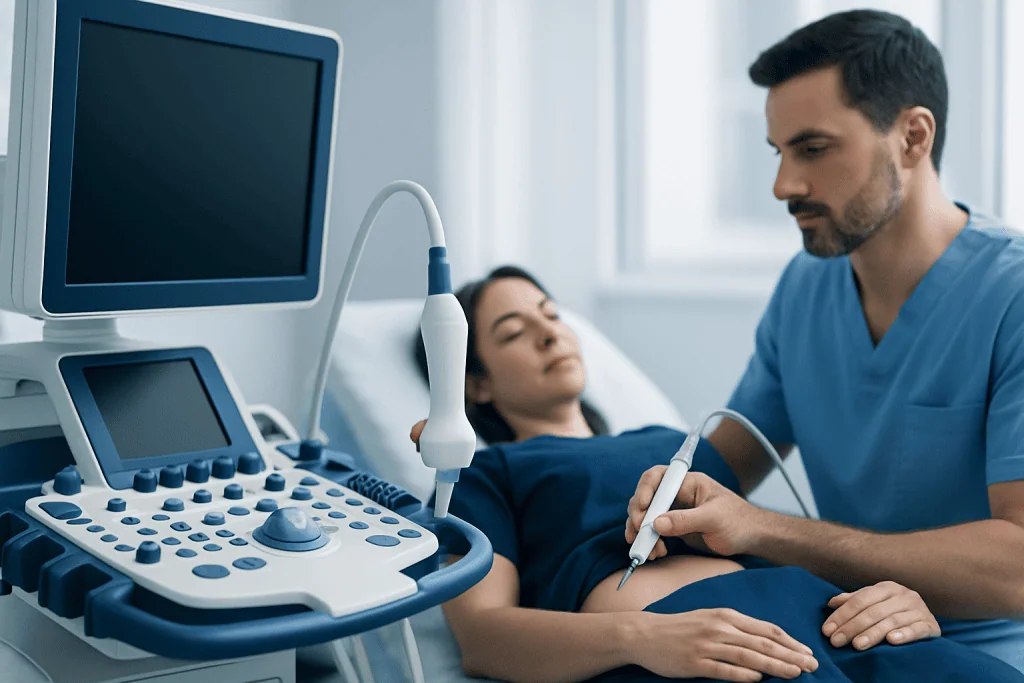
Doctors may recommend a pancreatic biopsy after a CT scan, MRI, ultrasound, or endoscopic ultrasound identifies a suspicious mass, enlarged lymph node, cystic lesion, or unexplained change in the pancreas. It can also help assess possible pancreatic inflammation, autoimmune disease, infection, or spread of a cancer from another part of the body.
People may have symptoms such as persistent upper abdominal or back pain, jaundice, unintentional weight loss, appetite changes, pale stools, dark urine, or newly changed blood sugar control. However, many pancreatic findings are discovered during imaging performed for an unrelated reason. Symptoms alone cannot determine whether a lesion is cancerous.
Before recommending a biopsy, clinicians review medical history, medications, allergies, previous imaging, and blood tests. Blood-thinning medicines, antiplatelet medicines, some supplements, and diabetes medicines may need individualized instructions before the test. Pregnancy, bleeding disorders, active infection, and significant heart or lung conditions do not always prevent biopsy, but they may affect the safest approach and preparation plan.
- Endoscopic ultrasound-guided biopsy is often chosen for lesions within or near the pancreas.
- Image-guided biopsy through the skin may be considered when the target is safely accessible from the abdomen.
- Sometimes a biopsy is taken during surgery if an operation is already needed for another reason.
How the Pancreas Biopsy Procedure Works Step by Step

Preparation commonly includes fasting for several hours if sedation and endoscopy are planned. The patient should arrange for a responsible adult to take them home afterward, as sedative medicines can impair judgment and coordination for the remainder of the day. The clinical team provides personalized instructions about food, drinks, and medicines before the appointment.
For an endoscopic ultrasound-guided biopsy, the patient receives sedation or anesthesia appropriate to the procedure and their health needs. A doctor gently passes a flexible endoscope through the mouth, down the esophagus, and into the stomach or first part of the small intestine. An ultrasound probe at the tip creates detailed images of the pancreas and surrounding blood vessels.
Once the target is identified, a fine needle passes through the endoscope into the lesion under continuous ultrasound guidance. Several small samples may be collected to provide enough material for accurate testing. The endoscope is then removed. The procedure itself often takes less than an hour, although preparation, monitoring, and recovery time mean the visit is longer.
With a percutaneous biopsy, the skin is cleaned and numbed, and CT or ultrasound imaging guides a needle through the abdominal wall to the target. This approach may be used in selected circumstances. The choice between methods depends on anatomy, the suspected condition, accessibility, and the expertise of the multidisciplinary team.
Recovery Timeline and Aftercare
After an endoscopic pancreatic biopsy, the patient stays in a recovery area while the effects of sedation wear off. Mild sore throat, bloating, temporary nausea, tiredness, or mild abdominal discomfort can occur. After a biopsy through the skin, there may be mild tenderness or bruising at the needle site. The team checks vital signs and confirms that the patient is well enough to leave.
Most people can go home the same day and return to light activities within 24 hours, provided they feel well. It is generally sensible to rest on the day of the procedure, avoid driving, drinking alcohol, signing important documents, or operating machinery until sedation has fully worn off. The care team will advise when to restart regular meals and medicines.
Activity restrictions vary by technique and individual circumstances. Many people can resume usual routines within one to two days, while strenuous exercise or heavy lifting may need to wait longer if advised. The doctor may recommend avoiding certain medicines temporarily when there is a bleeding risk. Instructions should always be followed exactly, particularly for blood thinners.
Pathology processing takes time. Preliminary results may be available within several days, but specialized staining or molecular testing can extend the timeline. The treating doctor explains what the result means and whether follow-up imaging, repeat sampling, specialist review, or treatment planning is needed.
How Long Does It Take to Heal From a Pancreas Biopsy?
Most people recover from a pancreas biopsy procedure within one to two days, especially after endoscopic ultrasound-guided sampling. Tiredness from sedation and mild throat or abdominal discomfort usually improve over the first 24 hours. A small number of people may need a longer recovery period depending on their overall health, the biopsy technique, and whether a complication occurs.
The internal needle puncture is very small and does not usually require a prolonged healing period. If a needle was inserted through the skin, tenderness or a small bruise may last for several days. Following the discharge instructions, staying hydrated if permitted, and taking only recommended pain relief can support a comfortable recovery.
Contact the clinical team promptly if pain becomes severe or worsening, or if fever, repeated vomiting, fainting, black stools, vomiting blood, shortness of breath, or new jaundice develops. These symptoms do not necessarily mean a serious problem, but they need urgent medical assessment after a biopsy.
How Painful Is a Pancreatic Biopsy?
A pancreatic biopsy is usually not painful during an endoscopic ultrasound procedure because sedation or anesthesia is used. Patients are generally asleep or deeply relaxed and should not feel the needle sampling itself. Some people have a mild sore throat, gas-related bloating, or minor abdominal discomfort afterward.
For a biopsy performed through the skin, local anesthetic numbs the area before the needle is inserted. The person may feel pressure, brief discomfort, or a pushing sensation rather than sharp pain. Sedation may also be offered depending on the situation and local practice.
It is important to tell the healthcare team about previous difficult experiences with procedures, anxiety, chronic pain, or reactions to anesthesia. They can discuss comfort measures and choose an approach that is medically appropriate. Severe pain after going home is not expected and should be reported promptly.
How Risky Is a Pancreatic Biopsy?
Pancreatic biopsy is generally considered a low-risk procedure when performed by experienced teams using image guidance. Nevertheless, no invasive test is completely risk-free. The doctor balances the value of obtaining a diagnosis against the potential risks for each individual.
Possible complications include bleeding, infection, pancreatitis, abdominal pain, perforation of the digestive tract, and reactions to sedation or anesthesia. Rarely, a person may require observation in hospital or additional treatment. The exact risk varies with the biopsy route, location and type of lesion, medical conditions, and medicines that affect bleeding.
Endoscopic ultrasound guidance helps doctors avoid important structures and select a safe needle path. Careful preparation, including reviewing blood-thinning medicines and relevant laboratory results, further reduces risk. Patients should ask their doctor which risks are most relevant to their circumstances and what symptoms warrant urgent review.
What Percentage of Pancreas Biopsies Are Cancer?
There is no single reliable percentage for how many pancreas biopsies show cancer. The answer depends greatly on why the biopsy was ordered, the appearance of the lesion on imaging, the person’s age and symptoms, and whether the sample comes from a solid mass, a cyst, a lymph node, or another nearby area.
People referred to specialist services because imaging strongly suggests pancreatic cancer are more likely to have a malignant result than people undergoing assessment of an incidental cyst or non-specific pancreatic change. Conversely, inflammation, pancreatitis, benign cysts, neuroendocrine tumors, and other non-cancerous conditions can also produce pancreatic abnormalities on scans.
A non-cancer result may still need careful interpretation. Occasionally, a sample contains too few cells for a definite answer, particularly when a lesion is small or difficult to access. In that situation, the care team may recommend repeat endoscopic ultrasound, repeat biopsy, additional imaging, or follow-up over time rather than making conclusions from one test alone.
Results, Next Steps and When to Seek Medical Care
Biopsy findings are reviewed alongside imaging, laboratory tests, symptoms, and sometimes a multidisciplinary case discussion. Results may show normal pancreatic tissue, inflammation, a benign lesion, a precancerous change, cancer, or an inconclusive sample. If cancer is diagnosed or strongly suspected, further staging tests help define the most suitable treatment pathway.
Management can include monitoring, treatment of inflammation or another underlying condition, surgery, systemic medicines, radiotherapy, or a combination of approaches. A suspected or confirmed pancreatic malignancy is usually assessed by gastroenterologists, radiologists, pathologists, surgeons, oncologists, and supportive-care professionals. Patients may benefit from discussion of pancreatic cancer assessment and individualized treatment planning.
Medical care should be sought promptly for persistent jaundice, severe or worsening upper abdominal pain, unexplained weight loss, repeated vomiting, fever, or signs of gastrointestinal bleeding. After a biopsy, urgent assessment is particularly important for severe pain, fever, dizziness, fainting, vomiting blood, black stools, or difficulty breathing.
Acibadem International’s multidisciplinary specialists and JCI-accredited hospitals support international patients needing pancreatic diagnostic assessment and treatment planning. A qualified clinician can explain whether biopsy findings support observation, additional testing, or referral for pancreatic cancer treatment.
Frequently asked questions
How long does a pancreas biopsy procedure take?
The sampling portion of an endoscopic ultrasound-guided pancreas biopsy often takes less than an hour. However, preparation, sedation, recovery monitoring, and discharge arrangements make the total visit longer. The exact duration depends on the biopsy method and the location of the area being sampled.
Do patients stay overnight after a pancreatic biopsy?
Most people have a pancreatic biopsy as an outpatient procedure and return home the same day. An overnight stay may be advised if there are significant medical conditions, concerning symptoms after the procedure, or a complication that needs observation. The care team will explain the expected plan before the biopsy.
How long does it take to heal from a pancreas biopsy?
Many people feel able to return to light activities within 24 to 48 hours. Mild fatigue, throat irritation, bloating, or localized tenderness may last a few days. Recovery may take longer if the person has other health conditions or develops a complication.
What percentage of pancreas biopsies are cancer?
There is no universal percentage because people undergo pancreas biopsy for different reasons and with different imaging findings. A biopsy of a highly suspicious solid mass has a different likelihood of cancer than testing of an incidental pancreatic cyst. The individual result must be interpreted with imaging and clinical information.
How painful is a pancreatic biopsy?
During endoscopic ultrasound-guided biopsy, sedation or anesthesia usually prevents pain during sampling. Mild sore throat, bloating, or abdominal discomfort can occur afterward. A biopsy through the skin is performed with local anesthetic, so it commonly causes pressure or brief discomfort rather than severe pain.
How risky is a pancreatic biopsy?
Pancreatic biopsy is generally safe when performed with appropriate image guidance, but it has potential risks. These include bleeding, infection, pancreatitis, digestive tract injury, and sedation-related reactions, although serious complications are uncommon. The doctor can explain the risks based on the person’s medicines, health history, and planned approach.
References
- National Cancer Institute
- American Cancer Society
- American Society for Gastrointestinal Endoscopy
- National Institute of Diabetes and Digestive and Kidney Diseases
- European Society of Gastrointestinal Endoscopy
This article is for general information only and is not a substitute for professional medical advice. Please consult a qualified doctor about your individual situation.
Persistent digestive symptoms? Get evaluated in Turkey
JCI-accredited · board-certified surgeons · reply within 24h
Add us as a Preferred Source to see more of our trusted health content across Google Search, AI Overviews and Discover.