Neonatorum Ophthalmia Treatment: How It Works, Results and What to Expect

Ophthalmia neonatorum is conjunctivitis that develops during the first 28 days of life and should be assessed promptly. The appearance and timing of eye symptoms can offer clues, but laboratory testing is often needed to identify the cause.
Key Takeaways
- Ophthalmia neonatorum is conjunctivitis that develops during the first 28 days of life and should be assessed promptly.
- The appearance and timing of eye symptoms can offer clues, but laboratory testing is often needed to identify the cause.
- Some bacterial infections, especially gonococcal infection, require urgent systemic antibiotic treatment rather than eye drops alone.
- Most newborns recover well with timely, cause-specific care, but delayed treatment can threaten the cornea and vision.
- Parents should not use leftover eye drops, herbal remedies or over-the-counter products unless a clinician specifically recommends them.
Neonatorum ophthalmia treatment begins with prompt medical assessment of any newborn with red, swollen, watery or discharge-filled eyes. Treatment depends on the cause and may include careful eye cleansing, topical medicines, oral or intravenous antibiotics, and assessment for related infection elsewhere in the body.
Neonatorum Ophthalmia Treatment: How It Works
Neonatorum ophthalmia treatment is the medical care used for conjunctivitis, or inflammation of the eye surface, in a baby during the first 28 days after birth. It is not one single procedure. Instead, clinicians assess the baby urgently, identify the likely cause, gently remove discharge, and provide treatment that targets the infection or irritation involved.
Newborn eye discharge can result from bacteria, viruses, blocked tear drainage or temporary chemical irritation. Some causes are mild and settle with observation and hygiene, while others can progress quickly and need antibiotics given by mouth or vein. Because a newborn’s eyes are delicate and some infections can affect vision, parents and caregivers should seek medical advice promptly rather than trying to diagnose the cause at home.
The goals of treatment are to protect the cornea, relieve swelling and discharge, clear the underlying infection where present, and reduce the chance of infection spreading to the other eye or other parts of the baby’s body. The baby’s pediatrician may work alongside an ophthalmologist, infectious disease specialist and obstetric team when needed.
Who Needs Assessment and How Clinicians Determine the Cause
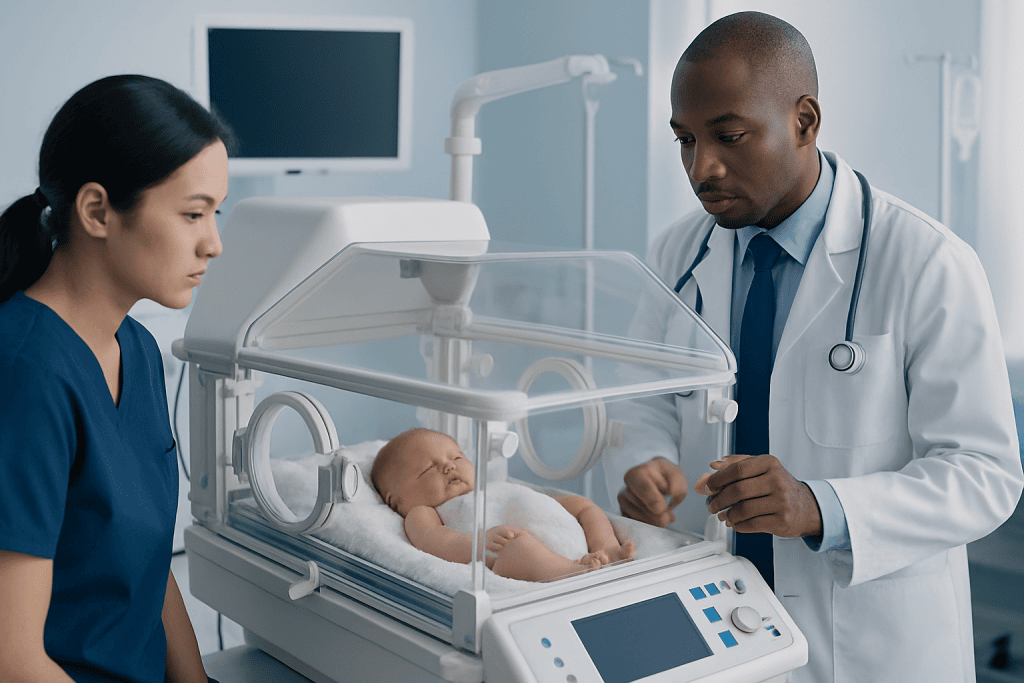
Any baby younger than one month with redness of the whites of the eyes, eyelid swelling, tearing, sticky discharge or difficulty opening an eye should be evaluated by a qualified clinician. Urgency is particularly important when discharge is thick or pus-like, eyelids are markedly swollen, the cornea looks cloudy, or the baby seems unwell, feeds poorly or has a fever.
Symptoms alone do not reliably establish the cause. The clinician will ask when symptoms began, whether one or both eyes are involved, how the baby was delivered, and whether there were maternal infections, prolonged rupture of membranes or other pregnancy-related risk factors. They will examine the eyelids, conjunctiva and cornea, and assess the baby’s overall health.
A swab of eye discharge may be sent for microscopy, culture or molecular testing. Testing may look for bacteria including Neisseria gonorrhoeae and Chlamydia trachomatis, as well as herpes simplex virus when clinically suspected. Further tests may be needed if there are signs that infection could extend beyond the eye.
Babies are generally candidates for treatment based on the suspected cause, not on the severity of discharge alone. Even if symptoms appear mild, the care team may begin treatment before final results return when a serious infection is possible.
Step-by-Step: What Happens During Treatment

First, a clinician examines the baby and collects samples when appropriate. Before and after examination, caregivers use careful hand hygiene. Crusting and discharge may be softened and wiped away with sterile saline or clean water as directed, using a separate clean pad for each eye. This keeps the eye surface clear and helps the clinician monitor changes.
Next, treatment is selected according to the suspected or confirmed cause. Bacterial conjunctivitis may be treated with antibiotic eye medicine, systemic antibiotics, or both. Gonococcal ophthalmia requires urgent systemic antibiotic treatment because it can damage the cornea and may be associated with infection elsewhere. Chlamydial infection is also treated with systemic antibiotics because eye-only treatment may not clear infection in other sites, such as the respiratory tract.
If herpes simplex virus is suspected, urgent specialist assessment and antiviral medicine are needed. Chemical irritation, sometimes occurring after preventive eye medication at birth, may resolve with supportive care once serious infection has been excluded. A blocked tear duct can cause persistent tearing and discharge, but it should not be assumed to be the explanation until an infection has been considered.
Depending on the findings, the baby may be monitored at home with very close follow-up or observed in hospital. When an infection may have been acquired around delivery, the mother and sometimes sexual partner may also need testing and treatment through their own healthcare professionals to prevent reinfection and protect future pregnancies.
Benefits, Risks and Recovery Timeline
The main benefit of timely neonatorum ophthalmia treatment is prevention of avoidable eye damage. Once the correct treatment is started, swelling and discharge often begin to improve over the following days, although the full recovery timeline depends on the cause, severity and the baby’s response. Follow-up is important to confirm that the cornea remains healthy and that symptoms are resolving.
For more serious bacterial or viral causes, treatment may continue beyond the point when the eye looks better. Parents should complete the prescribed course and attend scheduled reviews. A clinician may adjust treatment when laboratory results become available or if the baby’s symptoms do not improve as expected.
Risks from prescribed medicines are considered against the potentially serious consequences of undertreated infection. Some babies may experience temporary local irritation from eye medicine or digestive side effects from systemic antibiotics. Parents should contact the care team if the baby develops rash, vomiting, worsening redness, increased swelling, poor feeding, unusual sleepiness or any new concerning symptom.
At Acibadem International, multidisciplinary pediatric, ophthalmology and infectious disease specialists at JCI-accredited hospitals can assess and treat newborn eye conditions for international patients when coordinated specialist care is needed.
What Is the Prognosis for Ophthalmia Neonatorum?
The prognosis for ophthalmia neonatorum is usually good when the cause is identified early and treatment begins promptly. Many cases resolve completely without lasting eye problems. The outlook is especially favorable for mild irritation and uncomplicated infections that receive appropriate care and follow-up.
The prognosis becomes more guarded if treatment is delayed in infections that can affect the cornea, particularly gonococcal infection or herpes simplex virus infection. Corneal ulceration, scarring and impaired vision are uncommon with timely care but can occur when severe infection is missed or progresses rapidly.
Follow-up appointments allow clinicians to confirm that redness, swelling and discharge have resolved and that the cornea is clear. If symptoms persist, recur or affect only one eye for an extended period, the care team may reassess the diagnosis, test results and treatment plan.
What Are the Do's and Don'ts When Treating Conjunctivitis?
Parents should wash their hands before and after touching the baby’s face or applying prescribed eye medicine. They should clean discharge only as instructed, use a fresh clean pad for each wipe, and wipe gently from the inner corner of the eye outward. Medication should be given exactly as prescribed, and all follow-up visits should be kept.
It is important not to use leftover antibiotics, non-prescribed drops, traditional remedies, breast milk or herbal preparations in a newborn’s eye. These approaches may irritate the eye, introduce germs or delay appropriate care. Parents should also avoid sharing towels, washcloths or eye-care items between the baby and others.
Caregivers should not force open a tightly swollen eyelid or attempt to remove material that seems stuck to the eye surface. A clinician should assess this. If the baby has confirmed or suspected infectious conjunctivitis, close contacts should follow the healthcare team’s advice about testing and treatment where relevant.
- Do: seek prompt assessment for any red, swollen or discharge-filled newborn eye.
- Do: follow the prescribed treatment course and hygiene instructions.
- Do not: delay care while waiting to see whether severe symptoms settle on their own.
- Do not: use eye drops or home remedies without medical guidance.
What Is the Best Treatment for Ophthalmia Neonatorum?
The best treatment for ophthalmia neonatorum is cause-specific treatment prescribed after prompt clinical assessment. There is no single eye drop or home remedy that is appropriate for every newborn with conjunctivitis. The most suitable approach depends on whether symptoms are caused by bacterial infection, chlamydia, gonorrhea, herpes simplex virus, a chemical reaction or another condition.
For suspected gonococcal infection, urgent systemic antibiotics are essential and specialist evaluation is often required. For chlamydial infection, systemic treatment is generally needed because the organism may be present beyond the eye. Other bacterial infections may respond to topical treatment or a combination of topical and systemic medicines, depending on the organism and the baby’s condition.
The most important practical step is not choosing a treatment independently, but arranging same-day medical assessment for a symptomatic newborn. This enables the team to protect the eye while ensuring that potentially serious infections are not overlooked.
What Are the Complications of Ophthalmia Neonatorum and When to Seek Medical Care?
Possible complications of ophthalmia neonatorum include corneal inflammation, corneal ulceration, scarring and reduced vision. Infections caused by certain organisms may spread beyond the eyes and cause illness elsewhere in the body. These outcomes are not expected in most babies who receive prompt, appropriate treatment, but they explain why newborn eye symptoms deserve early attention.
Parents should seek medical care the same day if a newborn has eye redness, swollen lids, yellow or green discharge, persistent tearing or eyes that are difficult to open. Urgent emergency assessment is needed if the cornea appears cloudy, there is significant swelling, the baby seems generally unwell, has a fever, feeds poorly, is unusually sleepy, has breathing difficulty, or develops blisters or sores around the eyes or skin.
Do not wait for routine clinic hours if symptoms are severe or the baby is less than one month old and appears unwell. A pediatric clinician can determine whether immediate eye specialist review, laboratory testing or hospital observation is needed.
Frequently asked questions
Is ophthalmia neonatorum contagious?
Some causes, including bacterial and viral infections, can be transmitted through contact with infected secretions. Careful hand hygiene and avoiding shared towels or washcloths can reduce spread. The baby’s care team can explain whether family members or the birth parent need testing or treatment.
How quickly should a newborn with eye discharge be seen?
A newborn with eye discharge, redness or eyelid swelling should be assessed promptly, preferably the same day. Emergency care is especially important if the baby seems unwell, the eye is very swollen, discharge is heavy, or the clear front surface of the eye looks cloudy.
Can a blocked tear duct look like neonatal conjunctivitis?
Yes. A blocked tear duct can cause tearing and sticky discharge, often without marked redness of the white of the eye. However, newborn eye symptoms should be assessed by a clinician because infection can look similar and may require different treatment.
Will antibiotic eye drops treat every type of ophthalmia neonatorum?
No. Some infections require antibiotics given by mouth or vein, and suspected herpes simplex virus requires antiviral treatment. Eye drops alone are not adequate for every cause, particularly gonococcal or chlamydial infection.
Can ophthalmia neonatorum cause permanent vision loss?
Permanent vision loss is uncommon when a baby receives prompt diagnosis and appropriate treatment. However, some severe untreated infections can injure the cornea and lead to scarring. Early medical care is the best way to reduce this risk.
Should parents stop treatment when the eye looks better?
No. Treatment should be continued exactly as prescribed unless the clinician advises otherwise. Symptoms may improve before the infection has fully cleared, and stopping early may allow it to return or remain undertreated.
References
- American Academy of Pediatrics
- Centers for Disease Control and Prevention
- World Health Organization
- Royal College of Ophthalmologists
- Merck Manual Professional Edition
This article is for general information only and is not a substitute for professional medical advice. Please consult a qualified doctor about your individual situation.
Explore treatments in Turkey — costs, top hospitals & a free quote
JCI-accredited · board-certified surgeons · reply within 24h
Add us as a Preferred Source to see more of our trusted health content across Google Search, AI Overviews and Discover.