Post Smoking Lung Recovery: A Week-by-Week Timeline

The body begins recovering from tobacco smoke exposure within minutes to days of quitting. Increased coughing or phlegm can occur temporarily as airway cilia recover and clear mucus.
Key Takeaways
- The body begins recovering from tobacco smoke exposure within minutes to days of quitting.
- Increased coughing or phlegm can occur temporarily as airway cilia recover and clear mucus.
- Breathing, exercise tolerance and circulation commonly improve over weeks to months.
- Some smoking-related lung damage, especially emphysema and scarring, may be permanent, but quitting still provides major health benefits.
- Persistent breathlessness, coughing blood, chest pain or unexplained weight loss needs prompt medical assessment.
Post smoking lung recovery starts soon after the last cigarette: carbon monoxide levels fall within hours, airway function begins to improve over weeks, and circulation and lung health can continue improving for years. The pace differs between individuals, and quitting cannot always reverse permanent damage such as emphysema, but it reliably stops ongoing smoke exposure and reduces future health risks.
Post Smoking Lung Recovery: What Changes After the Last Cigarette?
Post smoking lung recovery begins immediately after a person stops smoking. Heart rate and blood pressure start moving toward baseline soon after the final cigarette, and carbon monoxide in the blood falls substantially over the first day. This allows blood to carry oxygen more effectively, which may support better energy and exercise tolerance.
The lungs do not “clean themselves” on one fixed schedule. Tobacco smoke irritates airways, increases mucus production and damages tiny hair-like structures called cilia that help move mucus and particles out of the respiratory tract. As this irritation decreases and cilia begin to function better, some people notice changes in cough, phlegm, taste, smell and breathing.
Recovery depends on age, how long and how heavily someone smoked, whether they continue to be exposed to second-hand smoke, and whether they have conditions such as asthma, chronic bronchitis, chronic obstructive pulmonary disease (COPD), heart disease or lung cancer. Quitting at any age remains beneficial because it prevents further exposure to the harmful chemicals in tobacco smoke.
A Practical Week-by-Week and Longer-Term Timeline
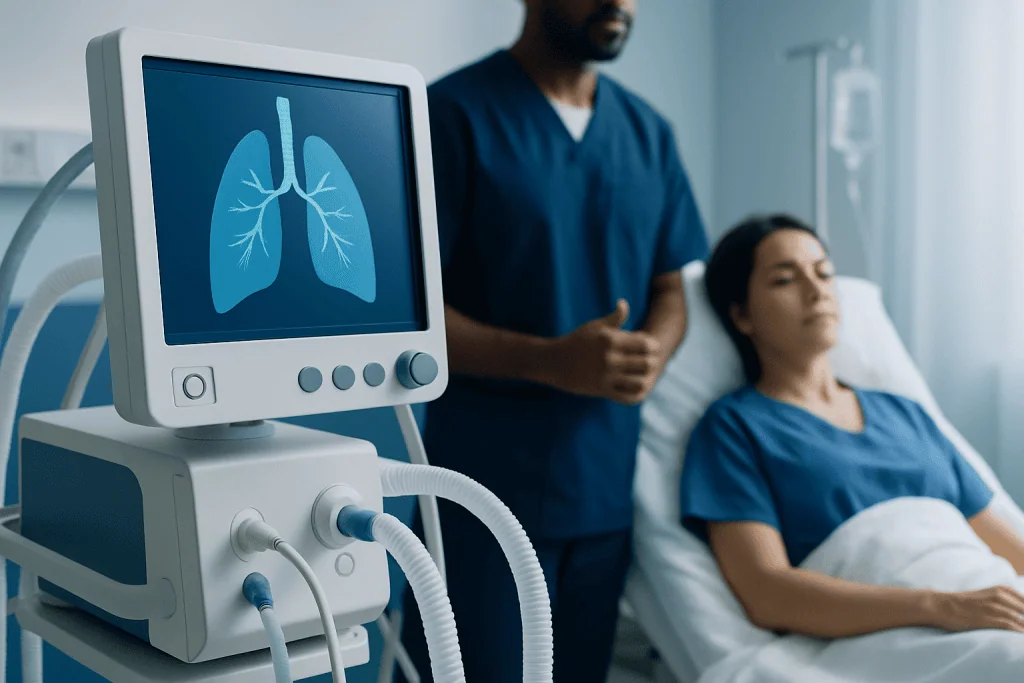
Within minutes to 24 hours: Nicotine-related effects on heart rate and blood pressure begin to ease. Carbon monoxide levels decline, improving oxygen delivery. Nicotine withdrawal may begin during this period and can cause cravings, irritability, restlessness, difficulty concentrating or sleep changes; these symptoms are uncomfortable but temporary.
During the first week: Nicotine withdrawal is often strongest in the first several days. The airways may still feel irritated, and coughing can temporarily increase. This does not necessarily mean the lungs are worsening; it may reflect changing mucus clearance as smoking stops. Drinking fluids, avoiding smoke exposure and using clinician-recommended cessation support may help.
From 2 weeks to 3 months: Circulation and lung function may improve, making walking, stairs or other activities feel easier for some people. The degree of improvement varies widely. Those with established COPD or severe asthma may still have symptoms and should continue their prescribed care plan rather than relying on quitting alone.
From several months to years: Cough, wheeze and shortness of breath often improve as airway irritation settles and mucus clearance becomes more effective. Risks of cardiovascular disease, stroke and several cancers fall progressively over time. However, structural lung changes caused by emphysema, substantial airway remodeling or lung scarring may not fully reverse.
What Are Signs Lungs Are Healing?
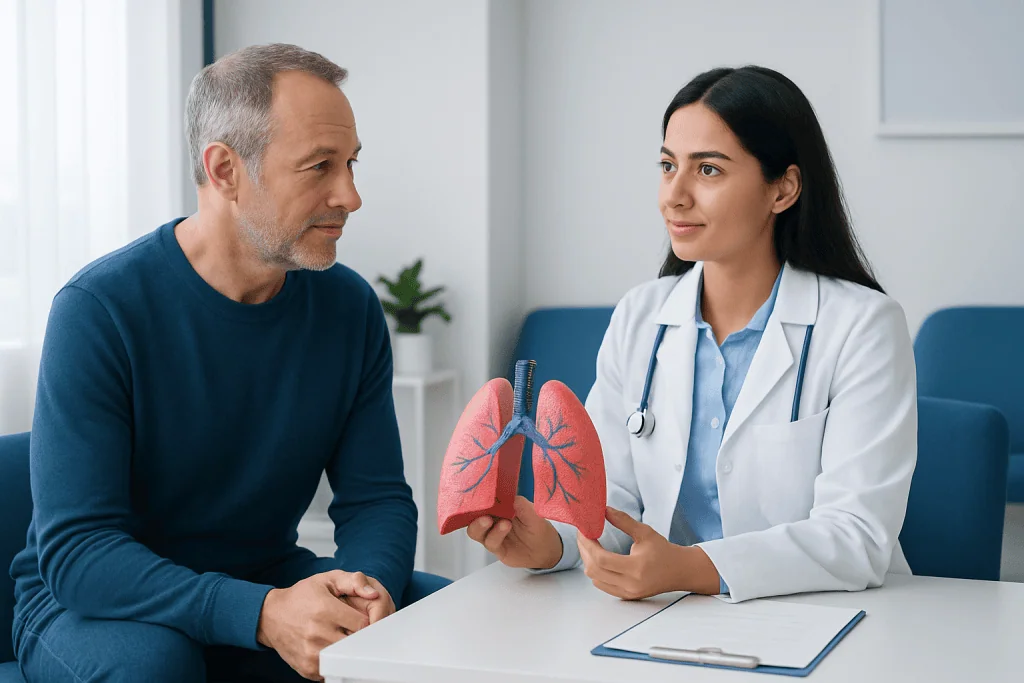
Possible signs of recovery include less morning cough, less wheezing, thinner or reduced phlegm, easier breathing during daily activities, improved exercise tolerance and fewer respiratory infections. Some people also notice better taste and smell, which can support appetite and enjoyment of food. These changes may emerge gradually rather than all at once.
A short-term increase in cough or mucus can also occur after quitting. Smoking slows the normal action of cilia, allowing mucus and irritants to remain in the airways. As these protective structures recover, the body may clear accumulated mucus more actively for a period.
Symptoms alone cannot measure lung healing or rule out disease. A clinician may use a medical history, examination and breathing tests such as spirometry to assess airflow. If a person has persistent symptoms, evaluating for chronic obstructive pulmonary disease (COPD) or other respiratory conditions can help guide appropriate treatment.
Can a Smoker's Lungs Go Back to Normal?
Some effects of smoking can improve substantially after quitting, particularly airway inflammation, excess mucus, ciliary function, circulation and the risk of many smoking-related diseases. For a person without significant permanent lung injury, lung function and respiratory symptoms may improve considerably over time.
However, not all smoke-related damage is reversible. Emphysema destroys air sacs in the lungs, and established scarring or chronic narrowing of the airways generally cannot be restored completely. Quitting is still the most effective step because it slows further decline, reduces flare-ups and improves the benefits of medical treatment when treatment is needed.
People with persistent breathlessness, wheezing or activity limitation may benefit from respiratory assessment. Care can include inhaled medicines, vaccines, supervised exercise and pulmonary rehabilitation, which helps people manage symptoms and improve daily function through education, activity training and breathing strategies.
How Long Do You Cough Up Phlegm After Quitting Smoking?
There is no single duration for coughing up phlegm after quitting smoking. For many people, it is most noticeable in the first days to weeks and gradually settles over several weeks or months. The timing depends on prior smoking exposure, hydration, respiratory infections, allergies, reflux, asthma and whether a person has chronic bronchitis or COPD.
Phlegm may become easier to bring up as cilia recover. Staying well hydrated, avoiding smoke and vaping aerosols, keeping physically active as tolerated and using a humidifier safely if indoor air is very dry may ease irritation. Over-the-counter cough products are not suitable for everyone, so a pharmacist or clinician can advise on individual options.
A cough should not automatically be attributed to quitting. Medical review is important if it persists beyond several weeks without improvement, becomes severe, interrupts sleep regularly, or is accompanied by fever, chest pain, unexplained weight loss, increasing breathlessness or blood in the mucus.
Can Black Lungs Turn Pink Again?
“Black lungs” is a common phrase rather than a precise medical diagnosis. Lungs may look darker in images or during examination because of deposited carbon particles and inflammation from smoke exposure. After quitting, the lungs can reduce irritation and improve their ability to clear mucus and some inhaled material, but they do not necessarily return to the appearance or structure of lungs that were never exposed to smoke.
The more meaningful goal is improved lung health and lower future risk, not a particular color. Quitting reduces ongoing exposure to tar, carbon monoxide and carcinogenic chemicals. It can also slow the progression of smoking-related disease and make existing treatments more effective.
If there are concerning symptoms or a significant smoking history, a clinician can decide whether chest imaging, lung function testing or further assessment is appropriate. Screening for lung cancer is recommended only for people who meet local eligibility criteria; it is not a substitute for stopping smoking.
Supporting Recovery and Staying Smoke-Free
The most important action is to remain smoke-free. Counseling, quitlines, behavioral support and approved stop-smoking medicines can improve the chance of long-term success. A clinician can help choose a suitable approach based on medical history, current medicines, pregnancy status and previous quit attempts.
Regular, gradually increased physical activity can support cardiovascular fitness and help with cravings. A balanced diet, adequate sleep and strategies for stress management are also useful. It is wise to avoid second-hand smoke and to be cautious with vaping: while some adults use regulated nicotine replacement or other clinician-supported methods to quit cigarettes, vaping is not harmless to the lungs and should not be started by non-smokers.
People already diagnosed with lung disease should keep using prescribed medicines and attend planned reviews. Acibadem International’s multidisciplinary specialists and JCI-accredited hospitals support international patients with respiratory evaluation, smoking cessation planning and treatment when clinically appropriate.
When to Seek Medical Care
Arrange a medical appointment for a cough that does not improve, new or worsening breathlessness, frequent chest infections, wheezing, reduced ability to exercise or a persistent change in phlegm. A clinician can check for smoking-related conditions and other common causes of respiratory symptoms, including infection, asthma, reflux or heart disease.
Seek urgent medical care for coughing up blood, severe or rapidly worsening shortness of breath, chest pain or pressure, blue or grey lips, fainting, confusion, or a high fever with significant breathing difficulty. These symptoms require timely evaluation regardless of smoking history.
Quitting smoking is valuable even after many years of use. A qualified healthcare professional can create an individualized plan, including cessation support and respiratory tests when indicated, to help protect long-term lung and overall health.
Frequently asked questions
How quickly do lungs start recovering after quitting smoking?
Recovery begins immediately after the last cigarette. Carbon monoxide levels start falling within hours, while improvements in airway clearance, cough and exercise tolerance often develop over weeks to months. Longer-term reductions in disease risk continue over years.
What are signs lungs are healing?
Less cough, reduced phlegm, easier breathing, improved stamina and fewer chest infections can be signs of improved airway health. A temporary increase in coughing or mucus may happen early after quitting as the airways clear secretions. Symptoms should still be assessed if they persist or worsen.
Can a smoker's lungs go back to normal?
Many smoking-related changes, including airway irritation and impaired mucus clearance, can improve after quitting. Permanent damage from emphysema, extensive COPD or scarring may not fully reverse. Stopping smoking still slows further injury and provides important health benefits.
How long do you cough up phlegm after quitting smoking?
Coughing up phlegm may last from days or weeks to several months, depending on smoking history and other health conditions. It should gradually improve rather than become more severe. A persistent cough, blood in phlegm, fever or increasing breathlessness needs medical advice.
Can black lungs turn pink again?
The phrase “black lungs” is not a specific clinical diagnosis, and lung appearance does not fully return to that of a never-smoker in every case. Quitting can reduce inflammation and improve mucus clearance, but it cannot reliably reverse permanent structural damage. The key benefit is preventing further smoke-related injury and lowering future risk.
Is coughing after quitting smoking a good sign?
A temporary cough can occur as cilia in the airways resume clearing mucus and debris. It can be part of the adjustment after smoking stops, but it is not proof that all lung damage is healing. Any cough that is severe, prolonged or accompanied by warning symptoms should be checked by a clinician.
References
- Centers for Disease Control and Prevention
- American Lung Association
- National Cancer Institute
- World Health Organization
- Global Initiative for Chronic Obstructive Lung Disease
This article is for general information only and is not a substitute for professional medical advice. Please consult a qualified doctor about your individual situation.
Heart care in Turkey — expert evaluation and treatment
JCI-accredited · board-certified surgeons · reply within 24h
Add us as a Preferred Source to see more of our trusted health content across Google Search, AI Overviews and Discover.
Check your numbers in seconds
BMI, calories, due date, blood pressure and 30+ more clinical calculators — free, instant, doctor-reviewed ranges.