Endo Cost: What Patients Really Pay

Endo cost depends on the procedure type, clinical setting, anesthesia, tests, tissue sampling and any treatment performed during the examination. A diagnostic endoscopy may become more involved if the doctor needs to take biopsies, remove a polyp, control bleeding or treat a narrowing.
Key Takeaways
- Endo cost depends on the procedure type, clinical setting, anesthesia, tests, tissue sampling and any treatment performed during the examination.
- A diagnostic endoscopy may become more involved if the doctor needs to take biopsies, remove a polyp, control bleeding or treat a narrowing.
- Patients should request an itemized estimate and ask which professional, facility, pathology and follow-up services are included.
- Most endoscopic procedures are outpatient tests, but recovery needs vary according to sedation, the body area examined and any treatment performed.
- Urgent symptoms such as vomiting blood, black stools, severe abdominal pain or trouble swallowing require prompt medical assessment rather than delaying care because of cost concerns.
Endo cost does not have one fixed price because “endo” can refer to several procedures, from diagnostic upper endoscopy to more complex endoscopic treatment. The most useful way to plan is to understand what is included in an estimate, why added services may change the final bill, and what clinical factors affect the procedure itself.
What Does Endo Cost Include?
Endo cost usually refers to the cost of an endoscopy: a procedure in which a doctor uses a thin flexible tube with a camera to examine an internal organ or passage. However, the term may mean different procedures, including upper gastrointestinal endoscopy, colonoscopy, bronchoscopy, cystoscopy or gynecologic endoscopy. The final amount cannot be predicted from the procedure name alone because each examination has different equipment, staffing and clinical requirements.
An estimate may include the consultation, pre-procedure assessment, use of the procedure room, sedation or anesthesia, the endoscopist’s professional fee, nursing care and recovery monitoring. It may not automatically include laboratory analysis of biopsies, medications, imaging, additional treatment or separate specialist fees. Asking for a written, itemized estimate before a planned procedure helps clarify what is covered and what may be billed separately.
Cost should be considered alongside clinical quality and safety. The procedure should be performed for an appropriate medical reason, in a setting equipped for the planned level of sedation and treatment, and by a suitably qualified team. If insurance or another payer is involved, patients can also ask about authorization requirements, referral rules, deductibles, co-payments and coverage for pathology services.
Why the Final Cost Can Change
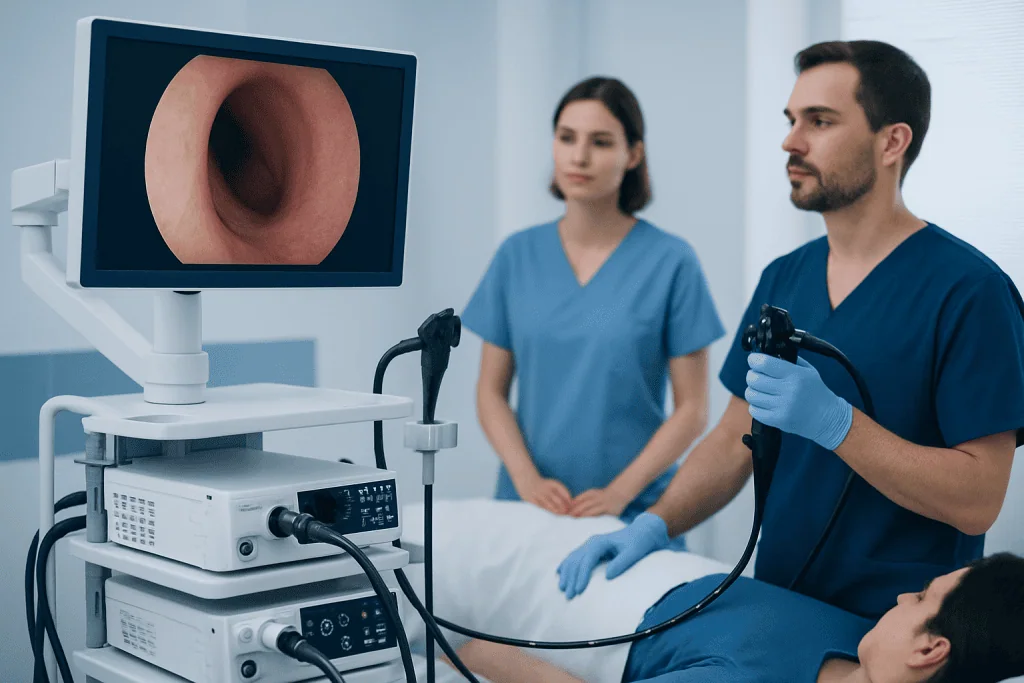
The largest driver of endo cost is often the purpose and complexity of the procedure. A straightforward diagnostic examination may require less time and fewer resources than an endoscopy that includes tissue sampling, removal of an abnormal growth, widening of a narrowed area, placement of a device or control of bleeding. These added steps are sometimes not known to be necessary until the doctor sees the area being examined.
The location of care also matters. A hospital-based endoscopy unit may be recommended for people with significant medical conditions, a higher anesthesia risk or a procedure expected to be complex. An ambulatory center may be suitable for selected lower-risk outpatient examinations. These settings have different operational resources, which may be reflected in an estimate.
Other factors include the type of sedation, whether an anesthesiology professional is needed, pre-procedure blood tests or heart assessment, and pathology review of any samples. A patient’s individual medical history may also affect planning. For example, conditions affecting the heart, lungs, kidneys, bleeding tendency or diabetes may require additional precautions and monitoring.
- Ask whether the quote is for a diagnostic procedure only.
- Ask how biopsy, pathology and therapeutic treatment are handled if needed.
- Confirm whether sedation, anesthesia and recovery services are included.
- Request contact information for financial counseling or insurance coordination before booking.
How Endoscopy Works and Who May Need It
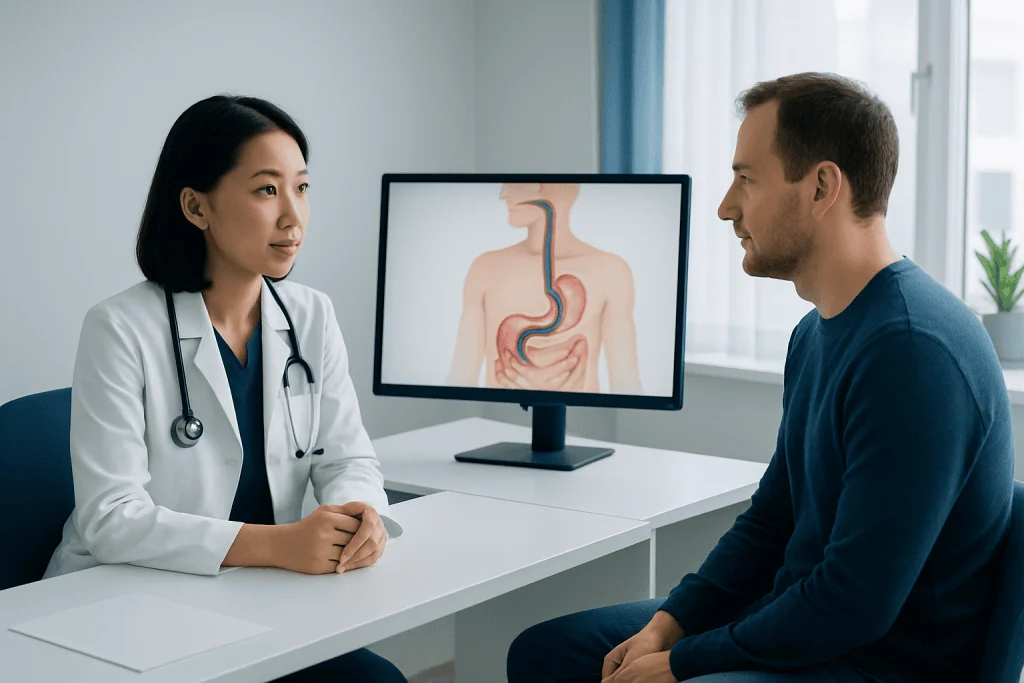
Endoscopy allows doctors to inspect areas that cannot be assessed fully from symptoms, blood tests or external examination alone. Depending on the type, the endoscope may be passed through the mouth, nose, rectum, urinary opening or a small surgical incision. It carries a camera and light, and some instruments allow the doctor to collect tissue or perform treatment during the same session.
Upper gastrointestinal endoscopy may be considered for persistent swallowing difficulty, ongoing upper abdominal symptoms, unexplained anemia, recurrent vomiting or suspected bleeding. Colonoscopy may be used to investigate bowel symptoms or for screening in appropriate adults. The doctor will recommend the procedure only after considering symptoms, medical history, examination findings and alternatives such as laboratory testing or imaging.
Not everyone is a candidate for every form of endoscopy at every time. A clinician may postpone or adapt the procedure if there is an unstable medical condition, active infection, pregnancy-related considerations, uncontrolled blood pressure or concerns about blood-thinning medicines. People with allergies, sleep apnea, prior anesthesia problems, implanted devices or significant chronic illness should share this information during the pre-procedure assessment.
For patients needing evaluation of digestive symptoms, gastritis and other gastrointestinal conditions may sometimes be investigated with upper endoscopy when symptoms and clinical findings make this appropriate. Endoscopy is a diagnostic tool rather than a diagnosis by itself; results are interpreted together with the person’s symptoms and other tests.
What Happens Before, During and After the Procedure
Preparation varies by procedure. The care team explains when to stop eating and drinking, whether bowel preparation is needed, and how to manage regular medicines. Patients should not stop prescribed medicines on their own, especially blood thinners, diabetes medicines or treatments for heart conditions. The prescribing clinician and endoscopy team can provide an individualized plan.
On the day, staff review medical history, allergies, medicines and consent. Monitoring equipment is applied, and sedation or anesthesia may be provided when indicated. During the examination, the doctor advances the endoscope carefully, examines the area and may take photographs or samples. Biopsies are commonly painless because the tissue lining has limited pain sensation; samples are sent to a laboratory if analysis is needed.
Afterward, the patient stays in a recovery area until alert and medically stable. The doctor or team usually shares initial findings, while biopsy results may take longer. If sedation was used, the person generally needs a responsible adult to accompany them home and should avoid driving, alcohol, important decisions and operating machinery for the period advised by the care team.
Patients considering an upper gastrointestinal examination can discuss the details of endoscopy with their doctor, including preparation, sedation options and whether treatment might be performed if an abnormality is found.
Benefits, Risks and Recovery Timeline
A key benefit of endoscopy is that it can provide direct visual information and allow tissue sampling when needed. In some situations, it can also treat a problem immediately, such as removing certain lesions, stopping bleeding, extracting a foreign object or widening a narrowed passage. This may reduce the need for more invasive procedures, although the expected benefit depends on the individual reason for testing.
Recovery is often brief after a routine diagnostic procedure. Mild throat discomfort after an upper endoscopy, temporary bloating after air or gas is used, or mild cramping after a lower gastrointestinal procedure can occur and commonly settle within a short time. People who receive deeper sedation may feel tired for the rest of the day. Recovery may take longer after therapeutic endoscopy or when an underlying illness needs further treatment.
Endoscopy is generally safe when performed by trained teams, but no procedure is risk-free. Potential complications include a reaction to sedation, bleeding after biopsy or treatment, infection, aspiration, a tear or perforation in the examined organ, and missed findings. The risk is influenced by the procedure type, the treatment performed and the patient’s health. The doctor should explain relevant risks and alternatives during consent.
For some conditions, endoscopy is part of a broader care plan involving gastroenterology, pathology, surgery, radiology or oncology. A multidisciplinary approach helps ensure that findings are reviewed in context and that the next step is appropriate rather than automatic.
Planning for Costs and Making an Informed Choice
For planned care, patients can make endo cost discussions more practical by requesting an estimate after the doctor has identified the likely procedure and setting. It is helpful to provide accurate insurance information, referral documents and previous test results. Bringing earlier endoscopy reports and pathology findings may prevent unnecessary repetition and help the specialist plan the most appropriate examination.
Questions to ask include whether the procedure is diagnostic or may include treatment, which fees are included, whether laboratory analysis is charged separately, what happens if additional intervention is medically needed, and how follow-up results will be communicated. Patients should also ask whether there are alternatives and what may happen if the recommended test is delayed or not performed.
Choosing solely on the lowest initial estimate can be misleading if essential components are excluded. The appropriate setting should match the person’s health needs, the anticipated complexity of the procedure and access to emergency support if required. Clear pre-procedure communication gives patients time to compare options without compromising medically necessary care.
Acibadem International’s multidisciplinary specialists and JCI-accredited hospitals support international patients requiring diagnostic and therapeutic endoscopic assessment, with care planning tailored to the procedure and the person’s medical needs.
When to Seek Medical Care
Patients should seek urgent medical care for vomiting blood, black or bloody stools, severe or worsening abdominal or chest pain, fainting, new confusion, persistent vomiting, trouble breathing, or an inability to swallow liquids. These symptoms can have different causes, but they need timely assessment and should not be managed by waiting for a routine endoscopy appointment.
After an endoscopic procedure, medical advice is important if there is increasing pain, fever, repeated vomiting, significant bleeding, a swollen abdomen, shortness of breath, dizziness or any symptom that feels severe or unusual. The endoscopy team provides specific discharge instructions and a number to contact; those instructions should take priority because they reflect the procedure performed.
For non-urgent but persistent symptoms such as recurring heartburn, unexplained weight change, difficulty swallowing, ongoing bowel habit changes or anemia, a qualified doctor can assess whether endoscopy is appropriate. Early review can help identify the right investigations and avoid unnecessary delays.
Frequently asked questions
What is included in endo cost?
Endo cost may include the procedure room, specialist fee, nursing care, sedation, equipment and recovery monitoring. It may not include pathology testing, additional treatment, pre-procedure tests or separate anesthesia services, so patients should request an itemized estimate.
Why can an endoscopy cost more than the original estimate?
The cost can change if the doctor needs to take biopsies or perform treatment during the procedure. Additional laboratory analysis, anesthesia needs, medication or a higher-acuity care setting can also affect the final charges.
Is sedation always needed for endoscopy?
Sedation needs depend on the type of endoscopy, the person’s health and local practice. Some procedures can be performed with minimal or no sedation, while others commonly use sedation or anesthesia for comfort and safety.
How long does it take to recover from an endoscopy?
Many people recover from a routine diagnostic endoscopy within hours, although tiredness can last for the rest of the day after sedation. Recovery may be longer if treatment is performed or if the procedure identifies a condition requiring further care.
Can a doctor treat a problem during endoscopy?
Yes. Depending on the findings and procedure type, an endoscopist may take tissue samples, remove certain growths, stop bleeding, widen narrowed areas or perform other treatments. Patients should discuss this possibility before the procedure because it may affect preparation, consent, recovery and cost.
When should someone seek urgent help after endoscopy?
Urgent assessment is needed for severe or worsening pain, fever, significant bleeding, repeated vomiting, breathing difficulty, fainting or a markedly swollen abdomen. Patients should contact the procedure team when possible, or seek emergency care if symptoms are severe or rapidly worsening.
References
- World Health Organization
- National Institute of Diabetes and Digestive and Kidney Diseases
- American Society for Gastrointestinal Endoscopy
- National Health Service
- Mayo Clinic
This article is for general information only and is not a substitute for professional medical advice. Please consult a qualified doctor about your individual situation.
Persistent digestive symptoms? Get evaluated in Turkey
JCI-accredited · board-certified surgeons · reply within 24h
Add us as a Preferred Source to see more of our trusted health content across Google Search, AI Overviews and Discover.
Check your numbers in seconds
BMI, calories, due date, blood pressure and 30+ more clinical calculators — free, instant, doctor-reviewed ranges.