Liver Cancer Specialist: An Evidence-Based Patient Guide

A liver cancer specialist may be a medical oncologist, hepatologist, liver surgeon, transplant specialist, interventional radiologist or radiation oncologist working within one team. Accurate staging includes imaging, blood tests and assessment of liver function; a biopsy is useful in selected situations but is not always required.
Key Takeaways
- A liver cancer specialist may be a medical oncologist, hepatologist, liver surgeon, transplant specialist, interventional radiologist or radiation oncologist working within one team.
- Accurate staging includes imaging, blood tests and assessment of liver function; a biopsy is useful in selected situations but is not always required.
- Treatment can include surgery, liver transplantation, tumor ablation, catheter-based therapies, radiation therapy, systemic medicines and clinical trials.
- Outlook varies widely, so an individual prognosis should be discussed with the treating team rather than based on a single average survival figure.
- Nutrition support, symptom management and emotional care are important throughout treatment, including for metastatic disease.
A liver cancer specialist is a doctor with focused experience in diagnosing, staging and treating cancers that begin in or spread to the liver. Specialist-led, multidisciplinary care helps ensure that treatment choices reflect the cancer type, stage, liver function, overall health and personal priorities.
Overview: What Does a Liver Cancer Specialist Do?
A liver cancer specialist helps a person understand whether a liver lesion is cancer, identify the exact cancer type and create an individualized care plan. The specialist considers not only the size and location of tumors, but also whether cancer has spread, how well the liver is working, the presence of cirrhosis or hepatitis, and the person’s general health and preferences.
Because liver cancer can be complex, care is commonly coordinated through a multidisciplinary tumor board. This may include a hepatologist, medical oncologist, hepatobiliary surgeon, transplant surgeon, interventional radiologist, radiation oncologist, pathologist, diagnostic radiologist, oncology nurse, dietitian and palliative-care professional. A liver cancer expert can explain the role of each option and help patients make informed decisions without unnecessary delay.
The term liver cancer may refer to primary liver cancer, most commonly hepatocellular carcinoma, or cancer that started elsewhere and spread to the liver. These conditions are evaluated differently, so confirming the diagnosis is an essential first step in liver cancer patient education.
How a Specialist Evaluates and Stages Liver Cancer
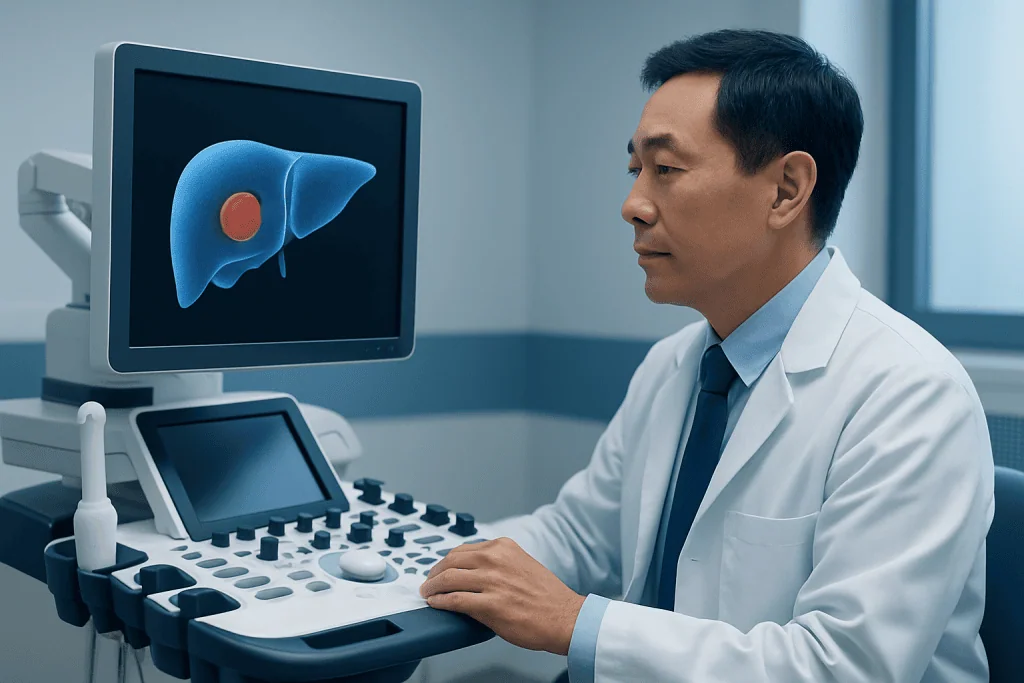
Evaluation often begins with a detailed medical history, physical examination and review of prior scans and laboratory results. Blood tests may assess liver function, blood clotting, hepatitis infection and tumor markers such as alpha-fetoprotein. However, tumor markers alone cannot diagnose or rule out liver cancer.
Multiphasic contrast-enhanced CT or MRI is central to diagnosis and staging. In people with cirrhosis, characteristic imaging findings can sometimes establish hepatocellular carcinoma without a biopsy. A biopsy may be recommended when imaging is unclear, when another type of liver tumor is suspected, or when tissue testing could guide systemic treatment.
Staging describes the size and number of tumors, involvement of blood vessels, spread outside the liver and liver reserve. The team may also assess physical function and symptoms. This broad assessment matters because a small tumor in a severely damaged liver can require a different approach than a larger tumor in a healthy liver.
- Questions for the first visit may include the cancer type, stage, liver function, treatment goals and whether a second pathology or imaging review is helpful.
- Patients should bring scan discs or electronic images, pathology reports, a medication list and records of previous liver treatment when available.
- A second opinion can be valuable when surgery, transplantation, complex local treatment or a clinical trial is being considered.
Treatment Planning: Benefits, Risks and Who May Be a Candidate
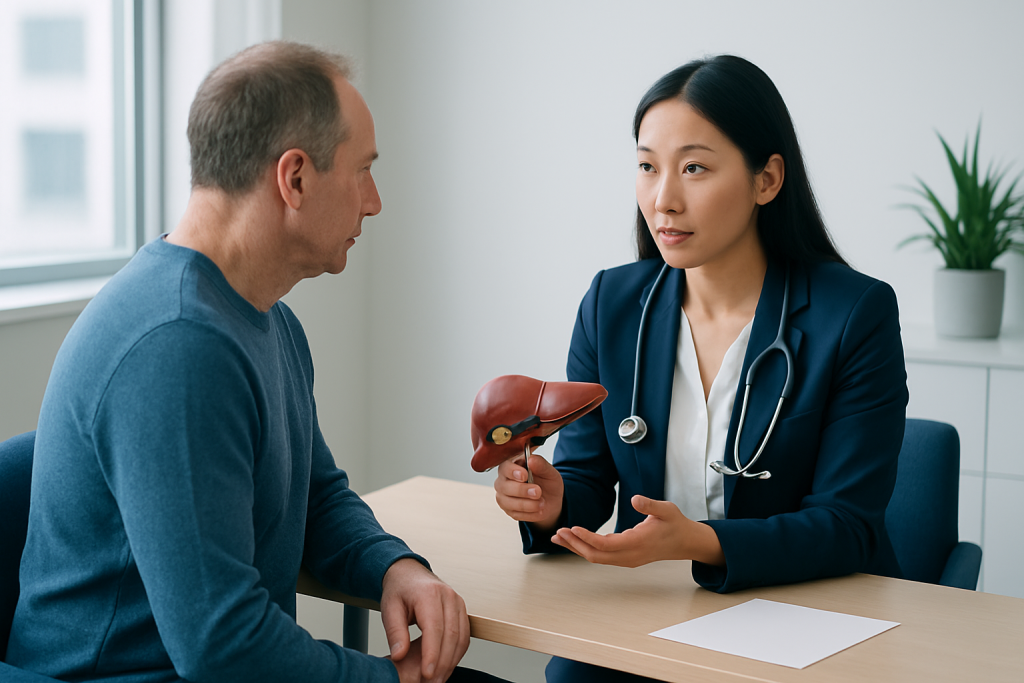
A liver cancer specialist recommends treatment according to the individual situation rather than using one standard plan for every patient. For early-stage disease, curative-intent options may include surgical removal of part of the liver, liver transplantation or local tumor ablation. The potential benefit is long-term cancer control; important considerations include the amount of healthy liver remaining, surgical fitness and the risk of recurrence.
When tumors are not suitable for surgery or transplantation, local and regional treatments may help control cancer in the liver. These include ablation, embolization therapies delivered through an artery, and selected forms of radiation therapy. Systemic therapy, including immunotherapy and targeted medicines, may be used when cancer is advanced, has invaded blood vessels, has spread beyond the liver or cannot be controlled with local treatments.
Every treatment has possible risks. Surgery may involve bleeding, infection, bile leakage or reduced liver function. Catheter-based therapies can cause temporary pain, fatigue, nausea, fever or changes in liver tests. Systemic therapies can affect the immune system, blood pressure, skin, digestion or liver function, depending on the medicine. The care team monitors for complications and discusses expected benefits, alternatives and side effects before treatment begins.
Clinical trials may be an option for some people. Searches such as “liver cancer clinical trials MD Anderson” may lead patients to research information, but eligibility should always be reviewed by the treating oncology team and the trial center. A trial may offer access to an investigational approach, but it cannot promise a better outcome than standard care.
What Happens During Liver Cancer Procedures and Recovery?
The procedure pathway differs by treatment. Before a planned intervention, the team reviews imaging, medications, allergies, liver and kidney function, and bleeding risk. Some people need additional testing, adjustment of blood-thinning medicines or preparation for anesthesia. The clinician explains what will happen and obtains informed consent.
For liver surgery, a surgeon removes the tumor and a margin of surrounding liver when it can be done safely. Hospital recovery commonly involves pain control, early movement, breathing exercises, blood tests and monitoring of liver function. Returning to usual activities can take several weeks or longer, depending on the extent of surgery and a person’s baseline health.
For ablation or catheter-based treatment, an interventional radiologist typically uses imaging guidance to place a needle or catheter through the skin or blood vessel. Ablation destroys tumor tissue with heat, cold or other energy; embolization reduces tumor blood supply, sometimes while delivering cancer treatment. Many patients go home the same day or after a short hospital stay, though fatigue and flu-like symptoms can occur for several days.
Follow-up imaging is needed after local treatment to check the response and look for new tumors. A specialist should be contacted promptly for severe or worsening abdominal pain, fever, persistent vomiting, jaundice, confusion, shortness of breath, heavy bleeding or any symptom that feels urgent.
What Is the Average Lifespan After Being Diagnosed With Liver Cancer?
There is no single average lifespan that accurately predicts what will happen to one person after a liver cancer diagnosis. Outcomes vary substantially based on cancer type and stage, liver function, whether curative treatment is possible, response to therapy, other health conditions and access to specialist care.
Early liver cancers that can be removed, ablated or treated with transplantation may have a very different outlook from cancers that have spread or occur alongside advanced cirrhosis. Advances in imaging, local therapies and systemic treatments have expanded options for many people, including those with advanced disease.
A liver cancer specialist can provide an individualized estimate after reviewing scans, pathology, liver tests and treatment response. It can be helpful to ask what the treatment goal is, what outcomes are realistic, and which symptoms or changes should be reported between appointments. Prognosis conversations should support planning while recognizing uncertainty.
Can Liver Cancer Go Into Remission?
Yes. Some people with liver cancer achieve no evidence of detectable cancer after treatments such as surgery, ablation or liver transplantation. Doctors may describe this as complete response, remission or no evidence of disease, depending on the clinical setting and the treatment received.
Remission does not always mean that cancer can never return. Hepatocellular carcinoma can recur, particularly when cirrhosis or chronic viral hepatitis remains present. For this reason, ongoing surveillance with imaging and blood tests is an important part of care even after apparently successful treatment.
For advanced cancer, treatment may sometimes shrink tumors substantially or keep them stable for a prolonged period. The team will review scans at planned intervals and adjust treatment if the cancer changes. Supportive care is provided alongside cancer-directed treatment to protect comfort, nutrition and quality of life.
Nutrition: What Is the Best Diet for People With Metastatic Liver Cancer?
There is no single best diet for every person with metastatic liver cancer. The most suitable eating plan supports adequate calories, protein, hydration and strength while accounting for symptoms, treatment effects, liver function, appetite and other conditions such as diabetes. A registered oncology dietitian can tailor advice safely.
Many people benefit from small, frequent meals that include protein sources such as eggs, fish, poultry, dairy products, beans, lentils, tofu or nut butters, according to their dietary needs. Energy-rich foods may be useful when appetite is low. Food safety is important, especially during treatment that affects immunity; the care team can advise about raw or undercooked foods where relevant.
Alcohol should generally be avoided because it can further damage the liver and interact with treatment. Patients should not start herbal products, concentrated supplements or restrictive “detox” diets without medical advice, as some products can harm the liver or affect cancer medicines. Fluid, sodium and protein advice may need adjustment in people with ascites, encephalopathy or advanced liver disease.
What fruits are good for liver cancer patients? Most washed, ripe fruits can be included as tolerated, including berries, oranges, bananas, apples, pears, melons and cooked or canned fruit when chewing or appetite is difficult. The best choice is often the fruit a person can comfortably eat and keep down. Those with diabetes, diarrhea, mouth sores or specific dietary restrictions should ask a dietitian for individualized guidance.
When to Seek Medical Care
Anyone with a newly identified liver mass, cirrhosis, chronic hepatitis B or C, unexplained weight loss, persistent upper abdominal discomfort, new jaundice or worsening fatigue should arrange medical assessment. These symptoms can have many causes, but timely evaluation helps clarify whether liver disease or cancer is present.
Urgent medical care is needed for vomiting blood, black stools, severe abdominal pain, new confusion, fainting, high fever with significant illness, rapidly increasing abdominal swelling, severe shortness of breath or worsening jaundice. These symptoms may indicate complications requiring prompt treatment.
Acibadem International’s multidisciplinary specialists and JCI-accredited hospitals support diagnosis and treatment planning for international patients with liver cancer. People considering treatment can ask their doctor for referral to an appropriate liver cancer specialist, especially when complex surgery, transplantation assessment, regional therapy or a clinical trial is being discussed.
Frequently asked questions
Which doctor is best for liver cancer?
The appropriate doctor depends on the cancer type and treatment needs. Care is usually led by a medical oncologist and/or hepatologist, with input from liver surgeons, transplant specialists, interventional radiologists and radiation oncologists. A multidisciplinary team is particularly helpful because both the cancer and underlying liver health influence treatment choices.
Do all liver tumors require a biopsy?
No. In some people with cirrhosis, characteristic findings on high-quality contrast CT or MRI can diagnose hepatocellular carcinoma without a biopsy. A biopsy may be needed when imaging is not conclusive, another tumor type is possible, or tissue testing could affect treatment decisions.
Is surgery possible if liver cancer has spread?
Surgery is most often considered when cancer is limited to the liver and enough healthy liver can remain after removal. In selected cases of cancer that began elsewhere and spread to the liver, surgery or ablation may still be considered. The decision requires detailed imaging and review by an experienced multidisciplinary team.
Can a person live normally after liver cancer treatment?
Many people resume meaningful daily activities after treatment, although recovery time varies with the treatment received, liver function and overall health. Regular follow-up is important because recurrence and treatment side effects can occur. The care team can help with rehabilitation, nutrition, fatigue and return-to-work planning.
What should patients ask a liver cancer specialist?
Useful questions include what type and stage of liver cancer is present, whether the liver has cirrhosis, what treatment options are appropriate and what the expected benefits and risks are. Patients may also ask about treatment timing, follow-up scans, nutrition support, symptom management and clinical trial eligibility.
Can lifestyle changes cure liver cancer?
Lifestyle measures cannot replace cancer treatment or cure liver cancer on their own. However, avoiding alcohol, following medical advice for hepatitis or cirrhosis, maintaining nutrition, staying physically active as tolerated and attending follow-up visits can support liver health and overall wellbeing during care.
References
- World Health Organization
- National Cancer Institute
- American Cancer Society
- European Society for Medical Oncology
- American Association for the Study of Liver Diseases
This article is for general information only and is not a substitute for professional medical advice. Please consult a qualified doctor about your individual situation.
Liver Cancer in Turkey — costs, top hospitals & a free quote
JCI-accredited · board-certified surgeons · reply within 24h
Add us as a Preferred Source to see more of our trusted health content across Google Search, AI Overviews and Discover.
Check your numbers in seconds
BMI, calories, due date, blood pressure and 30+ more clinical calculators — free, instant, doctor-reviewed ranges.

Medical Oncology Department
Medical treatment of cancer with chemotherapy, immunotherapy and targeted therapies under a multidisciplinary tumor board.
60 specialists in this unit