Septum Removal Uterus: Procedure, Recovery and Results

A uterine septum is a congenital difference in which tissue divides part or all of the uterine cavity. Hysteroscopic septum removal is performed through the vagina and cervix, without abdominal incisions.
Key Takeaways
- A uterine septum is a congenital difference in which tissue divides part or all of the uterine cavity.
- Hysteroscopic septum removal is performed through the vagina and cervix, without abdominal incisions.
- Many people return to light activities within a few days, while internal healing and pregnancy planning may take longer.
- Surgery may improve reproductive outcomes for carefully selected patients, particularly those with recurrent pregnancy loss.
- A fertility specialist should confirm the diagnosis and discuss whether surgery is likely to be helpful in an individual situation.
Septum removal uterus surgery usually refers to hysteroscopic resection of a septate uterus, a congenital band of tissue that partly divides the uterine cavity. It is a minimally invasive procedure considered for selected people with recurrent pregnancy loss, infertility after evaluation, or certain pregnancy complications.
Overview: What Is Septum Removal in the Uterus?
Septum removal uterus surgery is a procedure used to treat a septate uterus. A septate uterus is present from birth and occurs when a band of tissue, called a septum, extends down into the uterine cavity. The septum may be small and partial or may divide much of the cavity. It is different from a bicornuate uterus, in which the outer shape of the uterus is more deeply indented.
The usual septum removal procedure is hysteroscopic metroplasty or hysteroscopic septum resection. A thin camera and surgical instruments are passed through the vagina and cervix into the uterus, allowing the surgeon to divide the septum from inside. There are no cuts on the abdomen, and the uterus is preserved.
Not every person with a septate uterus needs treatment. Some have no symptoms and have healthy pregnancies without knowing the septum is present. The decision to consider surgery is individualized and should be based on reproductive history, imaging findings, other possible causes of infertility or miscarriage, and personal goals.
How Serious Is a Septate Uterus?
A septate uterus is not usually dangerous to general health and does not cause cancer. However, it can be important in reproductive care. The tissue of the septum may have a different blood supply and structure from the normal uterine lining, which may affect implantation or the ability of a pregnancy to develop normally in some people.
It has been associated with recurrent miscarriage, preterm birth, fetal malpresentation such as breech position, and other pregnancy complications. At the same time, these outcomes have many possible causes, and a septum does not mean that complications will certainly occur. Many people with this uterine difference conceive and carry pregnancies successfully.
A specialist will consider the full clinical picture before recommending treatment. Evaluation is especially appropriate after repeated pregnancy losses, difficulty conceiving when other causes have been assessed, or an imaging test suggesting a uterine cavity difference.
Candidacy and Diagnosis Before Surgery
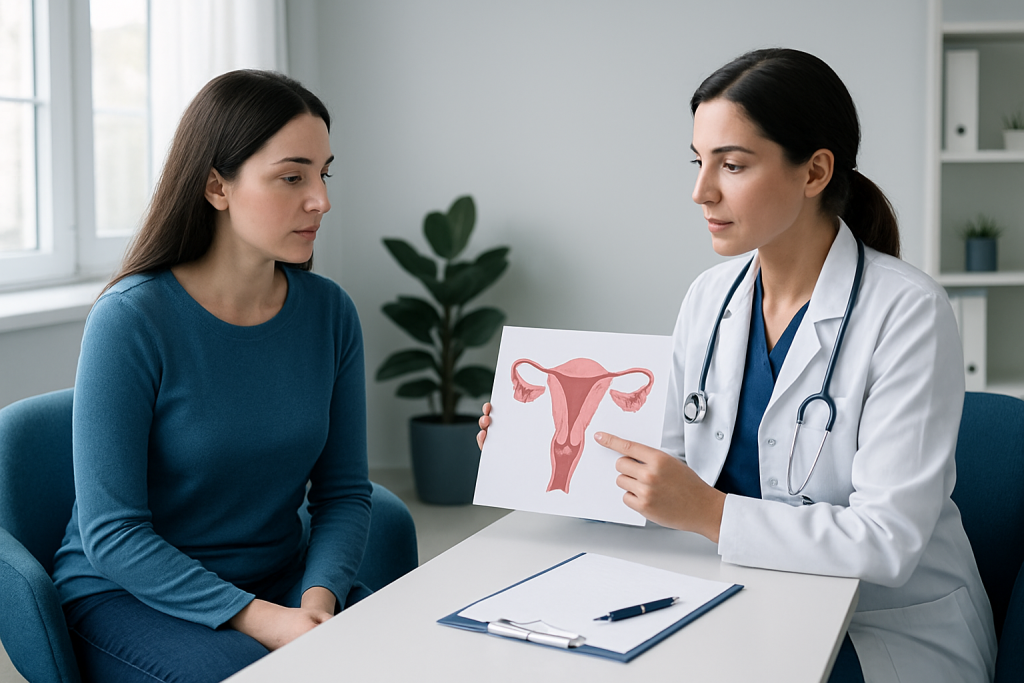
Accurate diagnosis is essential because different uterine shapes are managed differently. A pelvic ultrasound, especially three-dimensional ultrasound, may provide detailed views of the uterine cavity and outer contour. Magnetic resonance imaging may also be useful in selected cases. Hysteroscopy can directly assess the inside of the uterus, while laparoscopy is now less commonly needed solely to clarify the diagnosis.
People may be candidates for septum removal surgery uterus treatment if they have a confirmed septate uterus and recurrent miscarriage, selected infertility concerns, or a history of adverse pregnancy outcomes that may be related to the uterine cavity. Surgery is not automatically recommended after one miscarriage or simply because a small septum is found incidentally.
Before treatment, clinicians may discuss ovulation, sperm factors, fallopian tube patency, genetic factors, endocrine conditions, clotting disorders, and other contributors to pregnancy loss or infertility. This broader assessment helps ensure that a uterine septum is considered in the appropriate context.
- Imaging should distinguish a septate uterus from a bicornuate or arcuate uterus.
- Pregnancy is excluded before the procedure is scheduled.
- The procedure is commonly planned after menstrual bleeding ends, when the uterine lining is relatively thin.
How the Septum Removal Procedure Works
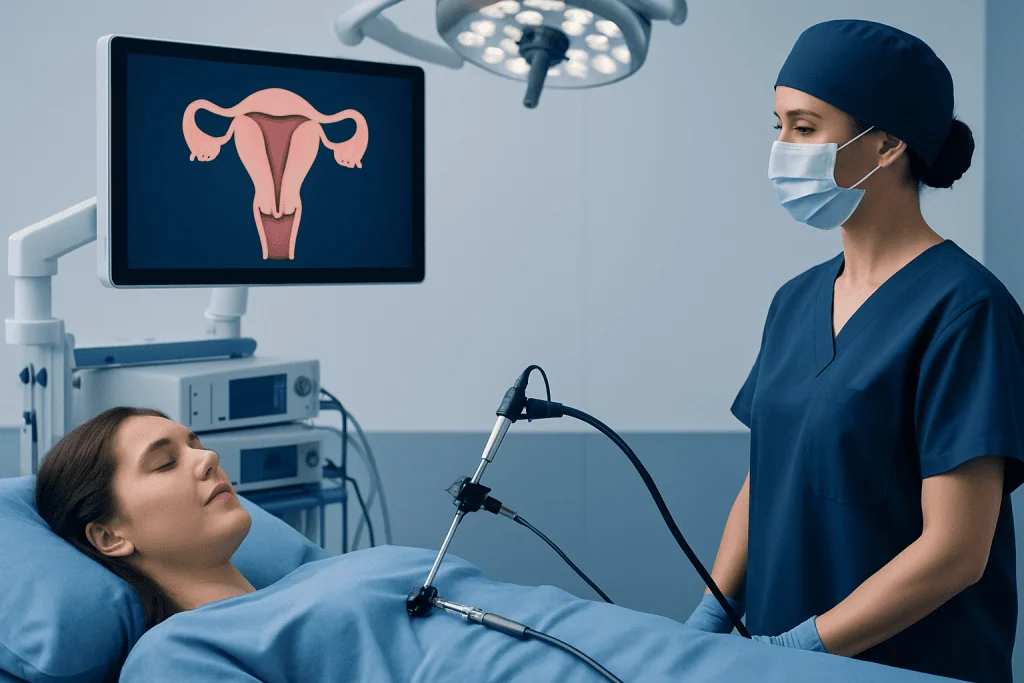
Hysteroscopic septum removal is commonly performed as an outpatient procedure under anesthesia or sedation. After the patient is positioned for a gynecological procedure, the surgeon gently passes a hysteroscope through the vagina and cervix into the uterine cavity. Fluid is used to expand the cavity so that the septum and surrounding tissue can be seen clearly.
Using small instruments, the surgeon divides the septum gradually, often with scissors, an electrosurgical device, or another energy-based instrument. The aim is to create one unified uterine cavity while preserving healthy uterine tissue. The procedure itself often takes less than an hour, although time in the hospital is longer because of preparation and recovery from anesthesia.
In some situations, the clinician may recommend follow-up imaging or an office hysteroscopy to check cavity healing. Practices vary regarding temporary devices, hormone treatment, or other measures intended to reduce adhesions, so these decisions should be discussed with the treating specialist. Hysteroscopy is also used to assess and manage other conditions affecting the uterine cavity.
How Long Is Recovery After Septate Uterus Surgery?
Septum removal surgery recovery is usually relatively quick because hysteroscopic treatment does not require abdominal incisions. Most patients go home the same day and may return to light daily activities within one to three days, depending on the anesthesia used, the extent of the septum, and their individual recovery. Strenuous exercise, swimming, and vaginal intercourse may need to be avoided for a short period according to the surgeon’s advice.
Mild cramping and light bleeding or watery discharge can occur for several days. A menstrual period may arrive at the expected time or be somewhat different in the first cycle after treatment. Recovery experiences vary, and heavier bleeding, worsening pain, fever, or foul-smelling discharge should be assessed promptly.
Septum removal in uterus recovery also includes internal healing. A clinician may advise waiting until the uterus has healed and any follow-up assessment is complete before trying to conceive. This timing varies, but many specialists discuss pregnancy planning after one or more menstrual cycles based on the procedure and the individual’s reproductive circumstances.
Is Uterine Septum Surgery Painful?
During the procedure, patients generally do not feel pain because anesthesia or sedation is used. The type of anesthesia depends on the planned procedure, medical history, and local practice. The care team explains what to expect before surgery and monitors comfort and safety throughout.
Afterward, mild to moderate period-like cramping is common for a short time. Some people also experience light spotting. Pain is often manageable with the medications recommended by the clinician, but patients should avoid taking medicines that are not appropriate for their medical history or pregnancy plans without professional guidance.
Severe or persistent pelvic pain is not expected and should not be ignored. Contacting the surgical team allows them to check for uncommon complications, such as infection, retained fluid, or another cause of symptoms.
How Successful Is Septate Uterus Surgery?
Technical success is generally high: in most cases, the surgeon can divide the septum and restore a more typical uterine cavity in one hysteroscopic procedure. Reproductive success is more individual. It depends on age, egg and sperm factors, fallopian tube health, embryo genetics, the size and nature of the septum, and prior pregnancy history.
For people with recurrent pregnancy loss and a confirmed septate uterus, surgery may improve the chance of a successful future pregnancy. Evidence is less certain for people with infertility alone who have not had miscarriages, so the potential benefit should be weighed carefully against the small procedural risks. A specialist can explain how current evidence applies to the person’s circumstances.
Septum removal pregnancy planning should include early prenatal care once conception occurs. Even after a successful procedure, a pregnancy benefits from routine monitoring tailored to the individual’s history. If fertility treatment is needed for other reasons, it can be coordinated with the uterine evaluation.
Benefits, Risks and When to Seek Medical Care
The main potential benefit of septum removal is improving the shape of the uterine cavity for a future pregnancy. The procedure is minimally invasive and usually has a short physical recovery. However, it is still surgery, and it cannot address every cause of infertility, miscarriage, or pregnancy complications.
Possible risks include bleeding, infection, cervical injury, uterine perforation, fluid-related complications, scar tissue inside the uterus, and incomplete removal of the septum. These complications are uncommon, but patients should understand them before giving consent. Rarely, further treatment may be needed if symptoms, cavity findings, or reproductive concerns persist.
Medical care should be sought urgently after surgery for heavy bleeding, fever, chills, severe or increasing abdominal pain, fainting, shortness of breath, or foul-smelling vaginal discharge. A gynecologist should also be consulted before pregnancy attempts if follow-up has been advised, and after recurrent miscarriages, difficulty conceiving, or a suspected uterine abnormality on imaging.
Acibadem International’s multidisciplinary specialists and JCI-accredited hospitals assess uterine cavity conditions and coordinate gynecological and fertility care for international patients when appropriate.
Frequently asked questions
What is septum removal uterus surgery?
Septum removal uterus surgery is usually hysteroscopic surgery to divide a band of tissue inside a septate uterus. The instruments pass through the vagina and cervix, so abdominal incisions are generally not needed. The goal is to create a single, more typical uterine cavity.
How long is recovery after septate uterus surgery?
Most people return home on the day of surgery and resume light activities within a few days. Mild cramps and spotting can continue briefly. The clinician may recommend waiting for internal healing and follow-up before trying to become pregnant.
How successful is septate uterus surgery?
The procedure is usually successful at removing or dividing the septum. Whether it improves the chance of pregnancy depends on individual factors, including reproductive history and other fertility factors. It may be particularly helpful for selected people with recurrent pregnancy loss.
How serious is a septate uterus?
A septate uterus is not usually harmful to general health, and some people never have symptoms or pregnancy problems. It can be associated with miscarriage, preterm birth, and fetal malpresentation in some pregnancies. A specialist can help determine whether it is likely to be clinically relevant.
Is uterine septum surgery painful?
Anesthesia or sedation is used so patients generally do not feel pain during the procedure. Mild cramping and light bleeding afterward are common and often temporary. Severe pain, fever, or heavy bleeding should be reported to the surgical team.
When can someone try for pregnancy after septum removal surgery?
The recommended timing varies according to healing, the procedure performed, and the patient's fertility plan. Many clinicians advise waiting until after follow-up and at least one or more menstrual cycles. The treating gynecologist or fertility specialist should provide personalized advice.
References
- American College of Obstetricians and Gynecologists
- American Society for Reproductive Medicine
- European Society of Human Reproduction and Embryology
- Mayo Clinic
This article is for general information only and is not a substitute for professional medical advice. Please consult a qualified doctor about your individual situation.
Explore treatments in Turkey — costs, top hospitals & a free quote
JCI-accredited · board-certified surgeons · reply within 24h
Add us as a Preferred Source to see more of our trusted health content across Google Search, AI Overviews and Discover.
Check your numbers in seconds
BMI, calories, due date, blood pressure and 30+ more clinical calculators — free, instant, doctor-reviewed ranges.