Cesarean Cut Infection: Symptoms, Causes, and Treatment Options

A cesarean cut infection can involve the skin only or extend into deeper tissues around a C-section incision. Common warning signs include worsening pain, redness, warmth, swelling, bad-smelling discharge, or fever.
Key Takeaways
- A cesarean cut infection can involve the skin only or extend into deeper tissues around a C-section incision.
- Common warning signs include worsening pain, redness, warmth, swelling, bad-smelling discharge, or fever.
- Early medical evaluation helps confirm the diagnosis and guide treatment such as wound care, antibiotics, or drainage.
- Keeping the incision clean and dry and following postpartum instructions may lower the risk of infection.
- Rapidly spreading redness, severe pain, heavy drainage, or feeling unwell are reasons to seek urgent care.
Cesarean cut infection is an infection that affects the skin, tissue, or deeper layers around a C-section incision. It often causes increasing redness, pain, warmth, swelling, drainage, or fever, and it should be assessed promptly because treatment is usually effective when started early.
Overview
A cesarean cut infection is an infection that develops in or around the surgical incision after a cesarean birth. It may affect only the surface of the skin, but in some cases it can reach deeper tissues under the incision. Most infections appear within days to a few weeks after delivery, although symptoms can occasionally be noticed later.
This type of infection is important to recognize because the early signs can seem similar to normal healing. Mild tenderness and some discomfort are expected after surgery, but increasing redness, swelling, drainage, or fever are not typical healing features. Prompt medical assessment can help distinguish a routine recovery from a developing infection.
Many people recover well with timely treatment. Depending on the severity, treatment may include careful wound care, antibiotics, or opening part of the wound to allow drainage if fluid or pus has collected. A clinician may also evaluate for related concerns such as wound infection in deeper layers or nearby tissue.
How a Cesarean Cut Infection May Feel and Look
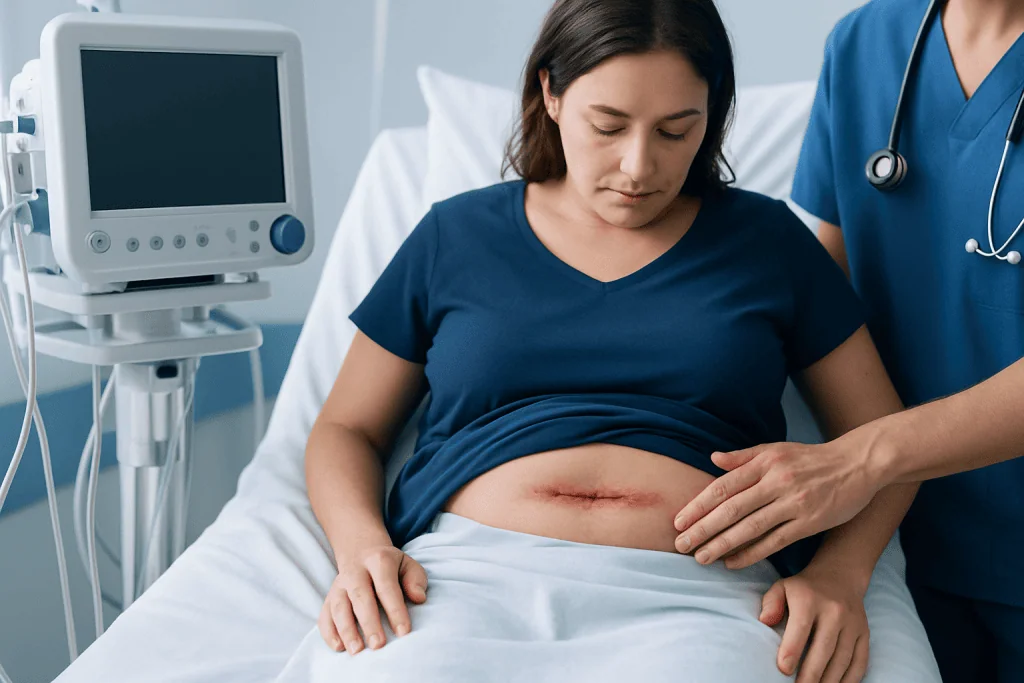
Symptoms often begin at the incision site. The wound may become more painful instead of gradually feeling better. The skin can look redder, feel warmer, or appear swollen compared with the surrounding area. Some people notice that the incision edges start to separate or that the scar looks increasingly irritated rather than steadily healing.
Drainage is another common sign. The wound may leak cloudy fluid, blood-tinged fluid, or pus, and the drainage can sometimes have an unpleasant odor. The area may also feel firm or tender if fluid is collecting below the skin.
General symptoms can occur as well, especially if the infection is becoming more significant. These may include fever, chills, feeling unusually tired, body aches, or a sense of being unwell. While not every person has all symptoms, medical review is advisable when the incision is worsening instead of improving.
- Increasing redness around the incision
- Warmth, swelling, or throbbing pain
- Pus or foul-smelling drainage
- Separation of the wound edges
- Fever or chills
- New tenderness after initial improvement
Why It Happens: Causes and Risk Factors

A cesarean cut infection happens when bacteria enter the wound and multiply. This can occur despite careful surgical techniques and proper hospital precautions. The skin normally carries bacteria, and surgery temporarily breaks the body’s natural protective barrier, which creates an opportunity for infection while the wound is healing.
Several factors can raise the risk. These include diabetes, obesity, smoking, anemia, prolonged labor before cesarean delivery, rupture of membranes for a long time before surgery, or conditions that weaken the immune system. Emergency cesarean birth can also carry different risks than a planned operation because there may be less time for preparation.
Postoperative factors matter too. Excess moisture around the incision, friction from clothing, poor blood flow to the wound, or a collection of blood or fluid under the skin can slow healing and encourage bacterial growth. In some cases, infection develops alongside a fluid pocket or abscess that may need targeted treatment such as abscess drainage in addition to antibiotics.
Not every person with a risk factor will develop an infection, and some infections occur even when no clear risk factor is present. That is why attention to symptoms and follow-up care remains important for everyone after a C-section.
How Doctors Diagnose It
Diagnosis starts with a physical examination of the incision. A doctor checks the color of the skin, the amount and type of drainage, local tenderness, swelling, and whether the wound edges are intact. They also ask about fever, worsening pain, and the timeline of symptoms because these details can help distinguish infection from normal healing or skin irritation.
If drainage is present, the clinician may take a sample to help identify the bacteria and guide antibiotic choice. Blood tests may be used when there is fever or concern for a more extensive infection. These tests can help show whether the body is mounting an inflammatory response, but they do not replace the physical exam.
Sometimes imaging is needed, especially if a deeper collection of fluid is suspected under the incision. Ultrasound or other imaging can help detect an abscess, hematoma, or extension into surrounding tissue. If there is concern that the infection involves tissue beneath the surface, treatment may be coordinated with general surgery specialists to support wound management and healing.
Treatment Options
Treatment depends on how deep the infection is and whether fluid has collected inside the wound. For a mild superficial infection, a doctor may recommend local wound care and antibiotics. The incision is usually kept clean and dry, and the patient may be advised to change dressings in a specific way and monitor the area closely for changes.
If the wound contains pus, dead tissue, or trapped fluid, part of the incision may need to be opened so it can drain properly. This may sound concerning, but drainage often helps the infection clear and can reduce pressure and pain. In some situations, the wound is packed or dressed regularly while it heals from the inside outward.
More significant infections can require hospital treatment, intravenous antibiotics, or additional procedures. This is more likely when a person has high fever, spreading redness, severe pain, or signs of a deeper infection. Doctors may also assess for related postpartum issues such as sepsis if someone appears systemically unwell, although this is not the usual outcome and early care lowers the chance of complications.
Pain relief, hydration, rest, and support with newborn care are also part of recovery. It is important not to self-treat with leftover antibiotics or creams unless advised by a doctor, because the right treatment depends on the type and depth of the infection.
Home Care, Prevention, and Recovery
Good incision care can support healing and may lower infection risk. Patients are usually advised to keep the area clean and dry, wash hands before touching the wound or changing dressings, and wear loose clothing that reduces rubbing. Any instructions given by the surgical or postpartum team should be followed carefully, especially around bathing, dressings, and physical activity.
Recovery also benefits from healthy general habits. Rest, balanced nutrition, hydration, and avoiding smoking can all support wound healing. For people with diabetes, good blood sugar control is especially important because high glucose levels can slow healing and increase infection risk.
It is also helpful to check the incision daily in good light or have a trusted family member help if the area is hard to see. Early changes can be subtle, so noticing increasing redness, moisture, opening of the wound, or new drainage can make it easier to seek care before the infection becomes more advanced.
- Keep the incision clean and dry
- Wash hands before wound care
- Avoid tight clothing that rubs the scar
- Follow instructions about dressings and activity
- Do not apply powders, creams, or herbal products unless approved
- Attend postpartum follow-up appointments
When to Seek Medical Care
Medical care should be sought promptly if the incision becomes more painful, red, swollen, or warm, especially after it had been improving. New drainage, a foul smell, separation of the wound edges, or fever are also clear reasons to contact a doctor. These symptoms do not always mean a serious infection, but they do need assessment.
Urgent care is especially important if redness is spreading quickly, the pain is severe, the patient feels faint or confused, or there are chills and a high fever. Heavy bleeding, shortness of breath, chest pain, or signs of severe illness need immediate emergency attention because they may point to complications beyond the incision itself.
For international patients who need specialist evaluation, Acibadem International’s multidisciplinary teams in JCI-accredited hospitals diagnose and treat postoperative wound problems, including cesarean incision infections, with coordinated surgical and postpartum care.
Frequently asked questions
How do I know if my cesarean cut is infected or just healing?
Normal healing usually brings gradual improvement in pain, swelling, and tenderness. A cesarean cut infection is more likely when symptoms worsen over time or include spreading redness, warmth, pus, bad-smelling drainage, fever, or the wound starting to open. If there is doubt, a doctor should examine the incision.
Can a cesarean cut infection happen after leaving the hospital?
Yes. Many infections are first noticed at home in the days or weeks after delivery. That is why checking the incision regularly and attending postpartum follow-up visits is important.
Will I always need antibiotics for a C-section wound infection?
Not always in the same way, because treatment depends on the type and depth of infection. Many people do need antibiotics, but if fluid or pus is trapped, the wound may also need drainage or a dressing plan. A clinician decides the best approach after examining the incision.
Is a cesarean cut infection dangerous?
Most cases improve with prompt treatment and careful follow-up. However, an untreated infection can spread to deeper tissue or make healing take longer. Seeking care early helps lower the risk of complications.
Can I shower if I think I have a cesarean cut infection?
In many cases, gentle washing with water is acceptable, but the incision should usually be patted dry afterward and not soaked unless a doctor says it is safe. Because wound care instructions can differ depending on the infection and dressing type, it is best to confirm with a healthcare professional.
What should I avoid putting on the incision?
It is best to avoid creams, powders, antiseptics, or herbal products unless they have been specifically recommended by a doctor. Some products can trap moisture, irritate the skin, or interfere with proper wound healing.
References
- World Health Organization
- Centers for Disease Control and Prevention
- American College of Obstetricians and Gynecologists
- National Institute for Health and Care Excellence
- Mayo Clinic
This article is for general information only and is not a substitute for professional medical advice. Please consult a qualified doctor about your individual situation.
Explore treatments in Turkey — costs, top hospitals & a free quote
JCI-accredited · board-certified surgeons · reply within 24h
Add us as a Preferred Source to see more of our trusted health content across Google Search, AI Overviews and Discover.