

Back Pain Rehab: An Evidence-Based Patient Guide
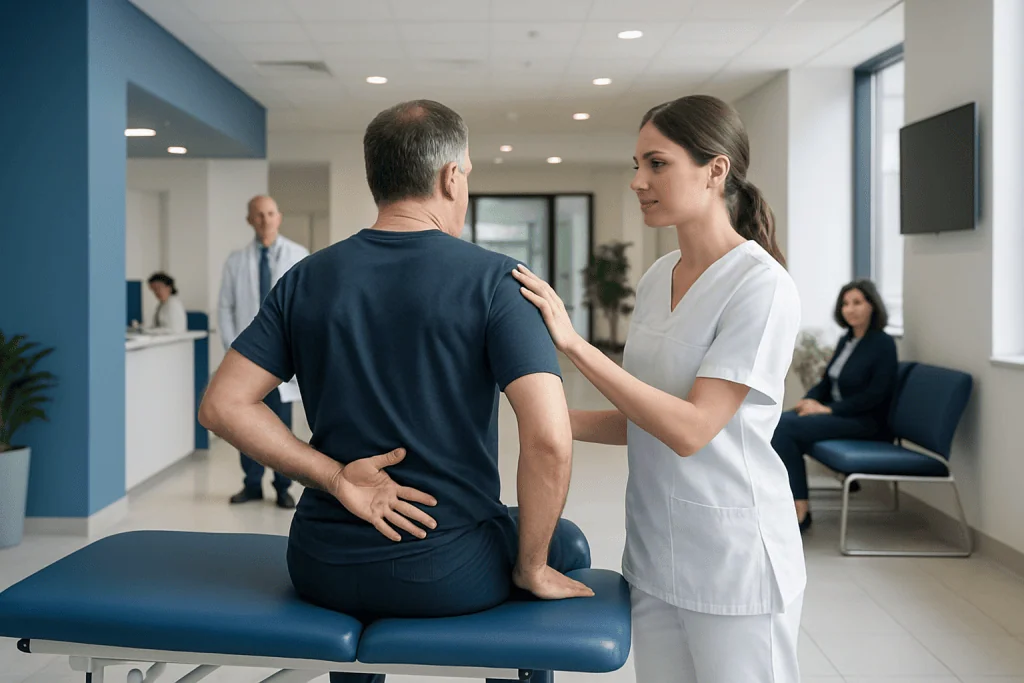
Back pain rehab focuses on function and independence, not only on eliminating pain. Most rehabilitation plans use gradual, regular exercise tailored to the person’s symptoms, goals and abilities.
Key Takeaways
- Back pain rehab focuses on function and independence, not only on eliminating pain.
- Most rehabilitation plans use gradual, regular exercise tailored to the person’s symptoms, goals and abilities.
- Scans are not always needed for uncomplicated back pain; assessment is guided by symptoms and physical examination.
- Staying appropriately active is usually more helpful than prolonged bed rest for nonspecific back pain.
- New weakness, loss of bladder or bowel control, fever or severe unexplained pain needs prompt medical assessment.
Back pain rehab is a structured, individualized program that helps people improve movement, build confidence and return to valued daily activities while managing back pain. It commonly combines education, progressive exercise, activity planning and, when needed, input from several medical specialists.
Back Pain Rehab: What It Is and How It Helps
Back pain rehab is an evidence-based approach to improving comfort, movement and everyday function after back pain. It is not one single procedure. Instead, it is a personalized plan that may include physical therapy, guided exercise, education about pain, pacing of activities and support for sleep, work and general health.
For many people, especially those with nonspecific low back pain, rehabilitation helps reduce disability and fear of movement. The aim is to help the back and surrounding muscles tolerate normal demands gradually, rather than requiring complete rest or waiting until all pain has disappeared before resuming life.
A rehabilitation plan is based on the person’s diagnosis, symptoms, physical abilities, work or home demands and personal goals. It may be useful after a recent episode of pain, for recurrent symptoms, after an injury, or during recovery from a spinal condition or surgery.
Who May Benefit From Back Pain Rehabilitation
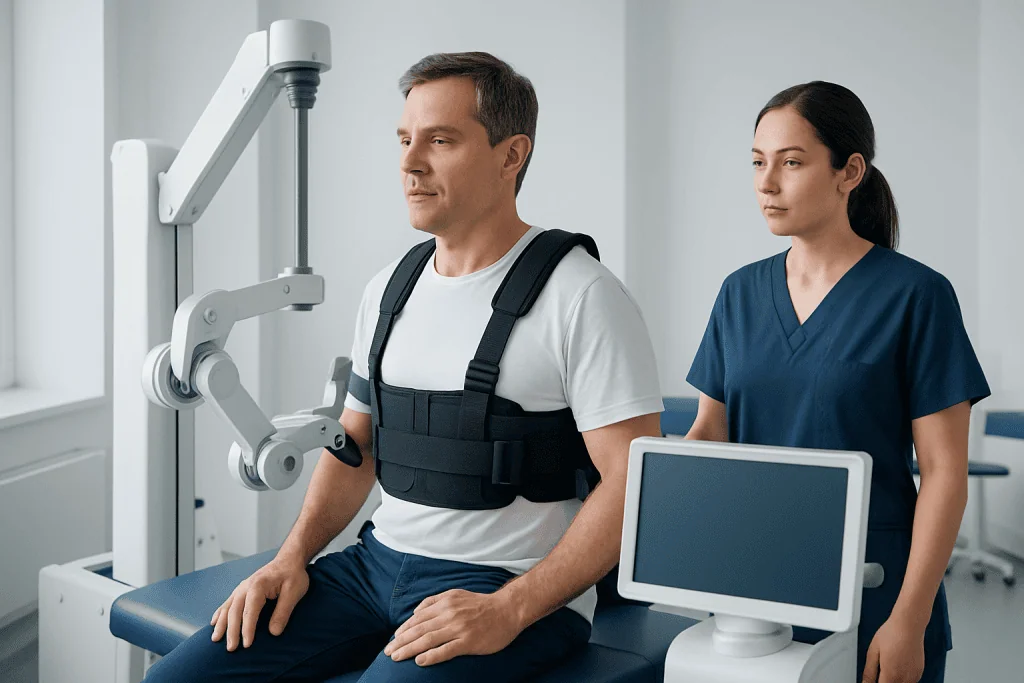
Back pain rehab may be appropriate for people whose pain affects walking, sitting, sleep, work, exercise or other daily activities. It is commonly used for nonspecific low back pain, which means pain without a single dangerous or clearly identifiable cause. It can also support recovery in people with conditions such as a herniated disc or age-related spinal changes, when a clinician considers conservative care appropriate.
Good candidates are willing to take an active role in recovery. This does not mean exercising through severe pain. It means working with the care team to find safe movements, set realistic goals and gradually increase activity within an agreed plan.
Rehabilitation may need to be adapted or delayed when there is a suspected fracture, infection, cancer-related spinal problem, progressive nerve damage or another urgent cause of back pain. A clinician should first assess these possibilities and determine whether specialist treatment, imaging or surgery is needed.
Assessment and Diagnosis Before Rehabilitation
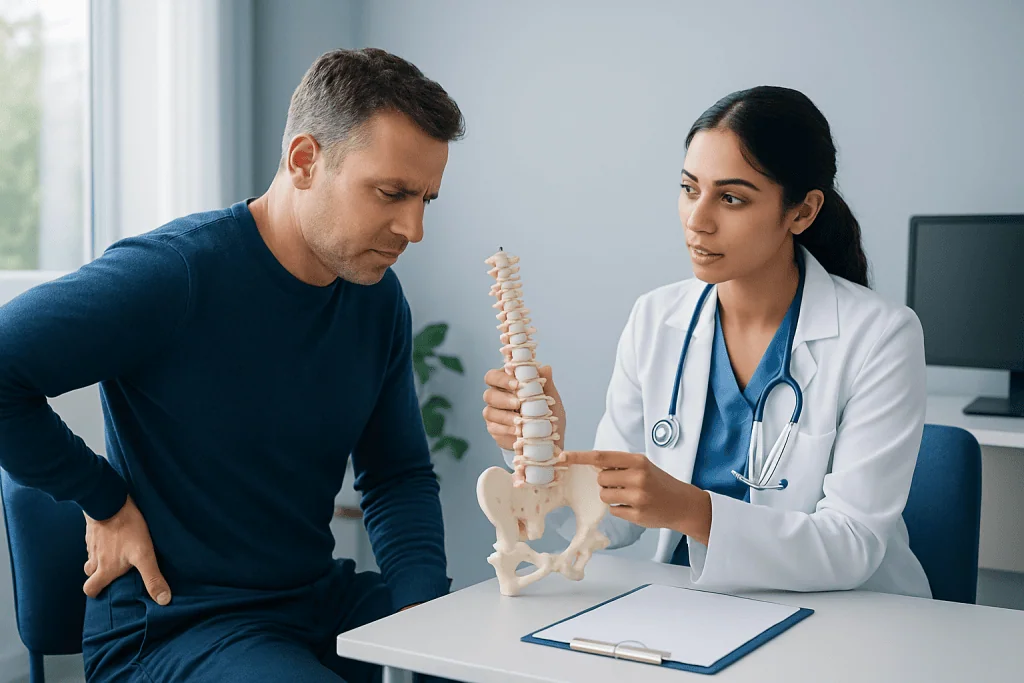
Back pain rehabilitation usually starts with a clinical assessment. A doctor, physiotherapist or rehabilitation specialist asks about the location and pattern of pain, how it began, activities that affect it, previous episodes, medical conditions, medicines and any symptoms affecting the legs, bladder or bowel.
The physical examination may assess posture, walking, flexibility, strength, reflexes, sensation and movement tolerance. The clinician also considers how pain affects work, mood, sleep and confidence with everyday tasks. This broader assessment helps ensure that the plan addresses the factors most relevant to recovery.
Imaging tests such as X-rays, MRI or CT scans are not routinely required for every episode of back pain. They are more likely to be considered when symptoms suggest a serious underlying cause, significant nerve involvement, trauma, or when results would change treatment decisions. Findings on a scan do not always explain pain, as some spine changes are common in people without symptoms.
How a Back Pain Rehab Program Works
Rehabilitation typically begins with education and a practical plan for staying active. A clinician may explain which symptoms are expected during recovery, how to modify tasks temporarily and how to avoid the cycle of doing too much on a better day followed by prolonged rest after a flare-up. This approach is often called pacing.
Exercise is usually progressed in stages. Early sessions may focus on comfortable movement, walking, mobility and learning how to move with less guarding. As tolerance improves, the plan commonly includes strengthening exercises for the trunk, hips and legs, as well as aerobic activity and task-specific practice such as lifting, reaching, climbing stairs or returning to work duties.
Some people benefit from hands-on techniques, short-term symptom-relief measures or advice on workplace ergonomics. These may support participation in active rehabilitation, but passive treatments alone are generally not the central goal. The program is reviewed regularly and adjusted according to function, symptoms and the person’s priorities.
- Goal setting: identifying meaningful targets, such as walking farther or returning to a hobby.
- Graded activity: increasing activity in manageable steps rather than avoiding all discomfort.
- Movement training: practicing safe, confident ways to bend, sit, stand and lift.
- Self-management: building a sustainable home plan for long-term back health.
What to Expect: Sessions, Progress and Recovery Timeline
There is no single recovery timeline because back pain has many causes and recovery is influenced by general health, activity level, work demands, stress, sleep and the duration of symptoms. Some people notice meaningful functional improvements within several weeks, while persistent or recurrent pain may require a longer program and ongoing self-management.
An initial appointment often includes assessment, education and the first set of tailored exercises. Follow-up sessions are used to check technique, review symptom response and progress the plan. A home program is usually an important part of rehabilitation, because regular practice between sessions helps build endurance and confidence.
Temporary soreness or a mild increase in symptoms can occur when activity is increased, particularly after a long period of reduced movement. This should be discussed with the rehabilitation team. Severe, worsening or unfamiliar symptoms should not be ignored; the plan may need modification or further medical evaluation.
After a back procedure or surgery, rehabilitation is coordinated with the treating surgeon and follows specific restrictions. Where clinically appropriate, physical therapy and rehabilitation can help restore mobility, strength and daily function through a staged recovery plan.
Benefits, Limitations and Possible Risks
The main potential benefits of back pain rehab are improved mobility, greater strength and endurance, better ability to perform daily tasks, and increased confidence in movement. Many people also learn strategies that help them manage future flare-ups and reduce the impact of pain on work, family life and recreation.
Rehabilitation does not promise an immediate cure or complete absence of pain. Back pain can fluctuate, and progress is rarely perfectly linear. A successful plan often emphasizes meaningful improvements in function and quality of life, even if occasional symptoms remain.
Risks are generally low when rehabilitation is properly assessed and individualized. Exercises that are progressed too quickly or performed with poor technique may worsen symptoms temporarily or cause a strain. Open communication with the care team, correct instruction and gradual progression help reduce these risks.
Medicines, injections or surgery may be considered for selected people depending on the diagnosis and severity of symptoms. These options should be discussed with a qualified clinician as part of a shared decision-making process, rather than replacing an appropriate rehabilitation plan without a clear reason.
Self-Care and When to Seek Medical Care
Between rehabilitation sessions, regular gentle movement is usually preferable to prolonged bed rest. Depending on individual tolerance, this may include walking, swimming, cycling or prescribed exercises. Good sleep habits, gradual return to usual activities and attention to lifting technique can also support recovery. Maintaining a healthy weight and avoiding tobacco may benefit overall spine and musculoskeletal health.
People should seek medical care promptly for back pain with new or worsening leg weakness, numbness around the groin or buttocks, loss of bladder or bowel control, fever, unexplained weight loss, pain after a major injury, or severe pain that is rapidly getting worse. These symptoms do not always indicate a serious condition, but they need timely assessment.
A non-urgent medical review is also sensible when pain persists despite self-care, repeatedly disrupts sleep or daily activities, spreads down the leg, or causes concern. Acibadem International’s multidisciplinary specialists and JCI-accredited hospitals can assess back pain and coordinate rehabilitation for international patients when appropriate.
Frequently asked questions
What is back pain rehab?
Back pain rehab is a personalized program designed to improve movement, function and confidence while helping a person manage back pain. It often includes education, progressive exercise, activity planning and guidance from a physiotherapist or rehabilitation specialist.
Is exercise safe when the back still hurts?
For many people with uncomplicated back pain, appropriately chosen exercise is safe and helpful even when some pain is present. The program should be adjusted to the person’s symptoms and capacity, and severe or worsening symptoms should be discussed with a clinician.
How long does back pain rehabilitation take?
The length of rehabilitation varies widely. Some people improve over several weeks, while long-standing, recurrent or complex back pain may require a longer plan and continued self-management after formal sessions end.
Do I need an MRI before starting back pain rehab?
Not always. Many cases can be assessed through a medical history and physical examination, and imaging is usually reserved for symptoms that suggest a serious cause, nerve involvement, trauma or a result that would change treatment.
Can back pain rehab help sciatica?
It may help some people with sciatica by improving movement tolerance, strength and daily function. However, sciatica should be clinically assessed, especially if there is worsening weakness, significant numbness or changes in bladder or bowel control.
Should I rest in bed for back pain?
Prolonged bed rest is generally not recommended for most uncomplicated back pain because it can reduce strength and make returning to normal activity harder. Short periods of rest may be needed during severe symptoms, but gradual, comfortable movement is usually encouraged.
References
- World Health Organization
- National Institute for Health and Care Excellence
- American College of Physicians
- National Institute of Neurological Disorders and Stroke
- International Association for the Study of Pain
This article is for general information only and is not a substitute for professional medical advice. Please consult a qualified doctor about your individual situation.
Joint and spine care in Turkey — expert assessment & treatment
JCI-accredited · board-certified surgeons · reply within 24h
Add us as a Preferred Source to see more of our trusted health content across Google Search, AI Overviews and Discover.

More from the Health Library



Related Specialists

Assoc. Prof. Dr. Omar Yusef Kudsi
General Surgery
Prof. Dr. Mustafa Herdem
Orthopedic Surgery & Traumatology
Assoc. Prof. Dr. Özlem Karabudak Abuaf
Dermatology
Prof. Dr. Turgay Çelikel
Pulmonology