Chemotherapy Treatment for Thyroid Cancer: How It Works, Results and What to Expect
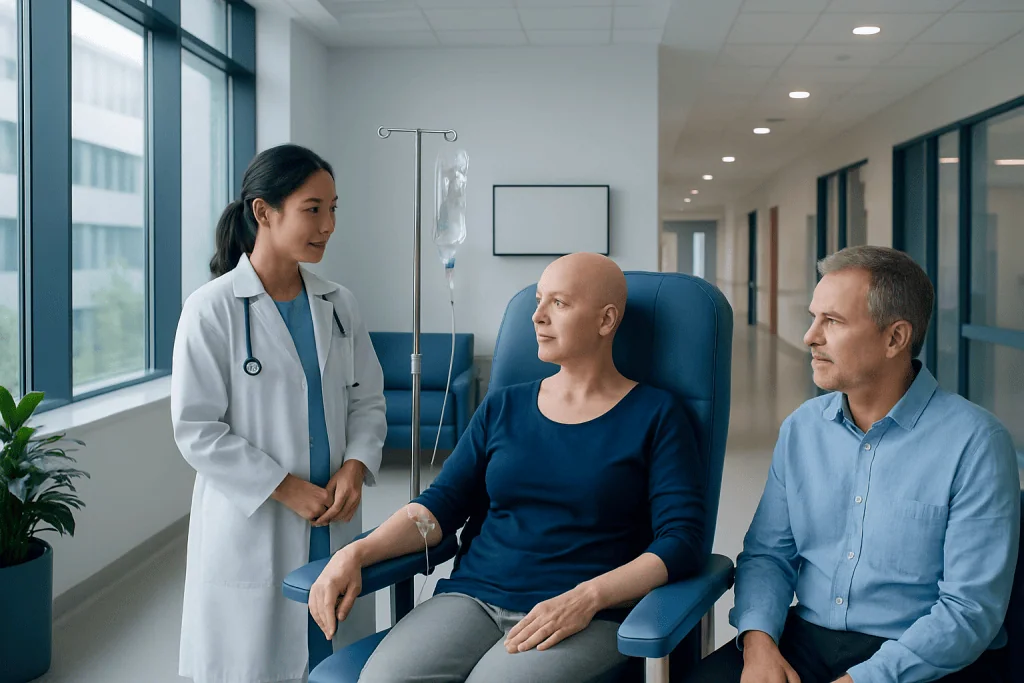
Most differentiated thyroid cancers do not require chemotherapy. Chemotherapy is most often considered for anaplastic thyroid cancer or advanced disease that no longer responds to radioactive iodine.
Key Takeaways
- Most differentiated thyroid cancers do not require chemotherapy.
- Chemotherapy is most often considered for anaplastic thyroid cancer or advanced disease that no longer responds to radioactive iodine.
- It may be combined with radiation therapy, targeted therapy, immunotherapy, surgery, or supportive care depending on the cancer type and molecular test results.
- Treatment is given in cycles, with regular blood tests and symptom review to help manage side effects safely.
- The expected benefit and treatment duration vary greatly according to thyroid cancer type, spread, previous treatments, and overall health.
Chemotherapy treatment for thyroid cancer is not routinely needed for most thyroid cancers, which are often treated with surgery and radioactive iodine. It may be considered for aggressive, recurrent, or metastatic disease, especially anaplastic thyroid cancer, as part of an individualized plan led by a multidisciplinary cancer team.
Overview: How chemotherapy treatment for thyroid cancer works
Chemotherapy treatment for thyroid cancer uses medicines that circulate through the bloodstream to damage or slow the growth of cancer cells. It is not a standard treatment for most common thyroid cancers, particularly papillary and follicular thyroid cancers, because these cancers are often managed effectively with surgery, thyroid hormone therapy, and radioactive iodine when appropriate.
Chemotherapy may have a role when thyroid cancer is aggressive, has spread to distant organs, has returned after earlier treatment, or no longer takes up radioactive iodine. It is especially relevant in anaplastic thyroid cancer, a rare and rapidly growing form of the disease. In this setting, chemotherapy may be used with external-beam radiation therapy or alongside other systemic medicines.
Modern care also considers targeted therapies and immunotherapy for selected patients. Molecular testing of the tumor can identify gene changes that may guide treatment choices. A medical oncologist, endocrinologist, thyroid surgeon, radiation oncologist, radiologist, pathologist, and supportive-care team may work together to develop the most suitable plan.
Who may be a candidate for chemotherapy?
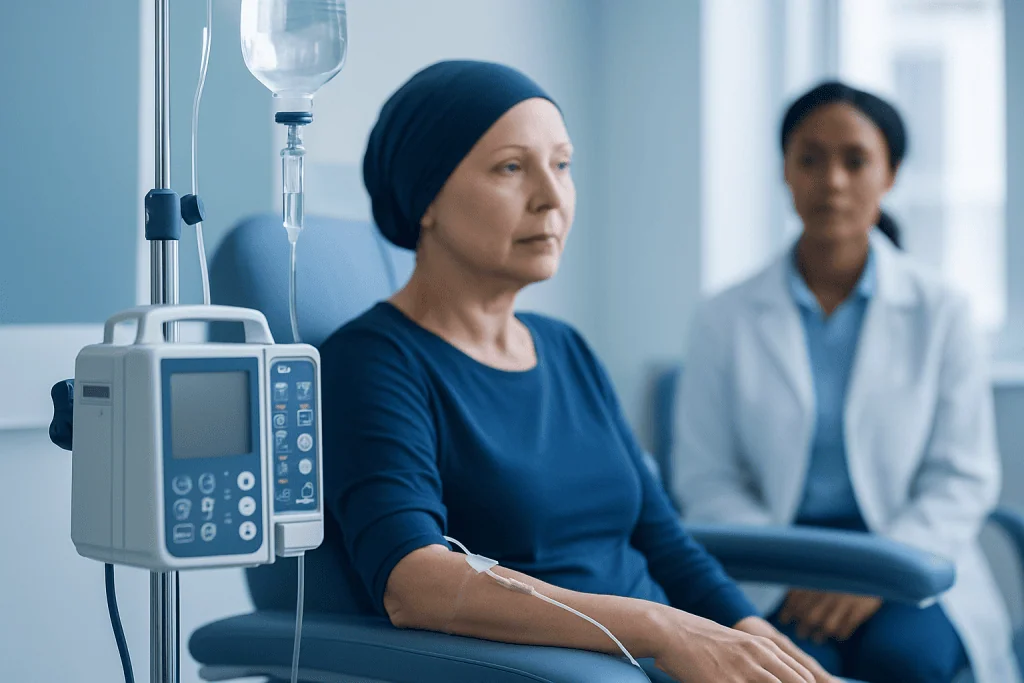
Whether chemotherapy is appropriate depends first on the exact type of thyroid cancer. Papillary, follicular, and many medullary thyroid cancers are commonly treated with approaches other than conventional chemotherapy. For differentiated cancers that progress despite radioactive iodine, targeted medicines are often considered before or instead of chemotherapy.
Chemotherapy may be discussed for anaplastic thyroid cancer, particularly when the cancer cannot be fully removed by surgery or has spread. It may also occasionally be considered for other advanced thyroid cancers when standard treatments have not controlled the disease and other systemic options are unsuitable or unavailable.
Before recommending treatment, clinicians consider the cancer stage, its pace of growth, where it has spread, tumor molecular findings, previous treatment, symptoms, blood test results, heart and kidney function, and a person’s goals and preferences. The purpose may be to help shrink a tumor, improve local control with radiation, slow progression, or relieve cancer-related symptoms.
- Biopsy and pathology confirm the cancer type.
- Imaging helps show the location and extent of disease.
- Molecular testing can identify treatment-relevant changes in the tumor.
- General health assessment helps determine which treatments can be given safely.
What happens during chemotherapy treatment?
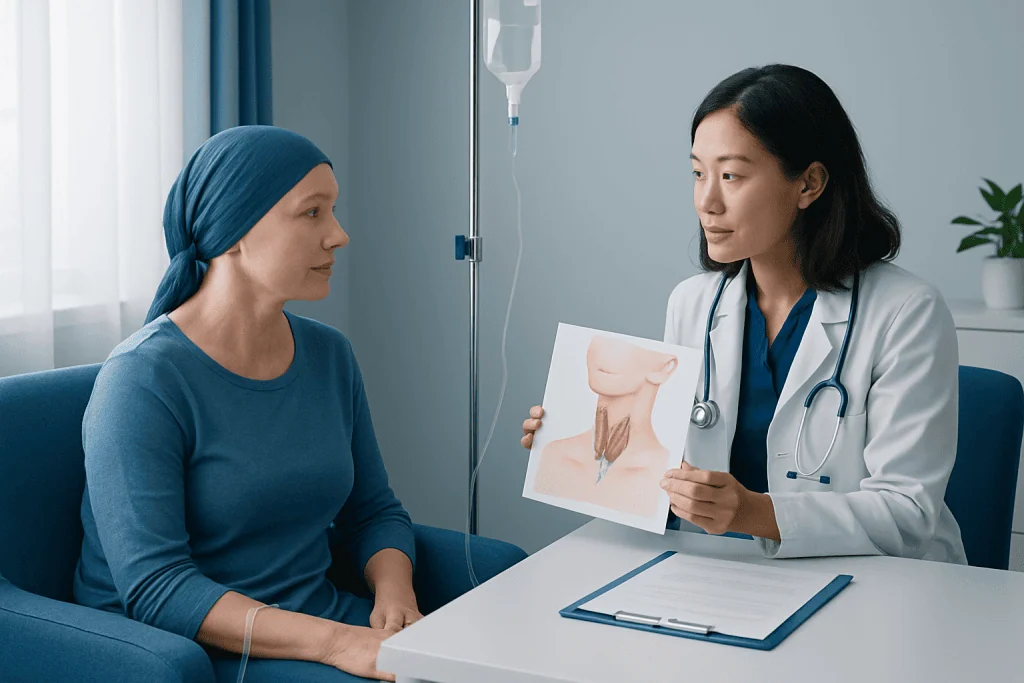
Before treatment begins, the oncology team explains the planned medicines, schedule, likely benefits, side effects, and monitoring. Blood tests are usually performed before each treatment cycle. Depending on the medicine selected, heart function or other organ assessments may also be needed.
Many chemotherapy medicines are delivered into a vein at an infusion center or hospital. Some treatment plans use medicines taken by mouth. Intravenous treatment may take from minutes to several hours, depending on the regimen and supportive medicines needed to prevent nausea or allergic reactions. A nurse monitors the patient during treatment and can respond to discomfort or side effects.
Chemotherapy is usually arranged in cycles: a period of treatment followed by time for the body to recover. The team reviews symptoms, examination findings, blood counts, and scans at planned intervals. If the cancer is not responding, side effects become too difficult, or a more suitable treatment becomes available, the plan may be changed.
For people receiving combined treatment, chemotherapy may be timed with radiation therapy to make cancer cells more sensitive to radiation. The exact sequence of surgery, radiation, systemic therapy, and supportive care is individualized rather than the same for every person.
Benefits, risks and recovery timeline
The potential benefit of chemotherapy is different for each person. In aggressive thyroid cancer, it may help reduce tumor size, slow growth, support the effect of radiation therapy, or ease symptoms caused by a tumor. It may not cure advanced thyroid cancer, and the oncology team should explain clearly what outcome is realistically expected from the proposed treatment.
Side effects depend on the specific medicine, dose, combination treatment, and individual health. Possible effects include fatigue, nausea or vomiting, appetite changes, diarrhea or constipation, mouth sores, hair thinning or loss, low blood counts, and a greater chance of infection. Certain medicines can also affect nerves, heart function, kidneys, or other organs, so ongoing monitoring is important.
Recovery after each cycle varies. Some people feel tired for several days, while others need longer to regain energy, especially if chemotherapy is given with radiation. Blood counts can fall after treatment and then recover before the next cycle. Rest, adequate fluids, regular meals, gentle activity when possible, and early reporting of symptoms can support recovery.
It is important not to assume that every symptom is an expected side effect. Fever, chills, new shortness of breath, chest pain, uncontrolled vomiting, confusion, severe diarrhea, dehydration, or rapidly worsening weakness should be reported promptly to the cancer team or assessed urgently.
Can thyroid cancer be cured?
Many thyroid cancers can be cured, especially papillary and follicular thyroid cancers diagnosed before they have spread widely. Treatment commonly includes surgery, and some patients also need radioactive iodine or thyroid hormone therapy. Long-term follow-up remains important because recurrence can occasionally occur years later.
The outlook is more variable when thyroid cancer has spread, returns after treatment, or is a rarer aggressive type such as anaplastic thyroid cancer. Even when cure is not possible, treatment may control disease, reduce symptoms, and support quality of life. The most accurate outlook comes from the treating team, who can interpret the cancer type, stage, response to treatment, and individual health circumstances.
Follow-up often includes clinical examination, blood tests, and imaging when indicated. A care plan may also address nutrition, speech or swallowing needs, emotional wellbeing, pain management, and practical support during treatment.
How bad is stage 4 thyroid cancer?
Stage 4 thyroid cancer is serious, but it does not mean exactly the same thing for every person. Staging rules differ according to thyroid cancer type and age, and stage 4 may describe extensive growth into nearby structures, spread to lymph nodes, or spread to distant parts of the body. The cancer’s behavior and treatment options matter as much as the stage label.
Some people with advanced differentiated thyroid cancer can live with controlled disease for a long time, particularly when treatments such as surgery, radioactive iodine, targeted therapy, or other systemic treatments are effective. In contrast, anaplastic thyroid cancer is usually more urgent because it tends to grow quickly and may affect breathing or swallowing.
Clinicians use imaging, pathology, molecular results, symptoms, and treatment response to explain the outlook and available options. Asking the team what stage means for the specific cancer type, what the treatment goal is, and what changes should be reported can help patients and families make informed decisions.
What foods can be safely consumed on a diet to help with thyroid cancer?
No specific diet has been proven to cure thyroid cancer or replace medical treatment. In general, a balanced eating pattern can help maintain strength during treatment. This may include vegetables and fruits, whole grains, beans, nuts, lean protein sources, and healthy fats, adjusted to appetite, swallowing ability, digestive symptoms, and any other medical conditions.
During chemotherapy, food safety is important, especially if blood counts are low. Patients should follow the cancer team’s advice on washing produce, cooking meat, eggs, and seafood thoroughly, avoiding unpasteurized products, and storing food safely. A dietitian can suggest easier-to-tolerate foods if nausea, mouth soreness, taste changes, or reduced appetite occur.
A low-iodine diet is sometimes prescribed for a limited time before radioactive iodine treatment or testing. It is not generally needed during chemotherapy unless the care team specifically recommends it. Iodine supplements, herbal products, and high-dose vitamins should not be started without medical advice, as they can interfere with treatment or cause harm.
How long does chemo last for thyroid cancer?
There is no single chemotherapy duration for thyroid cancer. Treatment is commonly given in cycles over several weeks or months, but the schedule depends on the cancer type, the medicines used, whether radiation therapy is being given at the same time, side effects, and how the tumor responds.
For anaplastic thyroid cancer, chemotherapy may be planned as part of a short, intensive course with radiation, or it may continue as systemic treatment while it is providing benefit and remains tolerable. For advanced disease, scans and clinical assessments are used to decide whether to continue, pause, change, or stop treatment.
Patients can ask their oncologist how many cycles are initially planned, when response will be assessed, and what would lead to a treatment change. Clear communication about symptoms and daily functioning helps the team adjust care safely.
When to seek medical care
A person with a new or enlarging neck lump, persistent voice change, difficulty swallowing, unexplained neck pressure, or persistent cough should arrange a medical assessment. These symptoms are often caused by conditions other than thyroid cancer, but they should be evaluated, particularly if they persist or worsen.
Urgent medical care is needed for trouble breathing, noisy breathing, rapidly increasing neck swelling, inability to swallow liquids, or coughing up blood. People undergoing chemotherapy should contact their cancer team promptly for fever, signs of infection, severe weakness, persistent vomiting, or any sudden new symptom.
Acibadem International’s multidisciplinary specialists and JCI-accredited hospitals support international patients with diagnosis and treatment planning for thyroid cancer. A second opinion may be useful when cancer is advanced, uncommon, recurrent, or when several treatment approaches are being considered.
Frequently asked questions
Is chemotherapy commonly used for thyroid cancer?
No. Most common thyroid cancers are treated with surgery, thyroid hormone therapy, and sometimes radioactive iodine rather than conventional chemotherapy. Chemotherapy is mainly considered for aggressive or advanced cancers, particularly anaplastic thyroid cancer, or when other treatments are no longer effective.
Can chemotherapy be given with radiation for thyroid cancer?
Yes. For selected patients, especially those with anaplastic thyroid cancer, chemotherapy may be given during radiation therapy. This combined approach may improve local tumor control, but it can also increase side effects and requires close monitoring.
Will chemotherapy make hair fall out?
Some chemotherapy medicines can cause hair thinning or hair loss, while others may not. The likelihood and degree depend on the specific treatment plan. The oncology team can explain what to expect and discuss practical support options before treatment begins.
Can targeted therapy be used instead of chemotherapy?
For some advanced thyroid cancers, targeted therapy may be more appropriate than conventional chemotherapy. The choice depends on the cancer type, whether it responds to radioactive iodine, molecular test results, previous treatments, and a person’s overall health.
How is treatment response checked during chemotherapy?
The cancer team usually monitors symptoms, physical findings, blood tests, and imaging scans. The timing of scans varies by treatment plan and how quickly the cancer is expected to change. These results help determine whether treatment should continue or be adjusted.
What should a patient ask before starting chemotherapy?
Helpful questions include the goal of treatment, expected benefit, planned schedule, likely side effects, and alternatives. Patients may also ask about molecular testing, fertility considerations where relevant, supportive care, and who to contact outside normal clinic hours.
References
- American Cancer Society
- National Cancer Institute
- American Thyroid Association
- European Society for Medical Oncology
- World Health Organization
This article is for general information only and is not a substitute for professional medical advice. Please consult a qualified doctor about your individual situation.
Thyroid Cancer in Turkey — costs, top hospitals & a free quote
JCI-accredited · board-certified surgeons · reply within 24h
Add us as a Preferred Source to see more of our trusted health content across Google Search, AI Overviews and Discover.

Medical Oncology Department
Medical treatment of cancer with chemotherapy, immunotherapy and targeted therapies under a multidisciplinary tumor board.
60 specialists in this unit