Can a Colonoscopy Detect Celiac Disease: Preparation, Procedure and Results

A colonoscopy examines the large intestine and usually cannot confirm or exclude celiac disease. Upper endoscopy with multiple small-bowel biopsies is the usual procedure for confirming suspected celiac disease.
Key Takeaways
- A colonoscopy examines the large intestine and usually cannot confirm or exclude celiac disease.
- Upper endoscopy with multiple small-bowel biopsies is the usual procedure for confirming suspected celiac disease.
- Celiac blood tests are most accurate when a person is regularly eating gluten.
- Biopsy pathology results often take several days to around two weeks, depending on the laboratory.
- A colonoscopy may still be appropriate to investigate rectal bleeding, persistent diarrhea, anemia, or other possible bowel conditions.
A colonoscopy does not usually diagnose celiac disease because celiac-related damage mainly occurs in the small intestine, which a standard colonoscopy does not reach. Diagnosis commonly combines celiac antibody blood tests with biopsies of the duodenum obtained during an upper endoscopy while the person is still eating gluten.
Can a Colonoscopy Detect Celiac Disease?
Can a colonoscopy detect celiac disease? Usually, no. Celiac disease primarily damages the lining of the upper small intestine, especially the duodenum, whereas a standard colonoscopy looks at the rectum and colon (large intestine). A colonoscopy may help investigate other reasons for bowel symptoms, but it is not the main test used to diagnose celiac disease.
When celiac disease is suspected, clinicians usually begin with blood tests for celiac-related antibodies. If results and symptoms suggest celiac disease, an upper endoscopy is commonly used to take tiny tissue samples from the first part of the small intestine. The samples are reviewed under a microscope for characteristic inflammation and injury to the intestinal villi, the small finger-like structures that absorb nutrients.
It is important not to start a gluten-free diet before testing unless a clinician advises otherwise. Reducing or removing gluten can lower antibody levels and allow the intestinal lining to heal, potentially making blood tests and biopsies less informative. Celiac disease is a lifelong immune-mediated condition, but effective treatment can support healing and reduce symptoms.
Why a Colonoscopy and an Upper Endoscopy Are Different
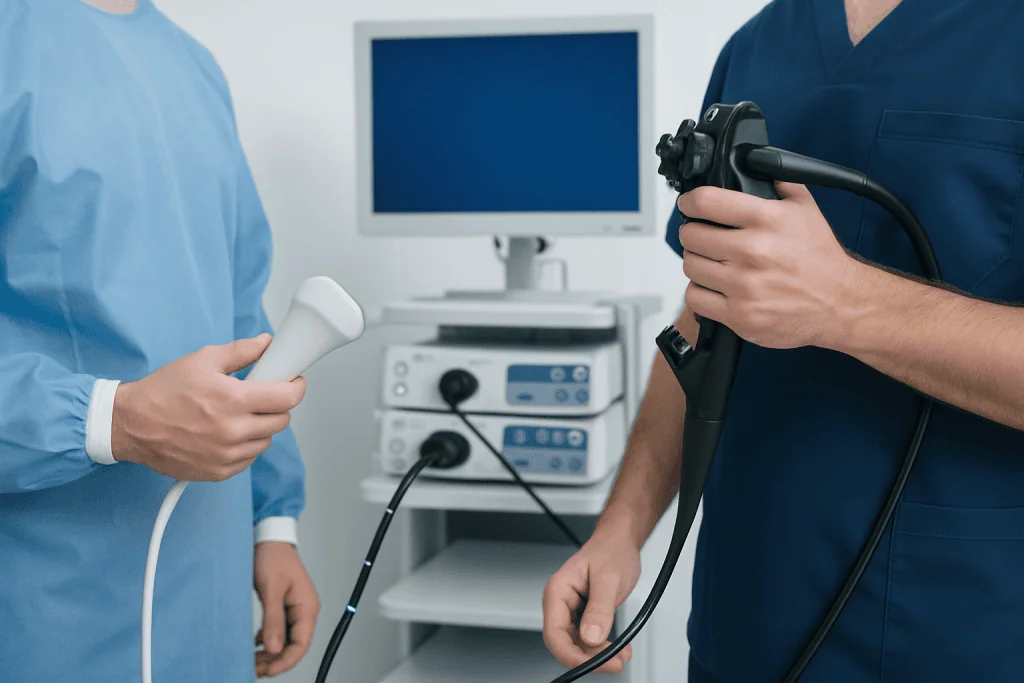
A colonoscopy uses a flexible camera passed through the rectum to examine the colon and, in many cases, the final portion of the small intestine called the terminal ileum. It is valuable for assessing problems such as unexplained lower gastrointestinal bleeding, polyps, inflammatory bowel disease, chronic diarrhea, and colorectal cancer screening.
An upper endoscopy, also called esophagogastroduodenoscopy or EGD, passes a flexible camera through the mouth to examine the esophagus, stomach, and duodenum. Because the duodenum is the organ area most commonly affected by celiac disease, this procedure enables the clinician to take the biopsies needed for diagnostic confirmation.
Some people undergo both procedures during the same sedation appointment when symptoms warrant a broader evaluation. For example, persistent diarrhea, iron-deficiency anemia, weight loss, or a family history of bowel conditions may lead a gastroenterologist to consider more than one test. The choice is individualized and should be based on symptoms, medical history, blood results, age, and screening needs.
Can a Doctor Tell If You Have Celiac Disease From a Colonoscopy?
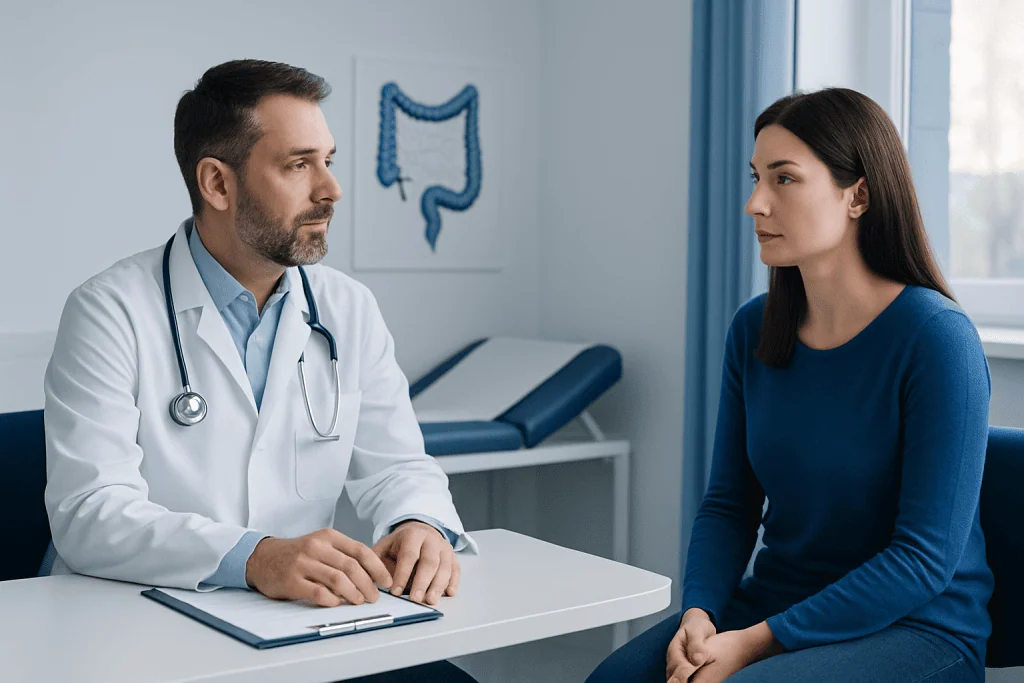
A doctor generally cannot tell whether a person has celiac disease from a colonoscopy alone. The colon can look normal in someone with celiac disease, and visual inspection of the terminal ileum does not replace biopsies from the duodenum. Even during upper endoscopy, the small intestine may appear normal to the eye, so tissue samples remain important when celiac disease is suspected.
A colonoscopy can, however, identify or help exclude other causes of symptoms. It may reveal inflammation, microscopic colitis when biopsies are taken, polyps, bleeding sources, or other changes in the large intestine. Finding another condition does not automatically rule out celiac disease; occasionally, more than one digestive condition can coexist.
For this reason, clinicians interpret test results together rather than relying on one examination. They consider symptoms, nutrition-related blood tests, celiac antibodies, family history, medication use, and biopsy findings. A gastroenterologist can explain whether an upper endoscopy or colonoscopy evaluation is appropriate for the person’s particular symptoms.
How Celiac Disease Testing Works: Markers, Candidacy and Biopsies
Testing is appropriate for people with persistent digestive symptoms, unexplained iron-deficiency anemia, weight loss, low bone density, certain skin rashes, elevated liver enzymes, or a close relative with celiac disease. Celiac disease can also occur without classic diarrhea. In children, poor growth, abdominal pain, behavioral changes, or delayed puberty can prompt assessment.
What are the four markers for celiac disease? The term can refer to commonly used blood markers: tissue transglutaminase immunoglobulin A (tTG-IgA), total serum IgA, endomysial antibody IgA (EMA-IgA), and deamidated gliadin peptide antibodies (DGP-IgA or DGP-IgG). tTG-IgA is often the initial test, while total IgA helps identify IgA deficiency, which can make IgA-based tests falsely negative. In people with IgA deficiency or selected clinical situations, IgG-based tests may be used.
Positive antibody tests do not always establish the diagnosis by themselves. In many adults, upper endoscopy with multiple duodenal biopsies is recommended to confirm celiac disease and assess the degree of intestinal change. Genetic testing for HLA-DQ2 and HLA-DQ8 may sometimes help exclude celiac disease when the diagnosis is uncertain, since celiac disease is very unlikely without these genetic markers, although many people who carry them never develop the condition.
- Continue eating gluten before diagnostic blood tests and biopsies unless instructed otherwise.
- Tell the clinical team about medicines, allergies, pregnancy, bleeding disorders, and previous reactions to sedation.
- Ask whether both upper endoscopy and colonoscopy are needed if symptoms involve the upper and lower digestive tract.
Upper Endoscopy for Celiac Disease: Preparation, Procedure and Recovery
For an upper endoscopy, people are usually asked not to eat or drink for a specified period beforehand so the stomach is empty. Instructions vary depending on the planned sedation, health conditions, and local protocol. A clinician may also advise on medicines such as blood thinners or diabetes treatments; these should never be stopped without professional guidance.
During the procedure, the person commonly receives sedation to improve comfort. The endoscope is gently guided through the mouth into the upper digestive tract. The clinician examines the lining and collects several small samples from different areas of the duodenum. Biopsies are painless because the intestinal lining does not sense cutting in the same way as the skin. The examination itself is generally brief, although preparation and recovery take longer.
After sedation, a person may feel sleepy, have a mild sore throat, or notice temporary bloating. They usually need a responsible adult to accompany them home and should avoid driving, alcohol, and important decisions for the rest of the day if sedation was used. Most people resume normal activities by the next day, following their care team’s advice. Upper endoscopy allows specialists to inspect the upper digestive tract and obtain the biopsies that support an accurate diagnosis.
Complications from diagnostic endoscopy and biopsy are uncommon, but no procedure is risk-free. Possible risks include medication reactions, bleeding, infection, or a tear in the digestive tract, which is rare. Urgent medical assessment is needed after the procedure for severe or worsening abdominal pain, fever, vomiting blood, black stools, breathing difficulty, or persistent dizziness.
How Long Does It Take to Get the Results of a Celiac Biopsy?
How long does it take to get the results of a celiac biopsy? The endoscopy clinician can often discuss what was seen during the procedure on the same day, but biopsy results require laboratory processing and specialist review. Results commonly take several business days to about two weeks, although timing varies by laboratory, the need for additional staining, and local healthcare systems.
A pathologist examines the samples for features that may include increased immune cells in the lining, crypt changes, and villous atrophy. These findings are interpreted alongside blood antibody tests and the person’s diet at the time of testing. Similar intestinal changes can occasionally have other causes, so a biopsy result should be discussed with a gastroenterologist rather than interpreted in isolation.
If celiac disease is confirmed, a dietitian experienced in celiac disease can help plan a strict, nutritionally balanced gluten-free diet. Follow-up may include symptom review, repeat antibody testing, and checks for nutrient deficiencies or related health concerns. Healing can take time, and follow-up recommendations differ between children and adults.
What Organ Is Most Affected by Celiac Disease?
What organ is most affected by celiac disease? The small intestine is the main organ affected, particularly the duodenum, which is the first section just beyond the stomach. In genetically susceptible people, eating gluten triggers an immune response that can injure the small-intestinal lining and impair absorption of nutrients such as iron, folate, calcium, and vitamin D.
Although the small intestine is central to the condition, symptoms may occur beyond the digestive system. Some people have fatigue, anemia, mouth ulcers, bone health concerns, headaches, nerve symptoms, fertility concerns, or an itchy blistering rash called dermatitis herpetiformis. Others have few obvious symptoms despite measurable intestinal injury.
The cornerstone of treatment is a lifelong strict gluten-free diet, avoiding wheat, barley, and rye and addressing cross-contact where necessary. Oats may be suitable for some people if they are certified gluten-free and introduced with clinical or dietetic guidance. Nutritional assessment is useful because dietary restriction and previous malabsorption can both affect nutrient intake.
When to Seek Medical Care
Medical advice is recommended for ongoing diarrhea or constipation, recurrent abdominal pain or bloating, unintentional weight loss, fatigue that does not improve, or unexplained iron-deficiency anemia. Assessment is also sensible for a first-degree relative of someone with celiac disease, even when symptoms are mild or absent.
Prompt medical care is important for blood in the stool, black tar-like stools, vomiting blood, severe abdominal pain, fainting, dehydration, persistent vomiting, or rapid unexplained weight loss. These symptoms can have several causes and should not be assumed to be celiac disease.
Acibadem International’s multidisciplinary gastroenterology, pathology, nutrition, and other relevant specialists can assess digestive symptoms and coordinate investigation and treatment for international patients at JCI-accredited hospitals. A qualified clinician can help determine whether celiac testing, upper endoscopy, colonoscopy, or another evaluation best matches the individual’s needs.
Frequently asked questions
Can a colonoscopy detect celiac disease?
A standard colonoscopy is not the usual test for celiac disease because it examines the large intestine, while celiac-related injury typically occurs in the upper small intestine. An upper endoscopy with duodenal biopsies, combined with blood antibody tests, is generally used for diagnosis.
Should a person stop eating gluten before celiac testing?
No, a person should usually continue eating gluten before diagnostic blood tests and biopsy unless a clinician gives different instructions. Starting a gluten-free diet too early can make antibody tests and tissue findings less clear.
What are the four markers for celiac disease?
Commonly discussed markers include tTG-IgA, total serum IgA, EMA-IgA, and DGP antibodies. The exact tests used depend on age, symptoms, total IgA level, and the clinician’s assessment.
How long does it take to get celiac biopsy results?
Visual findings from endoscopy may be discussed on the day of the procedure, but biopsy analysis usually takes several business days to around two weeks. The final interpretation should combine pathology findings with blood tests and clinical history.
What organ is most affected by celiac disease?
The small intestine, especially the duodenum, is most affected by celiac disease. Damage to its lining can interfere with nutrient absorption and contribute to digestive and non-digestive symptoms.
Can a person have celiac disease with normal endoscopy appearance?
Yes. The duodenum can sometimes look normal during endoscopy even when microscopic damage is present. This is why multiple biopsies are often taken when celiac disease is suspected.
References
- National Institute of Diabetes and Digestive and Kidney Diseases
- American College of Gastroenterology
- Celiac Disease Foundation
- National Health Service
- European Society for Paediatric Gastroenterology Hepatology and Nutrition
This article is for general information only and is not a substitute for professional medical advice. Please consult a qualified doctor about your individual situation.
Celiac Disease in Turkey — costs, top hospitals & a free quote
JCI-accredited · board-certified surgeons · reply within 24h
Add us as a Preferred Source to see more of our trusted health content across Google Search, AI Overviews and Discover.

Gastroenterology
Diagnosis and treatment of the digestive system and liver, with advanced endoscopy.
46 specialists in this unit