Flag Ida Chemotherapy: How It Works, Results and What to Expect
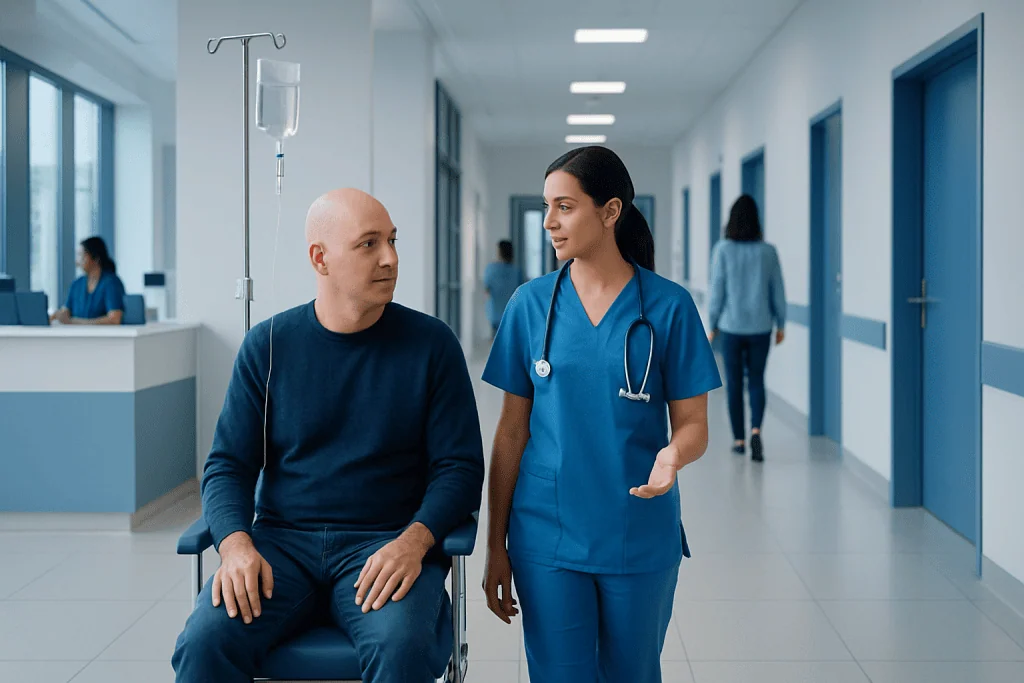
FLAG-Ida combines fludarabine, high-dose cytarabine, granulocyte colony-stimulating factor and idarubicin. It is commonly considered for relapsed or refractory acute myeloid leukemia, although treatment plans are individualized.
Key Takeaways
- FLAG-Ida combines fludarabine, high-dose cytarabine, granulocyte colony-stimulating factor and idarubicin.
- It is commonly considered for relapsed or refractory acute myeloid leukemia, although treatment plans are individualized.
- Low blood counts, infection risk, fatigue, mouth sores and nausea are expected concerns that require proactive supportive care.
- Response is assessed with blood tests, bone marrow examinations and, when available, molecular testing.
- Some people who achieve remission after FLAG-Ida may be evaluated for stem cell transplantation or further consolidation treatment.
FLAG-Ida chemotherapy is an intensive combination chemotherapy regimen most often used for <a href="https://acibademinternational.com/diseases/acute-myeloid-leukemia/”>acute myeloid leukemia (AML) that has returned or has not responded sufficiently to initial treatment. It aims to reduce or eliminate detectable leukemia cells, but it requires close hospital-based monitoring because it can temporarily suppress normal bone marrow function.
Overview: What is FLAG-Ida chemotherapy and how does it work?
FLAG-Ida chemotherapy is an intensive treatment regimen used mainly for acute myeloid leukemia (AML), particularly when the leukemia has returned after treatment or has not entered remission with initial therapy. The name describes the medicines used: Fludarabine, Lhigh-dose cytarabine (also called Ara-C), Granulocyte colony-stimulating factor (G-CSF), and Idarubicin.
These medicines work in complementary ways. Fludarabine can make leukemia cells more sensitive to cytarabine, while cytarabine interferes with cancer-cell DNA replication. Idarubicin damages DNA through a different mechanism, and G-CSF is used to stimulate blood-cell production and help leukemia cells enter an active growth phase, when chemotherapy may be more effective.
FLAG-Ida is not a single standard plan for every person with AML. The precise schedule, medicine doses and supportive treatments depend on age, overall health, kidney and liver function, prior therapy, leukemia genetics and the goals of care. AML is a complex blood cancer, and care is usually planned by a hematology-oncology team experienced in acute myeloid leukemia.
Who may be a candidate for FLAG-Ida?
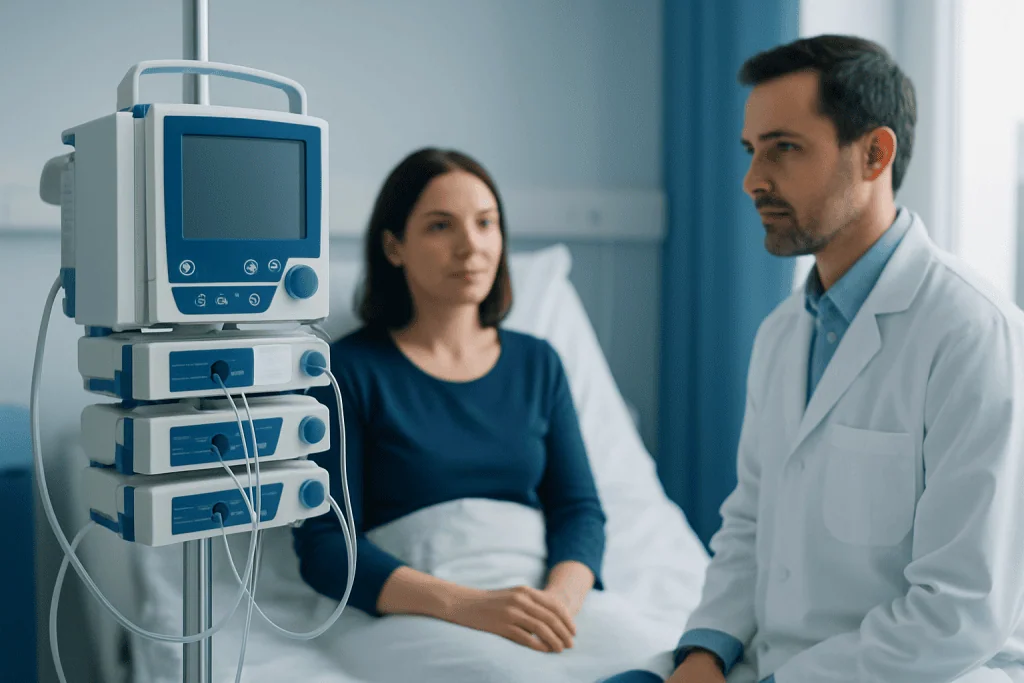
Doctors may consider FLAG-Ida for adults with AML that is refractory, meaning it did not respond adequately to earlier induction chemotherapy, or relapsed, meaning it returned after a remission. In selected circumstances, it may be used in other high-risk myeloid blood cancers, but this is decided individually by the treating specialist.
Candidacy involves more than the leukemia diagnosis. The team considers physical fitness, daily functioning, heart health, kidney and liver function, previous exposure to anthracycline medicines, infection status and the genetic features of the leukemia. A person may also have testing to determine whether a targeted medicine, a clinical trial or another chemotherapy approach could be more appropriate.
Because FLAG-Ida is intensive, it is generally suited to people who can safely undergo a period of profound low blood counts and close monitoring. For people who are medically frail or have significant organ impairment, clinicians may recommend a less intensive regimen, supportive care, or another individualized approach.
- Bone marrow and blood testing help confirm the current leukemia status.
- Chromosome and molecular tests can guide prognosis and next-step treatment.
- Heart assessment may be needed because idarubicin can affect heart function.
- Fertility preservation should be discussed before treatment when relevant and feasible.
What happens during FLAG-Ida chemotherapy?

FLAG-Ida is usually delivered in a hospital or specialist cancer center because treatment and early recovery require frequent laboratory tests, transfusions and infection surveillance. Medicines are commonly given through a central venous catheter, such as a PICC line or implanted port, although the exact approach varies.
The treatment cycle generally begins with G-CSF, followed by fludarabine and cytarabine on scheduled days. Idarubicin is given on selected days within the cycle. Exact timing differs between protocols and may be adjusted for a person’s clinical needs, so the oncology team is the best source for the individual schedule.
Before, during and after chemotherapy, care commonly includes anti-nausea medicines, IV fluids when needed, blood-product transfusions, and medicines to prevent or treat infections. Teams also monitor for tumor lysis syndrome, a metabolic complication that can occur when many leukemia cells break down quickly. Blood samples are checked often to follow kidney function, liver function, electrolytes and blood counts.
At Acibadem International, multidisciplinary hematology-oncology specialists in JCI-accredited hospitals can assess and treat leukemia for international patients, including planning intensive chemotherapy and supportive care when appropriate. Chemotherapy treatment planning should always be tailored to the individual diagnosis and treatment history.
What are good signs that chemo is working?
The most reliable signs that chemotherapy is working are medical findings rather than day-to-day symptoms. A falling number of leukemia cells in blood or bone marrow, recovery of normal blood-cell production after treatment, and no detectable leukemia on sensitive testing can all suggest a response. A bone marrow examination is often needed to determine whether remission has been achieved.
Symptoms may improve as leukemia responds. For example, some people notice less fatigue, fewer fevers, less bruising or bleeding, and better appetite as treatment progresses and blood counts recover. However, these changes alone cannot confirm that chemotherapy is effective because treatment itself can cause fatigue, low appetite and low blood counts.
Modern AML assessment may include measurable residual disease (MRD) testing. MRD looks for very small numbers of leukemia cells that cannot be seen under a microscope. Results can help the team estimate relapse risk and decide whether further chemotherapy, targeted treatment or stem cell transplantation should be considered.
Benefits, risks and side effects to expect
The intended benefit of FLAG-Ida is to bring AML into remission or reduce the amount of leukemia sufficiently to allow the next stage of treatment. For some people, this may include an allogeneic stem cell transplant, in which healthy donor stem cells rebuild blood formation and can add an immune effect against leukemia. Not every person will respond, and the likelihood of benefit depends substantially on the biology of the leukemia and prior treatment response.
The major expected effect is bone marrow suppression. White blood cells, red blood cells and platelets may fall to very low levels for a period of time. This can lead to serious infection, anemia-related tiredness or breathlessness, and bruising or bleeding. Transfusions and prompt treatment of infection are important parts of care.
Other possible side effects include nausea, vomiting, diarrhea or constipation, mouth sores, hair loss, poor appetite, weakness and changes in liver or kidney tests. Cytarabine can cause eye irritation or neurologic effects in some circumstances, and idarubicin can affect the heart. The clinical team monitors closely and adjusts supportive care whenever possible.
Patients should tell the care team about any new symptom, even if it seems minor. Early attention to fever, diarrhea, pain, mouth sores, rash, shortness of breath or bleeding can prevent complications from becoming more serious.
Recovery timeline and life after treatment
Recovery after FLAG-Ida is often measured in weeks rather than days. Blood counts commonly decrease after chemotherapy and may take several weeks to recover. During this period, many people remain in hospital or require very frequent outpatient visits for blood tests, transfusions, antibiotics and review by the hematology team.
A bone marrow assessment is commonly performed after the team expects the marrow to have recovered, although timing varies by treatment plan. Results help determine whether the leukemia is in remission and whether the next step should be observation, additional therapy, targeted treatment, a clinical trial, or stem cell transplantation.
Energy, appetite and physical strength can return gradually. Gentle activity, adequate protein and fluids when tolerated, oral care, sleep, emotional support and rehabilitation can all be useful. People should follow food-safety and infection-prevention advice from their treating center while immune defenses are low.
Long-term follow-up remains important after remission. Appointments monitor blood counts, late treatment effects and possible recurrence, while also addressing return to work, family life, fertility, mental health and overall wellbeing.
How many rounds of chemo do you do for leukemia?
There is no single number of chemotherapy rounds for leukemia. The number depends on the leukemia type, whether it is newly diagnosed or relapsed, genetic findings, response to treatment and whether a stem cell transplant is planned. AML treatment often has an induction phase to achieve remission followed by consolidation therapy to reduce the chance of relapse.
When FLAG-Ida is used as salvage treatment for relapsed or refractory AML, one intensive cycle may be used to assess whether remission can be achieved. If the leukemia responds, many patients are then assessed for donor stem cell transplantation or another post-remission strategy rather than simply repeating the same regimen routinely.
A clinician can explain the planned phases of treatment and what would change the plan. This discussion should include the purpose of each phase, expected recovery time, likely monitoring and alternatives if the leukemia does not respond as hoped.
Can you live a normal life after leukemia? When to seek medical care
Many people can return to meaningful, active lives after leukemia treatment, although the definition of normal may change during recovery. Some need time to rebuild strength, manage fatigue, attend follow-up appointments or address emotional and practical effects of treatment. Long-term outcomes vary according to leukemia subtype, treatment response, overall health and whether ongoing treatment is needed.
During and after FLAG-Ida, urgent medical advice is needed for a fever or chills, new cough or shortness of breath, chest pain, confusion, severe headache, uncontrolled vomiting or diarrhea, painful urination, new rash, unusual bruising, nosebleeds that do not stop, blood in urine or stool, or any sudden deterioration. People receiving chemotherapy should use the emergency contact instructions provided by their cancer team rather than waiting for a routine appointment.
It is also appropriate to contact the team for worsening fatigue, mouth sores that limit eating or drinking, persistent pain, anxiety, low mood or difficulty coping. Prompt support can improve comfort and help treatment continue as safely as possible.
Recovery is supported by regular follow-up, appropriate vaccinations when advised, healthy routines and attention to emotional health. A hematology-oncology team can help survivors and families make a practical plan for work, travel, exercise, relationships and ongoing monitoring.
Frequently asked questions
What is FLAG-Ida chemotherapy and how does it work?
FLAG-Ida is a chemotherapy regimen made up of fludarabine, cytarabine, G-CSF and idarubicin. It is used mainly for acute myeloid leukemia that has relapsed or has not responded to earlier treatment. The medicines attack leukemia cells through different mechanisms and are given with close supportive care.
What are good signs that chemo is working?
The most meaningful signs are seen on blood tests, bone marrow examinations and, when available, measurable residual disease testing. A lower leukemia burden or remission on bone marrow testing is more reliable than symptoms alone. Improvements in energy, fever, bruising or appetite can be encouraging but do not prove a response by themselves.
How many rounds of chemo do you do for leukemia?
The number of chemotherapy cycles varies by leukemia type, response, genetics and the overall treatment goal. In AML, treatment often includes induction and consolidation phases. When FLAG-Ida is used for relapsed or refractory AML, a response after one cycle may lead to evaluation for stem cell transplantation or another post-remission treatment.
How long does it take to recover from FLAG-Ida?
Blood counts often remain low for several weeks after intensive FLAG-Ida chemotherapy, and recovery differs between individuals. Frequent monitoring, transfusions and infection prevention or treatment may be needed during this time. Physical energy and appetite may take longer to return fully.
Can you live a normal life after leukemia?
Many people resume active and fulfilling lives after leukemia treatment, especially with ongoing follow-up and support. Recovery can take time, and some people experience persistent fatigue, emotional stress or late effects that need attention. The outlook and recovery needs depend on the specific leukemia and response to treatment.
When should a person receiving FLAG-Ida contact the medical team urgently?
A fever, chills, breathing difficulty, chest pain, confusion, severe weakness, significant bleeding, or inability to keep fluids down requires urgent medical advice. These symptoms can be especially important when blood counts are low after chemotherapy. Patients should follow the emergency instructions provided by their oncology team.
References
- National Cancer Institute
- American Cancer Society
- Leukemia & Lymphoma Society
- European Society for Medical Oncology
- National Comprehensive Cancer Network
This article is for general information only and is not a substitute for professional medical advice. Please consult a qualified doctor about your individual situation.
Chemotherapy in Turkey — costs, top hospitals & a free quote
JCI-accredited · board-certified surgeons · reply within 24h
Add us as a Preferred Source to see more of our trusted health content across Google Search, AI Overviews and Discover.

Medical Oncology Department
Medical treatment of cancer with chemotherapy, immunotherapy and targeted therapies under a multidisciplinary tumor board.
60 specialists in this unitMore from the Health Library



Related Specialists

Prof. Dr. Ersin Ülkür
Aesthetic Plastic & Reconstructive Surgery
Fzt. Emre Erden
Physical Medicine & Rehabilitation
Assoc. Prof. Dr. Serdar Yalçın
Urology
Dr. Ufuk Bülent Dilek
Anesthesiology