Gardasil Injection Schedule: How It Works, Results and What to Expect
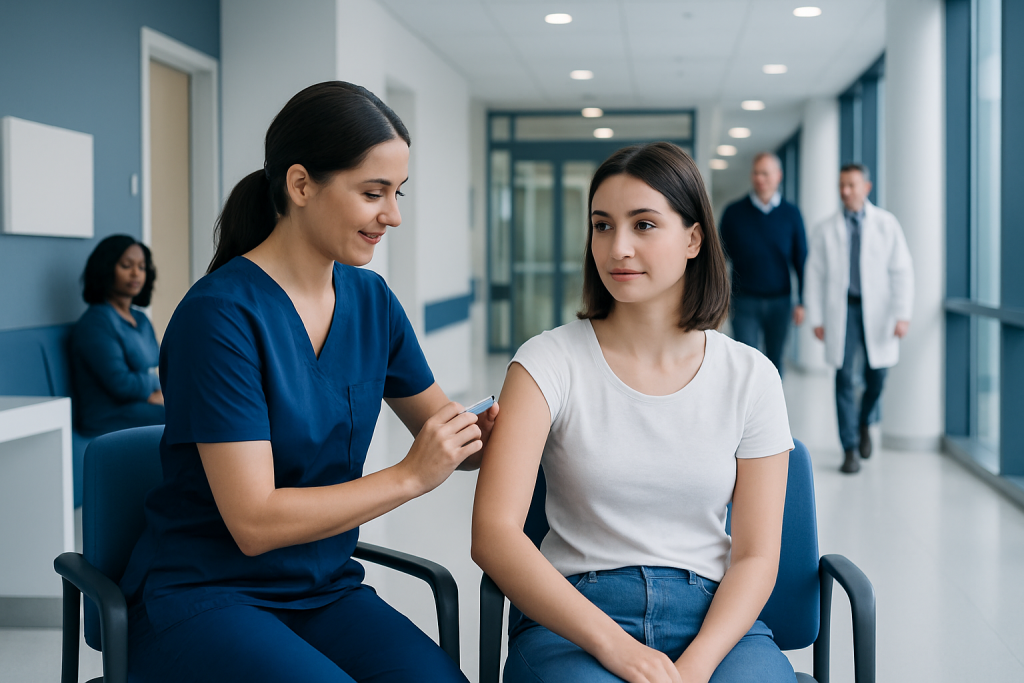
People who start HPV vaccination before age 15 usually receive 2 doses, spaced 6 to 12 months apart. People who start at age 15 or older generally receive 3 doses over 6 months.
Key Takeaways
- People who start HPV vaccination before age 15 usually receive 2 doses, spaced 6 to 12 months apart.
- People who start at age 15 or older generally receive 3 doses over 6 months.
- A first dose begins the immune response, but full protection is expected only after the recommended series is completed.
- Gardasil prevents new HPV infections; it does not treat an existing HPV infection, abnormal screening result, or HPV-related disease.
- Temporary arm soreness, tiredness, headache, or mild fever can occur and usually settle within a few days.
- Routine cervical screening remains important for people with a cervix, even after HPV vaccination.
The Gardasil injection schedule uses two or three doses of HPV vaccine, depending mainly on the age when vaccination begins and whether the person has a weakened immune system. Completing every recommended dose offers the best protection against HPV types linked with certain cancers and genital warts.
Overview: What Is the Gardasil Injection Schedule?
The Gardasil injection schedule is a planned series of injections that protects against human papillomavirus (HPV). HPV is a very common virus that can spread through intimate skin-to-skin sexual contact. Some HPV types can cause cancers, including cervical, anal, penile, vaginal, vulvar, and throat cancers, while others can cause genital warts.
Gardasil 9 is the HPV vaccine widely used in many countries. The usual schedule is based on the age at which vaccination starts. Those who begin before their 15th birthday generally need two injections, while those who begin at age 15 or older generally need three. A clinician can confirm the appropriate plan according to local vaccination guidance and the person’s health history.
The vaccine works best when given before exposure to the HPV types it prevents. However, vaccination may still be beneficial for eligible adults who have already become sexually active, because they may not have encountered all vaccine-covered HPV types.
How Gardasil Works and What It Can Prevent
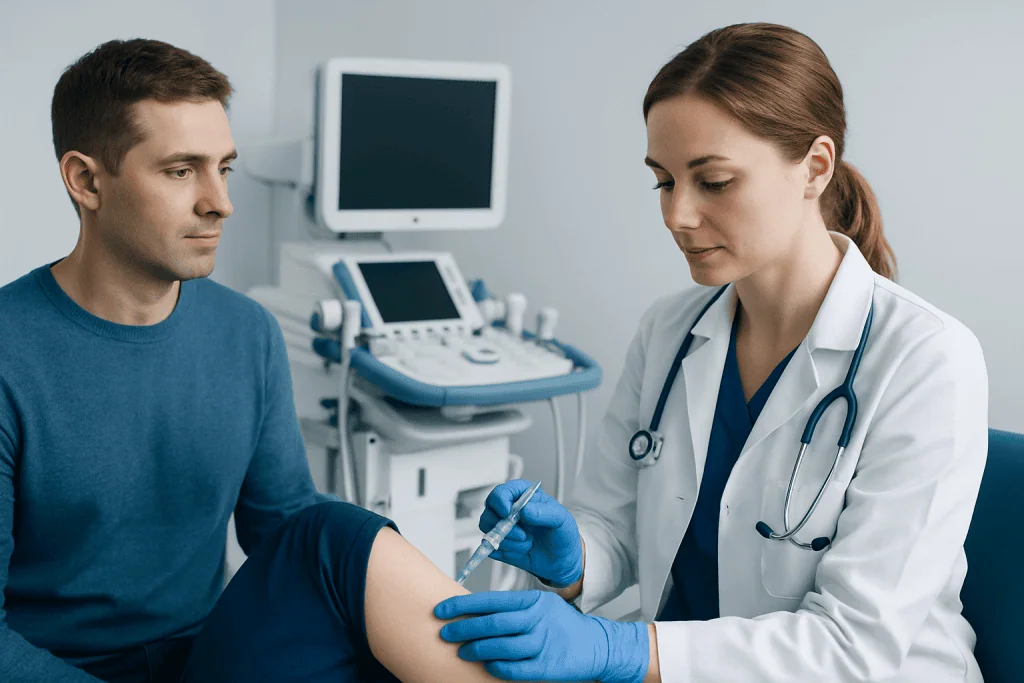
Gardasil does not contain live HPV and cannot cause an HPV infection. It contains virus-like particles that train the immune system to recognize selected HPV types. After vaccination, the body produces antibodies that can help prevent infection if it encounters those HPV types later.
Gardasil 9 protects against HPV types responsible for most HPV-related cancers and genital warts. It is preventive rather than therapeutic: it does not remove HPV already present in the body, clear genital warts, or treat abnormal cervical cells. People with a known HPV infection can discuss individual benefits with a qualified clinician.
HPV vaccination is one part of prevention. Barrier methods can lower, but not completely eliminate, HPV transmission because HPV can infect skin not covered by a barrier. People with a cervix should continue recommended cervical screening after vaccination, because the vaccine does not protect against every cancer-causing HPV type.
Who Can Receive Gardasil?
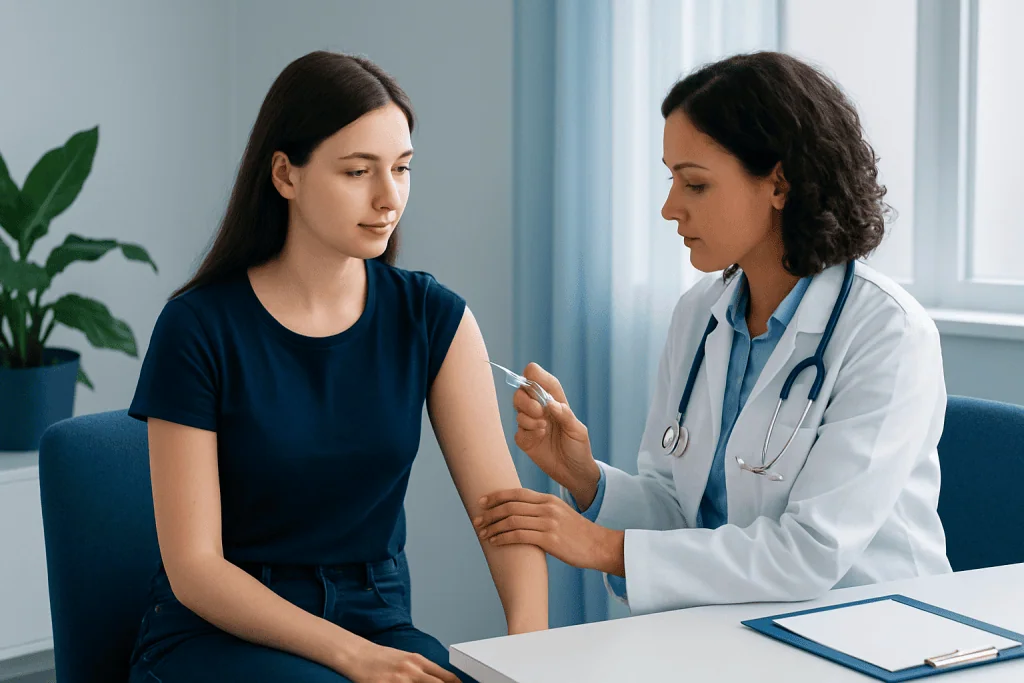
HPV vaccination is routinely recommended for children and adolescents in many health systems, often beginning around ages 11 or 12. It can be started from age 9. Vaccinating at younger ages produces a strong immune response and helps provide protection before possible HPV exposure.
People who were not vaccinated at the routine age may be eligible for catch-up vaccination. In many guidelines, catch-up vaccination is recommended through age 26. For adults aged 27 to 45, the decision may be individualized with a healthcare professional, taking into account past vaccination, likely future exposure, and personal circumstances.
People with immune system conditions or those using medicines that suppress immunity generally receive the three-dose series, even when vaccination begins before age 15. Gardasil is not usually given during pregnancy, although receiving a dose before realizing one is pregnant is not generally considered a reason for alarm. Remaining doses are commonly postponed until after pregnancy. People who have had a severe allergic reaction to a previous dose or a vaccine ingredient should not receive further doses without specialist advice.
Gardasil Injection Schedule: Dose Timing and Appointment Steps
For individuals who start before age 15, the standard schedule is two doses. The first injection is followed by a second injection 6 to 12 months later. If the two doses are given less than five months apart, an additional dose may be needed to ensure an adequate immune response.
For people who start at age 15 or older, and for immunocompromised individuals, the usual schedule is three doses. The second injection is usually given 1 to 2 months after the first, and the third is given about 6 months after the first. Exact timing can vary slightly under national guidance. If an appointment is delayed, the series usually does not need to be restarted; the next dose is simply given as soon as practical.
At the appointment, a clinician checks relevant medical information, explains expected effects, and gives the vaccine as an injection into the upper arm. The person is normally asked to sit or lie down briefly afterward. Fainting can occur after injectable vaccines, particularly in adolescents, so observation for about 15 minutes is commonly recommended.
- Start before age 15: 2 doses, typically 6 to 12 months apart.
- Start at age 15 or older: 3 doses at 0, 1 to 2, and 6 months.
- Immune suppression: usually 3 doses, regardless of starting age.
- Missed or late dose: continue the series; restarting is generally unnecessary.
How Long Does It Take for the Gardasil Vaccine to Work?
The immune system starts responding after the first Gardasil injection, but protection develops over time and strengthens with each recommended dose. There is no exact day when every person becomes fully protected, as immune responses differ between individuals.
For this reason, clinicians consider protection most reliable after completion of the full age-appropriate vaccine series. A person should not assume that one injection provides the same level of protection as two or three doses. Completing the planned schedule on time, where possible, gives the best chance of a durable response.
Gardasil protects against new infections with covered HPV types. It does not immediately change the course of an infection acquired before vaccination. Regular preventive care, including cervical screening when appropriate, remains important.
Am I Protected From HPV After the First Shot?
A first shot can begin to provide some immune protection, but it should not be viewed as complete protection from HPV. The recommended two- or three-dose schedule is designed to build and reinforce the immune response.
It is also important to understand that no HPV vaccine prevents every HPV type. Vaccinated people can still acquire HPV types not included in the vaccine and may still need routine screening. The vaccine is highly valuable because it targets HPV types that cause a large proportion of HPV-related cancers and genital warts.
Until the series is complete, and afterward as well, safer-sex practices can help reduce the risk of HPV and other sexually transmitted infections. A healthcare professional can provide personalized prevention advice based on age, vaccination history, and sexual health needs.
What to Expect After an HPV Shot and Does Gardasil Make You Tired?
Most people can return to school, work, and normal daily activities after an HPV shot. The most common effects are pain, redness, swelling, itching, or tenderness at the injection site. These are usually mild and improve within a few days.
Some people experience tiredness, headache, mild fever, nausea, dizziness, or muscle and joint aches after Gardasil. Therefore, yes, the Gardasil shot can make some people feel tired temporarily. Rest, fluids, and simple comfort measures are often sufficient, but any medication should be used according to a clinician’s or pharmacist’s advice.
Remaining seated or lying down for the observation period after injection is important, especially for teenagers, because fainting can happen after vaccination. Serious allergic reactions are very rare, but vaccine providers are trained and equipped to respond promptly should one occur.
Benefits, Risks, Follow-Up and When to Seek Medical Care
The main benefit of Gardasil is prevention of infections caused by vaccine-covered HPV types before exposure occurs. By reducing these infections, vaccination can lower the risk of several HPV-related cancers and genital warts. The vaccine has been extensively studied and monitored, and its safety profile is well established.
Seek urgent medical care after vaccination for signs of a severe allergic reaction, such as difficulty breathing, swelling of the face or throat, widespread hives, severe dizziness, or collapse. Contact a clinician for symptoms that are severe, persist, worsen, or cause concern. Mild soreness or fatigue alone usually does not need urgent assessment.
People should keep a record of each dose and arrange the next appointment before leaving the clinic if possible. Acibadem International’s multidisciplinary specialists and JCI-accredited hospitals can assess vaccination needs and provide guidance for international patients. For any questions about eligibility, delayed doses, pregnancy, allergies, or immune conditions, it is sensible to speak with a qualified doctor or vaccination provider.
Frequently asked questions
How many Gardasil injections are needed?
Most people who start HPV vaccination before age 15 need two injections. Those who start at age 15 or older usually need three injections. People with certain immune system conditions generally need three doses regardless of the age they start.
What happens if a Gardasil dose is late?
A delayed dose usually does not mean the series must be restarted. The next dose can generally be given as soon as practical, following advice from the vaccination provider. The provider can confirm the correct timing for the remaining doses.
Can adults get the Gardasil vaccine?
Yes, many adults may be eligible, depending on their age, vaccination history, and local guidance. Catch-up vaccination is commonly recommended through age 26, while adults aged 27 to 45 may benefit in selected circumstances. A clinician can help assess whether vaccination is appropriate.
Does Gardasil treat an existing HPV infection?
No. Gardasil prevents future infection with HPV types included in the vaccine but does not treat an existing HPV infection. It also does not treat genital warts, abnormal cervical screening results, or HPV-related cancer.
Can Gardasil be given during pregnancy?
HPV vaccination is generally postponed during pregnancy as a precaution. If a dose was given before pregnancy was known, this is not usually considered harmful, but the remaining doses are commonly delayed until after pregnancy. A prenatal care clinician can provide individual advice.
Do vaccinated people still need cervical screening?
Yes. HPV vaccination does not replace cervical screening because it does not cover every cancer-causing HPV type. People with a cervix should follow the screening schedule recommended in their country and for their individual health history.
References
- World Health Organization
- Centers for Disease Control and Prevention
- European Centre for Disease Prevention and Control
- U.S. Food and Drug Administration
- American Cancer Society
This article is for general information only and is not a substitute for professional medical advice. Please consult a qualified doctor about your individual situation.
Explore treatments in Turkey — costs, top hospitals & a free quote
JCI-accredited · board-certified surgeons · reply within 24h
Add us as a Preferred Source to see more of our trusted health content across Google Search, AI Overviews and Discover.