Cervical Cancer Screening News: How It Works, Results and What to Expect

HPV testing is increasingly used as the main cervical cancer screening test because persistent high-risk HPV causes most cervical cancers. A positive HPV result is common and does not mean cancer is present; it helps guide the next screening or diagnostic step.
Key Takeaways
- HPV testing is increasingly used as the main cervical cancer screening test because persistent high-risk HPV causes most cervical cancers.
- A positive HPV result is common and does not mean cancer is present; it helps guide the next screening or diagnostic step.
- Screening may involve an HPV test, a Pap test (cytology), or both, depending on age, medical history and local guidelines.
- Most people can return to usual activities immediately after a screening appointment.
- Unusual bleeding, persistent pelvic pain or pain during sex should be assessed even when a recent screening test was normal.
Cervical cancer screening news reflects an important shift toward HPV-based testing, which can identify people at increased risk years before cancer may develop. Screening is preventive care: an abnormal result usually means follow-up is needed, not that a person has cervical cancer.
Cervical Cancer Screening News: What the Updates Mean
Cervical cancer screening news increasingly focuses on HPV testing. This test looks for high-risk types of human papillomavirus (HPV), the virus responsible for nearly all cases of cervical cancer. Detecting an HPV infection that persists over time can help clinicians identify cervical cell changes before they become cancer.
Many health systems are moving from Pap testing alone to primary HPV testing, sometimes with self-collected vaginal samples offered in selected settings. The exact screening method and interval differ by country, age and individual health history. A person should follow the programme and advice available where they live, rather than relying on one schedule found online.
Screening is designed for people who have a cervix and do not have symptoms suggestive of cervical cancer. It does not diagnose cancer on its own. Instead, it sorts people into groups who can return for routine screening and those who need closer follow-up, such as repeat testing, a colposcopy examination or a biopsy.
How Cervical Cancer Screening Works
HPV testing checks a sample of cells from the cervix or vagina for genetic material from high-risk HPV types. If high-risk HPV is not found, the chance of developing significant cervical cell changes in the near future is low. If it is found, the laboratory may perform further testing on the same sample, such as cytology, to look for abnormal cervical cells.
A Pap test, also called cervical cytology, examines cervical cells under a microscope for changes that may be caused by HPV. In co-testing, an HPV test and Pap test are performed together. Screening methods vary because national recommendations balance effectiveness, availability and the person’s age and past results.
When a screening result suggests a possible abnormality, a clinician may recommend colposcopy to examine the cervix more closely. During this outpatient assessment, a magnifying instrument remains outside the body while the clinician views the cervix and may take a small tissue sample if needed. A biopsy can confirm whether cell changes are present and how significant they are.
Who Should Have Screening and How to Prepare
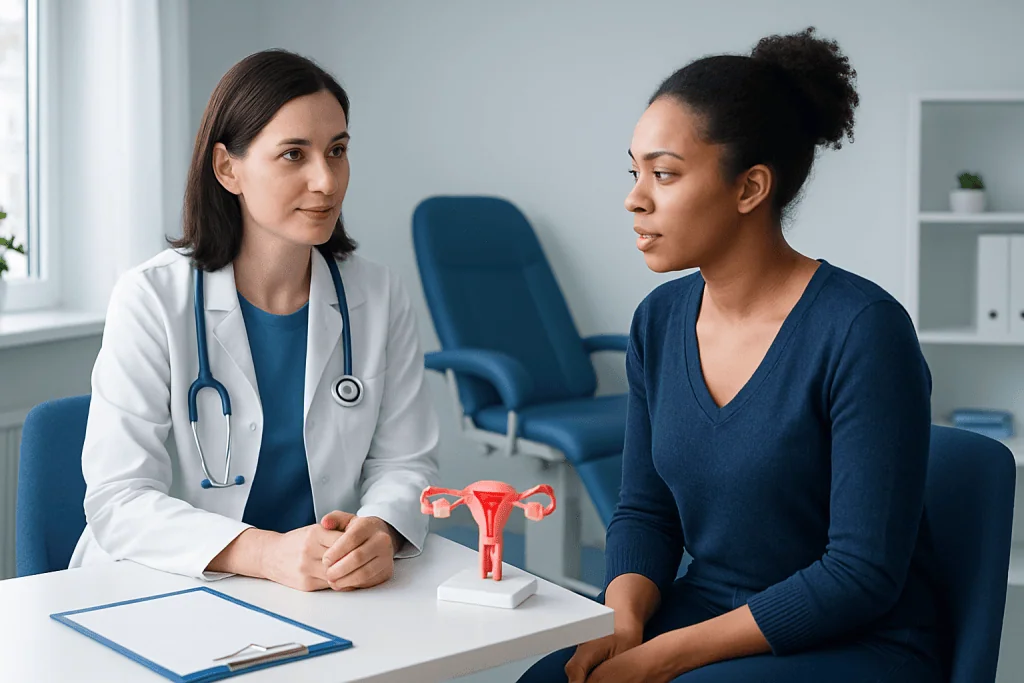
Screening recommendations depend on a person’s age, whether they have a cervix, prior screening results, HPV vaccination status, immune health and any history of cervical precancer. People with a weakened immune system, including some people living with HIV or taking immune-suppressing medicines, may need screening more often. Those who have had treatment for high-grade cervical changes may also need longer-term surveillance.
People who have had a total hysterectomy, including removal of the cervix, may not require routine cervical screening if surgery was not performed for cancer or high-grade precancer. However, this decision should be based on their surgical and pathology history. A clinician can clarify whether screening remains appropriate.
Before an appointment, it can be helpful to ask whether menstruation will affect sample collection and whether vaginal medicines, lubricants or intercourse should be avoided for a short time beforehand. These instructions differ between services. A person should also tell the clinician about pregnancy, past difficult examinations, pain, trauma concerns or any symptoms such as bleeding after sex.
What Happens During the Procedure and Afterwards
At a clinic-based appointment, the person undresses from the waist down and lies on an examination couch. A clinician gently places a speculum into the vagina to see the cervix. A small soft brush collects cells from the cervix; the sample is then sent to a laboratory for HPV testing, cytology or both.
The collection itself usually takes only a few minutes. Some people experience pressure, brief discomfort or light cramping, while others find it painless. Slow breathing, asking the clinician to explain each step and requesting a smaller speculum where appropriate may make the experience more comfortable. A person can ask to pause or stop the examination at any point.
There is no recovery period after a routine cervical screening sample. Most people return to work, exercise and other normal activities immediately. Light spotting can occur, particularly if the cervix is sensitive, but it should settle quickly. Heavy bleeding, worsening pain, fever or unusual discharge is not expected after routine screening and should be discussed with a healthcare professional.
The benefits of screening are early detection and prevention of cervical cancer through follow-up and treatment of important precancerous changes. Risks are generally minor and include temporary discomfort, spotting and anxiety while waiting for results. Screening can also lead to additional testing for abnormalities that might never progress, which is why follow-up recommendations are tailored to the level of risk.
How Long Does It Take to Get Cervical Cancer Screening Results Back?
Results often arrive within a few days to a few weeks, but the timing depends on the laboratory, local screening programme and whether additional analysis is needed. Some services send results by letter, secure online portal, telephone call or through the clinician who performed the test.
If a result takes longer than expected, it does not necessarily indicate a problem. Laboratories may need to repeat an analysis, assess the sample more closely or manage a high volume of tests. A person who has not received results within the timeframe given by their clinic can contact the service for an update.
Results may state that high-risk HPV was not detected, that HPV was detected but no concerning cell changes were seen, that repeat testing is advised, or that a colposcopy referral is recommended. The report should explain the next step. It is important to attend follow-up appointments even when there are no symptoms.
How Serious Is a Positive HPV Test?
A positive high-risk HPV test is not a cancer diagnosis. HPV is very common, can be passed through intimate skin-to-skin sexual contact, and often clears naturally without causing health problems. A positive result means that a high-risk HPV type was found and that the cervix may need further assessment or repeat testing at a recommended interval.
The main concern is persistent infection with a high-risk HPV type, especially when it is accompanied by abnormal cervical cells. Cervical cell changes usually develop gradually, which is why regular screening and appropriate follow-up are effective ways to prevent many cervical cancers. Clinicians use the HPV result, cytology findings, past screening history and other factors to determine individual risk.
HPV can remain inactive for years, so a positive result cannot determine when it was acquired or from whom. It does not indicate infidelity, poor hygiene or a personal failure. Vaccination remains valuable for many eligible people because it protects against several high-risk HPV types, although vaccinated people should still follow recommended screening guidance.
What Is the Latest Update on Cervical Cancer Screening?
The most important ongoing update is the broader adoption of HPV-based screening as the primary approach in many countries. Compared with cytology alone, HPV testing is highly sensitive for identifying people at risk of cervical precancer. When the test is negative, it may allow longer intervals between screening tests in eligible people, according to local guidance.
Another development is the gradual expansion of HPV self-sampling in certain programmes. With this approach, a person collects a vaginal sample themselves using a supplied device, usually in a healthcare setting or through an approved screening programme. It can improve access for people who find speculum examinations difficult or who have not attended screening, but availability and follow-up pathways differ by region.
Screening innovation does not replace the need for assessment of symptoms. Anyone with abnormal bleeding, a persistent change in vaginal discharge or pelvic symptoms should seek medical advice even if they are up to date with screening. Screening tests are preventive tools and may not detect every cause of symptoms.
What Is the 2 Week Rule for Cervical Cancer?
The “2 week rule” is commonly used in some healthcare systems to describe an urgent referral pathway for people with symptoms that could indicate cancer. It is not a universal cervical cancer screening rule, and the exact referral criteria and timing vary between countries and services. An urgent referral does not mean that cancer is likely; it means prompt specialist assessment is appropriate.
Symptoms that may warrant urgent evaluation include unexplained bleeding after sex, bleeding between periods, bleeding after menopause, persistent unusual vaginal discharge, ongoing pelvic pain or pain during sex. These symptoms are often caused by non-cancerous conditions, such as infection, cervical polyps or hormonal changes, but they should not be ignored.
When cervical abnormalities need specialist evaluation, care may involve gynecology, pathology, radiology and oncology teams. For confirmed cervical cancer, treatment planning may include surgery, radiotherapy, chemotherapy or combinations of these approaches depending on the stage and individual circumstances. Cervical cancer information can help patients understand the condition and the role of specialist assessment.
Acibadem International’s multidisciplinary specialists and JCI-accredited hospitals diagnose and treat cervical conditions and cancers for international patients, with care plans based on clinical findings and individual needs.
Frequently asked questions
Does cervical cancer screening hurt?
Most people describe cervical screening as uncomfortable rather than painful. The speculum may cause pressure, and the cell collection brush can cause brief cramping or a scratch-like sensation. Sharing concerns with the clinician beforehand may help them adapt the examination where possible.
Can a person have HPV with a normal Pap test?
Yes. An HPV test can be positive when cytology is normal because HPV infection can be present before it causes visible cell changes. Depending on the HPV type and previous results, the usual next step may be repeat testing after a defined interval or further assessment.
Does the HPV vaccine mean cervical screening is no longer needed?
No. HPV vaccination substantially reduces the risk from certain HPV types, but it does not prevent every cervical cancer. Vaccinated people should continue screening according to the recommendations in their country and their clinician's advice.
What happens if a cervical screening sample is inadequate?
An inadequate or unsatisfactory sample means the laboratory could not reliably assess it, often because there were too few cells or the sample was obscured by blood or inflammation. It does not mean that abnormal cells or cancer were found. The clinic will usually ask the person to repeat the test.
Can cervical cancer develop between screening tests?
Cervical cancer can rarely develop between scheduled screening tests, which is why symptoms should always be checked. Regular screening lowers risk but does not guarantee that every abnormality will be detected. New or persistent bleeding, pelvic pain or unusual discharge should be assessed promptly.
Should someone have screening during pregnancy?
A person may be able to have routine cervical screening during pregnancy, but the best timing depends on their history, gestational stage and local guidance. They should tell the screening provider that they are pregnant. Follow-up of abnormal results can usually be planned safely with an experienced clinician.
References
- World Health Organization
- International Agency for Research on Cancer
- American Cancer Society
- U.S. Centers for Disease Control and Prevention
- American College of Obstetricians and Gynecologists
This article is for general information only and is not a substitute for professional medical advice. Please consult a qualified doctor about your individual situation.
Cervical Cancer in Turkey — costs, top hospitals & a free quote
JCI-accredited · board-certified surgeons · reply within 24h
Add us as a Preferred Source to see more of our trusted health content across Google Search, AI Overviews and Discover.

Medical Oncology Department
Medical treatment of cancer with chemotherapy, immunotherapy and targeted therapies under a multidisciplinary tumor board.
60 specialists in this unit