Ab Therapy for Autism: How It Works, Results and What to Expect

ABA therapy uses observation, individualized goals and positive reinforcement to support meaningful skills. Progress may be gradual and varies with the person’s needs, goals, setting and consistency of support.
Key Takeaways
- ABA therapy uses observation, individualized goals and positive reinforcement to support meaningful skills.
- Progress may be gradual and varies with the person’s needs, goals, setting and consistency of support.
- ABA is not a cure for autism and should not aim to suppress harmless autistic traits or change a person’s identity.
- A high-quality plan is collaborative, assent-aware, strengths-based and adjusted when it is not helping.
- Autistic people may also benefit from speech-language, occupational, educational, mental health and medical support.
AB therapy for autism commonly refers to applied behavior analysis (ABA), a structured, individualized approach that helps people develop practical skills and reduce barriers to daily participation. Its usefulness depends on the person’s goals, preferences, quality of care and whether therapy is respectful, flexible and regularly reviewed.
Overview: What Is AB Therapy for Autism?
“AB therapy for autism” is commonly used to mean applied behavior analysis, or ABA therapy. ABA is a behavioral and educational approach that examines how a person’s environment, routines and interactions affect everyday behavior. It uses this information to teach skills that can improve communication, learning, independence, safety and participation in home, school or community life.
ABA is not a medication or medical procedure, and it does not cure autism. A person-centered program should focus on goals that matter to the autistic person and family, such as requesting help, managing transitions, building self-care skills or participating more comfortably in school. It should respect neurodiversity and avoid treating harmless differences, such as preferred movement, communication style or interests, as problems to eliminate.
Autism is a spectrum, so needs and strengths differ widely. Some people need support with communication, daily living or distressing behaviors; others need accommodations, social understanding or help with anxiety. A comprehensive plan may include ABA alongside other services and appropriate assessment for related needs.
How ABA Therapy Works
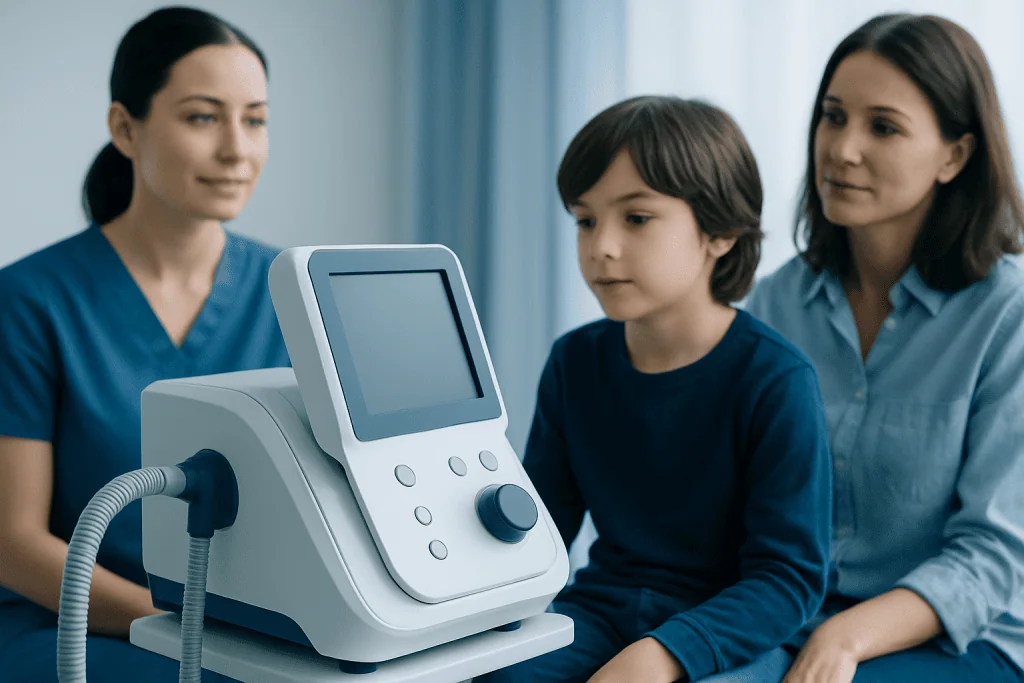
ABA therapy begins by defining a practical goal and identifying what makes that goal easier or harder in real settings. A therapist may observe routines, speak with the autistic person and caregivers, and consider communication, sensory needs, sleep, health, school demands and emotional wellbeing. The aim is to understand the purpose a behavior may serve rather than simply stopping it.
Skills are commonly taught in small, manageable steps. The therapist may use modeling, visual supports, prompts, practice in everyday routines and positive reinforcement. Reinforcement means responding to a useful skill in a way that makes the skill more likely to be used again; it may involve praise, access to an activity, a break or another preference chosen with the person.
Modern, ethical ABA should be individualized and flexible. It should include opportunities for choice, consent or assent where possible, communication alternatives, regular breaks and teaching in natural environments. Data are collected to see whether supports are helpful, but numbers should never replace the person’s comfort, dignity or voice.
Candidacy and Assessment Before Starting ABA

ABA may be considered for autistic children, adolescents or adults when there are specific, meaningful goals that behavioral teaching can address. Examples include building functional communication, developing routines for dressing or eating, increasing safety skills, coping with changes, learning school-readiness skills or reducing behavior that causes distress, injury or exclusion from activities.
A good assessment does not assume that every autistic person needs intensive therapy. The appropriate type, setting and amount of support vary considerably. Some people may benefit most from a short, focused plan; others may need broader support across settings. Therapy should be tailored to the person’s developmental stage, communication method, sensory profile, culture, strengths and priorities.
Before starting, families can ask how goals will be selected, how the clinician will measure wellbeing as well as skill progress, and how the plan will respond if the person appears distressed. It is also reasonable to ask about therapist training, supervision, safeguarding and how caregivers and schools will be involved.
What Happens During ABA Therapy?
After assessment, the clinician and family develop a written plan with a small number of clear goals. Whenever possible, the autistic person participates in choosing goals and preferred ways of learning. The team establishes a baseline, meaning an initial picture of how often or how independently a skill is currently used, so later changes can be reviewed fairly.
Sessions may take place at home, in school, in a clinic or in community settings. A typical session includes rapport-building, structured or play-based activities, practice of targeted skills, planned breaks and feedback. The therapist may prompt a skill, gradually reduce help as independence grows, and arrange practice in different situations so the skill is not limited to one room or one adult.
Caregivers are often offered coaching so that helpful strategies can be used naturally during meals, play, outings and routines. Reviews should occur regularly. Goals may be continued, adjusted or stopped based on progress, the person’s comfort and whether the skills are genuinely improving everyday life.
Benefits, Limitations and Potential Downsides
When thoughtfully designed, ABA can help some autistic people learn functional communication, daily living, learning, safety and coping skills. It may also help caregivers understand patterns behind difficult moments and create routines that reduce frustration. Benefits are most meaningful when they support autonomy, access, relationships and quality of life rather than conformity.
ABA has limitations. It cannot address every need associated with autism, and it is not a substitute for medical assessment, mental health care, educational accommodations or sensory supports. Outcomes vary, and improvement in a therapy setting does not automatically mean a skill will transfer to daily life without practice in natural environments.
Potential downsides arise when therapy is overly demanding, ignores distress, uses goals that are not meaningful, or focuses on masking autistic traits. Repetitive sessions, poor fit with the therapist or excessive pressure can lead to fatigue, anxiety or avoidance. Families should raise concerns promptly and seek a provider who uses positive, respectful approaches and welcomes feedback.
How Long Does It Take to See Results From ABA Therapy?
There is no single timeline for results. Some early changes, such as improved familiarity with routines, communication supports or a new skill practiced frequently, may become noticeable over weeks. More complex goals, including independent daily living skills or using a skill consistently across home and school, may take months or longer.
Progress depends on the goal, the person’s learning style, co-occurring needs, the quality of the therapeutic relationship, opportunities to practice and whether supports are consistent across settings. A useful program sets realistic review points rather than promising a fixed outcome by a particular date.
Families should expect regular discussion of progress. If data and lived experience show that goals are not improving, or if therapy is causing significant distress, the team should reconsider the goal, teaching method, pace, environment or need for other specialist input.
What Is the Most Successful Treatment for Autism?
There is no single “most successful” treatment for autism because autism affects each person differently. The most helpful care is individualized, strengths-based and based on goals that are important to the autistic person and family. It may combine educational support, communication support, occupational therapy, mental health care, medical care and accommodations at school, work and home.
Speech-language therapy may support communication and feeding needs, while occupational therapy can help with daily activities, sensory needs and participation. Some people benefit from treatment for co-occurring conditions such as anxiety, attention difficulties, sleep problems, epilepsy or gastrointestinal symptoms. These conditions should be assessed separately by qualified clinicians.
ABA can be one component of care when it is appropriate to the person’s goals and delivered ethically. The best plan is one that is reviewed over time, respects the person’s identity and preferences, and supports meaningful participation rather than measuring success only by outward behavior.
How to Tell if ABA Therapy Is Working, and When to Seek Medical Care
ABA therapy may be working when the person is gaining skills that matter to them, using those skills in more than one setting and showing equal or better comfort and wellbeing. Examples may include being able to communicate a need, tolerate a necessary routine with less distress, take part in a preferred activity, or complete a daily task with more independence. Progress should include the person’s experience, caregiver observations and clinician data.
Warning signs that the plan needs review include persistent distress before or during sessions, loss of trust, increasing withdrawal, exhaustion, worsening behavior, goals that feel irrelevant, or pressure to stop harmless self-regulating behaviors. A family can request changes, a second opinion or a different service. Therapy should be collaborative rather than something done to the person.
Medical care should be sought promptly for sudden or major changes in behavior, self-injury, aggression that creates immediate safety concerns, loss of previously acquired skills, suspected pain, seizures, serious sleep disruption, feeding difficulties, or signs of anxiety or depression. These changes may have medical, developmental or environmental causes and deserve professional assessment. Acibadem International’s multidisciplinary specialists and JCI-accredited hospitals can assess autism-related needs and coordinate care for international patients.
Frequently asked questions
Is AB therapy the same as ABA therapy?
In autism-related searches, “AB therapy” usually means ABA, or applied behavior analysis. A qualified provider can explain the specific model they use, the goals of therapy and how it will be adapted to the individual.
How many hours of ABA therapy are needed?
There is no appropriate number of hours for everyone. The amount of therapy should be based on meaningful goals, the person’s age and needs, daily routine, tolerance for therapy and the availability of other supports. More hours are not automatically better.
How to tell if ABA therapy is working?
It is working when the person gains useful skills, can use them in everyday settings and remains comfortable and engaged. Progress reviews should include caregiver feedback and, whenever possible, the autistic person’s own views, not only session data.
What are the downsides of ABA therapy?
ABA can be unhelpful or harmful if it is too intensive, ignores distress, uses nonmeaningful goals or encourages masking of harmless autistic traits. A respectful program should allow choice, breaks, communication of refusal and frequent reassessment.
Can ABA therapy help autistic adults?
Yes, some autistic adults may choose behavioral support for specific goals such as independent living, workplace routines, communication or managing daily tasks. Adult services should be collaborative, autonomy-focused and based on the individual’s priorities.
Is ABA therapy a cure for autism?
No. Autism is a lifelong neurodevelopmental difference, and ABA does not cure it. ABA may help with selected skills and reduce practical barriers when goals are person-centered and the approach is respectful.
References
- Centers for Disease Control and Prevention
- American Academy of Pediatrics
- National Institute of Mental Health
- National Institute for Health and Care Excellence
- Autism Europe
This article is for general information only and is not a substitute for professional medical advice. Please consult a qualified doctor about your individual situation.
Explore treatments in Turkey — costs, top hospitals & a free quote
JCI-accredited · board-certified surgeons · reply within 24h
Add us as a Preferred Source to see more of our trusted health content across Google Search, AI Overviews and Discover.