VNS Implant: An Evidence-Based Patient Guide
A VNS implant is an adjunct treatment, meaning it is usually used together with medicines and ongoing specialist care. The device includes a pulse generator under the skin of the chest and a lead connected to the left vagus nerve in the neck.
Key Takeaways
- A VNS implant is an adjunct treatment, meaning it is usually used together with medicines and ongoing specialist care.
- The device includes a pulse generator under the skin of the chest and a lead connected to the left vagus nerve in the neck.
- Benefits usually build gradually over months, and device settings can be adjusted to balance symptom control and side effects.
- Common stimulation-related effects include temporary hoarseness, throat discomfort, cough, or shortness of breath during stimulation.
- MRI, surgery, and other procedures require planning because device-specific safety rules and VNS implant restrictions apply.
- Patients should keep their VNS implant card with them and tell healthcare professionals about the device before treatment or imaging.
A VNS implant is a small, implanted device that sends gentle electrical signals to the left vagus nerve in the neck. It is most often used alongside medicines for drug-resistant epilepsy and, in selected settings, treatment-resistant depression; it does not remove the underlying condition but may reduce symptoms for some people.
What Is a VNS Implant and How Does It Work?
A VNS implant, or vagus nerve stimulation implant, is a medical device that delivers small electrical pulses to the left vagus nerve. The vagus nerve carries signals between the brain and several parts of the body. In epilepsy, the treatment is intended to influence brain networks involved in seizures; in some countries and carefully selected situations, it may also be considered for treatment-resistant depression.
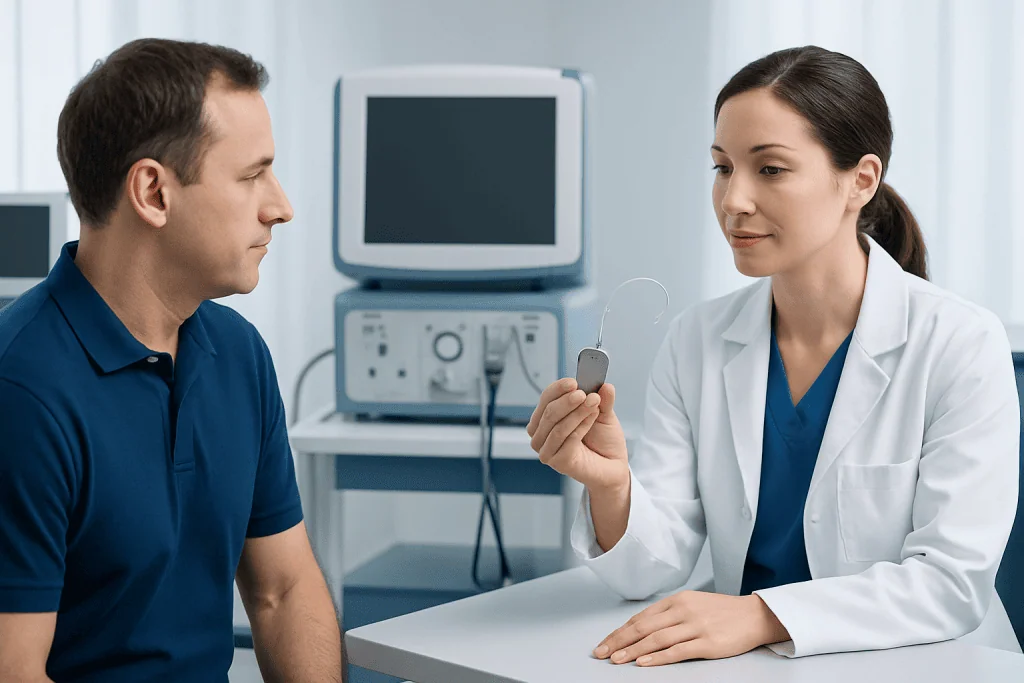
The system has two main parts: a small battery-powered pulse generator placed beneath the skin in the upper chest, and a thin lead placed around the left vagus nerve in the neck. The generator sends programmed stimulation automatically at intervals. Many systems also allow the person or caregiver to use a magnet for an extra programmed stimulation when a seizure starts or warning symptoms occur.
VNS is not brain surgery, and it is not designed to replace all other treatments immediately. It is typically part of a long-term care plan that may include anti-seizure medicines, regular neurological review, safety planning, and assessment for other epilepsy treatments when appropriate.
VNS Implant Indications and Who May Be a Candidate
The main VNS implant indications are for people with focal epilepsy whose seizures continue despite appropriate trials of anti-seizure medicines, especially when surgery to remove a seizure focus is not suitable, has not worked, or is not preferred. It can be considered for adults and children, although eligibility, expected benefits, and local approvals differ by age, diagnosis, and country.
Before recommending VNS, an epilepsy team generally confirms the seizure type and diagnosis, reviews medication history, and considers whether other treatments may be more suitable. This assessment can include detailed seizure history, EEG testing, brain imaging, neuropsychological evaluation, and discussion in a multidisciplinary epilepsy meeting. People with epilepsy may also benefit from learning about epilepsy and its wider treatment options.
For depression, VNS is a highly specialized option and is not a first-line treatment. A psychiatrist and other relevant specialists carefully assess the history of depression, previous therapies, mental health needs, physical health, and the regulations that apply in the person’s country. The decision should be individualized and based on informed discussion of realistic goals.
Who Should Not Use a Vagus Nerve Stimulation Device?

There are no identical rules for every device model, but certain people may not be suitable for a vagus nerve stimulation device or may need extra assessment. A previous surgical procedure that cut the left vagus nerve is generally a contraindication. Significant medical conditions affecting breathing, swallowing, heart rhythm, or the neck may also change whether VNS is appropriate and how it is managed.
Known or suspected sleep apnea deserves particular attention because stimulation can affect breathing in some people. People with heart disease, arrhythmias, an implanted pacemaker or defibrillator, or a history of fainting should have coordinated assessment with the relevant specialists. Pregnancy planning, bleeding disorders, infection, prior neck surgery, and allergies should also be discussed before surgery.
VNS implant contraindications and precautions depend on the specific device and intended use. The implanting team will review the manufacturer’s instructions, the person’s medical history, and alternatives before proceeding. A person should never turn device settings on or off, or use the magnet in an unfamiliar way, without guidance from their VNS team.
What Happens During VNS Implant Surgery?
VNS surgery is usually performed under general anesthesia. The surgeon makes a small incision in the left side of the neck to identify the vagus nerve and gently place the lead around it. A second small incision is made in the upper chest, where the pulse generator is positioned beneath the skin and connected to the lead.
The system is tested during the operation to check that it is connected and functioning as expected. The incisions are then closed and covered. The procedure commonly takes a few hours, although the total time at the hospital may be longer because of preoperative preparation and recovery from anesthesia.
In many cases, the device is not activated at its full therapeutic settings immediately. The clinician often starts stimulation after the wounds have begun to heal, then gradually adjusts settings at follow-up visits. This allows the care team to assess comfort, side effects, seizure patterns, and response over time. For broader information about surgical approaches, patients can review epilepsy surgery with their specialist.
Recovery, Follow-Up and Daily Living With a VNS Implant
Recovery varies, but many people return home on the day of surgery or after a short hospital stay. Neck and chest soreness, mild bruising, and tiredness are common in the early days. The surgical team provides individualized guidance on wound care, showering, activity, driving, work, and when it is safe to resume exercise or lifting.
Follow-up appointments are important because VNS treatment is adjusted over time. During stimulation, some people notice hoarseness, a change in voice, throat tingling, cough, or a brief sensation of breathlessness. These effects often occur only while the device is active and can sometimes be improved by changing the settings.
Patients should carry their VNS implant card or other device identification at all times. It identifies the device model and gives important information for emergency teams, surgeons, dentists, imaging staff, and airport security personnel. The generator battery does not last forever, so a planned replacement procedure is needed when the device indicates low battery life.
- Tell every healthcare professional about the implant before a procedure.
- Ask the VNS team before using treatments involving electrical current or strong energy fields.
- Continue seizure medicines unless the prescribing clinician advises a change.
- Keep a seizure and side-effect diary to support device programming decisions.
Can You Have an MRI if You Have a VNS Implant?
Many people with a VNS implant can have an MRI, but only under specific conditions that depend on the exact device model, lead type, body area being scanned, MRI machine, and scan settings. MRI-related heating or device effects can occur if the required safety conditions are not followed. The radiology department and VNS team must therefore confirm MRI eligibility before the scan is booked.
The patient should provide their VNS implant card and device details well in advance. The treating clinician may need to check the system and temporarily change or turn off stimulation before imaging, then restore the prescribed settings afterward. Some MRI examinations have stricter limitations than others, especially scans involving the chest or areas close to the generator and lead.
This does not mean MRI is automatically unavailable. It means that imaging must be planned carefully using current manufacturer guidance. Other medical procedures, including electrosurgery, therapeutic ultrasound, radiation treatment, and electrical stimulation therapies, may also require special precautions or coordination with the implanting team.
What Is the Best Time of Day to Use a Vagus Nerve Stimulator?
For most implanted VNS systems, there is no single “best” time of day to use the device because it is programmed to provide automatic stimulation throughout the day and night. The treating clinician determines settings such as current, pulse width, frequency, on-time, and off-time based on seizure control, tolerability, sleep, and daily activities.
If a magnet is supplied, it may be used according to the individualized instructions provided by the epilepsy team. Some people use it at the start of a seizure, during an aura, or when a caregiver observes a seizure. The magnet may also be used in particular situations to temporarily pause stimulation, but only when the patient has been taught how and when to do so.
Sleep-related symptoms, voice effects, exercise discomfort, and seizure timing should be reported at follow-up. These details can help the clinician decide whether programming changes may be useful. Adjustments should always be made by trained professionals rather than by the patient independently.
How Risky Is VNS Surgery and When to Seek Medical Care
VNS surgery is an established procedure, but no operation is risk-free. Risks include bleeding, infection, reactions to anesthesia, pain, scarring, lead or generator problems, and the need for future revision or battery replacement. Less common but important complications can include injury or irritation of nearby nerves, changes in voice or swallowing, breathing effects, and heart rhythm changes during or around surgery.
For many suitable patients, potential benefits include fewer seizures, less severe seizures, improved recovery after seizures, or better quality of life. Results differ substantially between individuals, and improvement often develops gradually rather than immediately. Some people have limited benefit, so regular review remains essential.
Urgent medical advice is needed for fever, increasing redness, swelling, drainage, severe or worsening pain around an incision, chest pain, fainting, marked shortness of breath, new difficulty swallowing, or a major change in seizures. Emergency care is appropriate for a prolonged seizure, repeated seizures without recovery, serious injury, or any symptom that feels immediately life-threatening.
Questions about a VNS implant CPT code are best directed to the hospital billing or insurance team, as coding can vary by procedure, device service, country, and payer requirements. Acibadem International’s multidisciplinary specialists and JCI-accredited hospitals can assess and treat suitable international patients through coordinated neurology, neurosurgery, imaging, and rehabilitation care.
Frequently asked questions
How long does it take for a VNS implant to work?
Some people notice changes after the device is activated and adjusted, but benefits commonly build over several months or longer. The response is assessed through seizure frequency, seizure severity, recovery time, side effects, and quality of life. Regular programming visits are an important part of treatment.
Does a VNS implant cure epilepsy?
No. A VNS implant does not cure epilepsy or remove the cause of seizures. It is an add-on therapy that may reduce seizure burden for some people and can be used alongside medicines and other epilepsy care.
Can a person feel the VNS device working?
Some people feel stimulation in the throat or notice a brief voice change, cough, tingling, or altered breathing sensation while the device is on. Others notice little or nothing. If sensations are troublesome, the clinical team may be able to adjust the settings.
Can the VNS implant be removed?
A VNS system can sometimes be removed or revised when medically necessary, such as for infection, malfunction, or a change in treatment plan. Whether the lead is fully removed depends on surgical factors and the person’s individual situation. This decision should be made with an experienced neurosurgical team.
Are there activity restrictions after VNS implantation?
There are temporary restrictions while incisions heal, particularly around strenuous activity, heavy lifting, and movements that could strain the neck or chest. Longer-term restrictions depend on the device model and the person’s health needs. The VNS team should be consulted before procedures or exposure to equipment that may interfere with the device.
Will I still need epilepsy medicine after VNS surgery?
Most people continue anti-seizure medicine after VNS implantation, especially during the early treatment period. Medication changes should only be made by the prescribing neurologist after careful review of seizure control and side effects. Stopping medicines suddenly can increase seizure risk.
References
- International League Against Epilepsy
- National Institute of Neurological Disorders and Stroke
- U.S. Food and Drug Administration
- Epilepsy Foundation
- National Health Service
This article is for general information only and is not a substitute for professional medical advice. Please consult a qualified doctor about your individual situation.
Explore treatments in Turkey — costs, top hospitals & a free quote
JCI-accredited · board-certified surgeons · reply within 24h
Add us as a Preferred Source to see more of our trusted health content across Google Search, AI Overviews and Discover.

More from the Health Library



Related Specialists
Prof. Dr. Safa Gürsoy
Orthopedic Surgery & Traumatology
Dr. Ahmet Körceğiz
Pediatrics
Assoc. Prof. Dr. Rıza Gürhan Işıl
General Surgery
Prof. Dr. Erhan Serin
Orthopedic Surgery & Traumatology