Hormone Replacement Therapy for Men: Procedure, Recovery and Results

TRT is considered when symptoms occur alongside consistently low morning testosterone levels. Treatment may be delivered by injections, gels, patches, pellets, or other clinician-selected preparations.
Key Takeaways
- TRT is considered when symptoms occur alongside consistently low morning testosterone levels.
- Treatment may be delivered by injections, gels, patches, pellets, or other clinician-selected preparations.
- Benefits can include improved sexual symptoms, energy, mood, muscle mass, and bone health, but responses vary.
- TRT can reduce sperm production and testicular size, so fertility plans should be discussed before treatment.
- Regular blood tests and clinical follow-up help clinicians adjust treatment and monitor safety.
Hormone replacement therapy for men usually refers to testosterone replacement therapy (TRT), a prescribed treatment for men with symptoms and repeatedly confirmed low testosterone levels. It can improve selected symptoms for appropriate patients, but requires careful assessment and ongoing medical monitoring.
Overview: What Is Hormone Replacement Therapy for Men?
Hormone replacement therapy for men most often means testosterone replacement therapy, commonly called TRT. It replaces testosterone when the body is not producing enough of this hormone and a man has compatible symptoms, such as reduced sexual desire, erectile difficulties, low energy, loss of muscle mass, low mood, or reduced body hair.
Testosterone naturally changes throughout life and can temporarily fall during illness, poor sleep, significant weight change, certain medicines, or heavy alcohol use. For this reason, a single low result does not diagnose testosterone deficiency. A clinician usually confirms the diagnosis with symptoms, a physical assessment, and at least two early-morning blood tests showing low testosterone.
TRT is not intended as an anti-aging treatment or a routine solution for tiredness alone. The goal is to restore hormone levels to an appropriate range and address symptoms while considering the person’s overall health, preferences, reproductive plans, and possible underlying causes.
How TRT Works and Who May Be a Candidate
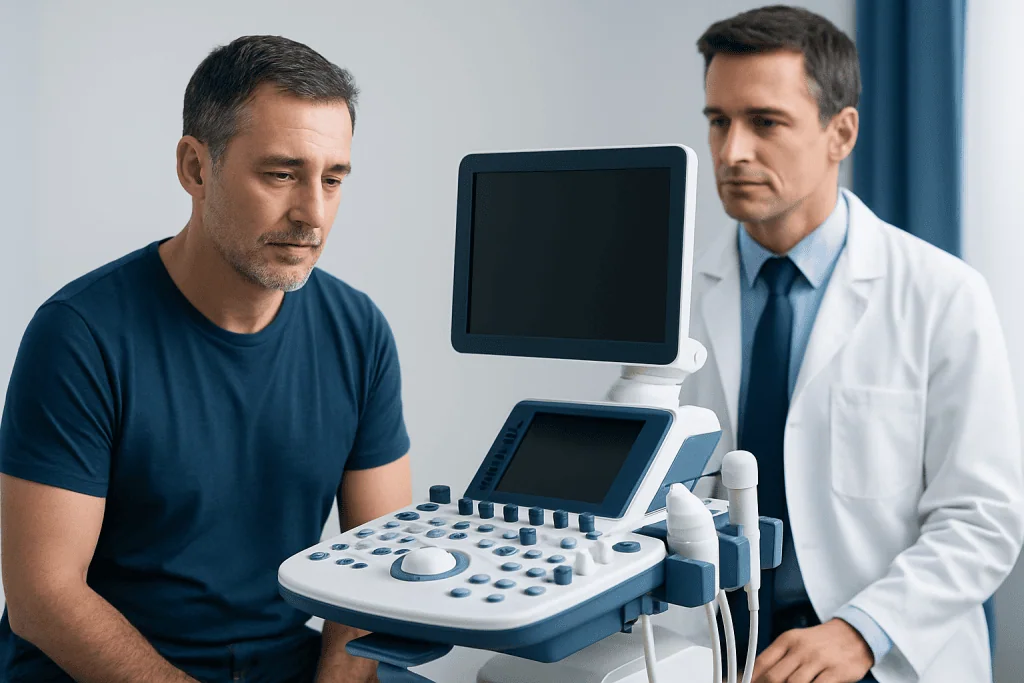
Testosterone is made mainly in the testicles under signals from the brain and pituitary gland. TRT supplies testosterone from outside the body, which may relieve symptoms caused by genuine testosterone deficiency. It does not correct every possible cause of fatigue, low libido, or changes in mood, so a broad medical evaluation remains important.
Potential candidates are generally adults with persistent symptoms and consistently low testosterone measured correctly. The evaluation may include medical history, physical examination, repeat morning testosterone testing, blood count, prostate assessment when appropriate, and tests for related conditions such as thyroid disease, diabetes, obesity, sleep apnea, pituitary disorders, or medication effects.
Clinicians take particular care when a person is trying to conceive, has a raised red blood cell count, untreated severe sleep apnea, uncontrolled heart failure, or known or suspected prostate or breast cancer. In some situations, treating the cause of low testosterone or using another approach may be safer or more suitable than TRT.
TRT Procedure: Forms of Treatment and Step-by-Step Care

There is no single TRT procedure. A specialist selects the preparation based on hormone levels, symptoms, medical history, fertility goals, convenience, cost considerations, and the ability to attend monitoring visits. Common options include intramuscular or subcutaneous injections, skin gels, skin patches, nasal formulations, and long-acting pellets placed under the skin by a trained clinician.
Care typically begins with an assessment and baseline blood tests. After discussing expected effects and risks, the clinician prescribes a starting regimen. Injections may be given in a clinic or, when suitable, self-administered after training. Gels are applied to clean, dry skin as instructed and require precautions to prevent transfer to partners or children. Pellets are inserted during a minor outpatient procedure using local anesthetic.
Follow-up appointments are essential rather than optional. Clinicians review symptoms, check testosterone levels at timing appropriate to the chosen formulation, and monitor blood count, prostate-related testing when indicated, and other health measures. For individualized assessment and testosterone replacement therapy, patients should consult an endocrinology or urology specialist.
- Before starting: confirm low levels, review health conditions and discuss fertility.
- During treatment: use the medicine exactly as prescribed and attend scheduled tests.
- Over time: adjust or stop treatment only with medical guidance, based on benefits, side effects, and results.
Benefits, Recovery Timeline and Expected Results
People often use the word recovery to describe the adjustment period after starting TRT. In reality, the response is gradual and differs from person to person. Some sexual symptoms or sense of wellbeing may improve within several weeks, while changes in body composition, anemia, bone density, and physical performance can take months or longer. Improvement is not guaranteed, and symptoms that persist may have another cause.
Will I notice a difference after my first testosterone shot? Some men notice a short-term change in energy, mood, or libido after an injection, while many notice no clear difference immediately. Injections can produce changing testosterone levels between doses, especially with certain formulations, so feeling better after one shot does not confirm that treatment is working safely or appropriately. Results should be judged over time with follow-up symptoms and blood testing.
What happens after 3 months on TRT? At around three months, a clinician commonly reviews symptoms, treatment adherence, side effects, and laboratory results. Some men may have improvement in libido, erections, energy, or mood by this point, but muscle and bone changes usually require longer. Blood count monitoring is particularly important because TRT can increase red blood cells in some people.
Healthy habits still matter. Regular activity, resistance exercise when medically appropriate, sufficient sleep, weight management, limiting alcohol, and treatment of conditions such as sleep apnea can support wellbeing and may improve testosterone-related symptoms independently of medication.
What Happens When a Man Takes Hormone Replacement Therapy?
What happens when a man takes hormone replacement therapy? TRT raises testosterone levels in the bloodstream, which can reduce symptoms linked to confirmed deficiency. Possible changes include increased sexual interest, improved erectile function in some men, better energy or mood, increased lean body mass, reduced fat mass, and improved bone density over longer periods. The degree of benefit depends on the original cause of low testosterone and other health factors.
At the same time, external testosterone signals the brain to reduce its own hormone stimulation of the testicles. This can lower natural testosterone production and decrease sperm production. It is therefore important to discuss current or future fertility before treatment begins; men who hope to father a child may need a different plan or referral to a fertility specialist.
TRT may also affect cholesterol levels, fluid balance, skin, hair, sleep, and the blood count. A clinician should monitor these effects rather than relying only on how a patient feels. If low testosterone appears related to a pituitary condition or another endocrine disorder, evaluating the underlying cause is an important part of care.
Risks and Side Effects, Including Testicular Changes
Like any prescription treatment, TRT has potential risks and side effects. These may include acne or oily skin, breast tenderness or enlargement, swelling from fluid retention, changes in mood, worsening of sleep apnea, and increased red blood cell levels. A markedly elevated red blood cell count can increase blood thickness and may require a treatment adjustment or temporary pause under clinical supervision.
How small do balls get on TRT? Testicular shrinkage varies considerably. Because TRT can suppress the hormonal signals that support sperm and testosterone production within the testicles, some men notice a reduction in testicular volume, while others notice little visible change. The effect may be more likely with longer treatment and is closely connected to reduced fertility; recovery after stopping can take time and may not be predictable.
TRT requires careful discussion for people with prostate symptoms or prostate cancer risk. Current evidence does not support starting TRT in men with known or suspected prostate cancer without specialist evaluation. Patients should promptly report new urinary symptoms, breast changes, severe headaches, shortness of breath, leg swelling, or concerning changes in mood to their clinician.
When to Seek Medical Care
Men should arrange a medical appointment if they have persistent low libido, erectile difficulties, unusual fatigue, decreased strength, infertility concerns, loss of body hair, breast enlargement, or unexplained changes in mood. These symptoms can have many causes, including depression, sleep disorders, diabetes, thyroid problems, medication side effects, and cardiovascular risk factors, so testing is needed before considering TRT.
Anyone using TRT should seek timely medical advice for severe or worsening shortness of breath, chest pain, fainting, one-sided leg pain or swelling, severe headaches, vision changes, or symptoms of a serious allergic reaction. These symptoms need urgent assessment and should not be managed by changing or skipping doses without advice.
Acibadem International’s multidisciplinary endocrinology, urology, fertility, and laboratory teams at JCI-accredited hospitals can assess testosterone deficiency and guide treatment for international patients. A coordinated review can be especially useful when low testosterone occurs alongside fertility concerns, metabolic conditions, or symptoms that may have more than one cause.
Frequently asked questions
Is hormone replacement therapy for men the same as TRT?
In most discussions, hormone replacement therapy for men refers to testosterone replacement therapy, or TRT. However, clinicians may also assess and treat other hormone disorders when symptoms and test results suggest a different cause.
How is low testosterone diagnosed?
Diagnosis requires both relevant symptoms and consistently low testosterone levels on properly timed blood tests. Clinicians commonly repeat early-morning testing because testosterone levels naturally vary and can be temporarily lowered by illness, poor sleep, or other factors.
Can TRT improve erectile dysfunction?
TRT may improve sexual desire and erectile function when low testosterone is contributing to these symptoms. Erectile dysfunction often has multiple causes, including blood vessel disease, diabetes, medicines, stress, and relationship factors, so TRT may not be sufficient on its own.
Does TRT affect fertility?
Yes. External testosterone can suppress sperm production and may significantly reduce fertility during treatment. Men who want children now or in the future should discuss this before starting TRT and may benefit from fertility specialist advice.
Do men need blood tests while taking TRT?
Yes. Regular blood tests help confirm that testosterone levels are in an appropriate range and monitor for side effects such as increased red blood cell counts. The tests and timing depend on the treatment form, age, medical history, and clinician’s judgment.
Can TRT be stopped?
TRT can be stopped, but this should be planned with the prescribing clinician. Symptoms of low testosterone may return, and the body’s own hormone and sperm production may take time to recover after treatment ends.
References
- Endocrine Society
- American Urological Association
- European Association of Urology
- Mayo Clinic
- National Institute of Diabetes and Digestive and Kidney Diseases
This article is for general information only and is not a substitute for professional medical advice. Please consult a qualified doctor about your individual situation.
Hair transplant in Turkey — costs, graft counts & a free assessment
JCI-accredited · board-certified surgeons · reply within 24h
Add us as a Preferred Source to see more of our trusted health content across Google Search, AI Overviews and Discover.