Ca Stomach Treatment: How It Works, Results and What to Expect
Surgery is the main potentially curative treatment for many localized stomach cancers, often combined with chemotherapy. Advanced stomach cancer may be treated with systemic therapy to control the disease, relieve symptoms and support quality of life.
Key Takeaways
- Surgery is the main potentially curative treatment for many localized stomach cancers, often combined with chemotherapy.
- Advanced stomach cancer may be treated with systemic therapy to control the disease, relieve symptoms and support quality of life.
- Tumor biomarker testing can help determine whether targeted therapy or immunotherapy may be appropriate.
- Recovery after stomach surgery requires gradual dietary changes, nutrition monitoring and regular follow-up.
- New or persistent swallowing difficulty, vomiting, unexplained weight loss or black stools should be medically assessed promptly.
Ca stomach treatment is individualized and may include surgery, systemic medicines such as chemotherapy, radiation therapy, targeted therapy or immunotherapy. The best plan depends on the cancer’s stage, location, biology, a person’s overall health and treatment goals.
Ca stomach treatment: how it works
Ca stomach treatment refers to care for stomach cancer, also called gastric cancer. Treatment works by removing or destroying cancer in the stomach, treating cancer cells that may have moved beyond the visible tumor, and managing symptoms such as bleeding, blockage, pain or difficulty eating. The recommended approach is based on whether the cancer is localized, locally advanced or metastatic.
For many people with cancer that has not spread to distant organs, treatment combines surgery with chemotherapy given before surgery, after surgery, or both. Chemotherapy circulates through the bloodstream and can treat cancer cells too small to be seen on scans. Radiation therapy may be used in selected situations, often alongside chemotherapy, particularly when local control is needed.
For advanced disease, treatment may include chemotherapy, targeted medicines and immunotherapy. These medicines are chosen using pathology findings and biomarker tests, which may assess features such as HER2, PD-L1, mismatch repair status and microsatellite instability. A multidisciplinary team helps coordinate decisions across surgical oncology, medical oncology, gastroenterology, radiology, pathology, nutrition and supportive care.
Who may be a candidate for each treatment?
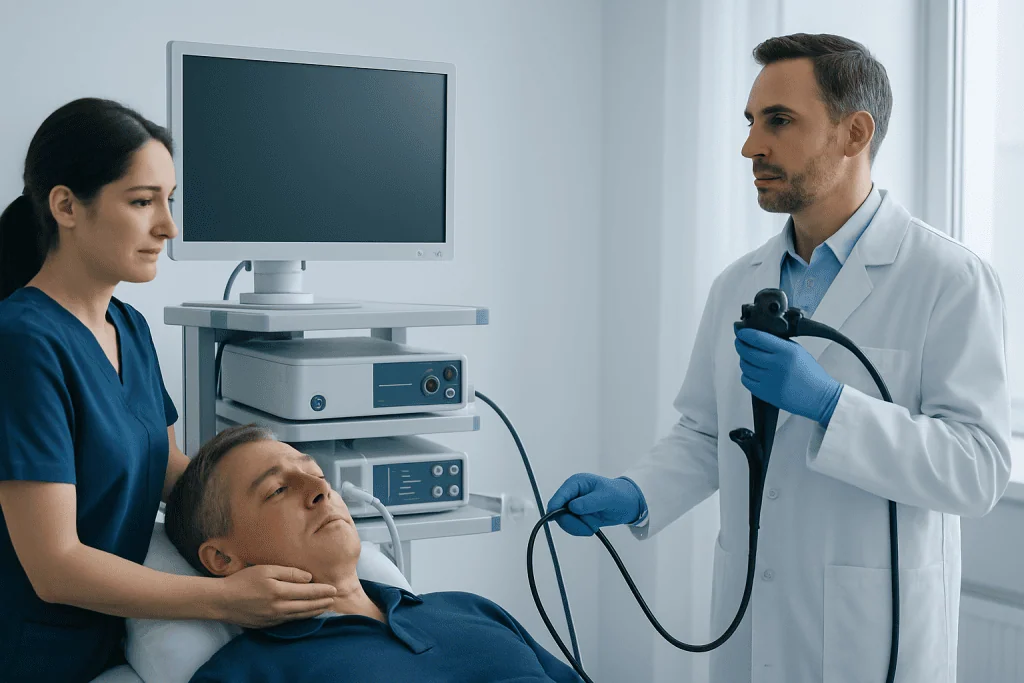
Candidacy for ca stomach treatment begins with accurate staging. Doctors consider the tumor’s location in the stomach, how deeply it has grown, whether lymph nodes are involved, whether it has spread elsewhere, tumor biomarkers, nutritional status and other health conditions. The person’s priorities and ability to tolerate particular treatments are also important.
Very early cancers limited to the stomach lining may sometimes be removed during endoscopy when they meet strict criteria. Localized or locally advanced cancers are more commonly managed with an operation to remove part or all of the stomach, usually combined with systemic treatment. If the cancer has spread to distant sites, systemic medicines are generally the main treatment, while surgery or radiation may be used for specific symptoms or carefully selected circumstances.
Before treatment begins, the care team may recommend nutritional assessment, correction of anemia or vitamin deficiencies, smoking cessation support and management of other medical conditions. These steps can improve treatment tolerance and recovery. A second pathology review or multidisciplinary tumor board discussion can also be useful when treatment decisions are complex.
Step-by-step: diagnosis, planning and treatment
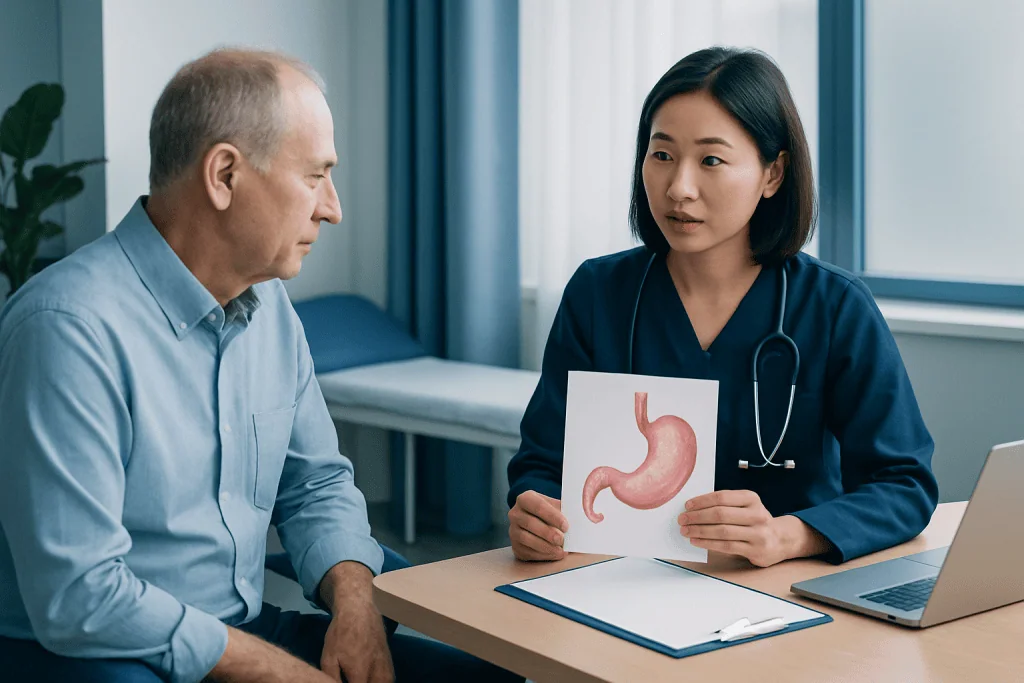
Evaluation commonly starts with upper endoscopy and biopsy. During endoscopy, a flexible camera is passed through the mouth to examine the stomach and collect tissue samples. Imaging tests, often including CT scans, help assess spread. Some people also have endoscopic ultrasound or staging laparoscopy, a minimally invasive operation that allows the surgeon to look for small deposits of cancer that may not appear on scans.
Pathologists examine the biopsy to confirm the cancer type and perform relevant biomarker testing. The oncology team then discusses the likely purpose of treatment: cure when the cancer appears removable and confined to a treatable area, or disease control and symptom relief when cancer is advanced. The plan may be adjusted as test results, treatment response or side effects evolve.
When surgery is appropriate, the surgeon may perform a partial gastrectomy, which removes part of the stomach, or a total gastrectomy, which removes the whole stomach. Nearby lymph nodes are typically removed for accurate staging and cancer control. The digestive tract is then reconstructed so food can continue to pass from the esophagus or remaining stomach into the intestine. Patients can learn more about stomach cancer treatment options during a specialist consultation.
Systemic treatment is delivered in cycles, with planned rest periods between treatments. The exact medicines and sequence vary. Regular blood tests, symptom reviews and scans help the team monitor safety and response, while supportive treatments address nausea, fatigue, appetite changes, pain and other concerns.
Benefits, risks and expected results
The potential benefit of treatment depends largely on stage and cancer biology. For early or localized stomach cancer, complete removal of the tumor with appropriate additional therapy may offer the possibility of long-term disease control or cure. For metastatic cancer, treatment can often slow progression, reduce symptoms and help maintain daily function, although it may not be curative.
Surgery carries risks such as bleeding, infection, blood clots, leakage at a surgical connection, bowel blockage and complications related to anesthesia. Longer-term changes can include early fullness, reflux, diarrhea, dumping syndrome, weight loss and deficiencies of iron, vitamin B12, calcium or vitamin D. These concerns can usually be monitored and managed with dietary changes, supplements and follow-up care.
Chemotherapy can cause fatigue, nausea, mouth sores, low blood counts, numbness or tingling in the hands and feet, and increased infection risk. Radiation can irritate nearby tissues and may cause fatigue, nausea or diarrhea. Targeted therapy and immunotherapy have different potential side effects, including effects on the heart, skin, lungs, liver, bowel or hormone-producing glands in some cases. Prompt reporting of new symptoms allows the care team to address problems early.
Recovery timeline and life after treatment
Recovery timelines vary with the treatment plan, surgical approach and a person’s baseline health. After gastrectomy, hospital recovery may involve pain control, prevention of blood clots, breathing exercises and gradual return to fluids and food. The care team watches closely for signs that the reconstructed digestive tract is healing appropriately.
At home, eating often changes substantially at first. Many people do best with small, frequent meals, careful chewing, adequate protein and regular fluids between meals. A dietitian can help tailor a plan and identify foods that worsen fullness, diarrhea, reflux or dumping symptoms. Weight, hydration and vitamin levels should be checked routinely, especially after total gastrectomy.
Energy and appetite may take weeks to months to improve after surgery or chemotherapy. Follow-up appointments commonly include physical examinations, symptom review, nutrition support and scans or endoscopy when clinically indicated. Emotional adjustment is also part of recovery; counseling, support groups and rehabilitation services can be helpful for patients and families.
What is the most successful treatment for stomach cancer?
There is no single treatment that is most successful for every person with stomach cancer. For cancer that is localized and can be fully removed, surgery is usually the central treatment with curative intent. Chemotherapy before and/or after surgery is frequently added because it can treat microscopic cancer cells and improve the chance of long-term control for appropriate patients.
For early cancers that meet specific low-risk criteria, endoscopic removal may be enough. For cancers that have spread, the most effective approach is usually systemic therapy selected according to the tumor’s features, often using chemotherapy with targeted therapy or immunotherapy when indicated. The most suitable plan should be determined by an experienced multidisciplinary cancer team.
Can you fully recover from stomach cancer?
Some people can fully recover from stomach cancer, particularly when it is detected at an early stage and can be completely treated. Whether cure is possible depends on factors including cancer stage, lymph node involvement, tumor type, response to treatment and whether cancer is found elsewhere in the body.
Even after successful treatment, follow-up remains important because recurrence can occur and because surgery may create long-term nutritional needs. When a cure is not likely, treatment can still be worthwhile: it may control the cancer, ease symptoms and support comfort and quality of life. Doctors can explain the goals of care clearly for an individual situation.
Where does stomach cancer usually spread first?
Stomach cancer can first spread to nearby lymph nodes and through the outer stomach wall into nearby tissues. It may also spread across the lining of the abdomen, called the peritoneum. This is one reason staging laparoscopy can be recommended for some apparently localized cancers before major surgery.
More distant spread can involve the liver, lungs, bones or other organs. The pattern differs among individuals and cancer subtypes, so scans and, when appropriate, laparoscopy are used to determine the true extent of disease. New symptoms do not always mean the cancer has spread, but they should be discussed with the medical team.
How long does treatment for stomach cancer last?
The duration of stomach cancer treatment depends on the stage and the therapies used. For potentially curative treatment, chemotherapy is often delivered over several months around the time of surgery, while physical recovery from surgery may continue for additional months. Radiation, when recommended, is usually given over several weeks.
For metastatic stomach cancer, systemic treatment may continue for as long as it is helping and side effects remain manageable. Treatment schedules can be modified, paused or changed based on scan results, blood tests, symptoms and personal goals. The oncology team should provide an individualized timeline before treatment starts and update it throughout care.
When to seek medical care
A person should arrange medical evaluation for persistent indigestion, upper abdominal discomfort, feeling full after small amounts of food, ongoing nausea, vomiting, trouble swallowing, unexplained weight loss or persistent fatigue. These symptoms are common and often have causes other than cancer, but they deserve assessment when they persist, worsen or occur together.
Urgent medical care is needed for vomiting blood, black or tar-like stools, severe or worsening abdominal pain, fainting, inability to keep fluids down, or signs of dehydration. People already receiving treatment should contact their oncology team promptly for fever, uncontrolled vomiting or diarrhea, sudden shortness of breath, chest pain or other concerning new symptoms.
Acibadem International’s multidisciplinary specialists and JCI-accredited hospitals diagnose and treat stomach cancer for international patients, with care plans guided by staging, pathology and individual needs.
Frequently asked questions
Is surgery always needed for stomach cancer?
No. Surgery is most often used when the cancer is localized and can be removed safely. Some very early cancers may be treated endoscopically, while advanced cancer is usually managed primarily with systemic treatment; surgery may sometimes be used to address bleeding or blockage.
What tests are needed before stomach cancer treatment?
Tests commonly include endoscopy with biopsy, CT imaging and blood tests. Endoscopic ultrasound or staging laparoscopy may also be used to clarify how deep the tumor has grown and whether it has spread.
Will a person be able to eat normally after gastrectomy?
Most people can eat by mouth after recovery, but eating patterns usually need to change. Small frequent meals, careful attention to protein and hydration, and dietitian support can make adjustment easier.
Are targeted therapy and immunotherapy suitable for everyone with stomach cancer?
No. These treatments are selected based on cancer stage, previous treatment and biomarker test results. The oncology team may test the tumor for features that indicate a likely benefit from a particular medicine.
What follow-up is needed after treatment for stomach cancer?
Follow-up generally includes appointments to review symptoms, nutrition, weight and possible treatment effects. Doctors may recommend imaging, blood tests or endoscopy depending on the original cancer stage, treatment received and current concerns.
Can stomach cancer return after treatment?
Yes, recurrence is possible, even after treatment intended to cure the cancer. Regular follow-up helps identify new concerns early and supports management of nutritional or digestive changes after treatment.
References
- National Cancer Institute
- American Cancer Society
- European Society for Medical Oncology
- National Comprehensive Cancer Network
- World Health Organization
This article is for general information only and is not a substitute for professional medical advice. Please consult a qualified doctor about your individual situation.
Persistent digestive symptoms? Get evaluated in Turkey
JCI-accredited · board-certified surgeons · reply within 24h
Add us as a Preferred Source to see more of our trusted health content across Google Search, AI Overviews and Discover.