

Arriving in Turkey Late at Night for Treatment
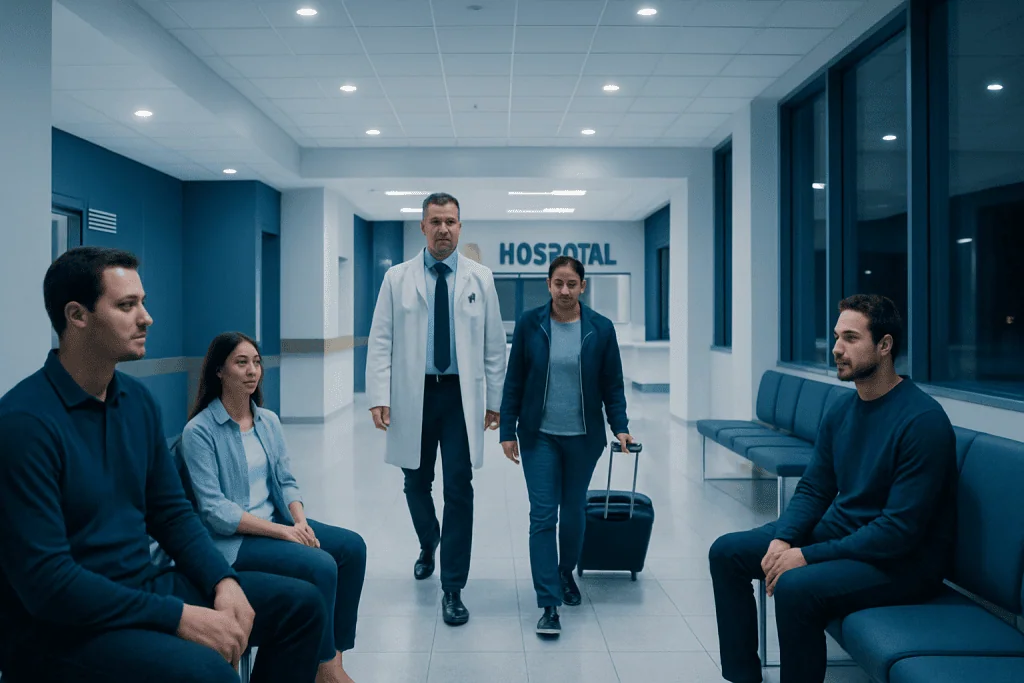
If you arrive in Turkey late at night for treatment, Acibadem helps you continue your journey smoothly by coordinating airport transfer, accommodation, and the next steps of your hospital visit. International patient teams provide practical guidance on arrival logistics, communication, and scheduling so you can reach your destination safely and begin care with less stress.
A late-night arrival can feel tiring, especially when you are travelling for medical care, but a little preparation makes the first hours in Turkey calmer and safer. This guide helps you plan airport pickup, hotel check-in, medications, documents, communication and your first contact with the hospital.
At a glance
- Best first priority: Confirm your airport transfer and contact number before you fly
- Keep with you: Passport, treatment documents, medication, charger and one change of clothing
- Late-night support: Ask your international patient coordinator what is available after hours
- If you feel unwell: Tell the transfer team immediately or seek emergency help at the airport
- First hospital step: Attend your scheduled admission, consultation or pre-treatment appointment
Why late-night arrivals need a different plan
Landing in Turkey late at night is common for international patients because flight schedules often arrive after regular business hours. The airport may be quieter, but you may also be more tired, less familiar with local transport and less able to solve small problems quickly. When you are travelling for treatment, the goal is not to do many things on arrival; it is to reach your accommodation safely, rest and be ready for your first hospital appointment.
Before you travel, ask for a clear arrival plan in writing. This should include your airport, terminal if known, flight number, pickup location, driver or transfer desk details, hotel address, hospital appointment time and an after-hours phone number. Acibadem International patient services can help international patients coordinate practical details such as transfers, interpreters and accommodation guidance, depending on your care plan and destination hospital.
Try to avoid making decisions at midnight that could have been made earlier. Save addresses offline, take screenshots of confirmations and keep your phone charged. If you are travelling with a companion, agree in advance who will handle documents, who will watch the luggage and who will make calls if plans change.
Before you fly: confirm the essentials

Your late-night arrival begins well before you board the plane. Confirm the exact spelling of your name on hospital, hotel and transfer records, and make sure your flight number is shared with your coordinator or transfer provider. If your flight is delayed, this allows the team to track your arrival and adjust the pickup when possible.
Pack your hand luggage as if your checked baggage may arrive late. Keep all important medical and travel items with you, including prescriptions, a small supply of medication, medical reports, imaging copies if requested, passport, visa or entry documents, insurance details if applicable, and your hospital contact information. Never pack essential medication only in checked luggage.
- Save your hotel and hospital addresses in English and Turkish if provided.
- Download your airline app and enable delay notifications.
- Carry a universal adapter or Turkey-compatible plug and a power bank.
- Ask whether you should eat, drink or fast before your first appointment, if this has been medically advised.
If you have mobility needs, oxygen requirements, a wheelchair request or difficulty walking long distances, arrange assistance with the airline in advance. Late-night airport teams can still help, but pre-booked support is usually smoother and reduces waiting time after landing.
At the airport: moving through arrival calmly

When you land, take a moment before leaving the aircraft to check that you have your passport, phone, medication and documents. Follow signs for passport control, baggage claim and customs. Major Turkish airports are used to international passengers, but the walking distances can be long, so use airport assistance if you requested it or if you suddenly feel too tired to continue comfortably.
If you are meeting a transfer driver, do not leave the arrivals area until you are confident you know where to go. Look for the agreed meeting point, signboard, transfer desk or instruction message. If you cannot find the driver within a reasonable time, call the number you were given rather than accepting help from an unknown person offering transport.
If your baggage is missing, report it at the airline baggage desk before leaving the airport and keep the written reference number. If you have packed essential treatment items in your carry-on, you can still continue to your hotel while the airline follows up. Inform your patient coordinator the next morning, or sooner if the missing bag contains medical devices or documents needed urgently.
Safe transfer to your hotel or hospital accommodation
Late at night, a pre-arranged transfer is usually the least stressful option. It reduces the need to compare transport choices when you are tired and may not know the city. Confirm whether the transfer is private or shared, whether your companion is included and whether the driver will wait if immigration or baggage takes longer than expected.
Before entering any vehicle, check that the driver or vehicle matches the information you received. If a driver contacts you by phone or message, verify the name and destination. Keep your luggage with you until you are sure you are in the correct vehicle, and avoid discussing private medical details in public areas or with people not involved in your care.
During the ride, use the time to rest rather than plan the entire treatment journey. Send a short message to your family or coordinator saying you have arrived and are on the way. If you feel chest pain, severe shortness of breath, faintness, heavy bleeding, sudden neurological symptoms or any urgent change in your condition, tell the driver immediately and seek emergency medical help rather than continuing as planned.
Late hotel check-in and the first night
Tell your hotel in advance that you will arrive late, especially if your flight lands after midnight. Ask whether reception is open 24 hours, whether the booking is guaranteed for late arrival and what identification is required at check-in. Keep the hotel address and reservation number available without needing internet access.
Once you reach your room, focus on simple safety and comfort steps. Place your passport, hospital documents and medication in one safe location. Charge your phone, set alarms for your appointment, prepare clothes for the morning and check the route or pickup time for your hospital visit.
Eat and drink according to the instructions you received from your care team. Some patients may have fasting instructions for tests, anesthesia planning or procedures, while others may need to avoid dehydration after a long flight. If you are unsure, do not guess; contact the after-hours number if provided or follow the last written medical instruction until you can confirm.
Your first contact with the hospital after arrival
Your first hospital contact may be the next morning, or in some cases soon after arrival if you are being admitted directly. At Acibadem International, international patient services may help coordinate registration, interpreter support and directions within the hospital. JCI-accredited hospitals follow structured safety and identification processes, so expect staff to confirm your name, date of birth and documents more than once.
Bring your passport, appointment confirmation, medical records, medication list and any original reports requested. If you have new symptoms since travelling, mention them clearly at your first contact, even if they seem unrelated. Long flights, missed sleep and stress can affect how you feel, and your team needs accurate information to plan safely.
If your arrival was difficult, tell the coordinator. A delayed flight, lost luggage, missed medication dose or very little sleep may affect your appointment logistics. The hospital team can guide you on the next practical step, but they need to know what happened.
Step by step
- Share your full travel details early. Send your flight number, arrival airport, arrival time, companion details and hotel booking to your international patient contact before departure. If anything changes, update them as soon as possible so transfer and appointment plans can be adjusted where feasible.
- Prepare a late-night hand luggage kit. Keep passport, visa documents, hospital papers, medication, glasses, phone charger, power bank and one change of clothing in your carry-on. This protects you if checked baggage is delayed or if you arrive too tired to unpack fully.
- Confirm the exact airport meeting point. Ask where the driver or transfer representative will meet you after customs and what sign or name they will use. Save the transfer phone number and hospital contact number offline before your flight.
- Use verified transport only. After landing, avoid informal transport offers from people you do not know. Use your pre-arranged vehicle, an official airport taxi desk or a trusted method recommended by your coordinator or hotel.
- Check in, hydrate and rest. Once at your hotel, complete only the essentials: secure documents, charge devices, set alarms and review your appointment time. Follow any eating, drinking or fasting instructions already given by your medical team.
- Report any urgent health changes immediately. Do not wait for the morning if you develop severe or worrying symptoms. Contact emergency services, airport medical staff, your hotel reception or the provided hospital emergency contact according to the situation.
- Attend your first appointment with all documents. Bring your passport, appointment details, medical reports and current medication list to the hospital. If you need an interpreter, confirm the arrangement in advance or tell the international patient desk when you arrive.
Your checklist
- Passport, visa or entry documents and copies saved digitally
- Hospital appointment confirmation and coordinator contact details
- Transfer confirmation, driver or desk instructions and after-hours number
- Hotel name, address, reservation number and late check-in confirmation
- Current medication in original packaging plus prescription or medication list
- Medical reports, imaging files or links requested by your care team
- Phone charger, power bank, adapter and local roaming or eSIM plan
- Comfort items for the first night, including water, snacks if allowed and toiletries
- Companion contact plan and emergency family contact information
Key takeaways
- A written late-night arrival plan is the best way to reduce stress after a long flight.
- Keep medication, documents and essential treatment information in your carry-on, not checked luggage.
- Use verified transport and confirm the driver or meeting point before leaving the airport.
- Late hotel check-in should be arranged before travel, especially for arrivals after midnight.
- Tell your hospital team about delays, missed medication, lost luggage or new symptoms before treatment begins.
Frequently asked questions
Is it safe to arrive in Turkey late at night for medical treatment?
Many international patients arrive late at night without difficulty, especially when transfers and accommodation are arranged in advance. The key is to avoid improvising when you are tired. Use confirmed transport, keep emergency contacts accessible and go directly to your hotel or planned accommodation.
Should I go straight to the hospital after a late-night flight?
Follow the plan given by your care team. Most patients go to their hotel and attend the hospital at the scheduled time, but some admissions or urgent situations may require direct hospital arrival. If you feel seriously unwell, seek emergency help rather than waiting for a routine appointment.
What if I cannot find my transfer driver at the airport?
Stay in the official arrivals area and call the transfer number or your patient coordinator contact. Do not accept rides from unknown people who approach you. If you cannot reach your arranged transfer, use an official airport transport option or ask the airport information desk for help.
Can Acibadem International help with late-night arrival arrangements?
Acibadem International patient services can guide international patients on practical arrival planning, including transfer coordination, interpreter arrangements and accommodation-related information depending on the case. Confirm what is included in your plan before you travel. Keep all contact numbers saved and available offline.
What should I do if my luggage is lost and my medical papers are inside?
Report the missing baggage to the airline before leaving the airport and keep the reference number. Contact your coordinator and explain which documents or items are missing. For future travel, keep essential medical papers, medication and prescriptions in your carry-on to reduce this risk.
Should I exchange money or buy a SIM card late at night?
If shops are open and you feel comfortable, you may handle small essentials at the airport, but do not delay your rest unnecessarily. Many patients arrange roaming or an eSIM before travel so they can make calls immediately. Keep at least one payment card available and ask your hotel or coordinator where to handle practical errands the next day.
What if I am too tired for my first appointment the next morning?
Attend unless your care team tells you otherwise, but tell the hospital staff how little you slept and whether you missed meals, fluids or medication. Do not change fasting or medication instructions without medical advice. If you are delayed or unable to come, contact your coordinator as early as possible.
Add us as a Preferred Source to see more of our trusted health content across Google Search, AI Overviews and Discover.
More Patient Guides

Preparing for Your Return Flight After Treatment in Turkey: Timing, Clearance, and Comfort
Preparing for your return flight after treatment in Turkey means getting medical clearance, timing your trip safely, and planning comfort and support.
9 min read
Arriving in Turkey for Surgery: Your First 48 Hours Explained
Arriving in Turkey for surgery is easiest when you know what happens at the airport, hotel, and hospital in your first 48…
9 min read
How to Plan a Low-Stress Arrival Day Before Treatment Starts
Arrival day before treatment in Turkey is easiest with a simple plan for airport pickup, hotel check-in, documents, rest, and your first…
9 min read