

Spinal Injury Rehab: An Evidence-Based Patient Guide
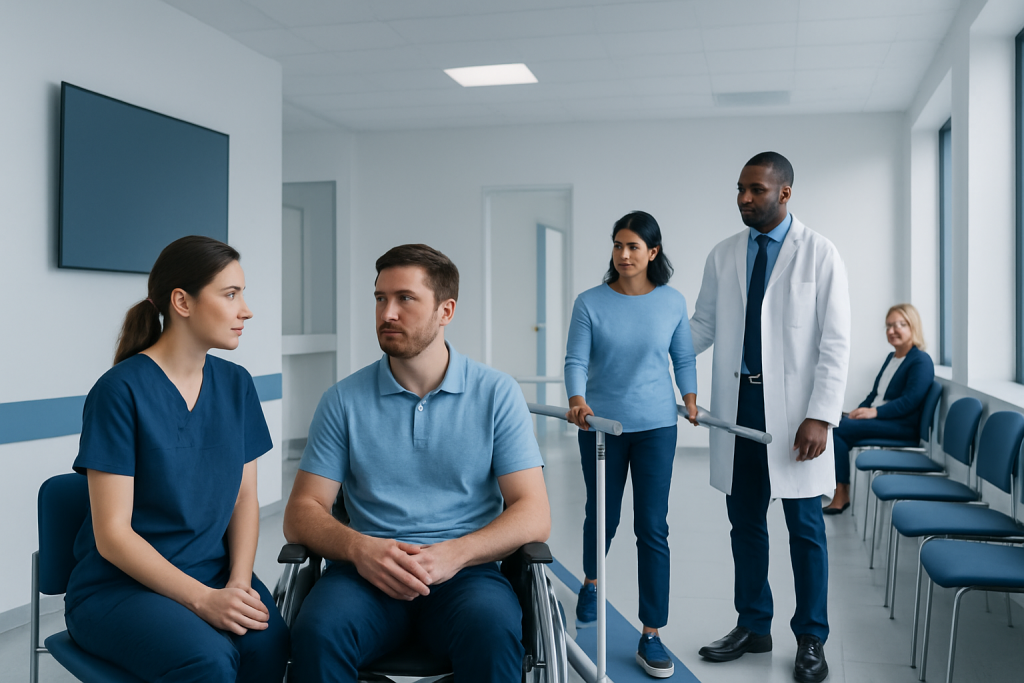
Rehabilitation plans are individualized according to the level and completeness of injury, overall health, goals and home environment. A multidisciplinary team may include rehabilitation physicians, nurses, physical therapists, occupational therapists, psychologists and social workers.
Key Takeaways
- Rehabilitation plans are individualized according to the level and completeness of injury, overall health, goals and home environment.
- A multidisciplinary team may include rehabilitation physicians, nurses, physical therapists, occupational therapists, psychologists and social workers.
- Therapy focuses on mobility, self-care, skin protection, bowel and bladder management, pain, breathing and emotional well-being.
- Rehabilitation can support meaningful gains at many stages, but recovery varies and cannot be predicted precisely for one person.
- Regular review is important because new needs, complications, equipment concerns and life goals may arise over time.
Spinal injury rehab is a personalized, evidence-based process that helps a person regain or maintain function, manage symptoms and build the skills needed for daily life after a spinal cord or spinal injury. It usually begins soon after medical stabilization and continues through inpatient care, outpatient therapy and long-term follow-up as needs change.
What spinal injury rehab involves
Spinal injury rehab is coordinated care designed to help people live as safely, independently and actively as possible after an injury affecting the spine or spinal cord. It is not one procedure or a fixed exercise plan. Instead, it combines medical monitoring, practical training, therapy, assistive technology and emotional support around the individual’s abilities and priorities.
The rehabilitation plan differs for each person. It is shaped by whether the spinal cord was affected, the location and severity of the injury, associated injuries, pain, medical conditions, age, support at home and personal goals. A person with a spinal fracture but no nerve damage may need a different pathway from someone with cervical, thoracic or lumbar spinal cord injury.
Evidence-based rehabilitation aims to prevent avoidable complications while supporting meaningful participation in everyday activities. Goals may include transferring safely, using a wheelchair or walking aid, dressing, returning to school or work, managing bowel and bladder routines, improving fitness, and taking part in family and community life.
How rehabilitation works: the multidisciplinary approach
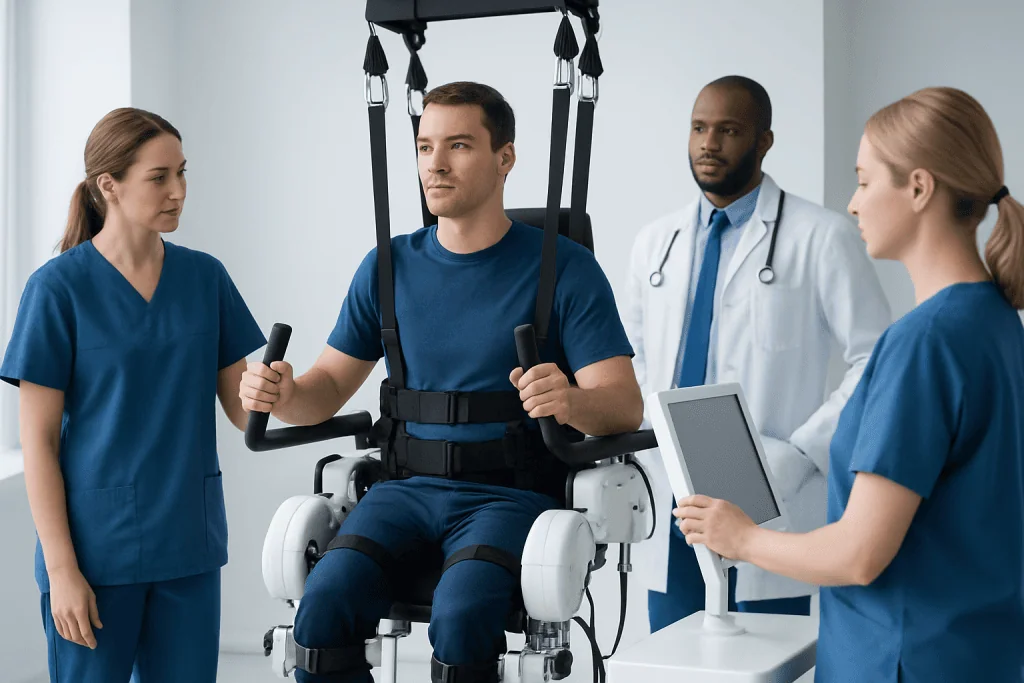
Rehabilitation commonly starts after emergency and surgical teams have stabilized the injury and addressed urgent problems such as spinal instability, breathing difficulty or other trauma. A rehabilitation physician, often called a physiatrist, helps coordinate the program and monitors medical issues that can affect progress.
Physical therapists assess movement, balance, strength, endurance, positioning and mobility. They may teach bed mobility, transfers, wheelchair skills, standing practice or gait training when appropriate. Occupational therapists focus on self-care, hand function, daily routines, adaptive equipment and home or workplace access.
Other team members may include rehabilitation nurses, respiratory therapists, speech and swallowing specialists when needed, dietitians, psychologists, pain specialists, urologists and social workers. Family education is often included, with the person’s permission, because safe routines and practical support outside the hospital matter greatly.
- Medical care for pain, spasticity, skin health, blood pressure, bowel and bladder function
- Therapy to practice functional movement and everyday tasks
- Education on equipment, medicines, prevention and warning signs
- Psychological and social support for adjustment, relationships, work and community participation
Who may benefit and how goals are set
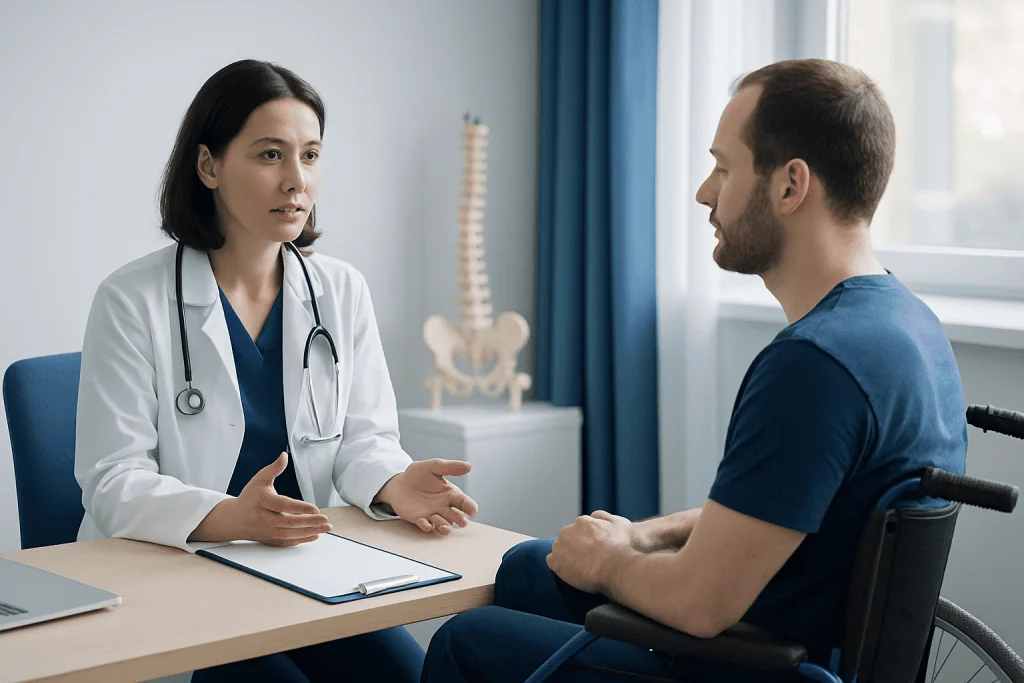
Most people with a spinal cord injury can benefit from rehabilitation, whether the injury is complete or incomplete and whether it occurred recently or years ago. Rehabilitation may also be useful after spinal fractures, spinal surgery or other spinal conditions when mobility, pain, balance or self-care have been affected. Referral timing and intensity depend on medical stability and individual needs.
At the initial assessment, clinicians discuss what matters most to the person. Early goals may be preventing pressure injuries, improving breathing, sitting upright safely or learning transfers. Later goals may include returning home, using public transport, driving adaptations, parenting, education, employment, sports or managing a long-term health routine.
Spinal cord injury rehabilitation guidelines emphasize regular reassessment rather than assuming that one plan will suit every stage. Goals should be realistic but meaningful, measurable when possible and updated as recovery, health needs, living circumstances and preferences change.
A typical rehabilitation pathway and recovery timeline
In the acute phase, rehabilitation may begin with positioning, range-of-motion activities, respiratory care, skin protection and education while the person is still in an acute hospital. When medically appropriate, inpatient rehabilitation provides a more structured program of daily therapy, nursing care and training for discharge. The duration varies widely and depends on the injury, complications, endurance and discharge needs.
During therapy sessions, the team evaluates function, explains each activity, practices skills in a graded way and reviews safety. This may include moving in bed, transferring to a chair, learning wheelchair propulsion, strengthening available muscles, working on balance, practicing dressing or bathing, and trialing braces, cushions or other equipment. Training is adapted if pain, fatigue, skin problems or changes in blood pressure occur.
After discharge, outpatient rehabilitation, community programs, home exercises and periodic specialist review may continue for months or longer. Neurological recovery is often most noticeable in the earlier months after injury, but people can still develop skills, fitness, confidence and strategies over time. The timeline is individual, and rehabilitation should not be judged only by changes in muscle movement.
Some people look online for a spinal cord injury rehabilitation exercises pdf. General resources can be educational, but an exercise program should be prescribed or checked by a qualified clinician. The safest activities depend on bone health, shoulder condition, spasticity, sensation, blood pressure regulation, equipment and the risk of skin injury.
Benefits, limits and possible risks
The main benefits of spinal injury rehab are improved safety, independence and quality of life. Rehabilitation can help a person use their remaining abilities effectively, reduce the likelihood of preventable complications and gain confidence with daily activities. It can also support caregivers through training and planning.
Benefits may include better wheelchair or walking skills, improved strength and cardiovascular fitness, easier self-care, more effective pain management, healthier sleep routines and greater participation in work, education or social activities. For people with spinal cord injury, regular attention to bladder, bowel, skin, breathing and circulation is as important as movement training.
Therapy is generally safe when individualized and supervised, but exercise and mobility practice are not risk-free. Potential concerns include falls, overuse injuries in the shoulders or wrists, skin breakdown from friction or pressure, dizziness from low blood pressure, increased pain and fatigue. Rarely, an unrecognized medical problem may make an activity unsafe.
Spinal cord injury evidence based practice means that clinicians combine the best available research with professional expertise and the person’s goals, values and circumstances. It does not mean that every intervention works equally well for every individual, or that rehabilitation can guarantee a particular level of recovery.
Self-care, prevention and daily health after discharge
Long-term self-care is a central part of rehabilitation. People should follow their agreed schedule for pressure relief, skin checks, medications, bowel and bladder care and physical activity. A mirror, phone camera or caregiver assistance may be useful for checking areas that are difficult to see, especially if sensation is reduced.
Maintaining a healthy routine can help protect general health. This includes adequate nutrition and fluids as advised by the clinical team, sleep, avoiding tobacco, attending recommended follow-up visits and using properly fitted equipment. Wheelchairs, cushions, braces and transfer devices should be reviewed if they become uncomfortable, damaged or no longer match the person’s needs.
Emotional adjustment after spinal injury can be complex. Counseling, peer support, family communication and treatment for anxiety, depression or sleep concerns can be valuable parts of care. Seeking support is a practical health step, not a sign of weakness.
Acibadem International’s multidisciplinary specialists and JCI-accredited hospitals provide assessment and rehabilitation planning for international patients with spinal injuries, with care coordinated according to individual medical and functional needs.
When to seek medical care
Anyone with a new spinal injury, severe neck or back pain after trauma, weakness, numbness, difficulty walking, loss of coordination, or new bowel or bladder changes should seek urgent medical assessment. Emergency care is especially important after a significant fall, road traffic collision, sports injury or other trauma, even if symptoms initially seem mild.
People already living with spinal cord injury should contact their healthcare team promptly for a new pressure sore or persistent skin redness, fever, worsening pain, repeated dizziness, breathing changes, urinary symptoms, sudden increase in spasticity or a major change in bladder or bowel function. These symptoms may signal a complication that needs treatment.
Emergency services should be contacted for trouble breathing, chest pain, sudden severe headache, loss of consciousness, new one-sided weakness, or symptoms of autonomic dysreflexia such as a sudden severe headache, sweating or flushing above the injury level with high blood pressure. Until help arrives after a suspected spinal injury, the person should be kept as still as possible and not moved unless there is immediate danger.
Frequently asked questions
What is spinal injury rehab?
Spinal injury rehab is a personalized program of medical care, therapy, education and support after a spinal or spinal cord injury. Its purpose is to improve function, prevent complications and help the person participate in daily life as fully as possible.
When does spinal cord injury rehabilitation begin?
Rehabilitation often begins in the acute hospital once the person is medically stable. Early care may focus on positioning, breathing, preventing skin injury and maintaining movement, then progress to more intensive functional training during inpatient or outpatient rehabilitation.
How long does spinal injury rehabilitation take?
There is no single timeline. Inpatient rehabilitation may last weeks or longer, while outpatient therapy, home programs and follow-up can continue for months or throughout life as needs change.
Can rehabilitation help someone walk again after spinal cord injury?
Walking recovery depends on the level and severity of injury, preserved nerve function, general health and other individual factors. Rehabilitation may include gait training when appropriate, but it also prioritizes safe mobility and independence using the methods that best fit the person’s abilities.
What exercises are safe after a spinal injury?
Safe exercises depend on the diagnosis, healing stage, strength, sensation, balance, bone health and any surgical restrictions. A physical therapist or rehabilitation clinician should tailor the program and advise when to stop or modify an activity.
What complications does rehabilitation help prevent?
Rehabilitation helps reduce risks such as pressure injuries, joint stiffness, deconditioning, falls, overuse problems, bowel and bladder complications and respiratory concerns. It also teaches the person and caregivers how to recognize warning signs early.
References
- World Health Organization
- International Spinal Cord Society
- National Institute of Neurological Disorders and Stroke
- American Spinal Injury Association
- National Institute for Health and Care Excellence
This article is for general information only and is not a substitute for professional medical advice. Please consult a qualified doctor about your individual situation.
Joint and spine care in Turkey — expert assessment & treatment
JCI-accredited · board-certified surgeons · reply within 24h
Add us as a Preferred Source to see more of our trusted health content across Google Search, AI Overviews and Discover.
Check your numbers in seconds
BMI, calories, due date, blood pressure and 30+ more clinical calculators — free, instant, doctor-reviewed ranges.

More from the Health Library



Related Specialists

Dr. İsmail Çalıkoğlu
General Surgery
Dt. Şerife Karaarslan
Dentistry
Dt. Müge Tiralı Türkkan
Oral & Dental Health
Assoc. Prof. Dr. Nezih Ziroğlu
Orthopedic Surgery & Traumatology