Mm Treatment: How It Works, Results and What to Expect

MM treatment is tailored to disease stage, symptoms, genetic findings, kidney function, fitness and previous treatment response. Initial treatment commonly combines two to four medicines with different actions rather than relying on chemotherapy alone.
Key Takeaways
- MM treatment is tailored to disease stage, symptoms, genetic findings, kidney function, fitness and previous treatment response.
- Initial treatment commonly combines two to four medicines with different actions rather than relying on chemotherapy alone.
- Autologous stem cell transplant may be recommended for eligible patients after induction treatment.
- Response is monitored through blood and urine tests, imaging, bone marrow testing and assessment of symptoms.
- Treatment can control myeloma for long periods, but relapse is common and further effective options may be available.
- New or worsening infection, breathlessness, confusion, severe pain or reduced urine output needs prompt medical attention.
MM treatment is individualized care for multiple myeloma, usually using combinations of anti-myeloma medicines, steroids and sometimes chemotherapy, stem cell transplant or radiation. While multiple myeloma is not usually considered curable, modern treatment can often achieve deep remissions, relieve symptoms and help people live well with ongoing monitoring.
MM Treatment: an overview
MM treatment refers to treatment for multiple myeloma, a cancer of plasma cells in the bone marrow. The aim is to reduce or control myeloma cells, prevent or treat organ damage, improve symptoms and achieve the deepest possible remission while protecting everyday quality of life. The best plan differs from person to person and is adjusted over time as test results, treatment response and personal priorities change.
Some people have an early, symptom-free form called smoldering multiple myeloma. They may be monitored closely rather than treated immediately, unless they have high-risk features or evidence that active disease is developing. Active myeloma generally requires treatment when it causes, or is likely to cause, problems such as anemia, kidney impairment, high calcium levels, bone damage or a high burden of myeloma cells.
Today, mm treatment options commonly include targeted medicines, immunomodulatory drugs, antibodies, proteasome inhibitors, corticosteroids, chemotherapy, stem cell transplant, radiation therapy and supportive care. A hematologist or medical oncologist coordinates care with specialists in kidney health, bone health, infection prevention, pain management and rehabilitation when needed.
How MM treatment works
Multiple myeloma cells depend on signals within the bone marrow and produce abnormal proteins that can be measured in blood or urine. Treatment works by interrupting the growth and survival of these cells through several complementary mechanisms. Combination therapy is common because medicines acting in different ways can produce a stronger and more durable response than one medicine alone.
Proteasome inhibitors interfere with protein disposal inside myeloma cells, which can lead to cell death. Immunomodulatory medicines, including lenalidomide (Revlimid), affect the immune environment around the cancer cells and have direct anti-myeloma activity. Monoclonal antibodies help the immune system recognize myeloma cells, while corticosteroids can reduce inflammation and directly contribute to myeloma control.
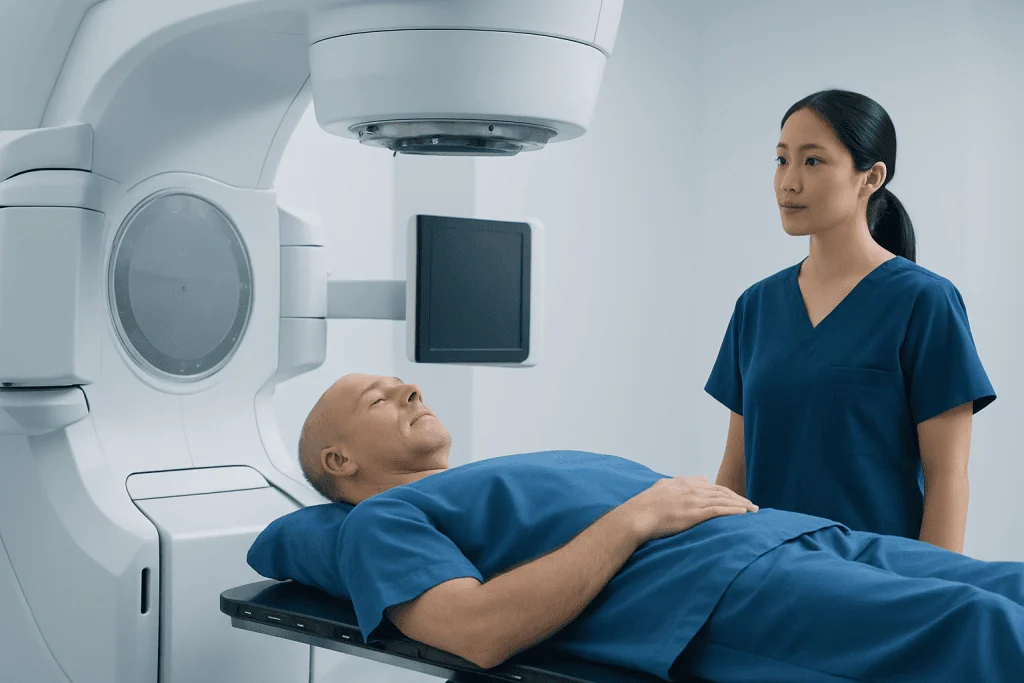
Traditional chemotherapy may be part of certain mm treatment regimens, particularly around a transplant or in selected clinical situations. Radiation therapy does not treat myeloma throughout the body, but it can be useful for a painful bone lesion, a fracture risk or pressure on nearby nerves. Supportive treatments may include bone-strengthening medicines, infection prevention, blood transfusions, kidney support and pain relief.
Who may be a candidate for different MM treatment options

Most people with active multiple myeloma are candidates for systemic treatment, but the specific regimen is individualized. The care team considers symptoms, results of blood and bone marrow tests, chromosome or gene changes in myeloma cells, kidney function, frailty, other health conditions, prior therapies and the person’s goals. These factors help determine the balance between effectiveness, safety and practicality.
A key decision is whether a person is suitable for an autologous stem cell transplant. In this approach, a person’s own blood-forming stem cells are collected, high-dose chemotherapy is used to reduce myeloma cells, and the stored cells are returned to restore bone marrow function. Transplant eligibility depends more on overall fitness, organ function and ability to tolerate the procedure than age alone.
People who are not transplant candidates can still receive highly effective medicine-based treatment. Frailty assessments and medication review are especially important for older adults and for anyone with heart, lung, kidney, nerve or mobility concerns. The treatment team may use adjusted schedules or doses to reduce side effects without losing the main purpose of treatment.
- Newly diagnosed active myeloma usually needs a combination-based approach.
- Smoldering myeloma is often monitored, with treatment reserved for selected higher-risk situations.
- Relapsed myeloma is treated according to prior medicines, duration of remission, side effects and disease biology.
What happens during MM treatment
Before treatment begins, the team confirms the diagnosis and establishes a baseline. This usually includes blood counts, kidney function, calcium, measurements of monoclonal protein and light chains, imaging to assess bones and organs, and bone marrow testing. Results are also used to classify risk and support discussions about the most suitable mm treatment guidelines for that individual.
Initial therapy, often called induction treatment, is usually given in repeating cycles. A cycle may include medicines taken by mouth, injections under the skin, intravenous treatment or a combination of these. Appointments include blood tests and clinical reviews so the team can assess response, manage side effects and adjust treatment if necessary. The exact schedule varies by regimen and should be followed as prescribed.
For patients proceeding to transplant, stem cells are collected after initial treatment. High-dose chemotherapy is then given in hospital or a specialized transplant setting, followed by infusion of the stored stem cells. Recovery requires close monitoring because blood counts fall temporarily, increasing the risk of infection, fatigue, bleeding and anemia. After recovery, some people receive consolidation therapy and/or maintenance treatment to help prolong remission.
At Acibadem International, multidisciplinary specialists in JCI-accredited hospitals can assess multiple myeloma and coordinate medical treatment, transplant evaluation and supportive care for international patients.
Benefits, risks and recovery timeline
The main benefit of mm treatment is disease control. Many people experience a reduction in abnormal protein levels, improvement in anemia or kidney function, less bone pain and a lower risk of further myeloma-related complications. A deep response can last months or years, but response length varies and cannot be predicted precisely for one person.
Side effects depend on the medicines used. They can include tiredness, nausea, bowel changes, low blood counts, infection risk, blood clots, rash, sleep or mood changes related to steroids, and numbness or tingling in the hands and feet. Kidney function, nerve symptoms and infection risk need particular attention. Prompt reporting allows the team to offer supportive medicines, dose changes or alternative treatments when appropriate.
Recovery is not a single event because myeloma treatment often continues in phases. During medicine-based induction, many people maintain some usual activities but may need rest days and extra infection precautions. After stem cell transplant, blood count recovery commonly takes several weeks, while energy, appetite and stamina may take months to improve. Follow-up continues long term, including maintenance therapy for some people.
Patients should avoid starting supplements, herbal products or non-prescription medicines without checking with their cancer team. Some products can affect kidney function, blood clotting or interactions with anti-myeloma medicines.
How many rounds of chemo is normal for multiple myeloma?
There is no single normal number of chemotherapy rounds for multiple myeloma because many modern regimens are based mainly on targeted and immune-active medicines rather than conventional chemotherapy. Initial treatment is often given for several cycles, with each cycle commonly lasting a few weeks. For transplant-eligible patients, induction treatment is usually followed by stem cell collection and transplant planning rather than continuing the same regimen indefinitely.
Some treatments continue as maintenance therapy for a long period, often at a lower intensity, to help keep myeloma under control. In relapsed myeloma, treatment may continue until the disease progresses or side effects become unacceptable. The oncology team will explain the planned number of cycles, the reason for that plan and what could lead to a change.
It is helpful for patients to ask whether each medicine in their regimen is chemotherapy, targeted therapy, an antibody or a steroid. Understanding the role of each medicine can make the treatment plan easier to follow and helps set realistic expectations about side effects and monitoring.
How do you know if Revlimid is working?
Revlimid is the brand name for lenalidomide, an immunomodulatory medicine used in several settings for multiple myeloma. It is not usually judged by how a person feels alone. The most reliable evidence comes from regular tests showing a fall or stabilization in monoclonal protein, free light chains and other markers, together with stable or improving blood counts, kidney function, symptoms and imaging findings.
Results are assessed over time rather than after one dose or one appointment. The team may use internationally recognized response categories, such as partial response, very good partial response, complete response or minimal residual disease negativity, depending on the clinical setting and tests available. Not every person reaches the same depth of response, and a meaningful benefit can still occur without a complete response.
Revlimid can also cause side effects, including low blood counts, fatigue, rash, diarrhea and an increased risk of blood clots. Regular blood testing is important both to assess effectiveness and to identify side effects early. Patients should contact their care team rather than stopping the medicine on their own if new symptoms develop.
How do I know what stage of multiple myeloma I have?
Multiple myeloma staging is determined by the clinical team using specific laboratory results and disease features, not by symptoms alone. The Revised International Staging System and related updated approaches use values such as beta-2 microglobulin, albumin, lactate dehydrogenase and chromosome changes found in myeloma cells. These help estimate risk and guide discussions about treatment intensity and follow-up.
Staging is different from determining whether treatment is needed. A person can need urgent treatment because of active disease affecting the kidneys, bones, blood counts or calcium level, regardless of the stage label. Imaging and bone marrow findings also provide important information about the amount and behavior of myeloma.
Patients can ask their hematologist which staging system was used, what their stage means in their situation and whether any high-risk genetic features were identified. Staging describes groups of people and cannot precisely predict an individual outcome, especially as treatment options continue to evolve.
How close is a cure for multiple myeloma?
Multiple myeloma is generally considered treatable but not routinely curable with currently available standard therapies. Many people now achieve deep and prolonged remissions, and treatment choices have expanded substantially with the development of antibodies, cellular therapies and other targeted approaches. However, myeloma often returns because a small number of cancer cells can remain after treatment.
Research continues to explore whether some people with sustained deep responses may remain disease-free for exceptionally long periods. At present, it is more accurate to discuss remission, disease control and long-term management than to promise a cure. Clinical trials remain important for improving outcomes and may be an option for eligible patients.
Hopeful, realistic discussions with the treating team can help patients understand their response, current options and future choices. A treatment plan should include both cancer control and practical support for fatigue, bone health, emotional wellbeing, family life and daily activities.
When to seek medical care
A person receiving treatment should contact their cancer team promptly for a fever, chills, new cough, shortness of breath, unusual bleeding or bruising, severe vomiting or diarrhea, rapidly worsening fatigue, new confusion, severe weakness, or a marked reduction in urine output. These symptoms can sometimes indicate infection, low blood counts, kidney problems or another complication that needs timely assessment.
Urgent medical evaluation is also important for sudden severe back pain, new numbness or weakness in the legs, loss of bladder or bowel control, chest pain or sudden swelling and pain in one leg. These may have causes unrelated to myeloma, but they should not be ignored.
Between appointments, patients should keep a current medication list, attend scheduled blood tests and discuss vaccinations, dental care, travel and infection precautions with their team. Regular follow-up is a central part of safe and effective mm treatment, including during remission.
Frequently asked questions
What is the first treatment for multiple myeloma?
First treatment usually involves a combination of anti-myeloma medicines, often including a proteasome inhibitor, an immunomodulatory medicine, a steroid and sometimes an antibody. The exact combination depends on transplant eligibility, kidney function, disease risk and other personal health factors. Treatment should be selected by a hematology or oncology team experienced in myeloma care.
Is chemotherapy always used for multiple myeloma?
No. Modern multiple myeloma treatment often relies heavily on targeted, immune-active and antibody medicines. Conventional chemotherapy may still be used in certain regimens, especially as part of high-dose treatment before autologous stem cell transplant or in particular disease situations.
Can multiple myeloma go into remission?
Yes. Many people achieve remission after initial treatment, meaning tests show that myeloma has greatly decreased or is no longer detectable by standard methods. Remission is not the same as a guaranteed cure, so ongoing monitoring and, for some people, maintenance therapy are important.
What tests monitor multiple myeloma treatment response?
Monitoring commonly includes blood counts, kidney function, calcium, monoclonal protein testing and serum free light chain measurements. Urine tests, imaging and bone marrow testing may also be used, depending on the person’s disease and treatment stage. The team interprets results together rather than relying on one test alone.
Can stem cell transplant cure multiple myeloma?
An autologous stem cell transplant can deepen response and extend remission for many eligible patients, but it is not generally considered a cure. It is one component of a broader treatment strategy that may include induction therapy and maintenance therapy. The potential benefits and risks should be discussed individually.
What should a person avoid during multiple myeloma treatment?
People should avoid taking new supplements or medicines without checking for interactions with their treatment team. They should also take infection precautions as advised, especially when blood counts are low, and report fever or other possible infection symptoms promptly. Advice about food safety, travel, exercise and vaccinations should be personalized.
References
- National Cancer Institute
- International Myeloma Foundation
- American Cancer Society
- National Comprehensive Cancer Network
- Leukemia & Lymphoma Society
This article is for general information only and is not a substitute for professional medical advice. Please consult a qualified doctor about your individual situation.
Oncology care in Turkey — second opinion and treatment plan
JCI-accredited · board-certified surgeons · reply within 24h
Add us as a Preferred Source to see more of our trusted health content across Google Search, AI Overviews and Discover.