Treatment for Prostate Cancer in Bones: How It Works, Results and What to Expect

Prostate cancer that has spread to bone is usually treated as metastatic prostate cancer rather than as primary bone cancer. Hormone-based systemic treatment is often the foundation of care, with additional treatments selected according to disease features and prior therapy.
Key Takeaways
- Prostate cancer that has spread to bone is usually treated as metastatic prostate cancer rather than as primary bone cancer.
- Hormone-based systemic treatment is often the foundation of care, with additional treatments selected according to disease features and prior therapy.
- Radiation can relieve pain and help stabilize areas of bone at risk of fracture or spinal cord compression.
- Bone-strengthening medicines and attention to calcium, vitamin D, exercise and fall prevention may reduce skeletal complications.
- Outlook varies substantially; treatment response, extent of disease, overall health and cancer biology all matter.
- New or worsening back pain, weakness, numbness, loss of bladder or bowel control, or inability to bear weight needs urgent medical assessment.
Treatment for prostate cancer in bones is designed to slow or control cancer, protect the skeleton, relieve symptoms and preserve daily function. Care is individualized and commonly combines hormone-based treatment with medicines, radiation, targeted approaches or chemotherapy when appropriate.
Overview: treatment for prostate cancer in bones
Treatment for prostate cancer in bones uses a personalized combination of whole-body cancer treatment, local radiation or surgery when needed, bone-protective medicines and symptom support. Although bone spread is generally not considered curable with current standard treatments, many people can have their cancer controlled for meaningful periods while maintaining comfort, mobility and quality of life.
When prostate cancer cells travel to bone, the condition is called bone metastasis or metastatic prostate cancer. It is not the same as a cancer that starts in bone. Prostate cancer commonly affects the spine, pelvis, ribs and upper leg bones, where it may cause no symptoms at first or may lead to pain and other skeletal problems.
Planning usually involves a urologist, medical oncologist, radiation oncologist, radiologist, nuclear medicine specialist, orthopedic or spine surgeon when required, pain specialist and rehabilitation team. The aim is to match treatment to the person’s symptoms, scan findings, prostate-specific antigen (PSA) trend, previous treatments and goals of care.
How treatment works and who may be a candidate
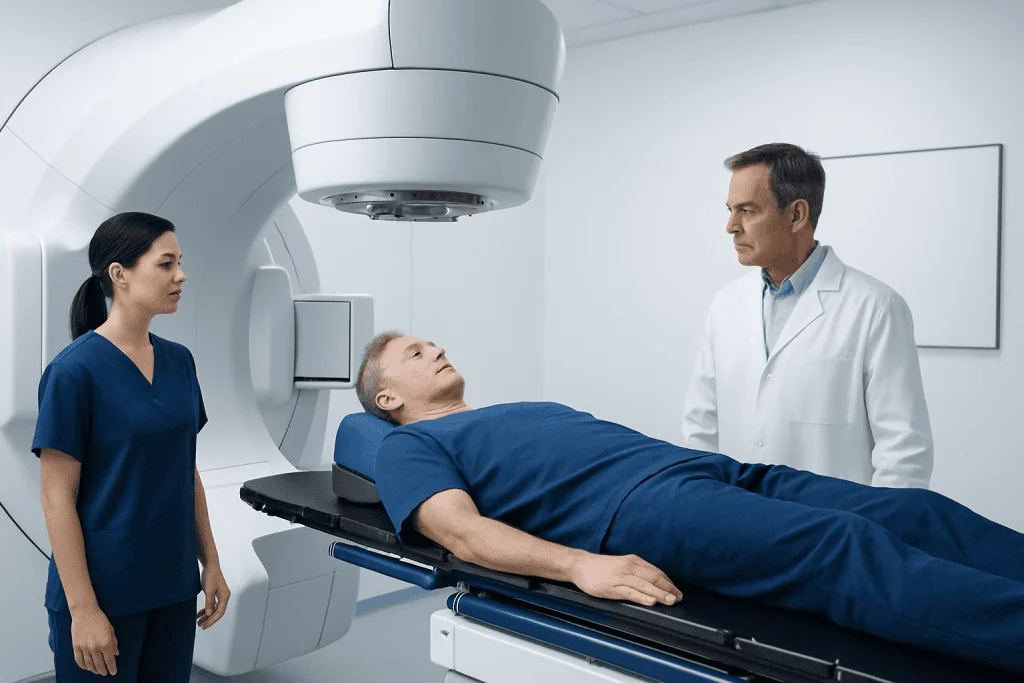
Systemic treatments circulate throughout the body and are central to treating cancer in the bones and elsewhere. Androgen-deprivation therapy lowers or blocks testosterone, a hormone that often stimulates prostate cancer growth. It may be used alone or combined with an androgen-receptor pathway medicine, chemotherapy, immunotherapy or a targeted medicine, depending on the cancer’s characteristics and prior treatment history.
Doctors may recommend genetic and tumor testing in metastatic prostate cancer. Results can help identify whether a person may benefit from certain targeted treatments or immunotherapy. Bone-targeting radioactive treatments may also be considered in selected situations, particularly when bone metastases are causing symptoms and the overall pattern of disease is suitable.
Local treatment addresses a specific area. Radiotherapy can reduce pain from a bone metastasis, lower the risk of complications in some cases and treat tumors threatening the spinal cord. Surgery, vertebral stabilization or minimally invasive procedures may be considered for a fracture, an unstable bone or pressure on nerves. Candidacy is based on symptoms, location and number of metastases, fracture risk, blood tests, organ function and the person’s general health.
- Systemic therapy treats cancer cells throughout the body.
- Local therapy focuses on painful, fragile or high-risk bone sites.
- Supportive care manages pain, fatigue, nutrition, mobility and emotional wellbeing alongside cancer treatment.
Step by step: what to expect from assessment and treatment

The process typically begins with a detailed review of symptoms, past treatments, medications and health conditions. Blood tests may include PSA, blood counts, kidney and liver function, and markers related to bone health. Imaging may include a bone scan, CT, MRI, PET scan or other tests chosen to clarify where cancer is located and whether a bone is weakened or a nerve is at risk.
At a multidisciplinary discussion, clinicians decide whether treatment should start with systemic therapy, focused radiation, urgent spinal treatment or a combination. Before some bone-strengthening medicines, a dental assessment may be advised because dental procedures and poor oral health can increase the risk of an uncommon jaw complication. The care team also reviews calcium and vitamin D status and discusses contraception and fertility issues where relevant.
For external-beam radiation, planning scans map the treatment area and help protect nearby tissues. Treatment may be delivered in one visit or over several sessions, depending on the site and goal. Systemic medicines may be tablets, injections, intravenous infusions or radiopharmaceutical treatments administered in a specialist setting; schedules vary by treatment type.
Follow-up commonly includes symptom review, PSA testing, examination and periodic imaging. A PSA change alone does not always show the full picture, so doctors interpret it alongside scans and how the person feels and functions. Care plans can be adjusted if the cancer responds, symptoms change or side effects need closer management.
Benefits, risks and recovery timeline
Potential benefits include slowing cancer growth, delaying complications, reducing pain and helping a person remain active. Hormone-based therapy can lower PSA and improve symptoms, but response duration differs widely. Radiation often provides pain relief over days to weeks, although some people experience a temporary pain flare shortly after treatment.
Recovery depends on the therapy used. Most people continue normal light activity during outpatient radiation, with fatigue sometimes increasing gradually and improving over the following weeks. Recovery after surgery or stabilization takes longer and may involve inpatient care, pain control, physiotherapy and temporary limits on weight-bearing or movement.
Androgen-deprivation therapy can cause hot flushes, fatigue, reduced sexual desire, erectile difficulties, mood changes, weight or metabolic changes and bone thinning over time. Other systemic treatments have their own possible effects, such as low blood counts, nausea, diarrhea, rash, nerve symptoms or infection risk. Clinicians monitor for these effects and may modify treatment or provide supportive medicines.
Bone-strengthening medicines can help reduce fractures and other skeletal events, but may affect calcium levels and rarely contribute to jaw bone problems. Regular dental care, reporting tooth or jaw symptoms promptly, and following blood-test recommendations are important. Patients should ask their team which side effects require same-day contact.
Can prostate cancer in the bone be cured?
When prostate cancer has spread to bones, it is generally considered advanced or metastatic and is not usually curable with current standard treatments. However, it is often treatable. Modern treatment can control cancer growth, relieve symptoms and reduce the risk of bone-related complications for many people.
A small number of people have only a limited number of metastatic sites, sometimes called oligometastatic disease. Their team may recommend intensive treatment to both the prostate and metastatic sites alongside systemic therapy. This approach may improve disease control for selected patients, but it should not be viewed as a guaranteed cure.
The most useful question for the treating team is how treatment is expected to help in that individual situation: by controlling visible disease, delaying progression, easing pain, protecting mobility or extending life. Goals can change over time, and shared decisions help ensure care remains aligned with what matters most to the patient.
How long can you live once cancer has spread to the bones?
There is no single survival timeline after prostate cancer spreads to bone. Some people respond well to treatment for years, while others have cancer that behaves more aggressively or becomes resistant sooner. Population averages cannot reliably predict an individual outcome.
Outlook is influenced by the amount and location of spread, whether cancer is still sensitive to hormone treatment, PSA and other laboratory results, tumor genetics, symptoms, general health and response to therapy. Metastases limited to bone may have a different outlook from disease that has also spread to organs such as the liver or lungs.
Doctors use follow-up visits to provide the most personalized estimate possible. Asking about the expected benefit of each option, likely side effects, signs of progression and supportive-care services can make planning clearer. Palliative care may be introduced at any stage to improve symptom control and quality of life; it can be provided alongside active cancer treatment.
What to expect when prostate cancer spreads to the bones
Some people have no symptoms, and metastases are found on scans or through a rising PSA. Others develop deep, persistent bone pain, often in the back, hips, pelvis or ribs. Pain may become more noticeable at night or with movement, but pain alone does not confirm bone metastasis and should be assessed carefully.
Bone affected by cancer can become fragile or structurally abnormal. This can raise the risk of fracture, particularly in weight-bearing bones. Spinal metastases occasionally press on the spinal cord or nerves, causing increasing back or neck pain, weakness, numbness, walking difficulty, or bladder and bowel changes. This is an emergency because early treatment can help protect nerve function.
Treatment monitoring may feel ongoing, with regular appointments, blood tests and scans. Fatigue can result from cancer, treatment, sleep disruption, anemia, pain or emotional stress. Gentle activity prescribed by the care team, physical therapy, nutrition support and prompt pain management can all be valuable parts of care.
Related information about prostate cancer may help patients understand staging and the wider treatment pathway. Any new symptom should be reported rather than assumed to be an expected part of treatment.
What is the prognosis for bone cancer after prostate cancer?
Bone lesions after prostate cancer usually represent metastatic prostate cancer in the bone, not “bone cancer” that began in bone tissue. The prognosis therefore depends on the biology and treatment response of the prostate cancer, as well as the extent of bone involvement and any cancer outside the skeleton.
Prostate cancer bone metastases are often associated with increased bone formation on imaging, but they can still weaken bone and cause pain or fractures. Prognosis is improved by identifying complications early, using effective systemic therapy and providing local treatments when a particular lesion threatens function or causes symptoms.
Clinical trials may be appropriate for some patients and can provide access to carefully studied approaches. A specialist can explain whether a trial is available and suitable. At Acibadem International, multidisciplinary specialists in JCI-accredited hospitals assess and treat prostate cancer for international patients, coordinating oncology, urology, radiation and supportive-care expertise.
When to seek medical care
Anyone with a history of prostate cancer should contact their oncology or urology team about new, persistent or worsening bone pain, reduced ability to walk, unexplained falls, new swelling, worsening fatigue or pain that is not controlled by the current plan. Prompt review can identify a fracture risk, treatment side effect or cancer progression and allow early support.
Urgent medical assessment is needed for severe or rapidly worsening back or neck pain, new leg weakness, numbness around the groin or buttocks, loss of bladder or bowel control, inability to stand or bear weight, or a suspected fracture. These symptoms can indicate spinal cord compression or an unstable bone and should not wait for a routine appointment.
Patients should not stop prescribed cancer treatment or add supplements, anti-inflammatory medicines or alternative therapies without discussing them with their clinician. Some products interact with cancer medicines or may be unsafe with kidney problems, low blood counts or other health conditions.
Frequently asked questions
What is the main treatment for prostate cancer that has spread to bones?
Hormone-based systemic therapy is commonly the foundation of treatment because it lowers or blocks androgen signaling that drives many prostate cancers. Depending on the disease and previous therapies, doctors may add androgen-receptor pathway medicines, chemotherapy, targeted therapy, immunotherapy, radiopharmaceuticals or radiation to individual bone sites.
Can radiation treatment help bone pain from prostate cancer?
Yes. External-beam radiation is widely used to relieve pain from a specific bone metastasis and can also help treat areas at risk of complications. Pain improvement may begin within days but often develops over several weeks, and the radiation team will explain expected short-term effects.
Are bone-strengthening medicines needed for everyone with bone metastases?
Not everyone needs the same bone-directed medicine at the same time. The decision depends on the type of prostate cancer, other treatments, fracture risk, kidney function, calcium level and dental health. A clinician can explain the potential benefit and monitoring required.
Can exercise be safe with prostate cancer in the bones?
Exercise may be beneficial for strength, fatigue, mood and bone health, but it should be adapted to the location and stability of bone metastases. A doctor or physiotherapist can advise on safe activities and movements to avoid if there is fracture or spinal risk.
How is treatment response monitored?
Doctors assess response using symptoms, physical function, PSA results, blood tests and imaging when indicated. These findings are considered together because PSA alone may not fully reflect what is happening in the bones or elsewhere in the body.
What symptoms of spinal cord compression need emergency care?
Emergency symptoms include rapidly worsening back or neck pain, new weakness or numbness in the legs, trouble walking, numbness around the groin, and new bladder or bowel problems. Immediate assessment is important because timely treatment may help prevent permanent nerve damage.
References
- National Cancer Institute
- American Cancer Society
- European Association of Urology
- National Comprehensive Cancer Network
- American Society of Clinical Oncology
This article is for general information only and is not a substitute for professional medical advice. Please consult a qualified doctor about your individual situation.
Prostate Cancer in Turkey — costs, top hospitals & a free quote
JCI-accredited · board-certified surgeons · reply within 24h
Add us as a Preferred Source to see more of our trusted health content across Google Search, AI Overviews and Discover.