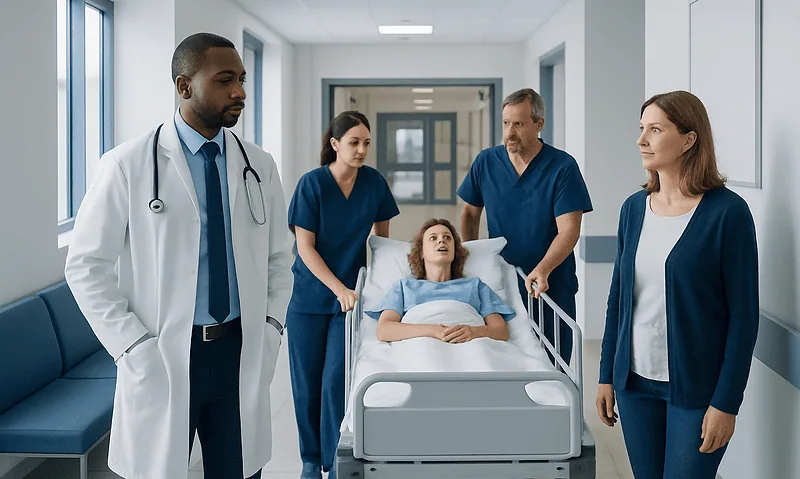
Cancer Treatment Trials: How It Works, Results and What to Expect
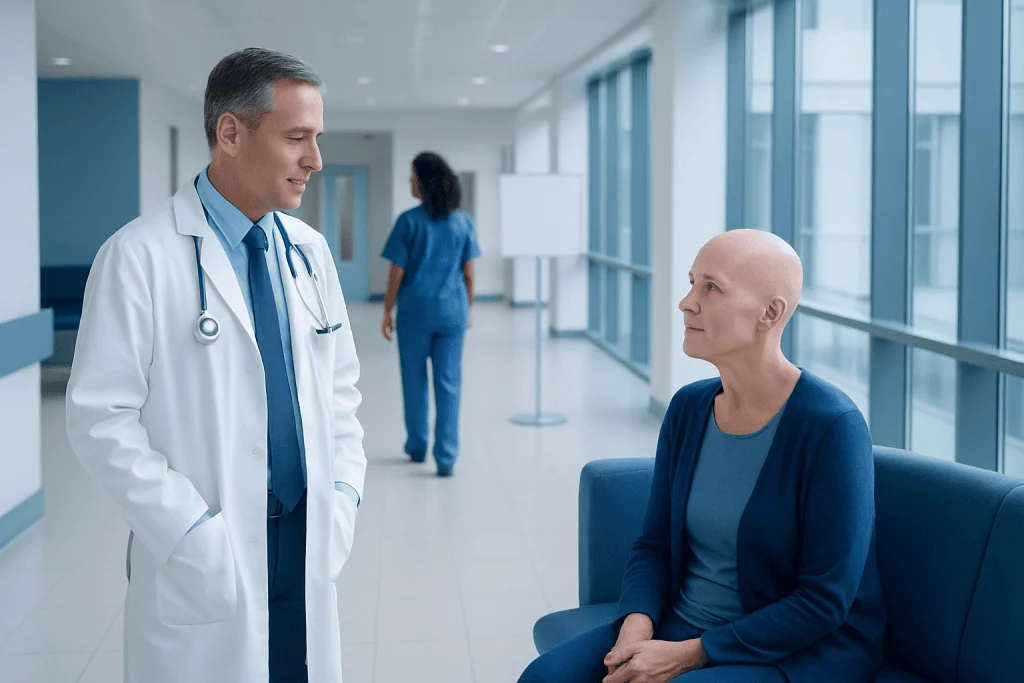
Cancer treatment trials follow detailed protocols designed to protect participants and answer specific research questions. A trial may compare a new approach with standard care, another active treatment or, in some settings, a placebo alongside usual care.
Key Takeaways
- Cancer treatment trials follow detailed protocols designed to protect participants and answer specific research questions.
- A trial may compare a new approach with standard care, another active treatment or, in some settings, a placebo alongside usual care.
- Eligibility depends on factors such as cancer type and stage, previous treatment, laboratory results, general health and tumor characteristics.
- Potential benefits include access to an investigational option and close follow-up; risks include side effects, uncertainty and extra visits or tests.
- Joining a trial is voluntary, and participants may withdraw at any time without losing access to appropriate medical care.
Cancer treatment trials are carefully planned research studies that evaluate new cancer medicines, procedures, combinations of treatments or supportive-care approaches. They may offer access to promising options while helping researchers understand safety and effectiveness, but participation should always be considered with an oncology team.
Cancer treatment trials: an overview
Cancer treatment trials, also called cancer clinical trials, are research studies involving people that assess new ways to prevent, diagnose, treat or manage the effects of cancer and its treatment. In a treatment trial, researchers may study a new medicine, immunotherapy, targeted therapy, vaccine, radiation technique, surgical approach or a combination of established treatments. Each study has a written plan, called a protocol, that explains who may join, what care is provided, how participants are monitored and what outcomes are measured.
Before a treatment can become part of routine cancer care, it must be studied in clinical trials. Early-phase trials mainly examine safety, appropriate dosing and how the body responds to treatment. Later-phase trials generally evaluate whether the approach works better than, as well as, or more safely than current standard care. Participation is voluntary, and informed consent is an ongoing process rather than a single signature.
Trials are not the same as receiving unproven treatment without supervision. They are reviewed by ethics committees and regulated according to national requirements. The research team should explain the purpose of the study, alternatives, expected visits, potential side effects, costs that may or may not be covered, and the right to leave the study at any point.
How cancer treatment trials work
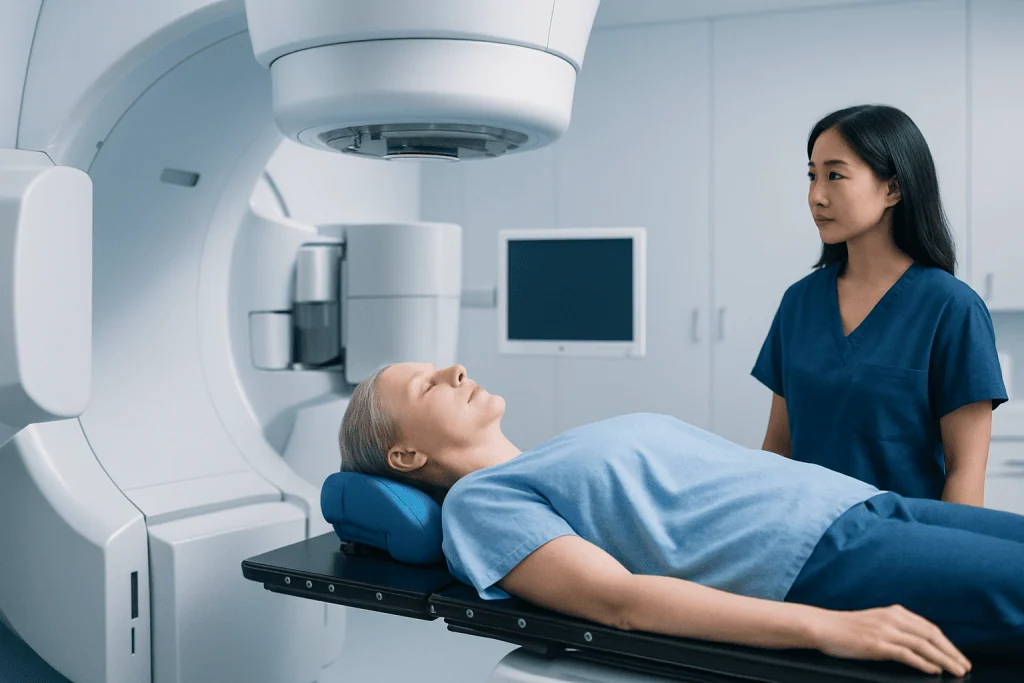
A clinical trial begins with a focused question. For example, researchers may ask whether a targeted treatment helps people whose tumors have a particular genetic change, whether adding immunotherapy improves outcomes, or whether a different schedule reduces side effects. The protocol sets clear eligibility rules and safety procedures so that results can be interpreted responsibly.
Some trials are randomized, meaning a computer assigns participants to one of two or more groups by chance. One group may receive the investigational treatment while another receives standard treatment, or both groups may receive standard treatment with different additions. Randomization helps make comparisons fair. In cancer trials, a placebo is not used instead of effective standard treatment when established treatment is needed; it may be used alongside standard care or when no proven treatment exists for the study question.
Depending on the design, neither the participant nor the treating team may know which treatment is being given until the study ends. This is called blinding and can reduce bias. Participants usually have scheduled examinations, blood tests, scans, questionnaires or tissue samples. The research team watches closely for side effects and may pause, adjust or stop treatment when safety concerns arise.
Many studies investigate approaches related to cancer treatment, including precision medicines chosen using tumor testing and treatments that support quality of life during and after therapy. A person’s usual cancer specialist should remain involved so that trial participation fits safely into the overall treatment plan.
Who may be eligible for a cancer clinical trial?
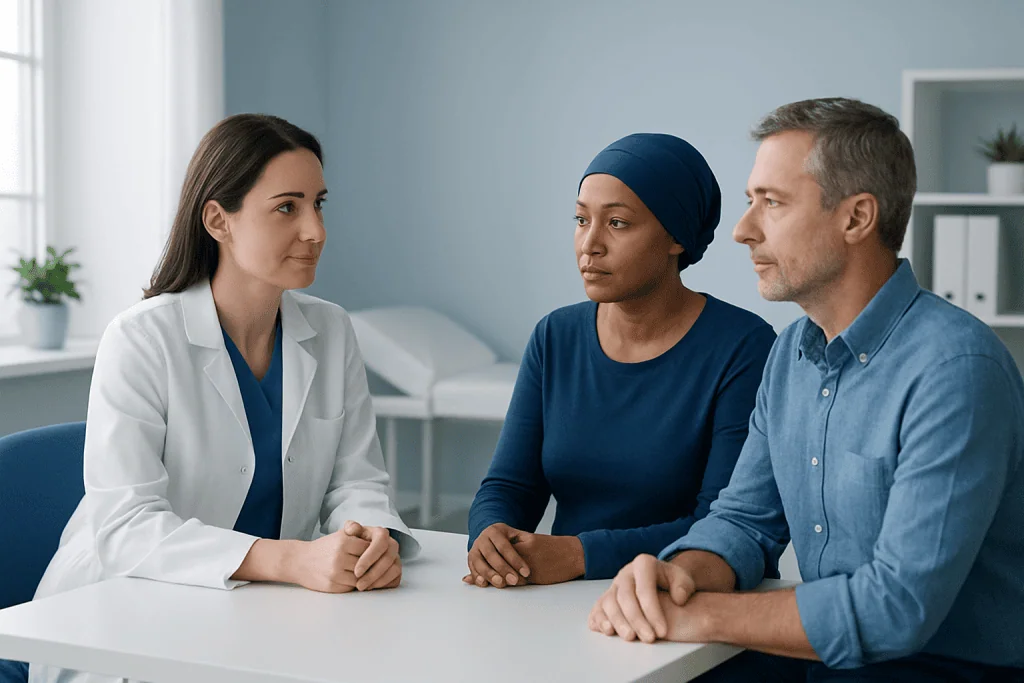
Eligibility criteria are specific to each study. They are not intended to exclude people unfairly; they help protect participants and allow researchers to understand which patients may benefit or experience harm. Criteria may include the exact cancer type, stage, tumor biomarkers, previous therapies, current medicines, organ function, performance status, age and whether cancer has spread or returned.
Some trials are designed for people newly diagnosed with cancer, while others are for people whose cancer has not responded to treatment or has recurred. There are also trials for survivorship, symptom management and prevention. A person may be eligible for one study but not another, and ineligibility does not mean that no appropriate treatment options are available.
Before enrollment, the study team reviews medical records and may arrange screening tests. These can include a physical examination, blood work, imaging, heart testing or review of stored tumor tissue. Molecular testing may be important when a study focuses on a specific gene, protein or immune marker in the cancer.
It is helpful to ask the oncologist whether a suitable study is available locally or at another center. A second opinion can also clarify standard options and research opportunities. Decisions should take account of the person’s medical needs, treatment goals, travel ability, family support and preferences.
What happens step by step in a cancer trial?
1. Discussion and referral: The oncologist or research team explains why a particular study might be relevant. The patient receives a participant information document and has time to ask questions, discuss it with family or seek another medical opinion.
2. Informed consent and screening: If the person wishes to proceed, they sign a consent form and complete screening assessments. Consent does not guarantee enrollment; screening confirms whether the study’s requirements are met. It also does not commit a patient to continue if they later decide participation is no longer right for them.
3. Treatment and monitoring: Eligible participants follow the protocol, which may involve clinic visits, infusions, tablets, surgery, radiation, biopsies, scans or questionnaires. The schedule can be more intensive than routine care. Study staff record outcomes and side effects, while the treating team manages symptoms and makes safety decisions.
4. Follow-up and results: After the active treatment period, participants may have follow-up visits for months or longer. Researchers analyze results after enough information has been collected. Individual participants may not receive immediate answers about whether the investigational treatment was effective, but the study findings can guide future care.
Potential benefits, risks and recovery expectations
A possible benefit of joining a cancer treatment trial is access to an investigational approach that is not yet widely available. Participants may also receive structured follow-up from a research team and contribute to knowledge that could improve future cancer care. However, a trial treatment may not work better than standard treatment, and personal benefit cannot be guaranteed.
Risks depend on the intervention being studied. New medicines can cause known or unexpected side effects, while procedures may carry risks related to anesthesia, bleeding, infection or recovery. Extra blood samples, biopsies, scans and clinic appointments can also be burdensome. The consent discussion should cover likely side effects, serious but less common risks, available alternatives and what happens if the cancer progresses.
There is no single recovery timeline for a cancer trial. Recovery depends on the treatment itself, the cancer type, previous therapies and overall health. A medicine trial may involve continuing treatment cycles and regular monitoring, whereas a surgical or radiation trial may require a more defined recovery period. The team can explain expected day-to-day effects, work or travel considerations and when activity should be adjusted.
Participants should promptly report new symptoms rather than waiting for the next scheduled visit. The research team may provide a 24-hour contact number and clear instructions for urgent concerns. Supportive care, including pain management, nutrition support, emotional support and rehabilitation, remains important whether or not a person takes part in a study.
What percentage of cancer clinical trials are successful?
There is no single percentage that describes success for all cancer clinical trials. Success can mean different things: showing that a treatment is safe enough to study further, demonstrating benefit for a defined group, improving quality of life, or meeting the requirements for regulatory approval. Results vary substantially by cancer type, trial phase, treatment class and the outcome being measured.
Early-phase studies are especially exploratory. Their purpose is often to identify safe dosing and understand side effects rather than to prove that a treatment improves survival. Later-phase trials are more likely to provide the evidence needed to change standard practice, but many still find that a new option is not better than existing care.
A trial that does not lead to a new approved treatment is not necessarily without value. It may show that a treatment should not be pursued, identify a subgroup more likely to respond, improve safety knowledge or help researchers design better studies. Patients should ask what the study defines as success and what is already known about the intervention.
Why do 90% of clinical trials fail?
The statement that 90% of clinical trials fail is an oversimplification, although many investigational cancer treatments do not ultimately become approved standard therapies. A study may be described as unsuccessful if the treatment does not show sufficient benefit, causes unacceptable side effects, cannot be delivered reliably, or does not outperform available treatment. Failure rates also differ widely between drug development stages and disease areas.
Cancer is biologically complex. Tumors can have diverse genetic features, evolve over time and develop resistance to treatment. A treatment that looks promising in laboratory research or early testing may not produce meaningful benefit in a larger and more diverse group of patients. Trials may also end early because enrollment is slow, new evidence changes the standard of care, or the study question is no longer clinically relevant.
Careful trial design and independent safety oversight are intended to identify ineffective or unsafe approaches as early as possible. This protects participants and ensures that resources are directed toward treatments with the greatest potential. Patients considering a study can ask about its phase, the evidence available so far and the reasons the researchers believe it may help.
How long do cancer trials usually last?
The length of a cancer trial varies. An individual participant’s active involvement may last days, weeks, months or sometimes years, depending on the treatment schedule and whether it continues to help without causing unacceptable side effects. Follow-up after treatment may continue longer so researchers can assess lasting effects, recurrence and survival.
The full study often takes several years from opening enrollment to publication of results. Time is needed to recruit enough participants, deliver treatment, observe outcomes and analyze data. Trials studying early-stage cancer or prevention may require longer follow-up than studies focused on short-term tumor response in advanced cancer.
Before enrolling, patients should ask how often visits are required, whether tests must take place at the trial center, what happens during holidays or travel, and how long follow-up may continue. Understanding the practical commitment can make it easier to decide whether the study is manageable alongside everyday responsibilities.
Are clinical trials worth it for cancer?
For some people, a cancer clinical trial can be a worthwhile option; for others, standard treatment may be the better choice. The answer depends on the type and stage of cancer, available proven treatments, prior care, the study’s purpose, possible risks, personal goals and practical considerations. A trial should be viewed as one treatment option to evaluate carefully, not as a last resort or a guaranteed route to better outcomes.
A useful conversation with the oncology team includes asking: What is the goal of this trial? Which treatments would be considered standard outside the trial? What is known about benefits and side effects? Could assignment be randomized? What visits, tests and travel are required? What happens if the treatment does not help, or if the participant chooses to stop?
It can be valuable to bring a family member, caregiver or trusted friend to the discussion and write down questions in advance. Patients should not feel pressured to decide immediately unless the clinical situation is urgent. At Acibadem International, multidisciplinary specialists in JCI-accredited hospitals can help international patients review cancer treatment options and clinical-trial suitability alongside standard oncology care.
When to seek medical care
Anyone with a new cancer diagnosis, a cancer that has returned, or cancer that is not responding as expected should discuss all appropriate treatment options with an oncology specialist. This may include asking whether clinical trials are available. A trial may be considered at many points in care, not only after multiple treatments have been tried.
A person already enrolled in a study should contact the research team promptly for new or worsening symptoms, including fever, breathing difficulty, severe pain, persistent vomiting, unusual bleeding, confusion, significant weakness or symptoms that feel urgent. For severe or life-threatening symptoms, emergency medical care is needed.
It is also important to seek medical advice before stopping cancer medication, using supplements or starting another treatment during a trial. These changes can affect safety and the interpretation of results. The oncology and research teams can coordinate care and advise on the safest next steps.
Frequently asked questions
What is the difference between a cancer clinical trial and standard treatment?
Standard treatment is care that has already been shown to be effective and is accepted for routine use. A cancer clinical trial studies an approach that is new, modified or being tested in a specific patient group. Some trials compare the investigational approach with standard treatment, while others add it to standard care.
Can a person leave a cancer treatment trial after joining?
Yes. Participation is voluntary, and a participant can choose to leave a trial at any time. The research and oncology teams should discuss safe next steps and alternative treatment options, especially if treatment needs to continue.
Will everyone in a cancer trial receive the new treatment?
Not always. In randomized trials, a computer may assign participants to different groups, such as investigational treatment versus standard care. The consent process should clearly explain the possible groups and the chance of receiving each approach, if known.
Are cancer clinical trials safe?
Clinical trials include safeguards such as protocol review, informed consent, eligibility screening and ongoing monitoring. However, all cancer treatments can have risks, and investigational treatments may have side effects that are not yet fully understood. The study team should explain known and possible risks before enrollment.
Do clinical trials replace a patient’s oncologist?
No. The research team works alongside the patient’s oncology care team, although responsibilities may differ by study and treatment center. Good communication between clinicians helps ensure that trial participation fits into the overall care plan.
Can someone join a trial for any type of cancer?
Trials exist for many cancer types, stages and treatment settings, but every study has detailed eligibility criteria. Factors such as tumor characteristics, previous treatment and overall health determine whether a particular person can participate. An oncologist can help identify studies that may be relevant.
References
- National Cancer Institute
- U.S. Food and Drug Administration
- American Cancer Society
- World Health Organization
- European Medicines Agency
This article is for general information only and is not a substitute for professional medical advice. Please consult a qualified doctor about your individual situation.
Oncology care in Turkey — second opinion and treatment plan
JCI-accredited · board-certified surgeons · reply within 24h
Add us as a Preferred Source to see more of our trusted health content across Google Search, AI Overviews and Discover.

More from the Health Library

Testicular Cancer Treatment Los Angeles: How It Works, Results and What to Expect
Top 10 Hospitals for Bone Marrow Transplant Usa: Procedure, Recovery and Results