Top 10 Hospitals for Bone Marrow Transplant Usa: Procedure, Recovery and Results

A bone marrow transplant, also called a hematopoietic stem cell transplant, replaces unhealthy or damaged blood-forming cells with healthy stem cells. Hospital selection should consider accreditation, experience with the specific disease and transplant type, donor services, infection prevention and long-term follow-up.
Key Takeaways
- A bone marrow transplant, also called a hematopoietic stem cell transplant, replaces unhealthy or damaged blood-forming cells with healthy stem cells.
- Hospital selection should consider accreditation, experience with the specific disease and transplant type, donor services, infection prevention and long-term follow-up.
- Recovery is usually demanding and varies widely; close monitoring is particularly important during the first several months after transplant.
- Transplants can offer cure or long-term disease control for selected blood cancers, bone marrow disorders and immune conditions, but they also carry significant risks.
- Some people live for decades after a successful transplant, especially when the original disease remains controlled and serious complications are avoided.
The top 10 hospitals for bone marrow transplant USA are generally large academic medical centers with accredited blood and marrow transplant programs, experienced multidisciplinary teams and access to clinical trials. However, the best transplant hospital is individual: it should match the person’s diagnosis, transplant type, donor situation, age, health needs and practical support requirements.
Overview: Choosing a Bone Marrow Transplant Hospital
People searching for the top 10 hospitals for bone marrow transplant USA are usually looking for a safe, experienced center rather than a simple ranking. Bone marrow transplant is more accurately called hematopoietic stem cell transplantation (HSCT). It uses blood-forming stem cells to restore marrow function after high-dose treatment or when marrow is not producing healthy blood cells.
In the United States, transplant programs are commonly evaluated through accreditation, quality reporting, transplant volume, disease-specific expertise, donor-search capabilities, laboratory support and access to intensive care. The Foundation for the Accreditation of Cellular Therapy (FACT) and reporting systems supported by the Center for International Blood and Marrow Transplant Research are important markers patients may review with their treating team.
A transplant center should also be assessed for how well it can support the whole person. This includes infectious disease specialists, transfusion medicine, pathology, nutrition, fertility preservation, rehabilitation, mental health care, social work and coordinated follow-up after returning home. A second opinion can be helpful when transplant is being considered.
What are the top bone marrow transplant centers in the United States?
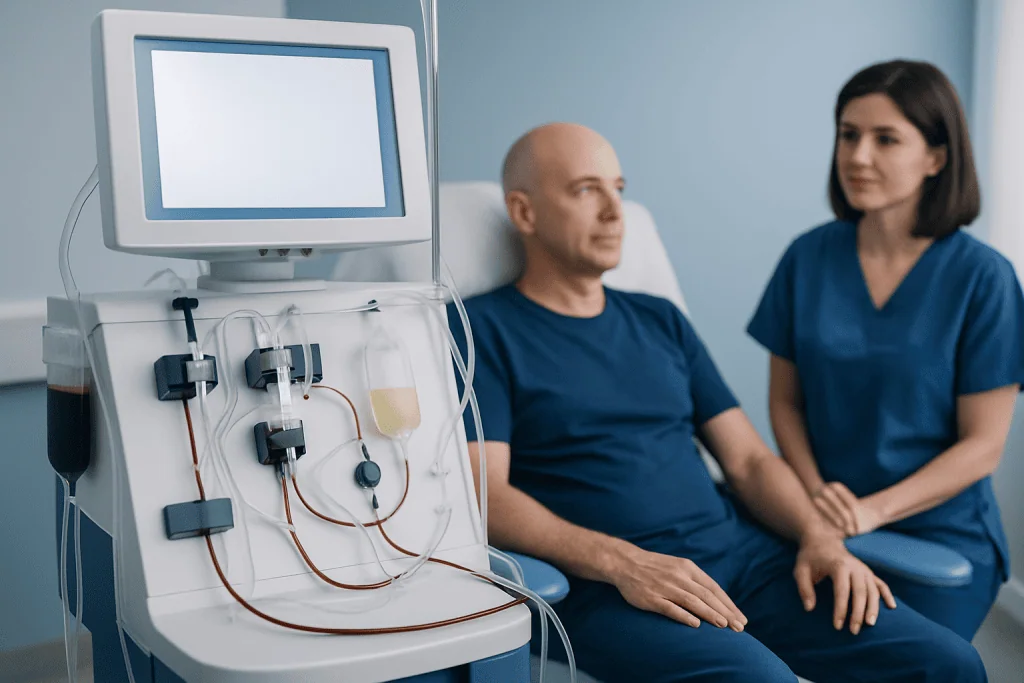
Rather than naming one universal ranking, it is more accurate to identify leading United States programs that are widely recognized for comprehensive blood and marrow transplantation services. Examples often considered by patients and referring clinicians include MD Anderson Cancer Center, Memorial Sloan Kettering Cancer Center, Mayo Clinic, Dana-Farber Brigham Cancer Center, Fred Hutchinson Cancer Center, City of Hope, Cleveland Clinic, Stanford Health Care, Johns Hopkins Medicine and the University of Minnesota Medical Center.
These organizations differ in their disease focus, adult and pediatric services, research programs, donor approaches and eligibility criteria. Inclusion on a list does not mean one center is best for every person, and program characteristics can change over time. Patients should verify current accreditation, outcomes reporting and whether a program routinely performs the particular transplant being recommended.
Useful questions include whether the team has experience with the underlying condition, whether it performs allogeneic and autologous transplants, how donor matching is managed, what emergency services are available and how aftercare is coordinated. For rare conditions, a center with focused expertise may be more valuable than a general reputation alone.
What hospital is best for bone marrow transplant?

The best hospital for bone marrow transplant is the one that can safely deliver the appropriate transplant for the individual’s disease and personal circumstances. A person with acute leukemia may need a different program than someone with lymphoma, multiple myeloma, aplastic anemia, myelodysplastic syndrome or an inherited blood disorder. The recommended hospital should be able to explain why transplant is appropriate, which type is planned and what alternatives may exist.
Important practical considerations include the availability of a suitable donor, the ability to stay near the transplant center for follow-up, insurance and referral requirements, language support and the presence of a reliable caregiver. Many centers expect patients to remain within a specified distance for an initial period after discharge because infections and other complications can develop quickly.
For people traveling internationally, care should be planned well ahead of time so medical records, donor information, visa arrangements and continuity of follow-up are addressed. Acibadem International’s multidisciplinary specialists and JCI-accredited hospitals support evaluation and treatment planning for international patients who may be considering bone marrow transplant care.
How Bone Marrow Transplant Works and Who May Be a Candidate
Stem cells are immature cells that can develop into red blood cells, white blood cells and platelets. In an autologous transplant, the patient’s own stem cells are collected before intensive treatment and then returned afterward. In an allogeneic transplant, cells come from a related, unrelated or cord-blood donor. An allogeneic transplant may also provide an immune effect that helps attack remaining cancer cells, but it has additional immune-related risks.
Transplant may be considered for certain leukemias, lymphomas, multiple myeloma, myelodysplastic syndromes, aplastic anemia and selected inherited or immune disorders. Whether it is suitable depends on disease features, response to earlier treatment, remission status, donor availability, organ function, age, overall fitness and the person’s preferences. A transplant consultation does not necessarily mean a transplant will be recommended.
Before proceeding, the team performs blood tests, infection screening, heart and lung assessments, imaging when needed and a detailed review of medications and medical history. Fertility preservation, dental health, vaccination history, nutrition and emotional wellbeing may also be discussed. These assessments help reduce avoidable risks and tailor the treatment plan.
Bone Marrow Transplant Procedure: Step by Step
The process usually begins with consultation, testing and a donor search if an allogeneic transplant is planned. For an autologous transplant, stem cells are typically mobilized from the marrow into the bloodstream, collected through a machine and frozen. Donor cells may be collected from circulating blood, marrow or, less commonly, stored cord blood.
Next comes conditioning, which may involve chemotherapy, radiation therapy or lower-intensity medicines. Conditioning reduces diseased cells, makes room in the marrow for incoming cells and, for some allogeneic transplants, suppresses immune reactions. The intensity is selected carefully according to the disease, transplant goal and the patient’s health.
The stem cell infusion itself is usually similar to a blood transfusion and is given through a central venous catheter. The cells travel to the bone marrow spaces and begin the process known as engraftment. During the period before blood counts recover, the patient needs close observation, transfusions when appropriate, infection prevention and management of treatment side effects.
In an allogeneic transplant, medicines are used to lower the chance of graft-versus-host disease, in which donor immune cells attack the recipient’s tissues. The transplant team monitors blood counts, symptoms, organ function and signs of infection closely throughout the hospital stay and early outpatient phase.
Is it hard to recover from a bone marrow transplant?
Recovery from a bone marrow transplant is often challenging, but the experience is highly individual. The first weeks can involve fatigue, low blood counts, nausea, appetite changes, mouth soreness, diarrhea, infection risk and emotional stress. Recovery may be more complex after an allogeneic transplant because immune suppression and graft-versus-host disease require additional monitoring.
Engraftment commonly occurs within weeks, although the exact timing depends on the stem cell source and transplant type. Many people need several months before energy, appetite and daily routines begin to improve more consistently. Immune recovery can take longer, and some vaccines may need to be repeated after the transplant according to the care team’s schedule.
Follow-up appointments, blood tests and medication adjustments are frequent in the early months. Patients are commonly advised to follow food-safety guidance, avoid exposure to people with contagious illnesses, protect themselves from excessive sun exposure and contact the transplant team promptly about concerning symptoms. Physical activity and rehabilitation are introduced gradually to rebuild strength safely.
Benefits, Risks and Long-Term Results
The main potential benefit of transplant is the chance to cure a disease, extend remission or restore healthy blood-cell production when other treatments are unlikely to be sufficient. For some conditions, it is the only treatment with curative potential. For others, including some lymphomas and myeloma, an autologous transplant may deepen or prolong response as part of a broader treatment plan.
Risks depend on the transplant type, conditioning regimen, disease status and individual health. They can include severe infection, bleeding, organ injury, infertility, cataracts, secondary cancers, relapse or graft failure. Allogeneic transplantation can cause acute or chronic graft-versus-host disease, affecting the skin, digestive system, liver, eyes, mouth, lungs or other organs.
Long-term outcomes cannot be predicted from a hospital name or a single statistic. They depend strongly on the disease, its stage, donor match, response before transplant, complications and quality of follow-up. The transplant team should discuss expected benefits and risks in the context of the person’s own clinical situation.
Ongoing survivorship care is important even after a good recovery. This can include cancer surveillance where relevant, vaccination planning, screening for hormonal or bone health effects, management of chronic graft-versus-host disease and support for returning to work, school and family life.
Can you live 20 years after a bone marrow transplant?
Yes. Many people can live 20 years or longer after a bone marrow transplant, particularly when the underlying disease remains controlled and major long-term complications are prevented or managed effectively. Long-term survival is possible after both autologous and allogeneic transplant, but individual outcomes vary considerably.
People who have had a transplant benefit from lifelong or long-term medical follow-up. Some late effects may appear years later, even if recovery initially goes well. Regular follow-up allows clinicians to monitor health, support healthy lifestyle choices and address complications at an earlier stage.
It is reasonable to ask the transplant team about outcomes for people with the same diagnosis, disease stage and transplant approach. Personalized discussion is more meaningful than general survival estimates because outcomes differ widely across diseases and patient groups.
When to Seek Medical Care
Anyone being evaluated for transplant should contact their hematology or transplant team promptly if they develop fever, chills, shortness of breath, chest pain, new rash, uncontrolled vomiting or diarrhea, unusual bleeding, severe pain, confusion or a sudden decline in how they feel. During immune suppression, even seemingly mild signs of infection may need urgent assessment.
After discharge, patients should follow the center’s specific emergency instructions. It is important not to self-treat a possible infection with leftover medicines or delay contacting the transplant team because blood counts and immune function may be reduced.
People who have symptoms that could reflect a blood disorder, such as persistent fatigue, recurrent infections, unexplained bruising or enlarged lymph nodes, should arrange a medical assessment. Earlier evaluation can help clarify whether specialist hematology care is needed.
Frequently asked questions
What is the difference between bone marrow transplant and stem cell transplant?
These terms are often used interchangeably. Hematopoietic stem cell transplant is the broader medical term because stem cells may be collected from circulating blood, bone marrow or cord blood. All methods aim to restore healthy blood formation.
How long do patients stay in the hospital after a bone marrow transplant?
The length of stay depends on the transplant type, conditioning treatment, blood-count recovery and complications. Some patients remain hospitalized for several weeks, while others may receive parts of their care as closely monitored outpatients. The transplant team provides an individualized plan.
Is a donor always needed for a bone marrow transplant?
No. An autologous transplant uses the patient’s own previously collected stem cells, so a donor is not required. An allogeneic transplant uses donor cells and requires careful matching and donor evaluation.
Can older adults have a bone marrow transplant?
Age alone does not determine eligibility. Clinicians consider overall fitness, heart and lung function, other medical conditions, disease characteristics and the intensity of treatment required. Reduced-intensity approaches may be suitable for selected patients.
What should patients ask a bone marrow transplant center?
Patients can ask about the team’s experience with their condition, the proposed transplant type, donor options, expected recovery, infection prevention and follow-up arrangements. It is also helpful to ask how urgent concerns are handled and what support is available for caregivers and people traveling from another region.
What happens if graft-versus-host disease develops?
Graft-versus-host disease can occur after an allogeneic transplant when donor immune cells react against the recipient’s tissues. Symptoms and severity vary, and treatment may include medicines that adjust immune activity along with supportive care. Prompt reporting of new rash, diarrhea, jaundice, dry eyes, mouth sores or breathing symptoms is important.
References
- National Cancer Institute
- Center for International Blood and Marrow Transplant Research
- Foundation for the Accreditation of Cellular Therapy
- American Society of Hematology
- National Marrow Donor Program
This article is for general information only and is not a substitute for professional medical advice. Please consult a qualified doctor about your individual situation.
Bone Marrow Transplant in Turkey — costs, top hospitals & a free quote
JCI-accredited · board-certified surgeons · reply within 24h
Add us as a Preferred Source to see more of our trusted health content across Google Search, AI Overviews and Discover.

Organ Transplantation
Kidney, liver and bone-marrow transplantation programs with dedicated coordination.
4 specialists in this unitMore from the Health Library


Related Specialists

Assoc. Prof. Dr. Murat Baştopcu
Cardiovascular Surgery
Prof. Dr. Mehmet Ali Vardar
Gynecology & Obstetrics
Psk. Elvan Memiç
Psychology
Prof. Dr. Yüksel Ersoy
Physical Medicine & Rehabilitation