Testicular Cancer Treatment Los Angeles: How It Works, Results and What to Expect
Removing the affected testicle through an incision in the groin is both the main diagnostic and initial treatment procedure for most suspected testicular cancers. Many people need no additional treatment after surgery, while others benefit from surveillance, chemotherapy, radiation therapy or lymph-node surgery.
Key Takeaways
- Removing the affected testicle through an incision in the groin is both the main diagnostic and initial treatment procedure for most suspected testicular cancers.
- Many people need no additional treatment after surgery, while others benefit from surveillance, chemotherapy, radiation therapy or lymph-node surgery.
- Testicular cancer is often highly treatable, including when it has spread, especially with timely specialist care.
- The number of chemotherapy cycles depends on the cancer type, stage, tumor markers and prior treatment; it is individualized rather than fixed for every patient.
- A painless lump, swelling, heaviness or persistent ache in a testicle should be assessed promptly by a clinician.
Testicular cancer treatment Los Angeles usually begins with prompt assessment by a urologist and removal of the affected testicle, called radical inguinal orchiectomy. Further care depends on the cancer type, stage, tumor-marker results and individual circumstances; options may include active surveillance, chemotherapy, radiation therapy or surgery to remove lymph nodes.
Overview: How Testicular Cancer Treatment Works
Testicular cancer treatment Los Angeles involves a carefully planned combination of diagnosis, surgery and, when appropriate, additional treatment to reduce the chance of recurrence or treat disease that has spread. The usual first treatment is radical inguinal orchiectomy, an operation that removes the affected testicle through the groin rather than through the scrotum. The removed tissue is examined to confirm the diagnosis and identify the specific tumor type.
Care is guided by a multidisciplinary team that may include a urologist, medical oncologist, radiation oncologist, radiologist, pathologist, fertility specialist and supportive-care professionals. The plan is based on whether the tumor is a seminoma or nonseminoma, the stage, blood tumor-marker results, imaging findings and the person’s health priorities.
Most cases occur in one testicle. Removing one testicle generally does not prevent a person from having erections, producing testosterone or fathering children if the other testicle is healthy. However, fertility can be affected by cancer itself or later treatment, so sperm banking is commonly discussed before chemotherapy, radiation therapy or certain lymph-node operations.
Who May Need Treatment and How It Is Diagnosed
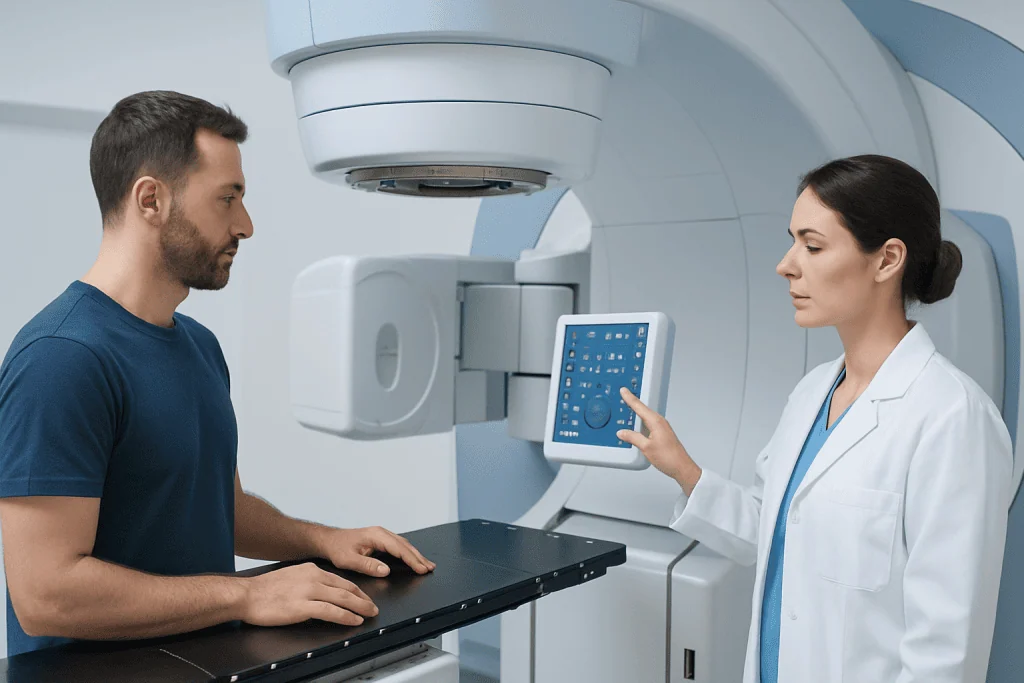
A testicular mass or suspicious ultrasound finding needs timely medical assessment. Diagnosis commonly includes a physical examination, scrotal ultrasound and blood tests for tumor markers such as alpha-fetoprotein, beta-human chorionic gonadotropin and lactate dehydrogenase. These markers can help classify the cancer, assess treatment response and support follow-up, but normal markers do not rule out cancer.
When cancer is suspected, clinicians generally avoid a needle biopsy through the scrotum because it may alter lymphatic drainage and is usually unnecessary. Instead, radical inguinal orchiectomy provides the tissue needed for a definitive diagnosis while also removing the primary tumor.
After pathology results are available, CT scans of the chest, abdomen and pelvis are often used to look for enlarged lymph nodes or spread elsewhere. The team then assigns a stage and discusses whether surgery alone, structured surveillance, chemotherapy, radiation therapy or further surgery is most appropriate.
- Stage I: cancer appears limited to the testicle.
- Stage II: cancer has spread to nearby lymph nodes, usually in the abdomen.
- Stage III: cancer has spread to more distant lymph nodes or organs.
Treatment Step by Step: Surgery, Surveillance and Additional Therapy
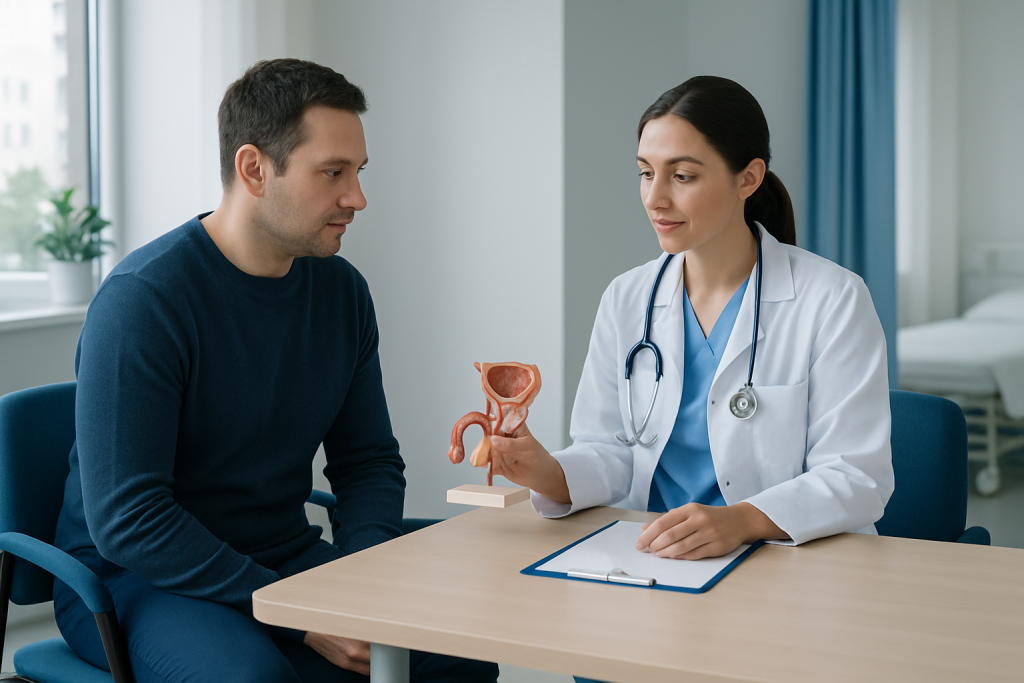
The first procedural step for most people is radical inguinal orchiectomy. Under anesthesia, the surgeon makes an incision in the groin, removes the testicle and spermatic cord, and closes the incision. A testicular prosthesis may be considered for those who would like one; this can sometimes be placed during the same operation or at a later time.
Following surgery, some people with low-risk stage I disease choose active surveillance. This means scheduled examinations, tumor-marker blood tests and imaging rather than immediate additional therapy. Surveillance is an active care strategy: it aims to detect recurrence early, when treatment remains very effective, while avoiding unnecessary treatment for people who may already be cured by surgery.
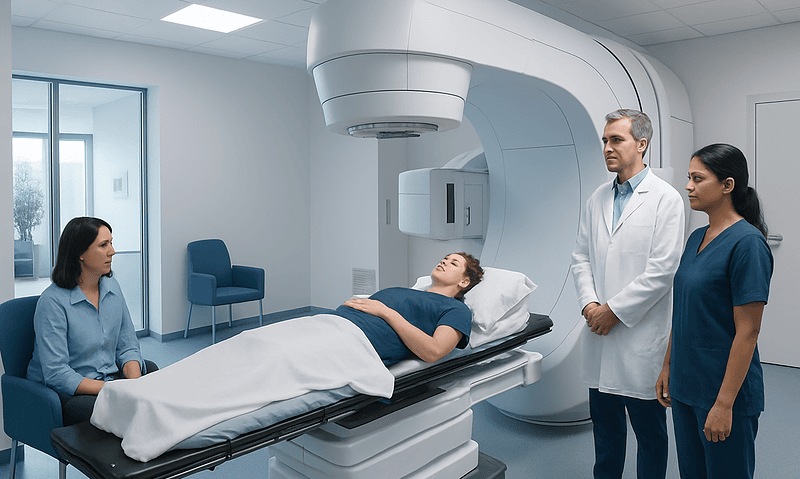
If further treatment is advised, options may include chemotherapy, radiation therapy for selected seminoma cases, or retroperitoneal lymph node dissection, which removes lymph nodes at the back of the abdomen. Chemotherapy is often used for higher-risk disease, recurrence or metastatic cancer. Radiation has a more limited role than in the past and is usually considered only for carefully selected seminoma cases.
Residual masses after chemotherapy may need additional evaluation or surgery, particularly with nonseminoma. Decisions are individualized and should be reviewed by specialists experienced in testicular cancer and its long-term follow-up.
How Quickly Does Testicle Cancer Spread?
Testicular cancer does not behave the same way in every person. Some tumors remain confined to the testicle for a period, while others can spread to lymph nodes in the abdomen or, less commonly, to the lungs and other organs. Nonseminomas may grow or spread more quickly than seminomas on average, but there is substantial variation between individuals.
It is not possible to determine the pace of spread from symptoms alone. Ultrasound, tumor markers, pathology and staging scans provide the information needed to understand the situation accurately. A new lump, enlargement, firmness, heaviness or persistent discomfort should therefore be assessed without delay, even when it is painless.
Prompt assessment is important, but people should not assume that a scrotal change is cancer. Infection, fluid collections, cysts, varicoceles and injury can also cause symptoms. A clinician can distinguish among these conditions through examination and imaging.
How Successful Is Treatment for Testicular Cancer?
Testicular cancer is among the solid cancers with the strongest treatment outcomes overall. Many people are cured with surgery alone when disease is found at an early stage, and modern chemotherapy, surgery and carefully selected radiation therapy can also cure many people with more advanced disease.
Outcome depends on the cancer type and stage, tumor-marker levels, sites of spread, response to initial therapy and overall health. For this reason, clinicians discuss prognosis using individual pathology and staging information rather than a single percentage that may not apply to a particular person.
Long-term follow-up remains important after successful treatment. Follow-up appointments may include examinations, tumor markers and scans at intervals that become less frequent over time. They are designed to identify recurrence early and to monitor potential late effects, such as changes in fertility, testosterone levels, hearing, kidney function, cardiovascular health or lung function after particular treatments.
Is Testicular Cancer One of the Worst Cancers?
Testicular cancer is serious and should always be evaluated and treated by qualified clinicians, but it is not generally considered one of the cancers with the poorest outlook. It is often very responsive to treatment, including in many situations where cancer has spread beyond the testicle.
Its treatment can still have meaningful physical and emotional effects. People may have concerns about body image, sexual health, fertility, work, relationships and fear of recurrence. Discussing these concerns with the care team can help ensure that support services, fertility preservation and survivorship planning are included from the start.
Having one testicle removed usually does not cause low testosterone if the remaining testicle functions normally. If symptoms of low testosterone occur after treatment, clinicians can assess hormone levels and discuss appropriate care.
How Many Rounds of Chemo Is Normal for Testicular Cancer?
There is no single normal number of chemotherapy rounds for every person with testicular cancer. The number of cycles depends on the tumor type, stage, risk group, tumor-marker pattern, whether treatment is being given after surgery or for metastatic disease, and how well the person tolerates therapy.
Some individuals with stage I disease may be offered a short course of chemotherapy to lower recurrence risk, while others are monitored with surveillance instead. People with more extensive disease may need several cycles of a platinum-based combination regimen. The oncology team explains the recommended schedule, expected benefits, alternatives and monitoring before treatment begins.
Before chemotherapy, clinicians may check kidney function, hearing, lung function and blood counts because certain medicines can affect these systems. During treatment, the team monitors for infection risk, nausea, fatigue, neuropathy, hearing changes and other side effects. Reporting new symptoms early allows supportive care to be adjusted safely.
Recovery, Risks and When to Seek Medical Care
After orchiectomy, many people go home the same day or after a short stay. Groin soreness, bruising and swelling can occur initially. Light activity may be possible within days, but heavy lifting, vigorous exercise and sexual activity are usually postponed until the surgeon confirms healing is adequate. Recovery from chemotherapy, radiation or lymph-node surgery may take longer and varies by treatment intensity.
Potential risks of orchiectomy include bleeding, infection, pain, scarring and anesthesia-related complications. Additional treatments can carry risks such as fatigue, fertility effects, nerve symptoms, hearing changes, kidney effects, bowel changes or longer-term cardiovascular concerns. The purpose of treatment planning is to balance cancer control with minimizing avoidable treatment burden.
When to seek medical care: A person should arrange prompt medical evaluation for a new lump, persistent swelling, enlargement, hardness, a heavy feeling in the scrotum or ongoing testicular ache. Urgent assessment is needed for sudden severe testicular pain, especially with nausea or vomiting, because testicular torsion is a time-sensitive emergency. During cancer treatment, fever, chills, shortness of breath, uncontrolled vomiting, unusual bleeding or severe new pain should be reported urgently to the treating team.
Acibadem International’s multidisciplinary specialists and JCI-accredited hospitals diagnose and treat testicular cancer for international patients, with care coordinated around staging, fertility considerations and follow-up needs.
Frequently asked questions
What is the first treatment for testicular cancer?
For most suspected testicular cancers, the first treatment is radical inguinal orchiectomy. This operation removes the affected testicle through an incision in the groin and provides tissue to confirm the diagnosis. Further treatment is determined after pathology and staging are complete.
Can a person live normally with one testicle?
Yes. When the remaining testicle is healthy, most people continue to produce enough testosterone and can have normal erections and sexual function. Fertility may also remain normal, although cancer and certain treatments can affect sperm production, so fertility discussions are important before additional therapy.
Is chemotherapy always needed after testicular cancer surgery?
No. Many people, particularly those with selected stage I cancers, can have surgery followed by surveillance. Chemotherapy may be recommended when the estimated risk of recurrence is higher, when cancer has spread, or when disease returns after initial treatment.
How long is recovery after testicular cancer surgery?
Initial recovery after orchiectomy is often measured in days to a few weeks, though timelines differ. The surgical team provides personalized instructions about wound care, driving, work, exercise and sexual activity. Recovery may be longer if lymph-node surgery or other treatment is needed.
Can testicular cancer come back after treatment?
It can recur, which is why structured follow-up is important. The chance and timing of recurrence depend on the cancer type, stage and treatment received. Regular imaging and tumor-marker testing, when advised, can help detect recurrence early.
Should sperm be frozen before testicular cancer treatment?
Sperm banking is often recommended for people who may want biological children in the future, especially before chemotherapy, radiation therapy or retroperitoneal lymph node surgery. It may also be considered before orchiectomy if there are fertility concerns or the other testicle is not healthy. A fertility specialist can explain available options without delaying necessary cancer care.
References
- National Cancer Institute
- American Cancer Society
- European Association of Urology
- National Comprehensive Cancer Network
- American Urological Association
This article is for general information only and is not a substitute for professional medical advice. Please consult a qualified doctor about your individual situation.
Testicular Cancer in Turkey — costs, top hospitals & a free quote
JCI-accredited · board-certified surgeons · reply within 24h
Add us as a Preferred Source to see more of our trusted health content across Google Search, AI Overviews and Discover.

More from the Health Library

Related Specialists

Prof. Dr. Mehmet Akif Özdemir
Pediatrics
Assoc. Prof. Dr. Elif Şenocak Taşçı
Medical Oncology
Dr. Cevdet Hekimoğlu
Gynecology & Obstetrics
Dr. Başaran Koç
Family Medicine