

Currency Exchange and Cash Tips for Medical Travelers in Turkey
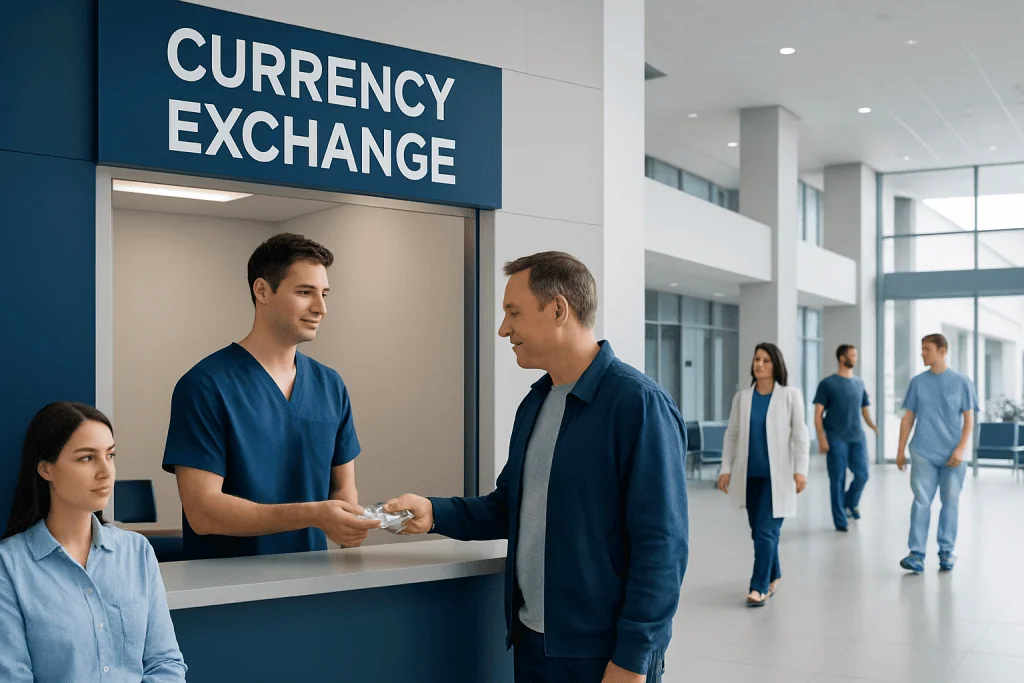
Medical travelers in Turkey can usually pay major hospital costs by card or bank transfer, while keeping a modest amount of Turkish lira in cash is useful for small daily expenses such as taxis, pharmacies, and food. At Acibadem, international patient services can guide you on practical payment options, exchange basics, and everyday cash use during your visit.
A little money planning makes your medical trip to Turkey calmer from the moment you land. This guide explains how to handle Turkish lira, cards, cash, exchange offices, ATMs and hospital payments with confidence.
At a glance
- Local currency: Turkish lira is used for taxis, cafes, pharmacies and small purchases.
- Best approach: Use a mix of cards and modest cash rather than carrying large amounts.
- Before travel: Tell your bank you will be in Turkey and check international card fees.
- Hospital payments: Confirm accepted payment methods with your International Patient Services contact.
- Safety tip: Exchange money only at banks, airport counters, hotel desks or licensed exchange offices.
Why money planning matters for medical travel
When you travel for healthcare, money questions can feel more stressful than ordinary holiday budgeting. You may be thinking about airport transfers, consultation times, prescriptions, meals for your companion and possible changes to your stay. Having a simple cash and card plan helps you focus on your care instead of searching for an ATM when you are tired after a flight.
In Turkey, many everyday payments are straightforward, but they may not work exactly like they do at home. Larger hotels, hospitals, shopping centers and restaurants usually accept international cards, while smaller taxis, local cafes, pharmacies or delivery services may prefer Turkish lira in cash. Keeping a modest amount of local currency with you is practical, especially during your first 24 hours.
At Acibadem International, the International Patient Services team can help you understand payment steps related to your hospital visit, including where to pay, which documents to keep and how to ask for assistance if your card is declined. They cannot replace your bank or financial advisor, but they can make hospital logistics clearer and less overwhelming.
Understanding Turkish lira, cards and everyday spending
The official currency in Turkey is the Turkish lira, often shown as TRY or TL. You will use it for small purchases such as bottled water, snacks, short taxi rides, pharmacy items, tips and local errands. Even if your hospital quote or accommodation booking is discussed in another currency, daily life outside the hospital is mostly priced in lira.
International debit and credit cards are widely used in major Turkish cities, including Istanbul, Ankara, Izmir, Bodrum and other medical travel destinations. Visa and Mastercard are commonly accepted; other cards may be less widely accepted, so it is wise to bring a backup card if you have one. Contactless payments are common, but for higher amounts you may need your PIN.
Before you travel, check three things with your bank: whether your card will work in Turkey, what foreign transaction and ATM withdrawal fees apply, and whether you need to activate international use. It is also helpful to raise your daily card limit temporarily if you expect larger medical or accommodation payments, but only after confirming the amount and timing with the relevant provider.
Where to exchange currency safely in Turkey

You can exchange foreign currency at airports, banks, licensed exchange offices, some hotels and occasionally at shopping centers. Airport exchange counters are convenient when you first arrive, but their rates or fees may not be the most favorable. A practical approach is to exchange only a small amount at the airport for immediate needs, then compare options later when you are settled.
Licensed exchange offices are common in busy city areas and are often marked with words such as “Döviz” or “Exchange.” Look for a clear rate board, ask whether there is a commission, and count your money before leaving the counter. Keep the receipt, especially if you exchanged a larger amount or may need records for reimbursement.
Avoid exchanging money with unofficial street sellers, strangers offering a better rate, or drivers who suggest informal exchange. These situations create unnecessary risk and can be difficult to resolve if there is a misunderstanding. If you are staying near an Acibadem hospital, your patient services contact or hotel concierge can usually point you toward safer, more established options in the area.
How much cash should you carry?
For most medical travelers, the safest plan is to carry enough cash for small daily needs, not for your entire treatment or accommodation budget. Carrying large amounts can increase anxiety and makes loss or theft more serious. Use cards or bank transfers for larger planned payments whenever possible, after confirming accepted methods in advance.
Think in categories rather than trying to guess one perfect number. You may need cash for arrival transportation, small meals, tips, pharmacy co-payments, local phone SIM setup, laundry, or quick purchases for your companion. If your transfer is arranged by your hospital or hotel, your first-day cash needs may be lower.
It is wise to split cash between a secure wallet, a hotel safe and a separate backup pouch. Do not keep all cards and money in one bag, especially when traveling between the airport, hotel and hospital. If you are coming for surgery or a procedure, give your companion or trusted caregiver a small cash reserve so they can manage errands while you rest.
Hospital payments, deposits and financial documents
Hospital payment processes vary depending on your treatment plan, insurance status, quote, package details and any changes recommended after evaluation. Before you travel, ask for written guidance on what is included, what may be billed separately and when payment is expected. This helps prevent confusion on admission day, when you may already be focused on medical appointments.
Acibadem International’s teams work with many international patients and can guide you through practical payment logistics at JCI-accredited hospitals, including cashier locations, invoice requests and interpreter support when needed. If you plan to pay by card, confirm card limits with your bank and bring the physical card used for any pre-authorization or booking. If your insurance or embassy is involved, ask which documents are needed before discharge.
Keep a dedicated folder, either digital or paper, for quotes, receipts, deposit confirmations, invoices, medication receipts and insurance correspondence. Photograph paper receipts in case they fade or get misplaced. If a treatment plan changes after consultations or tests, ask for the updated financial information before authorizing non-urgent next steps.
ATMs, bank fees and avoiding common money problems
ATMs are widely available in Turkish cities, airports, shopping centers and near hospitals. Choose machines attached to banks or located in well-lit, busy areas. When withdrawing cash, check the screen carefully for withdrawal fees, currency conversion offers and the total amount before accepting.
Some ATMs may offer to charge your card in your home currency instead of Turkish lira. This is called dynamic currency conversion, and it may include an unfavorable exchange rate. In many cases, choosing to be charged in Turkish lira lets your own bank or card network handle the conversion, but you should compare with your bank’s policy.
Protect your PIN, avoid help from strangers at ATMs and cancel the transaction if anything looks unusual. If a card is retained by a machine, contact the bank shown on the ATM and your own card issuer immediately. Keep your bank’s international helpline saved in your phone and written down separately in case your phone is unavailable.
Small cash habits that make your stay easier
Small denominations are very useful in Turkey. Taxi drivers, small shops and delivery couriers may not always have change for large notes. When you exchange money or withdraw from an ATM, try to break larger notes at a supermarket, pharmacy or hotel desk before you need to pay for a quick ride or small purchase.
Tipping is appreciated in many service settings but should feel voluntary. You may wish to keep small notes for hotel staff, porters, drivers or restaurant service. In medical settings, follow hospital policy and local guidance; do not feel pressured to tip clinical staff.
If you are traveling with a companion, agree on a simple daily routine: who carries cash, who keeps receipts, and how you will handle shared expenses. During recovery, your energy may change from day to day. A clear system helps your companion buy meals, personal items or pharmacy supplies without repeatedly disturbing you for cards or cash.
Step by step
- Check your bank and card settings before departure. Tell your bank you will be traveling to Turkey and confirm that your cards are active for international use. Ask about foreign transaction fees, ATM limits, daily spending limits and emergency replacement procedures.
- Confirm hospital payment methods in writing. Before you travel, ask your patient coordinator which payment methods are accepted for your planned care. Keep written details about deposits, invoices, insurance documents and any expected timing of payment.
- Bring more than one payment option. Travel with at least one backup card if possible, and keep it separate from your main wallet. If one card is blocked, expired or not accepted, a second option can prevent delays.
- Exchange a small amount on arrival. Get enough Turkish lira for immediate needs such as snacks, small transport costs or tips. You can compare exchange offices or use a bank ATM later, once you are rested and settled.
- Use safe, official exchange points. Choose banks, airport counters, licensed exchange offices or reputable hotel services. Avoid informal street exchange, even if the rate sounds attractive.
- Keep receipts and payment records together. Store hospital receipts, exchange receipts, ATM slips and pharmacy bills in one folder. These documents may be useful for insurance claims, employer reimbursement or personal budgeting.
- Plan cash access during recovery. If you expect to rest after a procedure, prepare small notes in advance and give your companion practical guidance. This lets them manage errands without needing you to leave the hotel or hospital unnecessarily.
Your checklist
- Notify your bank that you will travel to Turkey.
- Confirm your card PIN and international spending limits.
- Bring at least one backup payment method if available.
- Carry a modest amount of Turkish lira for arrival and small purchases.
- Use licensed exchange offices, banks or reputable ATMs only.
- Keep hospital quotes, receipts and invoices in one folder.
- Save your bank’s emergency phone number offline.
- Split cash and cards between separate secure places.
- Ask your Acibadem International contact about hospital cashier and interpreter support.
Key takeaways
- Turkish lira is essential for small daily expenses, even when major payments are handled by card or transfer.
- Do not carry large amounts of cash for your whole treatment journey; split funds and use secure payment methods.
- Confirm hospital payment timing, accepted methods and documentation before you travel.
- Licensed exchange offices, banks and reputable ATMs are safer than informal exchange offers.
- Acibadem International can help with hospital logistics, interpreter support and practical guidance for international patients.
Frequently asked questions
Should I bring cash in my home currency or exchange everything before traveling?
It is usually not necessary to exchange everything before your trip. Many travelers bring a limited amount of major foreign currency as a backup and exchange only what they need into Turkish lira. For larger costs, confirm card, transfer or hospital payment options in advance.
Can I pay hospital bills in cash in Turkey?
Payment policies can vary depending on the hospital, amount, treatment plan and regulations. Before traveling, ask your International Patient Services contact which methods are accepted and whether there are limits or documentation requirements. For safety and clarity, avoid carrying large cash amounts unless you have been specifically advised and understand the process.
Are credit cards widely accepted in Turkey?
Yes, international cards are widely accepted in cities, hotels, hospitals, shopping centers and many restaurants. However, small shops, taxis or local services may prefer cash, so it is useful to keep some Turkish lira with you. Always have a backup plan in case a card terminal is unavailable or your bank blocks a transaction.
Is it better to use ATMs or exchange offices?
Both can be practical if you use reputable options. Bank ATMs are convenient, while licensed exchange offices may be useful for converting cash currency. Compare fees, check the displayed rate and avoid accepting any transaction you do not understand.
What should I do if my card is declined at the hospital or hotel?
First, contact your bank because international security systems sometimes block legitimate transactions. Ask whether your daily limit, foreign use setting or fraud protection caused the issue. If you are at an Acibadem hospital, request support from the International Patient Services team so you can understand your next practical options.
How much Turkish lira do I need on my first day?
Your first-day cash needs depend on whether airport transfer, hotel and meals are prepaid or arranged for you. A modest amount for snacks, tips, small transport costs and basic items is usually enough until you can visit a bank ATM or exchange office. Avoid exchanging a large amount while tired at the airport unless necessary.
Should my companion carry money for me during treatment?
If you are having surgery or a procedure, it is often practical for your companion to carry a small amount of cash and one agreed payment method for errands. Decide in advance what they may pay for, where receipts should go and how to contact you or the hospital team if questions arise. This can make recovery days smoother and less stressful.
Add us as a Preferred Source to see more of our trusted health content across Google Search, AI Overviews and Discover.
More Patient Guides
Preparing for Your Return Flight After Treatment in Turkey: Timing, Clearance, and Comfort
Preparing for your return flight after treatment in Turkey means getting medical clearance, timing your trip safely, and planning comfort and support.
9 min read
Arriving in Turkey for Surgery: Your First 48 Hours Explained
Arriving in Turkey for surgery is easiest when you know what happens at the airport, hotel, and hospital in your first 48…
9 min read
How to Plan a Low-Stress Arrival Day Before Treatment Starts
Arrival day before treatment in Turkey is easiest with a simple plan for airport pickup, hotel check-in, documents, rest, and your first…
9 min read