Dsrct Treatment: How It Works, Results and What to Expect

DSRCT is a rare, aggressive soft-tissue sarcoma that most often begins in the abdomen or pelvis. Treatment commonly uses chemotherapy first, followed by surgery when tumors can be safely removed; radiation may be included for selected patients.
Key Takeaways
- DSRCT is a rare, aggressive soft-tissue sarcoma that most often begins in the abdomen or pelvis.
- Treatment commonly uses chemotherapy first, followed by surgery when tumors can be safely removed; radiation may be included for selected patients.
- Scans, examination findings and day-to-day symptoms together help the team assess whether chemotherapy is working.
- Some people achieve long-term disease control, and a small number have long-term survival; outcomes vary substantially between individuals.
- Clinical trials and supportive care can be important parts of treatment planning at diagnosis, relapse or progression.
DSRCT treatment is individualized and commonly combines intensive chemotherapy with surgery when feasible, sometimes followed by radiation therapy or other local treatments. Because desmoplastic small round cell tumor is rare and can spread within the abdomen, care is best planned by an experienced multidisciplinary sarcoma team.
Overview: how DSRCT treatment works
Desmoplastic small round cell tumor (DSRCT) is a rare type of sarcoma, a cancer that develops in connective or soft tissues. It most often affects the lining and organs of the abdomen and pelvis, where it may form several tumor deposits rather than one clearly defined mass. DSRCT treatment aims to shrink and control cancer, remove visible disease when this can be done safely, and reduce the chance of remaining cancer cells growing.
Most treatment plans combine more than one approach. Systemic chemotherapy treats cancer cells throughout the body, while surgery and, in selected situations, radiation therapy target disease in the abdomen. The order and intensity of treatment depend on where the tumor is located, how far it has spread, a person’s overall health, prior treatment and the tumor’s response on imaging.
There is no single treatment pathway suitable for every person. A specialist team usually includes medical oncologists, sarcoma surgeons, radiologists, pathologists, radiation oncologists, nurses, dietitians and supportive-care professionals. Review by a center familiar with rare sarcomas can help confirm the diagnosis and clarify the available options.
Who may be a candidate for different treatments?
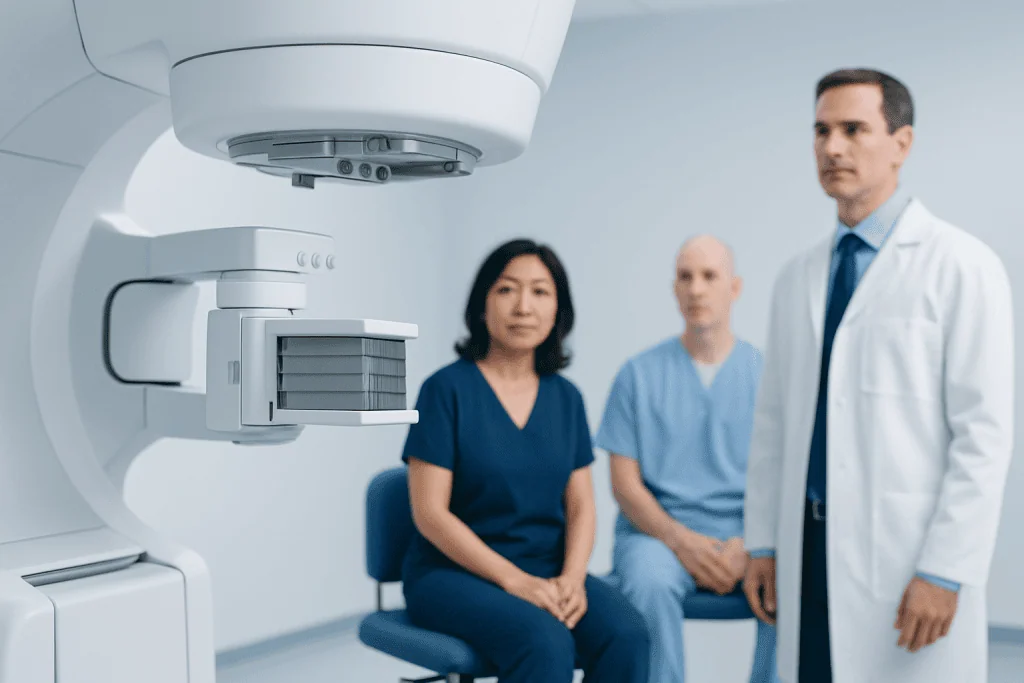
Before recommending treatment, the care team confirms the diagnosis through a biopsy reviewed by an experienced pathologist. DSRCT has characteristic findings under the microscope and usually involves a specific genetic rearrangement, often involving the EWSR1 and WT1 genes. CT, MRI and sometimes PET imaging help show the extent of disease and whether it can be surgically removed.
Candidacy for surgery depends less on one scan result than on the complete pattern of disease. The team considers whether visible tumors can be removed while preserving essential organ function, whether disease is outside the abdomen, how well the person is likely to tolerate a major operation and how the cancer responds to initial chemotherapy. Even when complete removal is not possible, surgery may occasionally be considered to relieve a blockage, pain or another complication.
Chemotherapy is often appropriate for people with newly diagnosed DSRCT because the cancer may be present beyond what is visible or removable. Radiation therapy may be discussed after surgery, for remaining areas of disease or for symptom control. When standard treatment is not suitable, has stopped working or is being considered alongside usual care, a sarcoma specialist may discuss dsrct clinical trials or a dsrc clinical trial.
DSRCT treatment step by step

Step 1: specialist assessment and planning. The team reviews biopsy material, imaging, blood tests, symptoms, nutritional status and fertility considerations where relevant. Because intensive treatment can affect future fertility, people may wish to ask about preservation options before chemotherapy begins. The team also explains goals of care, possible benefits, side effects and practical support needs.
Step 2: systemic chemotherapy. DSRCT is commonly treated with multi-drug chemotherapy given in cycles over several months. These medicines are intended to reduce tumor burden and treat microscopic disease. The exact combination, schedule and supportive medicines are chosen by the oncology team, with regular blood tests and assessments to monitor safety.
Step 3: reassessment and local treatment. Imaging after several cycles helps determine whether tumors have shrunk, remained stable or progressed. If disease appears resectable, surgeons may plan cytoreductive surgery, meaning removal of as much visible tumor as safely possible. Depending on the disease pattern and local expertise, the plan may also include radiation therapy, delivered externally, to address areas at higher risk of recurrence.
Step 4: ongoing monitoring. Further chemotherapy, radiation, observation or a clinical-trial discussion may follow surgery, depending on pathology findings, response and recovery. Follow-up includes imaging and clinical review because recurrence can occur. Support for pain, nutrition, fatigue, emotional wellbeing and family needs should continue throughout each stage of care.
What are good signs that chemo is working?
Good signs that chemotherapy is working may include smaller tumors or fewer visible deposits on CT or MRI scans, less fluid in the abdomen, improvement in pain or abdominal pressure, better appetite and energy, or improved bowel function when symptoms were caused by tumor-related narrowing. However, symptoms alone cannot reliably show whether treatment is effective. Some people feel unwell from chemotherapy even when scans show a response, while others feel better despite cancer that has not changed significantly.
Doctors usually assess response by comparing imaging studies taken before and during treatment, alongside physical examination, laboratory tests and symptom changes. They may describe the cancer as responding, stable or progressing. A reduction in tumor size is encouraging, but stable disease can also be a meaningful result when it prevents further growth and allows time for surgery or other treatment.
It is important not to stop or change chemotherapy based only on day-to-day feelings. New or worsening symptoms, such as persistent vomiting, inability to keep fluids down, fever, increasing pain or shortness of breath, should be reported promptly. The oncology team can determine whether symptoms are treatment side effects, cancer-related changes or another medical issue.
Benefits, risks and recovery timeline
The potential benefit of combined DSRCT treatment is the best possible control of disease using several complementary methods. Chemotherapy may make surgery more achievable by shrinking tumors. Surgery can remove visible disease, and radiation may help control cancer in selected areas. These treatments can also improve symptoms for some people, but they cannot guarantee cure or prevent recurrence.
Side effects depend on the treatment used. Chemotherapy can cause fatigue, nausea, infection risk from low blood counts, hair loss, mouth sores, fertility effects and possible effects on organs such as the heart or kidneys, depending on the medicines. Surgery can involve pain, bleeding, infection, blood clots, delayed bowel function, wound problems and a period of reduced strength. Radiation to the abdomen can cause fatigue, nausea, diarrhea and, less commonly, longer-term bowel or organ effects.
Recovery is gradual and differs widely. People receiving chemotherapy may need several days to weeks between cycles to recover from short-term effects, while blood counts and energy may take longer to normalize. Hospital recovery after extensive abdominal surgery may take days to weeks, followed by weeks to months of rebuilding mobility, nutrition and stamina. The care team provides individualized activity, diet, medication and follow-up guidance.
Supportive and palliative care are appropriate at every stage, including alongside active cancer treatment. This care focuses on relief of pain, nausea, fatigue, anxiety and other symptoms, and it can help people maintain quality of life and make informed decisions.
Can desmoplastic small round cell tumors be cured?
Desmoplastic small round cell tumors can sometimes be controlled for long periods, particularly when treatment produces a strong response and all visible disease can be treated. However, DSRCT is an aggressive cancer and is often diagnosed after it has spread within the abdomen or beyond it, which makes cure difficult. The possibility of cure is individualized and should be discussed openly with the treating sarcoma team.
For localized or limited disease, intensive combined treatment may be planned with curative intent. For more extensive, recurrent or treatment-resistant disease, treatment may focus on controlling growth, easing symptoms and preserving quality of life, while still considering additional systemic therapies, procedures or clinical trials when appropriate. These goals can change over time as the cancer and a person’s preferences change.
Second opinions can be particularly helpful for rare cancers. A review may confirm pathology, assess whether surgery is feasible and identify trial opportunities. Emotional support also matters: a counselor, social worker or a dsrct support group may help patients and families cope with uncertainty and practical challenges.
Has anyone survived DSRCT cancer?
Yes. Some people with DSRCT have survived for many years, including some who have had no detectable cancer after intensive combined treatment. Long-term survival is possible, but it is not predictable from a diagnosis alone, and published outcomes can differ because studies are often small and include people with different stages of disease and treatment histories.
Factors that may influence outlook include how much cancer is present at diagnosis, whether it has spread outside the abdomen, response to chemotherapy, whether surgery can remove visible disease and the person’s overall health. These factors guide planning but do not determine an individual outcome with certainty. The treating team is best placed to explain what scan results and treatment response may mean for a particular person.
Families may encounter conflicting information online because DSRCT is so uncommon. It is reasonable to ask the oncology team which information applies to the individual situation and whether a specialist sarcoma center can offer additional input. Honest discussions about prognosis can occur alongside active efforts to treat the cancer and support wellbeing.
How many people have had DSRCT and when to seek medical care
DSRCT is extremely rare, so the exact number of people who have had it worldwide is not known. Medical reports and registries describe relatively small numbers of cases, and estimates may vary by country, age group and how cases are recorded. It occurs most often in adolescents and young adults assigned male at birth, but it can affect people of any sex and age.
Anyone with a newly diagnosed DSRCT should seek care promptly from an oncology team with sarcoma expertise. Urgent medical assessment is needed for severe or rapidly worsening abdominal pain, repeated vomiting, inability to pass stool or gas, fever during chemotherapy, new confusion, chest pain, sudden shortness of breath or heavy bleeding. These symptoms do not always mean the cancer is worsening, but they need timely evaluation.
Acibadem International’s multidisciplinary specialists in JCI-accredited hospitals support international patients needing diagnosis and treatment planning for rare cancers, including sarcoma. People may also ask their treating oncologist about referral pathways, a second pathology review, appropriate clinical trials and reliable patient-support resources.
Frequently asked questions
What is the usual first-line DSRCT treatment?
First-line DSRCT treatment commonly begins with multi-drug chemotherapy because the cancer may involve multiple areas in the abdomen. If scans show that disease can be removed safely, surgery is often considered after initial chemotherapy. Radiation therapy may be added in selected circumstances.
Is surgery always possible for DSRCT?
No. Surgery is considered when the team believes visible disease can be removed safely and the likely benefits outweigh the risks. The decision depends on the tumor distribution, involvement of organs or blood vessels, disease outside the abdomen and response to chemotherapy. A surgeon experienced in sarcoma and complex abdominal cancer surgery should assess operability.
How is DSRCT diagnosed?
Diagnosis requires a biopsy, in which a small tissue sample is examined by a pathologist. Specialized testing, including immunohistochemistry and molecular testing, helps distinguish DSRCT from other small round cell tumors. Imaging then helps determine the cancer’s location and extent.
Can DSRCT come back after treatment?
Yes, DSRCT can recur even after an initial good response to treatment. Regular follow-up visits and imaging are therefore important. If recurrence occurs, the team may discuss additional chemotherapy, surgery or radiation in selected cases, symptom-directed treatment or a clinical trial.
What questions should a person ask about DSRCT clinical trials?
Useful questions include the purpose of the trial, who can take part, possible risks and benefits, how treatment differs from standard care and what travel or extra visits may be required. Participation is voluntary, and choosing not to join a trial does not affect access to standard care. The oncology team can help identify trials that match the diagnosis and treatment history.
Where can patients find DSRCT support?
Support may be available through hospital social workers, oncology nurses, mental health professionals, rare-cancer organizations and sarcoma patient communities. A DSRCT support group can offer connection with others facing similar concerns, but medical decisions should remain guided by the treating oncology team. Trusted organizations can also help families locate practical, financial and emotional support resources.
References
- National Cancer Institute
- American Cancer Society
- National Organization for Rare Disorders
- European Society for Medical Oncology
- Sarcoma Foundation of America
This article is for general information only and is not a substitute for professional medical advice. Please consult a qualified doctor about your individual situation.
Oncology care in Turkey — second opinion and treatment plan
JCI-accredited · board-certified surgeons · reply within 24h
Add us as a Preferred Source to see more of our trusted health content across Google Search, AI Overviews and Discover.