

Dental Work Before Surgery: Procedure, Recovery and Results

Routine dental cleaning is usually possible before surgery, but the surgical team should confirm the appropriate timing. Active dental infection should be assessed promptly because it may need treatment before an elective operation can safely proceed.
Key Takeaways
- Routine dental cleaning is usually possible before surgery, but the surgical team should confirm the appropriate timing.
- Active dental infection should be assessed promptly because it may need treatment before an elective operation can safely proceed.
- Invasive dental procedures such as extractions, implants or gum surgery may require more recovery time than a cleaning or filling.
- Patients should not stop prescribed medicines, including blood thinners, unless the clinician managing them gives clear instructions.
- Clear communication among the patient, dentist, surgeon and anesthesiology team helps reduce avoidable delays and complications.
Dental work before surgery is often safe and may be important when there is active tooth, gum or jaw infection. The right timing depends on the planned operation, the type of dental procedure, medical conditions, medicines and how much healing is needed, so patients should obtain guidance from both their dentist and surgeon.
Overview: Why Dental Work Before Surgery May Matter
Dental work before surgery can be safe, and sometimes necessary, when it is planned with both the dental and surgical teams. A dental infection, severe gum inflammation or an abscess may need attention before an elective operation because untreated infection can affect general health and may complicate recovery.
There is no single rule that applies to every procedure. A routine examination, cleaning or small filling generally has a different impact than a tooth extraction, root canal treatment, dental implant or periodontal surgery. The planned operation also matters: a major joint, heart, spine or transplant procedure may involve different precautions than a minor outpatient operation.
The main goals are to identify active oral infection, allow enough time for healing after invasive treatment and avoid conflicts with anesthesia or medicines. Patients should tell their surgeon about recent dental care, planned appointments, dental symptoms and all medicines or supplements they use.
How Preoperative Dental Assessment Works
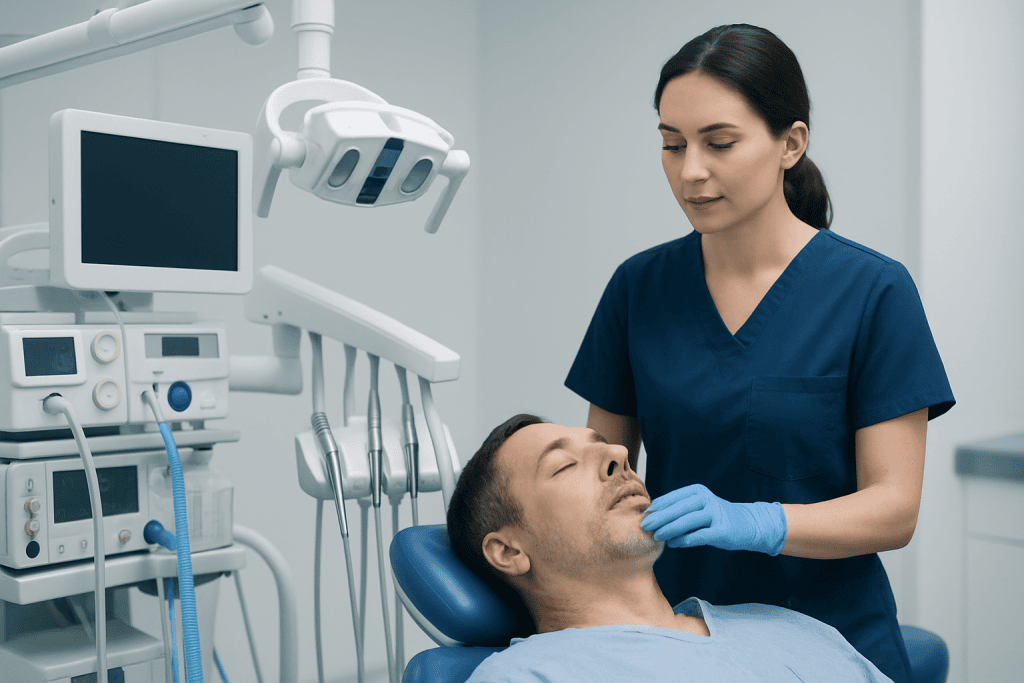
Preoperative dental care usually starts with a medical and dental review rather than automatic treatment. The dentist asks about the upcoming operation, health conditions, allergies and medicines, then examines the teeth, gums and surrounding tissues. Dental X-rays may be used if symptoms or examination findings suggest decay, infection, impacted teeth or bone problems.
When there is no active problem, the dentist may simply confirm good oral hygiene and provide routine preventive care. If there is a suspected abscess, advanced gum disease, a painful broken tooth or another urgent concern, the dental and surgical teams can decide whether treatment should happen before the operation or whether surgery should be postponed until the mouth has healed.
Patients planning dental work before back surgery should use the same coordinated approach. Back surgery itself does not automatically require dental clearance, but the spine surgeon may want known infections addressed and may give specific instructions based on the procedure, implants, medical history and expected recovery.
In complex cases, a multidisciplinary review can be helpful. Acibadem International’s multidisciplinary specialists and JCI-accredited hospitals coordinate dental, surgical and anesthesia care for international patients when preoperative dental assessment or treatment is needed.
Who May Need Dental Treatment Before an Operation

Not everyone needs dental treatment before surgery. It is most relevant for people with toothache, facial swelling, pus or drainage, fever linked to a dental problem, untreated cavities causing pain, loose teeth, bleeding gums, severe gum disease, recent dental trauma or a known infection. A person who has not had dental care for a long time may also benefit from an assessment when a major elective operation is planned.
Extra attention may be appropriate for people who are immunocompromised, have poorly controlled diabetes, have a history of infective endocarditis, are preparing for selected heart procedures, or will have surgery involving implanted material. Recommendations vary, and an individualized decision is safer than assuming that all patients need the same type of dental clearance.
Patients taking anticoagulants, antiplatelet medicines, medicines that affect bone healing, chemotherapy, corticosteroids or immune-suppressing treatment should mention them before dental procedures. These medicines may influence bleeding, infection risk or healing, but they should never be stopped independently.
- Contact the surgeon early if there is active dental pain or swelling.
- Share the planned surgical date with the dentist.
- Ask whether dental records or a written assessment are needed.
- Follow medication instructions from the clinician who prescribed each medicine.
Is It Safe to Have Dental Work Done Before Surgery?
It can be safe to have dental work done before surgery, particularly when it is routine or when it treats an active problem. Safety depends on the kind of dental work, the urgency of the planned operation, the expected dental work recovery time and the patient’s overall health. Coordination is especially important if sedation, antibiotics, pain medicines or changes to blood-thinning medicines may be involved.
Simple care such as an examination, X-rays, a cleaning or a straightforward restoration may be completed close to an operation if the patient is well and the surgical team agrees. Invasive procedures can cause temporary bleeding, swelling, pain, reduced food intake and a short-lived increase in inflammation. These effects may interfere with preparation for surgery or make it difficult to distinguish a dental complication from a postoperative problem.
After a tooth extraction or oral surgery, healing time is not identical for every person. Initial clot formation and early tissue healing occur over days, while fuller gum and bone healing takes longer. The dentist and surgeon should agree on whether recovery is sufficient before the main operation proceeds.
Can I Get My Teeth Cleaned 2 Weeks Before Surgery?
For many people, a routine teeth cleaning 2 weeks before surgery is reasonable, provided there are no complications and the surgeon has not given different instructions. A cleaning does not usually create the same healing demands as extraction or gum surgery, and it may help identify oral concerns before admission.
However, patients should ask their surgical team before booking the appointment. The answer may differ for people having heart valve surgery, certain orthopedic implant procedures, organ transplantation, major cancer treatment or surgery during which immune suppression is expected. The presence of bleeding gums, active infection, fever or a need for deeper periodontal treatment may also change the plan.
Patients should tell the dental hygienist or dentist about upcoming surgery and all medications, including aspirin, anticoagulants and diabetes medicines. If cleaning reveals a suspected infection or need for invasive dental care, the dentist can communicate with the surgical team about the next steps.
What Not to Do 7 Days Before Surgery?
During the 7 days before surgery, patients should not start, stop or alter medicines and supplements without instructions from the surgical or anesthesia team. Some products can affect bleeding, blood pressure, blood sugar or anesthesia. The preoperative team should provide individualized guidance about prescription medicines, over-the-counter pain relievers, vitamins, herbal products, alcohol, tobacco and recreational substances.
Patients should also avoid delaying the report of new dental symptoms. Tooth pain, gum swelling, drainage, mouth sores, a broken tooth or recent dental treatment should be reported promptly, especially before major surgery. Trying to self-treat an infection with leftover antibiotics or postponing necessary assessment can create avoidable risks.
Elective invasive dental procedures are often best avoided in the final week unless the dentist and surgeon agree they are urgent. This allows the care team to assess any bleeding, swelling, infection or pain before surgery. Patients should follow the hospital’s instructions about fasting, hydration, skin preparation and arrival times rather than relying on general online advice.
Dental Procedure Recovery, Benefits and Possible Risks
The benefits of appropriate dental care before surgery include treating infection, reducing oral pain, improving comfort during recovery and avoiding an unexpected dental emergency soon after an operation. The potential benefit is greatest when there is a confirmed or strongly suspected active problem, rather than when treatment is performed solely because surgery is planned.
Dental work recovery time varies. A cleaning may cause mild gum tenderness for a day or two. A filling may require little or no downtime, while root canal treatment, periodontal procedures and extractions can involve several days of discomfort or swelling. More extensive oral surgery may require longer follow-up before another major procedure is advisable.
Potential risks include bleeding, infection, dry socket after extraction, medication reactions, temporary difficulty eating and delayed healing. These risks are usually manageable, but they matter when a major operation is approaching. Dentists may recommend soft foods, gentle oral hygiene, prescribed pain relief or a follow-up review based on the treatment performed.
Dental antibiotics are not routinely needed for every procedure or every upcoming operation. When antibiotic prevention is considered, it should be based on the patient’s specific heart condition, immune status, surgery plan and dental procedure, using current professional guidance.
What's the Worst Day After Oral Surgery?
For many people, swelling and discomfort after oral surgery are most noticeable around the second or third day, rather than immediately after the procedure. This pattern varies with the type of treatment, the number of teeth involved, the person’s health and how closely aftercare instructions are followed. Some people feel better sooner, while others need more time.
It is common to have mild bleeding or oozing shortly after an extraction, followed by tenderness, swelling and limited jaw opening. Symptoms should gradually improve after the first few days. Dental work recovery time may be longer after complicated extraction, bone grafting, implant surgery or extensive gum treatment.
Patients should contact the dental team if pain becomes severe or is worsening after initial improvement, bleeding does not settle with the recommended measures, swelling is rapidly increasing, fever develops, there is trouble swallowing or breathing, or there is a foul taste with drainage. These symptoms need assessment, especially when another surgery is scheduled soon.
When to Seek Medical Care
Patients should seek urgent medical or dental care for difficulty breathing or swallowing, rapidly spreading facial or neck swelling, uncontrolled bleeding, confusion, severe dehydration or signs of a serious allergic reaction. These symptoms are uncommon but should not wait for a routine appointment.
A dentist should be contacted promptly for persistent tooth pain, gum or facial swelling, pus, fever, a loose or fractured tooth, worsening pain after oral surgery or concern that a dental infection is present. The surgeon should also be informed if these symptoms occur before an elective operation, because the timing or preparation plan may need to change.
For non-urgent questions, patients should ask their dentist and surgeon how long to wait between dental treatment and surgery, whether antibiotics are appropriate and whether any medicines need adjustment. Written instructions from the treating teams are particularly helpful when care is provided by more than one specialty.
Frequently asked questions
Do I need dental clearance before surgery?
Dental clearance is not required before every operation. It may be requested when a patient has dental symptoms, has a history suggesting infection risk, or is preparing for selected major procedures. The surgeon can explain whether a dental assessment is needed in an individual case.
How long should I wait after a tooth extraction before surgery?
The appropriate interval depends on the extraction complexity, healing progress, type of planned surgery and medical history. Simple extractions may settle within days, but complete healing takes longer and complications can occur. The dentist and surgeon should jointly confirm when it is appropriate to proceed.
Can a dental infection delay surgery?
Yes, an active dental infection may lead a surgeon to delay an elective operation until it has been assessed and treated. This decision balances the urgency of the planned surgery against the risks of proceeding while infection is present. Urgent or emergency surgery is handled differently and requires direct medical coordination.
Should I take antibiotics before dental work if I am having surgery soon?
Antibiotics are not automatically needed simply because surgery is planned. They are recommended only in selected circumstances, such as certain heart conditions or specific clinical situations, based on professional guidance. The dentist, surgeon and prescribing clinician should determine whether they are appropriate.
Can I have dental work before back surgery?
Dental work before back surgery is often possible, particularly if it is routine or needed to manage an active dental problem. The spine surgeon should know about planned treatment and recent procedures, especially extractions or oral surgery. This helps ensure that any healing, medication or infection concerns are addressed before the operation.
Can I brush my teeth before surgery?
Many hospitals allow patients to brush their teeth before surgery, but they may advise not swallowing water or toothpaste and may give specific instructions on the morning of the operation. Fasting rules can differ by procedure and anesthesia plan. Patients should follow the instructions provided by their surgical or anesthesia team.
References
- American Dental Association
- American Association of Oral and Maxillofacial Surgeons
- American College of Surgeons
- Centers for Disease Control and Prevention
- National Institute of Dental and Craniofacial Research
This article is for general information only and is not a substitute for professional medical advice. Please consult a qualified doctor about your individual situation.
Explore treatments in Turkey — costs, top hospitals & a free quote
JCI-accredited · board-certified surgeons · reply within 24h
Add us as a Preferred Source to see more of our trusted health content across Google Search, AI Overviews and Discover.

More from the Health Library



Related Specialists

Dr. Yeliz Kantürk
Otorhinolaryngology
Dt. Gözde Anıl Gürbüz
Oral & Dental Health
Dr. Nezail Demircler
Aesthetic Plastic & Reconstructive Surgery
Dt. Şevval Çelebi
Oral & Dental Health